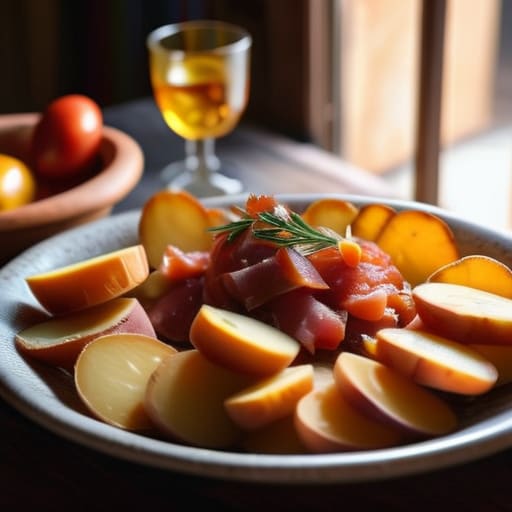
I can still smell the sharp, intoxicating sting of garlic and smoked paprika clinging to my linen jacket from a tiny, unnamed bar in Seville last spring. I was squeezed onto a wobbly wooden stool, elbow-to-elbow with a local carpenter, as a plate of warm, oil-slicked patatas bravas slid across the scarred countertop. This is the reality of tapas dining culture—it isn’t about the curated, multi-course tasting menus you see in glossy travel magazines or the overpriced “tapas tours” designed for cruise ship crowds. It is about the beautiful chaos of a crowded room, the clink of empty sherry glasses, and the way a single, perfect bite of salty jamón can make the rest of the world go quiet.
I’m not here to give you a list of the most Instagrammable spots in Madrid. Instead, I want to pull back the curtain on how to actually navigate these spaces without feeling like an outsider. I’ll share my honest, field-tested approach to finding the real stories hidden in the local menus, so you can skip the tourist traps and eat exactly where the locals do.
Table of Contents
Tapas vs Pinchos Explained a Lesson in Local Nuance
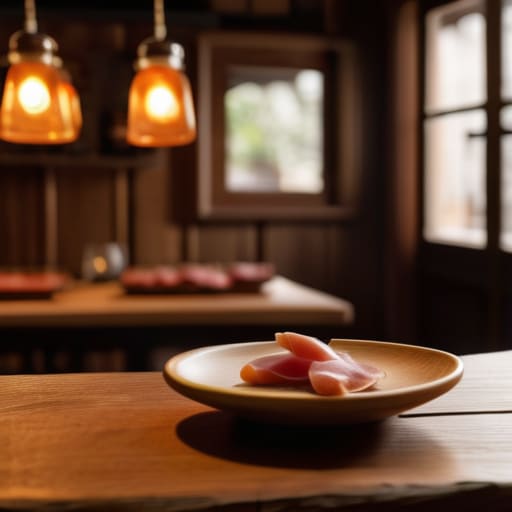
If you’ve spent any time wandering through the narrow, cobblestone streets of San Sebastián, you’ve likely noticed a subtle shift in the rhythm of the bars. While most travelers use the terms interchangeably, understanding tapas vs pinchos explained is really about understanding the geography of your appetite. Tapas are generally small, snack-sized portions—think a handful of Marcona almonds or a slice of Jamón Ibérico—meant to accompany a drink. They are the heartbeat of social eating habits in Spain, designed to keep you lingering at the bar while you chat with the person next to you.
Pinchos, however, are a different beast entirely. Originating largely in the Basque Country, these are more substantial, often served on a slice of crusty bread and secured with a toothpick (the pincho). They aren’t just snacks; they are tiny, edible compositions of seasonal ingredients. While a tapa might be something you share from a central bowl, a pincho is your own personal masterpiece. Navigating these differences is a vital part of learning tapas bar etiquette, ensuring you move through the local scene with the confidence of someone who truly belongs.
Spanish Culinary Traditions Found in Every Shared Bite
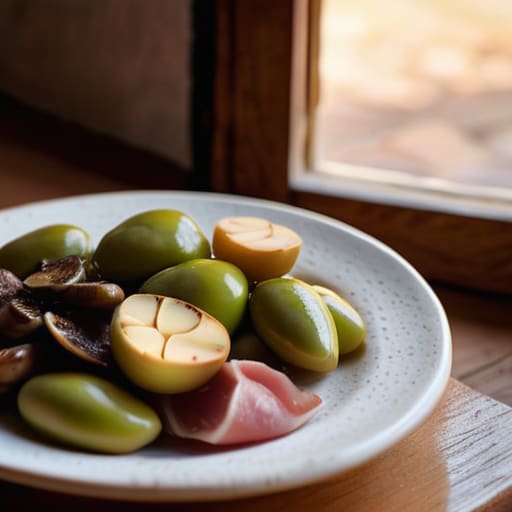
It’s easy to look at a spread of small plates and see just food, but if you look closer, you’re seeing a map of history. These tiny portions are deeply rooted in Spanish culinary traditions, where the focus is rarely on a single, heavy meal, but rather on a continuous flow of flavor. I’ve noticed that the ingredients change with the light outside; in the spring, it’s all about tender artichokes and broad beans, while the autumn brings out the heavy, earthy scents of mushrooms and cured meats.
There is also a rhythmic, almost ritualistic element to the way people move through a night. It isn’t just about the eating; it’s about the social eating habits in Spain that dictate how we occupy space. You don’t just sit down and stay put. You grab a glass of sherry, a couple of bites of jamón, and then move to the next spot. This constant motion creates a unique kind of energy—a shared, collective experience where the boundaries between tables seem to blur, making even a solo traveler feel like they are part of the conversation.
How to Eat Like You Belong (Not Like You're Visiting)
- Follow the locals, not the menus. If you see a bar where the counter is crowded with people standing up, drinking small glasses of vermouth and chatting loudly, get in line. That’s where the good stuff is hiding.
- Don’t be afraid of the chaos. The best tapas spots are often loud, cramped, and a little bit messy. If you’re looking for white tablecloths and quiet contemplation, you’re in the wrong place. Embrace the clatter of plates and the hum of conversation.
- Master the art of the “tapa crawl.” Instead of sitting down for one massive meal, move from bar to bar. Order one or two things at each stop, have a small drink, and then head to the next spot. It’s the only way to truly taste the diversity of a neighborhood.
- Keep an eye on the counter, not just the menu. In many traditional spots, the real magic is what’s sitting right there in front of you—the olives, the cured meats, or the seasonal vegetable dish that just arrived from the market.
- Learn the rhythm of the meal. Tapas isn’t about rushing to satisfy hunger; it’s a slow, social ritual. Take your time, observe the people around you, and let the food be the excuse for the connection, not just the destination.
How to Eat Like a Local
Skip the menus with glossy photos and heavy English translations; instead, look for the places where the counter is crowded with locals and the chalkboard menu is handwritten.
Don’t feel pressured to sit down for a formal meal—the true magic of tapas is the ability to drift from one small bar to the next, treating the city itself as your dining room.
Embrace the noise and the squeeze; the best culinary stories usually unfold in those cramped, dimly lit corners where the plates are small but the conversation is loud.
The Rhythm of the Table
“Tapas isn’t just about the food; it’s the social glue of a city. It’s that beautiful, messy transition from a solitary afternoon to a shared evening, where the clink of small glasses and the passing of salt-dusted plates turn a room full of strangers into a temporary community.”
Anouk Verhoeven
The Art of the Slow Bite
At the end of the day, navigating the distinction between a quick pincho in San Sebastián and a long, lingering tapas session in Seville is less about the technicalities of the food and more about understanding the rhythm of the street. Whether you are standing shoulder-to-shoulder at a crowded bar or tucked into a corner booth with a glass of vermouth, you are participating in a ritual that prioritizes connection over convenience. It is a culinary language that values shared experiences and the beauty of small, intentional flavors over the heavy, singular courses that dominate so much of our modern dining culture.
As I sit here in this tiny cafe, scribbling the scent of toasted garlic and sea salt into my notebook, I am reminded that travel isn’t about checking landmarks off a list. It is about these quiet, unscripted moments of communion. So, when you find yourself in Spain, I urge you to put down the guidebook and follow your nose instead. Let the noise of the market and the clinking of glasses guide you toward a stool at a local counter. Because when you stop trying to find the “best” restaurant and start looking for the most honest one, you don’t just eat—you finally begin to truly live.
Frequently Asked Questions
Is there a specific etiquette I should follow when ordering multiple rounds of tapas at a crowded bar?
Don’t overthink it, but do be mindful of the rhythm. In a crowded bar, you won’t be sitting for a formal service; it’s a dance. Order one or two things at a time rather than a massive list. When you’re ready for the next round, just catch the bartender’s eye—don’t wave or shout. And please, keep your small change handy. It keeps the flow moving and shows respect for the beautiful, chaotic energy of the space.
How do I know if a place is a genuine local spot or just a tourist trap designed for quick turnover?
Look for the lack of a polished menu. If there’s a laminated sheet with photos of food translated into five languages, turn around. I usually look for the “noise test”: a place that’s loud, slightly chaotic, and filled with people who aren’t looking at their phones. If the floor is a little sticky and the waiter doesn’t have time for a photo op, you’ve likely found something real. Trust the crumbs.
Do people typically eat tapas as a full meal, or is it more of a social ritual that lasts throughout the evening?
It’s rarely about a single, heavy sitting. For me, tapas are less of a meal and more of a rhythmic social ritual. You might start with a few small plates and a vermouth around 7:00 PM, then drift to another bar for something different as the night unfolds. It’s a slow, delicious migration through the streets. You aren’t just eating; you’re participating in the evening’s tempo, moving from one conversation to the next.
