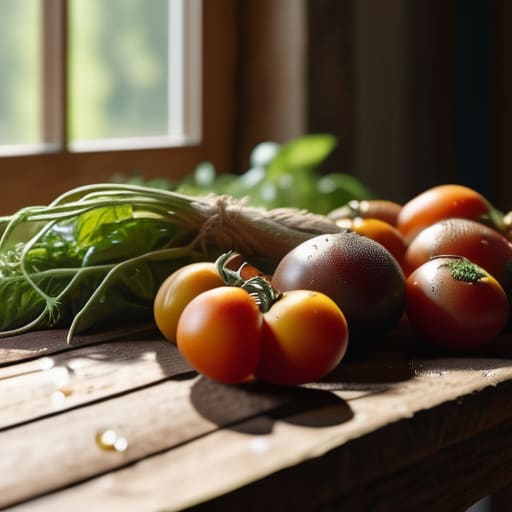
I was sitting in a tiny, sun-drenched plaza in Oaxaca last spring, staring at a menu that boasted “artisanal, farm-to-table” ingredients at prices that felt like a personal insult. It’s that specific brand of marketing that always makes me roll my eyes—the way people have turned eating locally sourced into a luxury status symbol rather than what it actually is: a way of life. To me, it’s never been about the expensive labels or the curated aesthetic you see on polished travel feeds; it’s about the dirt under a farmer’s fingernails and the way a peach actually tastes when it hasn’t spent a week in a shipping container.
I’m not here to give you a list of high-end boutiques or tell you that you need a massive budget to eat well. Instead, I want to share the unfiltered reality of how I find the heartbeat of a new city through its seasonal rhythms. I’ll show you how to navigate crowded morning markets, how to spot the real deals, and why the most profound cultural connections happen when you stop looking at the menu and start looking at the hands that grew the food.
Table of Contents
The Quiet Magic of Fresh Organic Produce
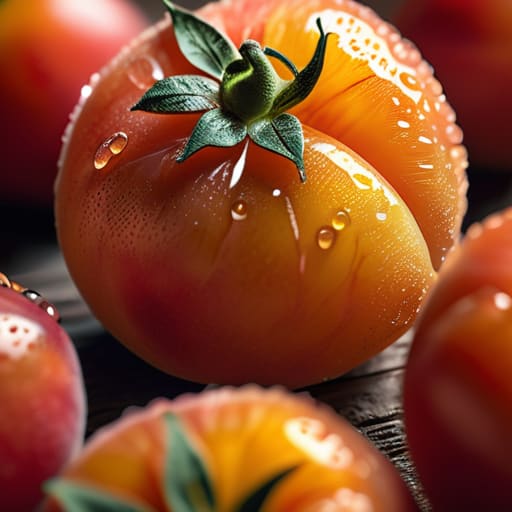
There is a specific kind of reverence that happens when you hold a peach that was actually picked when it was ripe, rather than being gassed into submission in a shipping container. When I find a small stall specializing in fresh organic produce, the difference isn’t just in the taste—though the flavor is incomparable—it’s in the texture and the weight of it. You can feel the sun in a tomato that hasn’t traveled thousands of miles to reach your plate.
I’ve realized that leaning into the seasonal produce benefits means accepting a certain lack of control, which is actually quite liberating. You don’t demand strawberries in December; instead, you learn to love the earthy, bitter greens of late autumn. This shift in mindset is the heartbeat of the farm to table movement, moving us away from the sterile, endless aisles of supermarkets and back toward a rhythm that feels much more human. It’s about more than just nutrition; it’s about reconnecting with the actual soil beneath our feet.
Why Seasonal Produce Benefits the Wandering Heart
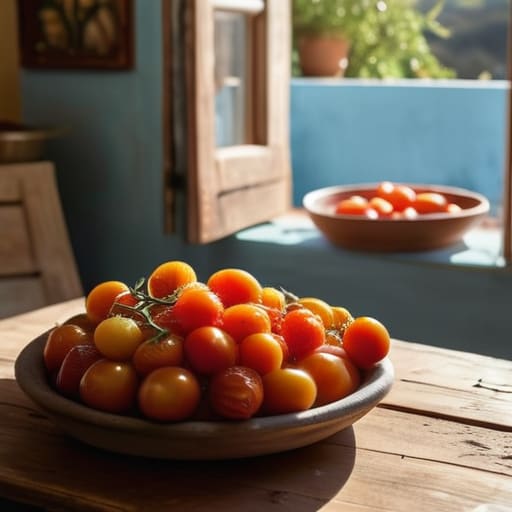
There is a specific kind of rhythm that comes with following the seasons, a tempo that forces you to slow down and actually notice where you are. When I’m moving between cities, it’s easy to fall into the trap of seeking out the same familiar comforts, but I’ve found that leaning into the local harvest is what truly anchors me. By choosing what is currently in bloom, I’m not just eating; I’m participating in the natural pulse of the region. It turns every meal into a temporal marker, a way to know exactly when autumn has arrived in a new valley or when the heat of summer is peaking in a coastal village.
This connection goes deeper than just flavor, though. There’s a profound sense of purpose in supporting local agriculture simply by following what the earth provides. When I seek out whatever is freshest, I’m inadvertently part of a much larger, more meaningful cycle. It’s a small way of reducing food miles and ensuring that my presence in a place leaves a lighter footprint. For a wanderer, there is a quiet, grounding joy in knowing that the peach on my plate was ripened by the same sun that warms the streets I walk every morning.
How to Find the Real Flavor (Without a Map)
- Follow your nose to the morning markets. Forget the polished supermarket aisles; the real magic happens where the air is thick with the scent of bruised herbs and damp earth. If the vendor is shouting or the produce looks slightly imperfect, you’re in the right place.
- Learn the local vocabulary for the basics. You don’t need to be fluent, but knowing the word for ‘ripe,’ ‘sour,’ or ‘sweet’ in the local tongue opens doors. It turns a transaction into a conversation, and that’s usually when the best food stories come out.
- Eat what the locals are eating, even if it looks strange. If you see a crowd forming around a specific stall selling something you can’t name, join them. My rule of thumb: if it’s seasonal and being eaten by people who actually live there, it’s going to be incredible.
- Ask the producers about their process. I always carry my notebook to jot down more than just names; I want to know how the soil feels or how long the tomatoes were left to sun-ripen. Understanding the ‘how’ makes the ‘what’ taste so much deeper.
- Embrace the rhythm of the seasons. It can be frustrating when you crave a specific fruit that isn’t in season, but part of the joy of traveling is accepting the menu the earth provides. It forces you to be present and curious about what is actually alive and thriving right now.
Lessons from the Market Stall
Stop looking for a perfect menu and start looking for the ingredients that are currently in season; that’s where the real flavor—and the soul of the place—actually lives.
Use your senses as your primary guide, because the smell of a damp morning market or the weight of a ripe peach will tell you more about a culture than any polished restaurant review.
Eating locally isn’t just about supporting farmers; it’s a way to anchor yourself in a new city and turn a transient trip into a meaningful, lived experience.
The Flavor of Place
“You can tell how much a place loves its history by the way it treats its soil; when you eat something grown just a few miles down the road, you aren’t just tasting food, you’re tasting the very character of the landscape.”
Anouk Verhoeven
The Taste of Connection
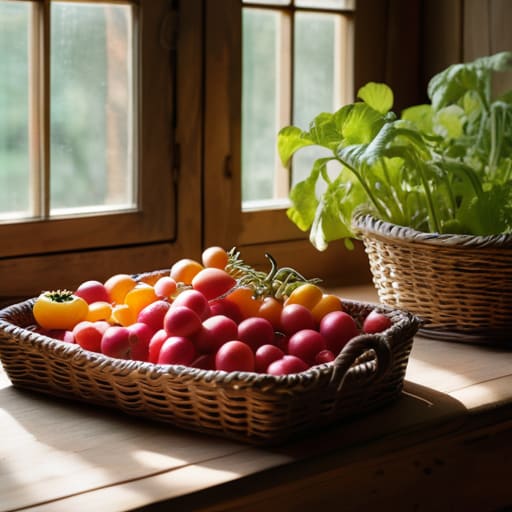
At the end of the day, choosing to eat locally isn’t just about the nutritional profile of a tomato or the carbon footprint of a crate of apples. It’s about the intentionality we bring to our plates. By seeking out seasonal produce and supporting the small-scale farmers who tend to the land, we bridge the gap between being a mere spectator and becoming a participant in a place’s rhythm. We move away from the sterile, predictable aisles of global supermarkets and step into a world where food has a distinct sense of place, a story that begins in the soil rather than a shipping container.
So, the next time you find yourself in a new city—or even just a few streets away from your own kitchen—I challenge you to put down the guidebook and follow your nose. Seek out that crowded corner market or the tiny stall tucked behind the cathedral. When we eat with the seasons, we aren’t just fueling our bodies; we are tasting the very heartbeat of a culture. It’s in those small, unscripted moments of discovery that travel stops feeling like a checklist and starts feeling like home.
Frequently Asked Questions
How can I tell if a vendor is actually selling local goods or just using "organic" as a marketing label?
I’ve learned to stop looking at the labels and start looking at the hands. If a vendor is just using “organic” as a buzzword, the produce often looks too perfect—uniform, shiny, and strangely quiet. Real local goods have character; they might be slightly bruised or oddly shaped. I always ask, “Who grew this?” A real producer will tell you the name of the farm or the specific hillside. If they hesitate, I move on.
What are some practical ways to find these small-scale producers when I'm traveling in a city I've never visited before?
I’ve learned that the best way to find these gems is to follow the scent of woodsmoke or fermenting dough. I usually skip the main squares and wander into the residential side streets; that’s where the real markets hide. If you see a small stall with a line of locals, join it. Don’t be afraid to ask, “Where does this cheese come from?” Most small-scale producers love sharing their story if you’re genuinely curious.
Is it actually possible to maintain a diet focused on local ingredients when I'm moving between different climates and seasons every few months?
It’s a challenge, certainly, but honestly? It’s also part of the adventure. When I move from the crisp autumns of Northern Europe to the humid markets of Southeast Asia, my pantry completely resets. You can’t cling to a rigid grocery list. Instead, I’ve learned to follow the rhythm of the soil. You just have to stop asking “where can I find spinach?” and start asking “what is thriving right now?”
