
I remember sitting in a sun-drenched kitchen in Oaxaca, watching an elderly woman scrub her heavy cast-iron skillet with nothing but coarse salt and a bit of patience. There was no expensive, chemical-laden “restoration kit” in sight—just a deep, intuitive respect for the tools that had fed her family for decades. It made me realize how much we’ve been sold on the idea that kitchen appliance care has to be this complex, expensive ritual involving specialized gadgets and endless bottles of synthetic cleaners. We’ve been taught to fear the grime, as if a little bit of wear and tear means the soul of the machine is gone, when really, it’s just part of the story.
I’m not here to sell you on high-tech solutions or complicated maintenance schedules that take up more time than the actual cooking. Instead, I want to share the honest, stripped-back methods I’ve gathered from living out of a suitcase and cooking in tiny, makeshift kitchens all over the world. My goal is to help you move past the marketing hype and focus on the simple, sustainable habits that actually keep your gear working beautifully. We’re going to treat your tools with the same respect they deserve, ensuring they remain reliable companions for every meal you create.
Table of Contents
Honoring Our Tools a Preventative Maintenance Schedule
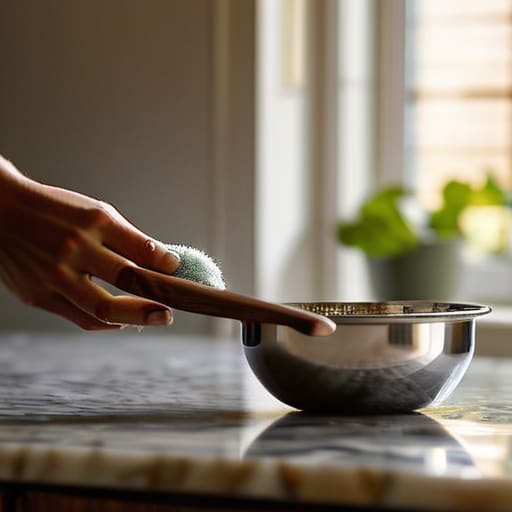
I’ve learned through years of living in tiny apartments and shared kitchens that we tend to treat our gadgets like disposable things. But when you’ve spent a morning watching a craftsman in Kyoto meticulously oiling a wooden spatula, you start to see things differently. Creating a simple preventative maintenance schedule isn’t about being obsessive; it’s about respect. It’s the difference between a blender that dies mid-smoothie and one that hums steadily for a decade.
I like to break it down by rhythm rather than a daunting checklist. Weekly, it’s the small things—wiping down the seals on the fridge or checking the crumb tray in the toaster. Monthly, I focus on the invisible stuff, like removing limescale from appliances to keep my kettle and espresso machine running smoothly. It’s a quiet ritual, much like the way I wind my old film camera. If you stay ahead of the buildup, you aren’t just extending appliance lifespan; you’re ensuring that the tools meant to nourish you are always ready when the craving hits.
The Quiet Ritual of Cleaning Kitchen Electronics Safely

There is something almost meditative about the way the light hits a clean countertop in the early morning, before the chaos of breakfast begins. But I’ve learned that keeping that clarity requires more than just a quick wipe-down; it requires a gentle, intentional approach to cleaning kitchen electronics safely. I remember a tiny bistro I stayed at in Lyon where the owner treated her heavy-duty espresso machine like a sacred relic. She never used harsh, abrasive chemicals that could strip the soul from the metal; instead, she used soft cloths and distilled water.
When I’m working with my own gear, I try to mimic that reverence. Whether it’s a digital scale or a high-end blender, I avoid the temptation to douse everything in spray. Instead, I focus on minimizing moisture near the buttons and ports, using a slightly damp microfiber cloth to lift away the dust and oils that accumulate from daily use. It’s a small habit, but it’s a vital part of extending appliance lifespan without the stress of sudden breakdowns. It’s about treating these tools not as disposable gadgets, but as quiet companions in my culinary journey.
Small Gestures, Long Lives: My Five Non-Negotiables
- Listen to the rhythm of your machines. A refrigerator that hums a little too loudly or a toaster that smells slightly of singed dust is trying to tell you something; don’t ignore those small shifts in character before they turn into a breakdown.
- Clear the path for airflow. Just like we need room to breathe in a crowded market, your oven and fridge need space to circulate air; a quick vacuum of the dust bunnies around the coils can be the difference between a steady chill and a sudden heatwave.
- Respect the seals. I’ve learned in too many humid coastal towns that a tiny gap in a door seal is an invitation for trouble; checking that your gaskets are soft and clean ensures your energy—and your food—stays exactly where it belongs.
- Treat your blades with kindness. Whether it’s a blender or a food processor, never force them through something too stubborn; let the motor do the work, and always hand-wash those blades to keep the edge as sharp as a chef’s knife in a mountain village.
- Keep the grit at bay. A little bit of spilled flour or a stray grain of salt can act like sandpaper over time; a simple, dry wipe-down after the kitchen settles for the night prevents the slow erosion of your most trusted tools.
Small Acts of Care
Think of maintenance not as a chore, but as a way to respect the tools that facilitate our most meaningful meals.
A little bit of consistent, gentle attention—like wiping down a surface or clearing a crumb—prevents the sudden, stressful breakdowns that interrupt our flow.
Treating your appliances with intention ensures they remain reliable companions in your kitchen, ready to help you recreate the flavors of the world.
The Soul of the Kitchen
We often think of our appliances as mere machines, but they are actually the quiet witnesses to our most intimate meals; taking care of them isn’t just about maintenance, it’s about respecting the tools that help us nourish our lives.
Anouk Verhoeven
The Heartbeat of the Home

At the end of the day, keeping your kitchen running smoothly isn’t about following a rigid manual or obsessing over perfection. It’s about those small, intentional acts—the weekly wipe-down of the espresso machine, the careful dusting of the toaster, and the preventative care that keeps your most trusted tools from failing when you need them most. By integrating these tiny rituals into your routine, you aren’t just avoiding expensive repairs; you are ensuring that your kitchen remains a reliable sanctuary for whatever you decide to create. It’s a way of honoring the objects that facilitate our most nourishing moments.
I often think back to the tiny, sun-drenched kitchens I’ve encountered in my travels, where the tools were worn smooth by decades of use but treated with such profound respect. There is a certain kind of magic in a well-loved space. When we take the time to care for our appliances, we are really taking care of the stories we are about to write through our cooking. So, don’t view maintenance as a chore. Instead, see it as a way to ground yourself in your home, preparing the stage for the next great meal, the next shared laugh, and the quiet beauty of everyday living.
Frequently Asked Questions
How often should I actually be deep-cleaning the things I don't use every day, like the heavy stand mixer or the pasta maker?
I tend to view these heavier pieces as seasonal guests rather than permanent residents. If your stand mixer is just waiting for the next batch of sourdough or a heavy holiday bake, a thorough wipe-down after every use is plenty. But for a true deep clean—getting into those nooks and crevices where flour dust settles—I aim for once every three months, or whenever I notice the machine feels a little less “smooth” in its rhythm.
Are there any natural, non-toxic ways to get rid of those stubborn odors in my fridge or dishwasher without using harsh chemicals?
I’ve learned the hard way that heavy-duty cleaners often leave a scent that clashes with the fresh produce I love. For the fridge, a small bowl of activated charcoal or even a bit of baking soda tucked in a corner works wonders for absorbing those lingering smells. For the dishwasher, I usually just toss a cup of white vinegar into a cycle. It’s simple, gentle, and keeps everything smelling clean without the chemical sting.
I travel so much—is it worth investing in high-end appliances that need constant care, or should I stick to simpler, more rugged tools?
Honestly, I’ve sat in too many beautiful kitchens with high-end gear that felt more like museum pieces than tools. When you live out of a suitcase, your relationship with “things” changes. I’ve learned to favor rugged, soulful tools—the kind that get better with a little patina. Invest in quality, yes, but prioritize versatility and durability. You want tools that can handle a chaotic morning in a rental kitchen without needing a manual.
