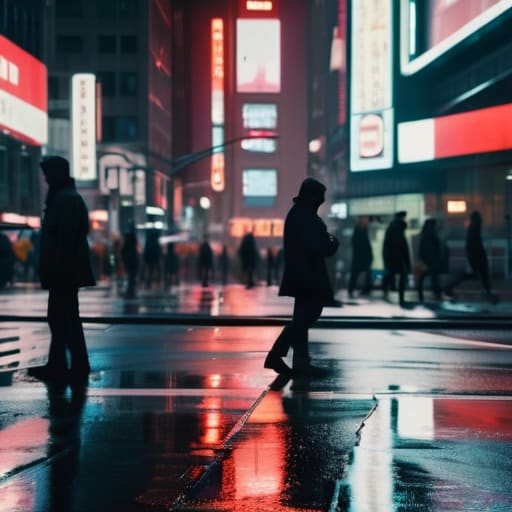
I was sitting on a plastic stool in a humid corner of a Bangkok market last Tuesday, the scent of bruised lemongrass and diesel fumes heavy in the air, when I realized I hadn’t actually tasted anything in weeks. I had been moving through the city like a ghost, checking off landmarks and rushing to the next train, caught in the frantic rhythm of a fast paced life that promised fulfillment but only delivered exhaustion. It’s that strange, hollow feeling where you’re physically present but mentally miles ahead, already worrying about the next flight or the next deadline, while the actual magic of the moment slips right through your fingers like sand.
I’m not here to sell you on some expensive mindfulness retreat or a complicated ten-step morning routine that requires more effort than it saves. Instead, I want to share how I’ve learned to reclaim my senses by focusing on the small, tactile realities of living—like the weight of a well-worn notebook or the slow simmer of a local broth. I’ll be sharing my honest, unfiltered observations on how to find your own steady rhythm, even when the rest of the world refuses to slow down.
Table of Contents
Slowing Down in a Digital Age Through Small Rituals
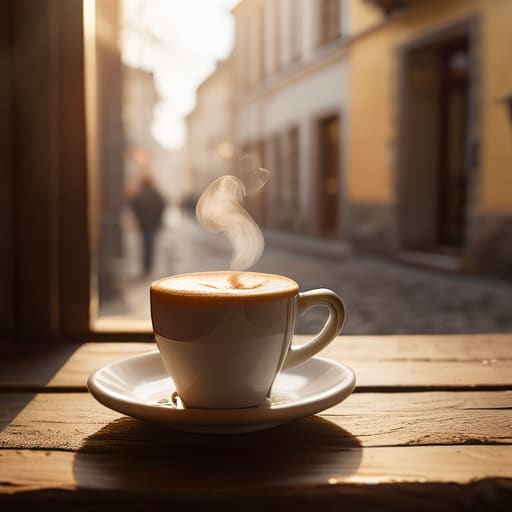
When I’m navigating a new city, my first instinct is often to map out every landmark, my thumb scrolling endlessly through reviews. But lately, I’ve realized that this constant digital tether is just another way of rushing. To find some semblance of mindfulness in modern society, I’ve started implementing tiny, non-negotiable rituals that have nothing to do with a screen. For me, it’s the act of sitting in a corner cafe without my phone, just watching the light shift across the cobblestones and letting the scent of roasted coffee ground me.
These moments aren’t just breaks; they are essential coping mechanisms for burnout when the world feels too loud. Instead of checking my inbox while waiting for a train, I pull out my notebook to jot down the specific, earthy smell of a rain-slicked market or the way a vendor handles their produce. It’s a deliberate choice to prioritize presence over productivity. By focusing on these small, sensory anchors, I’m learning that reclaiming your time doesn’t require a grand gesture—it just requires the courage to be still.
The Fragile Balance of Productivity vs Wellness
I’ve spent a lot of my career sitting in cramped airport lounges or working from noisy corner cafes, trying to hit deadlines while the world blurred past my window. There’s this unspoken pressure, especially in the cities I travel through, to constantly be “on.” We treat our output like a metric to be optimized, often forgetting that we aren’t machines. I’ve realized that the tug-of-war between productivity vs wellness isn’t just a professional hurdle; it’s a deeply personal one. When I push too hard to see everything or write everything, I end up feeling like a ghost in my own life, observing the world through a lens rather than actually tasting it.
Finding healthy coping mechanisms for burnout became a necessity for me when I noticed I was losing my sense of wonder. It’s easy to fall into the trap of thinking that a packed itinerary or a relentless to-do list equals a life well-lived. But lately, I’ve been learning that true efficiency isn’t about doing more; it’s about knowing when to stop. Sometimes, the most productive thing I can do is close my laptop, put away the camera, and simply sit with a cup of tea until it’s cold.
Finding My Footing When the World Moves Too Fast
- Learn the art of the “sensory check-in.” When I feel the frantic hum of a city starting to rattle my nerves, I stop and find one specific scent—usually something grounding like roasted coffee or damp stone—and just breathe it in for a second. It pulls me out of my head and back into my body.
- Stop eating over your laptop. I used to think multitasking was a superpower, but there is something deeply hollow about scrolling through emails while eating a sandwich. Even if it’s just ten minutes, try to actually taste the acidity of the lemon or the crunch of the bread. It’s a small way to reclaim your time.
- Curate your physical surroundings to match your mental needs. My suitcase is minimal, but I always make sure my immediate space feels intentional. A single ceramic bowl or a printed photograph can act as an anchor, reminding you that you aren’t just passing through, but actually living.
- Embrace the “unproductive” walk. We often walk with a destination in mind—the metro station, the cafe, the hotel. Try walking without a map once a week. Let yourself wander into a side street just because the light looks interesting or a market smells like cinnamon. The best stories rarely happen on the direct route.
- Set boundaries with your digital noise. My phone is a tool for my work, but it can also be a thief of presence. I’ve started leaving it in my bag during market visits. If I’m busy documenting the world through my analog camera, I don’t need a screen telling me how to feel about what I’m seeing.
Finding My Own Rhythm
It’s not about doing less, but about being more intentional with the moments that actually nourish us, whether that’s a slow morning coffee or a walk through a local market.
We have to stop treating our lives like a checklist to be completed and start treating them like a series of experiences to be tasted.
True wellness isn’t a destination we reach once we’re “productive” enough; it’s the quiet, daily practice of reclaiming our time from the noise.
The Cost of Moving Too Fast
We spend so much time racing toward the next destination that we forget the most important part of the journey isn’t the arrival, but the scent of the spices in the air and the quiet steam rising from a morning coffee in a city that hasn’t quite woken up yet.
Anouk Verhoeven
Finding Your Own Rhythm
At the end of the day, reclaiming our time isn’t about a massive lifestyle overhaul or moving to a remote cabin in the mountains. It’s about those tiny, intentional pivots we make—the way we choose to put the phone away during a meal, or how we prioritize a quiet morning ritual over an extra hour of mindless scrolling. We’ve talked about the friction between staying productive and staying well, but the truth is that wellness is the ultimate fuel for a meaningful life. When we stop treating our days like a checklist to be conquered and start seeing them as a series of moments to be experienced, the frantic pace of the world starts to lose its grip on us.
I often think back to the street markets I’ve visited, where the chaos is loud but the rhythm is steady. There is a certain grace in learning to move through the rush without becoming part of the noise. My hope for you is that you find your own version of a slow savor amidst the whirlwind. Whether it’s the smell of fresh coffee in a new city or the simple warmth of a home-cooked meal, I hope you remember that you don’t have to keep up with everything to belong. Sometimes, the most productive thing you can do is simply stop and taste the air.
Frequently Asked Questions
How do you actually maintain these small rituals when you're constantly moving between different cities and time zones?
It’s a constant negotiation, honestly. When my “home” is just a backpack, I’ve learned to strip my rituals down to things that don’t require a permanent kitchen. It might be the way I grind coffee beans by hand in a tiny Airbnb, or the specific way I sit in a new park to sketch in my notebook. I don’t need a fixed location; I just need a consistent way to notice the world around me.
Is it possible to stay productive in a career like freelance writing without falling into the trap of constant burnout?
It’s the question that keeps me up in tiny, unfamiliar hotel rooms. Honestly, it’s a constant negotiation. I’ve learned that for me, productivity isn’t about how many words I churn out, but about protecting my sensory bandwidth. If I treat my writing like a factory line, the soul leaves the prose. I stay sane by setting hard boundaries—like closing the laptop when the sun hits a certain angle—to ensure I’m actually living the stories I’m writing.
How do you distinguish between a healthy drive to get things done and the frantic, hollow busyness that actually drains you?
I’ve learned to listen to my body rather than my to-do list. A healthy drive feels like a steady warmth—it’s purposeful, like the focused rhythm of chopping vegetables for a slow stew. It leaves you tired, but satisfied. Frantic busyness, though? That feels like a hollow, vibrating anxiety in my chest. It’s the frantic rush to finish tasks just to feel “productive,” leaving me feeling completely disconnected from the very things I’m doing.
