I was sitting on a rusted plastic stool in a narrow alleyway in Hanoi last spring, the scent of star anise and charred pork drifting from a nearby stall, when a frantic tourist rushed past me, clutching a printed map and looking utterly defeated by a taxi driver’s refusal to turn on the meter. It hit me then: we spend so much time obsessing over “efficient” routes that we completely miss the soul of a place. Most people treat local transportation like a chore to be endured or a math problem to be solved, but when you rely solely on ride-sharing apps and sanitized tour shuttles, you’re essentially viewing the world through a thick pane of glass.
I’m not here to give you a polished itinerary or a list of luxury private transfers that cost more than a week’s worth of groceries. Instead, I want to show you how to embrace the beautiful, messy chaos of moving through a new city. I’ll share the kind of unfiltered, boots-on-the-ground advice I’ve gathered from years of navigating crowded markets and winding backstreets. My goal is to help you find the rhythm of the streets, so you can spend less time worrying about the fare and more time actually living in the places you visit.
Table of Contents
The Quiet Rhythm of Navigating Metropolitan Transit Systems
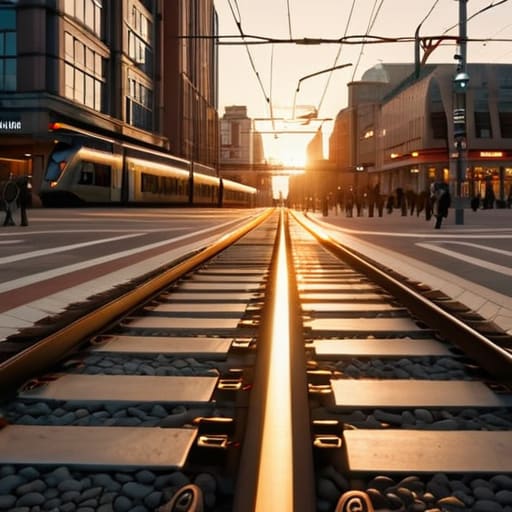
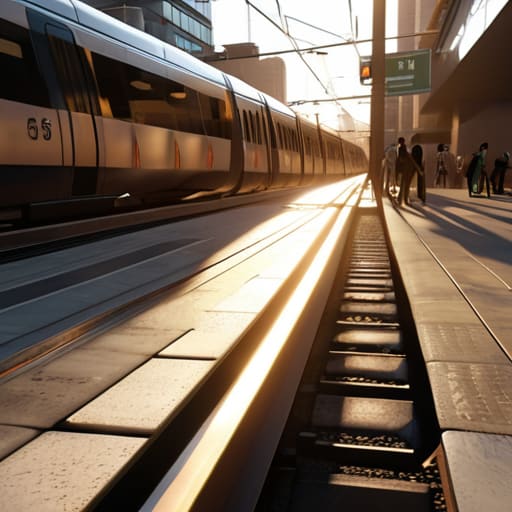
There is a specific kind of magic in the way a city breathes through its veins. When I’m navigating metropolitan transit systems, I’m not just looking for the fastest route from A to B; I’m looking for the pulse of the neighborhood. I love the way the air changes as you move from a sleek, high-speed rail line into the more weathered, rhythmic clatter of a tram. It’s in these transitions that you truly see the layers of a city.
I’ve found that the most rewarding way to experience a new place is to embrace sustainable city travel rather than retreating into the sterile bubble of a ride-share app. There’s a certain intimacy in being part of the collective movement, watching the morning light hit the windows of a subway car as people head toward their daily rituals. While many travelers focus solely on the big hubs, I find that the real soul of a city is often found in the last mile connectivity—those short, walking stretches or local bike paths that bridge the gap between the station and a hidden, sun-drenched bakery.
Sustainable City Travel Through the Eyes of a Local
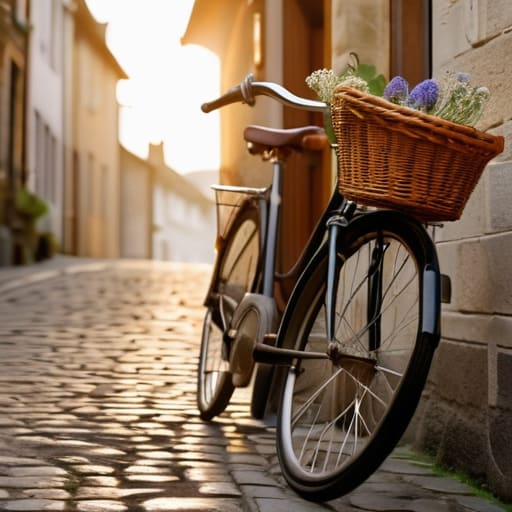
I’ve always found that the most meaningful way to move through a new place is to leave the taxi apps alone. There is a certain grace in opting for sustainable city travel—not because it’s a trend, but because it forces you to slow down and actually witness the landscape. When I rely on walking or cycling, I notice the small things: the way the light hits a specific corner of a plaza, or the scent of roasting coffee drifting from a basement window. It turns a simple transit route into a sensory map.
Of course, getting from a central station to a tucked-away neighborhood often requires more than just a pair of sturdy boots. This is where I look for clever last mile connectivity, like a shared bike scheme or a quick electric scooter ride. These little urban mobility solutions bridge the gap between the grand transit hubs and those hidden, quiet streets where the real magic happens. It’s about finding that delicate balance between moving with purpose and remaining deeply connected to the ground beneath your feet.
Small Lessons from the Transit Seat
- Buy a local transit card instead of single tickets; it’s not just about the money saved, but about the ease of jumping on and off without fumbling for coins while trying to watch the world go by.
- Download the local transit app, but keep a paper map tucked in your bag; technology is great until you’re in a subway station with zero bars and need to find your way back to your guest house.
- Lean toward the slow routes, even if they take twenty minutes longer; the long way around on a tram or a local bus is usually where you spot the best neighborhood bakeries and hidden street art.
- Watch the locals to see which carriage or platform is the “real” one; there’s a certain unspoken etiquette to how people move, and once you catch the rhythm, you feel much less like a stranger.
- Don’t be afraid of a bit of chaos, especially in crowded markets or busy hubs; sometimes getting a little lost in the shuffle of a morning commute is the quickest way to feel the actual pulse of a city.
Small Lessons from the Sidelines
Let go of the need for a perfect itinerary; some of my best memories come from getting slightly lost on a tram and stumbling upon a bakery that smells like heaven.
Observe the small rituals of the locals—the way they hold their coffee or the specific way they navigate a crowded subway platform—to understand the unspoken social fabric of a city.
Prioritize slow movement over speed; when you stop rushing to the next “must-see” landmark, you actually start noticing the textures and scents that make a place feel alive.
The Soul of the Commute
“You can learn more about a city’s true character in the shared silence of a morning tram or the frantic energy of a crowded metro station than you ever could from a guidebook; it’s in these cramped, moving spaces that the city’s real pulse actually beats.”
Anouk Verhoeven
The Slow Way Home
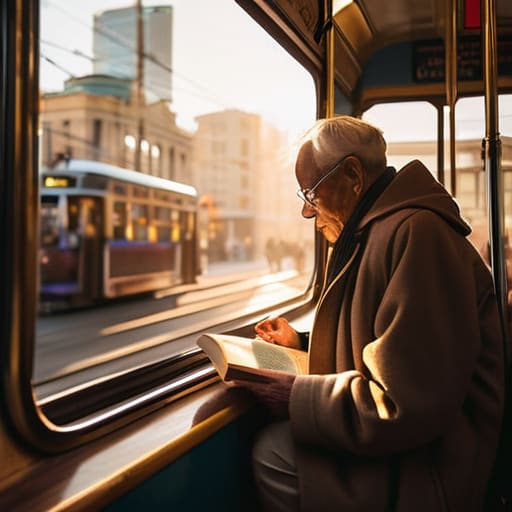
At the end of the day, navigating a new city isn’t about getting from point A to point B as quickly as possible; it’s about the textures we encounter along the way. Whether you’re deciphering a faded subway map or finding your footing on a crowded tram, these transit systems are the circulatory system of the city. By choosing local buses over private cars or skipping the tourist shuttles for the metro, you aren’t just saving money or being more sustainable—you are actively choosing to immerse yourself in the local cadence. You’re trading the sterile comfort of a taxi for the real, unscripted movement of the people who actually live here.
As I pack my bags for the next destination, I find myself looking forward to those moments of slight disorientation that come with a new transit pass. There is a profound, quiet magic in being a stranger on a local train, watching the world blur past the window while you simply exist in the flow. Don’t be afraid to get a little lost or to take the long route just to see where it leads. After all, the most meaningful stories rarely happen at the destination; they happen in the spaces in between.
Frequently Asked Questions
How do I figure out if a local transit app is actually reliable or just a tourist gimmick?
I usually do a quick “vibe check” in the local grocery store or a neighborhood café. I’ll ask someone, “Is this app actually useful, or is it just noise?” People are surprisingly honest when you aren’t asking for directions, just for a recommendation. If the locals aren’t using it to get to work, I don’t trust it. I’d rather rely on a physical map and a bit of intuition than a glitchy interface.
Are there specific times of day when the markets are easier to reach without getting caught in the rush hour crush?
If you want to avoid the midday crush, aim for the “golden window” just after sunrise. I usually try to catch the markets around 7:30 AM; the air is still cool, the light is perfect for my film camera, and you can actually move between stalls without being bumped. By 10:00 AM, the rush hour crowd hits, and the energy shifts from quiet discovery to a frantic, beautiful chaos.
What are the best ways to stay safe and observant while navigating a city's transit system for the first time?
Trust your gut over your GPS. When I’m in a new city, I keep my phone tucked away—staring at a blue dot makes you look like a target and disconnects you from the street’s energy. Instead, I watch how locals stand, where they hold their bags, and which carriages feel “right.” Stay observant, keep your wits about you, and if a station feels off, just step back into the light.
