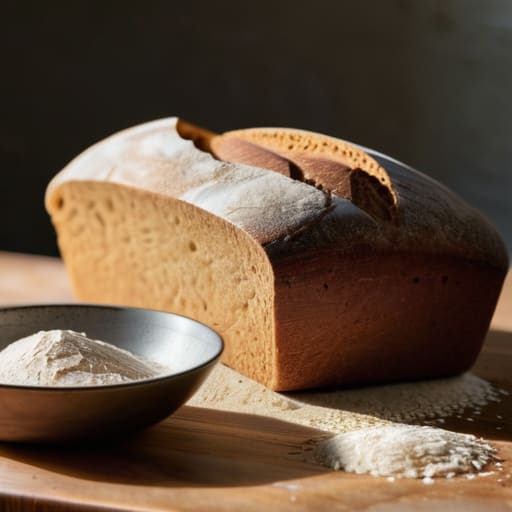
I still remember sitting in a tiny, flour-dusted kitchen in a coastal village outside of Lisbon, watching a local baker struggle to make a simple sourdough substitute. The air was thick with the scent of sea salt and toasted grains, but the bread he produced was a dense, grey brick that looked more like a doorstop than food. It was my first real lesson in the frustration of gluten free baking; I realized then that most of the “specialty” recipes we see online are just expensive, over-engineered attempts to mimic something that should feel natural. We’ve been sold this idea that without wheat, we’re destined to eat dry, crumbly textures and cardboard-flavored substitutes, and frankly, I’m tired of it.
I’m not here to sell you a list of twenty boutique, overpriced flour blends you can only find in high-end health stores. Instead, I want to share what I’ve learned from kitchens all over the world about how to actually work with what you have. My goal is to strip away the hype and focus on the chemistry and the soul of the process. We’re going to talk about real textures, honest ingredients, and how to find the rhythm of gluten free baking without losing the joy of a warm, soft loaf.
Table of Contents
The Alchemy of Alternative Grain Flours and Local Textures
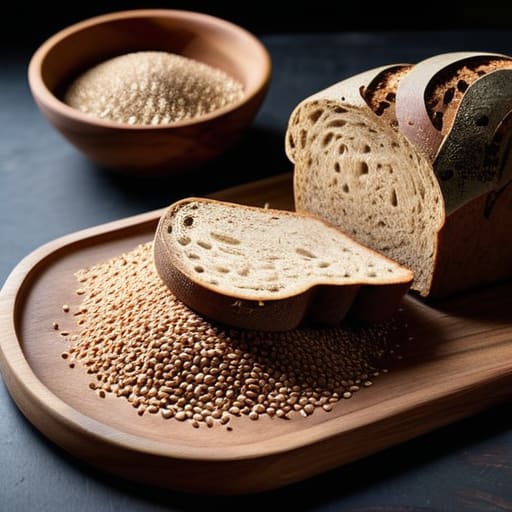
When I was wandering through a small village in the highlands of Peru, I watched an elderly woman sift buckwheat through a hand-woven sieve. It wasn’t just a task; it felt like a ritual. That experience stayed with me, especially as I began experimenting with alternative grain flours in my own kitchen. Unlike the uniform, bleached powders we’re used to, these local grains—teff, buckwheat, or even sorghum—bring a gritty, soulful character to a loaf. They don’t just replace wheat; they redefine the entire flavor profile, adding notes of nuttiness and earth that a standard mix simply can’t mimic.
However, moving away from wheat means navigating a different kind of chemistry. Without that elastic protein, you’re essentially playing architect with textures. I’ve spent many late nights in dimly lit rentals trying to master the xanthan gum function, learning exactly how much is needed to prevent a cake from crumbling into a heap of delicious dust. It’s a delicate balance of using the right binding agents in baking to mimic that elusive stretch. It’s less about following a rigid formula and more about feeling out the moisture, much like how I try to sense the rhythm of a new city.
Finding Balance With Binding Agents in Baking
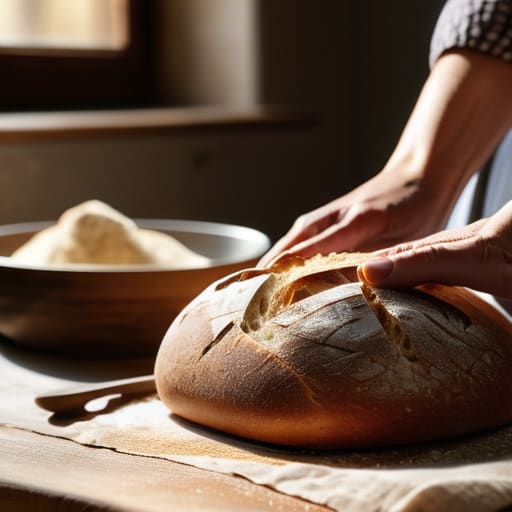
When I first started experimenting with different regional grains, I quickly realized that without the elastic structure of wheat, my loaves often felt more like dense stones than airy bread. It’s a frustrating rite of passage. I spent many afternoons in tiny kitchens across Europe, watching how local bakers managed textures without traditional proteins. The secret, I found, lies in understanding the xanthan gum function and how it mimics that elusive stretch. It’s not just about adding a powder; it’s about finding the right ratio to ensure your bake doesn’t crumble the moment it hits the plate.
I’ve learned that improving gluten free crumb is a delicate dance between moisture and stability. Sometimes, a bit of psyllium husk or even a well-aged sourdough starter can do more for the structure than any store-bought mix. I like to think of binding agents in baking as the invisible glue that holds the story of the grain together. When you get that balance right, you aren’t just making a substitute; you’re creating something that stands entirely on its own merits.
Small Adjustments for a Better Crumb
- Don’t trust the bag blindly; I’ve learned that every blend has its own personality, so always weigh your flour with a scale rather than using cups to avoid a heavy, dense result.
- Let your batter rest for at least thirty minutes before it hits the oven, which gives those thirsty alternative flours time to fully hydrate and prevents that gritty, sandy texture.
- Keep a close eye on your moisture levels, as gluten-free flours tend to soak up more liquid than wheat, so don’t be afraid to add an extra splash of milk or a bit more oil if the mix looks too stiff.
- Experiment with different temperatures; sometimes a slightly higher heat for a shorter burst helps create that golden crust that’s often missing when you aren’t working with gluten.
- Invest in a good quality xanthan gum if your blend doesn’t already include it, as it acts like the invisible glue that holds your delicate structures together while they bake.
Lessons from the Flour and the Fire
Stop chasing perfection and start embracing the unique character of local, gluten-free grains; the slight grit or earthy scent of a regional flour is where the real soul of the bake lives.
Treat binding agents like a delicate recipe of proportions rather than a rulebook, adjusting based on how the humidity of your current city or the moisture of your ingredients feels in the moment.
Trust your senses—the smell of the dough and the way it yields under your hands will tell you more about the bake than any rigid, gluten-heavy instruction manual ever could.
The Heart of the Crumb
“Gluten-free baking isn’t about replicating a lost standard; it’s about learning the unique language of new grains—the way a local buckwheat or a handful of toasted millet can tell a story that white flour never could.”
Anouk Verhoeven
The Heart of the Kitchen
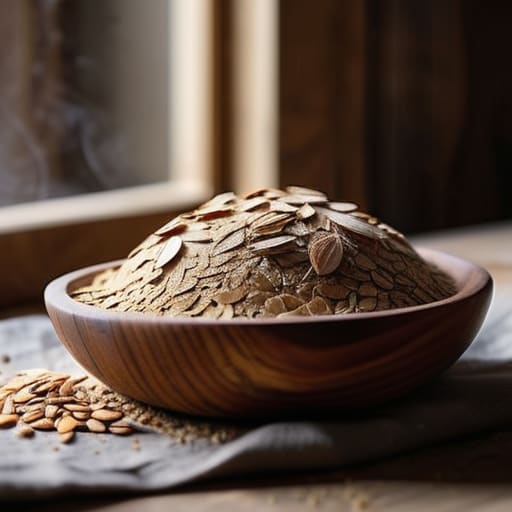
Ultimately, mastering gluten-free baking isn’t about strictly following a rigid formula or mourning the absence of wheat; it’s about learning to dance with the ingredients you actually have. We’ve looked at how the right blend of alternative flours can mimic that elusive, rustic texture, and how a little bit of psyllium husk or flax can act as the invisible glue holding your creation together. It takes a bit of trial and error—and usually a few heavy, dense loaves—to find that sweet spot where science meets intuition. But once you understand the alchemy of these substitutes, you stop trying to replicate the past and start embracing a new kind of deliciousness.
At the end of the day, I think we bake because we want to nourish ourselves and the people around us. Whether I’m using a specialized flour blend I found in a coastal village or just experimenting with what’s in my pantry in a tiny city apartment, the goal remains the same: connection. Don’t let the fear of a failed rise keep you from the oven. Instead, lean into the messy, imperfect process of discovery. Because when you finally pull a warm, fragrant loaf out of the oven, you aren’t just serving bread; you are sharing a piece of your own story, one handmade crumb at a time.
Frequently Asked Questions
How can I replicate that specific, chewy texture of sourdough without the structure that gluten usually provides?
That’s the million-dollar question, isn’t it? I spent a long time chasing that specific, bouncy chew in a tiny kitchen in Copenhagen before I figured it out. Since you can’t rely on gluten for that structural “stretch,” I’ve found that a combination of psyllium husk and a high-hydration dough is the secret. The psyllium creates a gel-like structure that mimics the elasticity, while the extra moisture keeps the crumb from turning into something overly dense or crumbly.
Are there certain local or heirloom grains I should look for that naturally mimic the mouthfeel of wheat?
I’ve spent many mornings in small European markets asking old bakers about this, and the answer usually lies in the “forgotten” grains. If you can find teff, its tiny, nutty texture is a miracle for structure. I also swear by buckwheat—it’s earthy and dense, much like rye. In certain regions, sorghum is becoming a staple again; it has a mildness that really helps mimic that familiar, comforting wheat mouthfeel without being overwhelming.
When I'm traveling and trying to bake in a shared kitchen, what are the absolute essentials I need to carry to avoid cross-contamination?
Packing for a shared kitchen is a bit of a ritual for me. I never travel without my own small silicone mat—it’s my personal “safe zone” for rolling dough. I also tuck a dedicated set of wooden spoons and a small, airtight container for my flour blends into my kit. It’s not about being difficult; it’s about peace of mind so I can actually focus on the scent of the yeast instead of worrying about crumbs.
