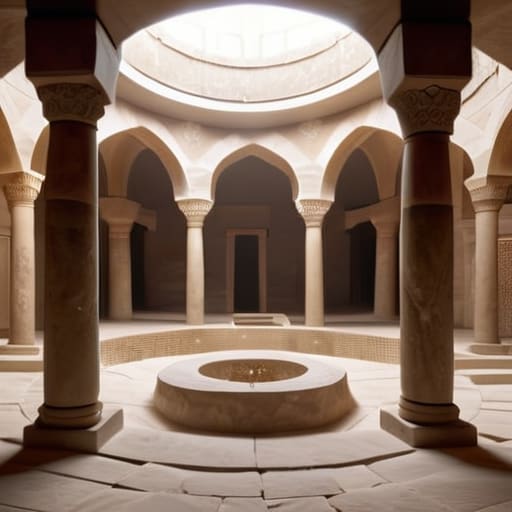
I can still smell it if I close my eyes: the thick, heavy scent of eucalyptus and the damp, mineral tang of wet marble. I remember sitting on a heated stone in a dim corner of a neighborhood hamam in Istanbul, feeling completely stripped of my traveler’s ego. Most guidebooks will try to sell you on these ultra-luxury, gold-plated spa experiences that feel more like a sterile hotel lobby than a living tradition. But that’s not where the heartbeat of turkish bath culture actually lives. The real magic isn’t in the overpriced rose-water scrubs; it’s in the rhythmic slap of soap suds and the low hum of local gossip echoing against high, domed ceilings.
I’m not here to give you a polished brochure or a list of “must-visit” tourist traps that drain your wallet. Instead, I want to take you into the steam. I’ll share what it’s actually like to navigate a local bathhouse, from the etiquette of the massage to finding those quiet, unassuming spots where the community actually gathers. This is about understanding the ritual, not just the relaxation.
Table of Contents
Tracing the Historical Significance of Turkish Baths
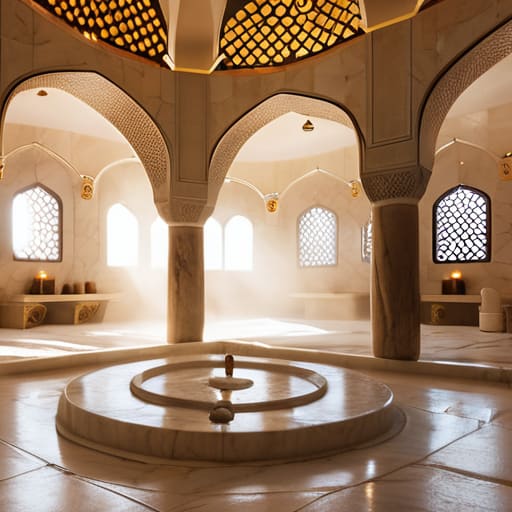
To understand why these marble halls feel so heavy with importance, you have to look past the steam. These aren’t just places to wash; they are the architectural remnants of an empire. When I walk into an older bathhouse, I can almost feel the weight of the traditional ottoman bathing rituals that have played out on these same heated stones for centuries. In the Ottoman era, the hammam was the heartbeat of the community—a place where social hierarchies blurred under a thick layer of mist.
It’s fascinating how the design itself dictates the rhythm of your visit. The transition from the cold room to the warm, and finally the hot chamber, mirrors a slow, intentional descent into stillness. This wasn’t just about hygiene; it was about a spiritual purification that shaped the very fabric of urban life. Even today, when you see the intricate tilework or the way the light filters through the dome’s eyelets, you realize the historical significance of turkish baths lies in their ability to turn a mundane necessity into a communal art form.
Traditional Ottoman Bathing Rituals Beyond the Tourist Path
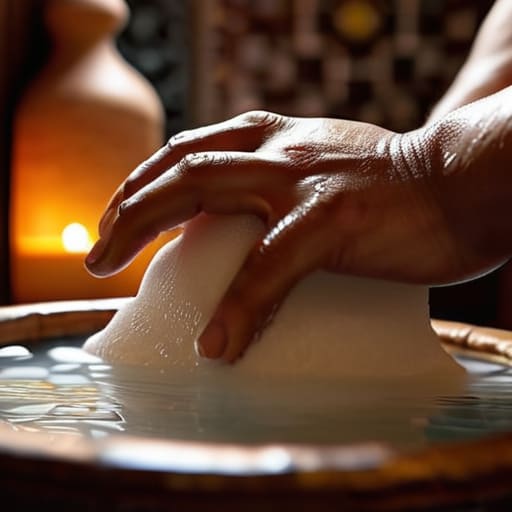
While the polished marble of the high-end hotels is tempting, I’ve always found that the true heart of the experience lies in the neighborhood hamams where the steam is thicker and the pace is slower. There is a specific rhythm to the traditional ottoman bathing rituals that you won’t find in a brochure. It starts with the slow acclimation to the heat, followed by the intense, rhythmic application of kese and sabun massage techniques. As the attendant works the coarse mitt against your skin, you realize this isn’t just about cleanliness; it’s a physical shedding of the city’s grit and your own mental clutter.
There is also a subtle social choreography at play that most visitors miss. Learning the unspoken turkish bath etiquette for travelers—like knowing when to offer a quiet nod to a stranger or how to navigate the shared warmth of the heated stone—makes you feel less like an observer and more like a participant. In these spaces, the distinction between “tourist” and “local” blurs under a layer of soap suds, leaving you with nothing but a profound sense of being truly present.
How to Not Feel Like a Total Outsider: My Little Hamam Survival Guide
- Leave your phone in your bag—and honestly, just leave it in your locker. There’s something incredibly jarring about seeing a glowing screen against the ancient marble. This is a place for sensory reset, not for scrolling.
- Embrace the nudity, but keep it dignified. Most traditional places provide a peştemal (a thin, fringed towel) to wrap around you. Use it. It’s the universal uniform of the bath, and it helps you feel less exposed while you’re navigating the steam.
- Don’t rush the scrub. The kese (exfoliation) can feel a bit intense if you’re not used to it, but resist the urge to flinch. Let the attendant do their work; it’s a deep, honest kind of clean that you just can’t replicate in a hotel shower.
- Listen to the acoustics. The way sound bounces off the high, domed ceilings is mesmerizing. Instead of bringing headphones, just sit in the warmth and listen to the muffled echoes of splashing water and low conversations. It’s the heartbeat of the building.
- Follow the tea ritual. Once you’re finished and feeling that heavy, post-steam lethargy, don’t just bolt for the exit. Sit in the lounge area and sip some hot tea. It’s the bridge between the ritual and returning to the real world, and it’s where the quietest observations happen.
What I’ve Learned from the Steam
The true value of a hamam isn’t in the luxury of the marble, but in the slow, shared rhythm of a space where everyone—regardless of status—is stripped down to their simplest self.
To find the authentic heart of the ritual, you have to step away from the polished hotel spas and look for the neighborhood spots where the scent of olive oil soap and the sound of local chatter feel more like home than a destination.
Understanding the bath is about more than just hygiene; it’s about recognizing how water and heat have acted as a social glue for centuries, turning a simple cleanse into a profound act of community.
More Than Just Steam
“You realize pretty quickly that a hamam isn’t just about the scrub or the heat; it’s about that rare, suspended moment where the frantic pace of the city outside just stops, and you’re left with nothing but the scent of eucalyptus and the quiet rhythm of people simply being human together.”
Anouk Verhoeven
More Than Just a Soak
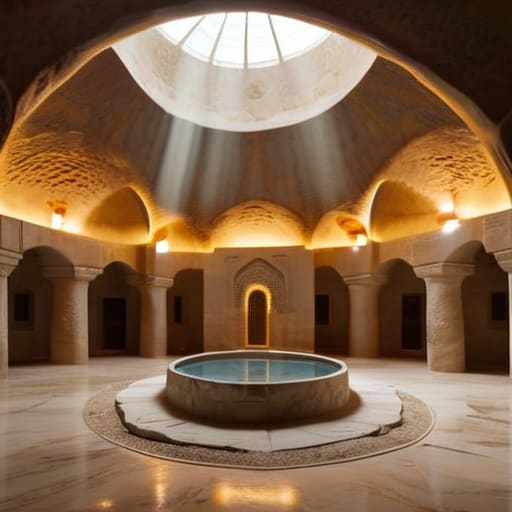
As I sit here in a small cafe near the Sultanahmet, the scent of eucalyptus still clinging to my skin, I realize that a Turkish bath is never just about the physical cleaning. It is a layered experience that weaves together centuries of Ottoman history, the meticulous rhythm of traditional rituals, and the simple, unhurried pace of local life. From the grand, domed architecture that demands your silence to the steam-filled corners where strangers share a quiet moment of repose, these spaces serve as a living bridge between the past and the present. When you step away from the polished hotel spas and into these weathered, stone sanctuaries, you aren’t just a tourist; you are participating in a deeply human ritual of renewal that has survived the test of time.
Ultimately, traveling isn’t about checking monuments off a list; it’s about these sensory, slow-motion encounters that ground us. The next time you find yourself in a new city, I hope you resist the urge to rush. Seek out the places where the air is heavy with steam and the only requirement is to simply exist. Whether it’s a bustling market or a neighborhood hamam, the most profound stories are often found in the quietest spaces. Let the world wash over you, and remember that sometimes, the best way to find yourself is to get lost in the steam.
Frequently Asked Questions
How do I know if a local hamam is a respectful place to visit or just a setup for tourists?
Look for the lack of English menus and polished marketing. If you see families chatting in corners or older men playing backgammon in the lounge, you’re in the right place. A real hamam isn’t a “spa experience”; it’s a communal rhythm. If the air smells of simple olive oil soap rather than expensive lavender oils, and the staff treats you with a sort of polite indifference rather than eager service, you’ve found a sanctuary, not a trap.
Is there a specific etiquette I should follow regarding clothing or how to interact with the attendants?
It’s less about strict rules and more about a quiet, shared respect. Most people bring a peştemal—a thin, fringed cotton towel—but the hamams usually provide them. I always pack my own just to feel a bit more grounded. As for the attendants, a simple, polite nod goes a long way. They aren’t there to perform; they’re there to work. Just follow their lead, keep your movements calm, and let the rhythm of the room guide you.
What should I actually expect to happen during a traditional scrub—is it as intense as it sounds?
Honestly? It’s a bit of a shock to the system. You’ll be wrapped in a warm, damp cloth, and then comes the kese—that coarse mitt. It’s not a gentle spa massage; it’s an intense, rhythmic exfoliation that feels like it’s peeling away layers of your very soul. You’ll see dead skin rolling off in clumps, which is slightly mortifying, but once the soap suds follow, you feel lighter than air.
