I was standing in a queue in Rome last summer, surrounded by hundreds of people clutching guidebooks and staring at their phones, waiting three hours just to glimpse a crumbling pillar. It hit me then that we’ve turned visiting cultural heritage sites into this performative, checklist-driven chore. We spend so much energy trying to “see” the monuments that we completely miss the living pulse of the places they actually inhabit. Most people think a heritage site is just a stone structure with a plaque, but if you’re only looking at the architecture, you’re missing the entire point of why these places matter in the first place.
I’m not here to give you a curated list of the most Instagrammable ruins or the most expensive museum tours. Instead, I want to show you how to find the real stories that exist in the shadows of these landmarks—the way a centuries-old recipe survives in the tiny bakery next to a cathedral, or how a local market breathes life into an ancient plaza. I promise to share my honest, no-nonsense approach to navigating these spaces so you can stop being a tourist and start actually feeling the history.
Table of Contents
Beyond Unesco World Heritage Landmarks and Stone Walls
It’s easy to get caught up in the checklist of UNESCO World Heritage landmarks, the kind of places where you spend more time adjusting your camera lens than actually looking. While there is undeniable value in preserving historical monuments, I’ve found that the true pulse of a place often beats far away from the velvet ropes and ticket booths. When we focus solely on the grand architecture, we sometimes miss the living, breathing history that exists in the cracks of the pavement.
For me, the real magic lies in the indigenous cultural landscapes—the way a community still uses a specific ancient technique to ferment vegetables or how a village gathers around a communal oven. These aren’t just relics to be dusted off; they are active, evolving traditions. I’ve learned that while the archaeological significance of sites tells us where a people have been, it’s the small, unscripted interactions in a neighborhood kitchen that tell us who they are right now. To truly understand a culture, you have to look past the stone walls and listen to the stories being told over a shared meal.
Tracing the Archaeological Significance of Ancient Kitchens
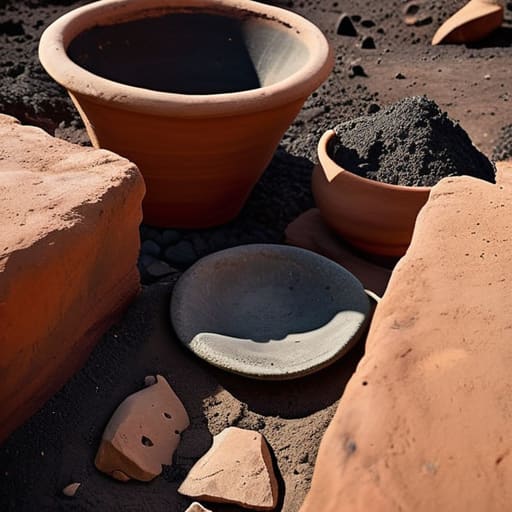
When I think about the archaeological significance of sites, my mind doesn’t drift toward the towering temples or the pristine marble columns we see in textbooks. Instead, I find myself drawn to the charred remains of ancient hearths and the scattered shards of clay cooking pots. There is something incredibly intimate about a kitchen that has survived millennia. These aren’t just ruins; they are the blueprints of how people actually lived, breathed, and fed their families.
While much of the global focus remains on preserving historical monuments that define a nation’s skyline, we often overlook the domestic spaces that truly shaped human connection. Studying these ancient cooking areas tells us more about social hierarchies and seasonal migrations than any grand palace ever could. It’s in these small, soot-stained corners that we find the true indigenous cultural landscapes—the way a specific spice or a particular method of grinding grain connected a community to the land around them. To me, a broken ceramic bowl found in a trench is just as vital to our story as any gilded throne.
How to actually "see" a place without feeling like a tourist
- Follow your nose, not the guidebook. While everyone is queuing for the landmark monument, I find the real history in the small, unassuming stalls nearby. If the smell of roasting spices or fermenting dough is strong, you’ve found a living connection to the past.
- Look for the “layers” of a city. I like to think of heritage as more than just old stones; it’s the way a modern bakery sits in a building that’s been there for three centuries. Don’t just look at the architecture, look at how people are still using it today.
- Sit still for twenty minutes. One of my favorite things to do is grab a coffee at a corner cafe near a historic site and just watch. You’ll see how the locals navigate their history—it’s rarely a museum piece to them, it’s just their backyard.
- Talk to the people who work there, not just the tour guides. The person selling heirloom vegetables or the owner of a tiny family-run bistro usually knows more about the soul of a neighborhood than any plaque on a wall.
- Keep a sensory log. I always carry my notebook to jot down the specific scents or sounds of a site—the way a certain market smells after rain or the rhythm of a street vendor’s call. These small, fleeting details are what actually make a place stick in your memory.
Finding the Heartbeat of a Place
Stop chasing the perfect photo of a monument and start looking for the steam rising from a street vendor’s pot; that’s where the real history lives.
True cultural heritage isn’t just found in museums or under glass; it’s preserved in the hands of a grandmother teaching her grandson how to fold dough in a crowded kitchen.
To truly understand a civilization, look past the grand architecture and study its flavors, because the ingredients people choose to eat tell a much more intimate story than any stone wall ever could.
More Than Just Ruins
We spend so much time staring at the grand, silent monuments that we forget history isn’t just etched in stone; it’s living in the steam of a street vendor’s pot and the shared rhythm of a morning market.
Anouk Verhoeven
Finding the Heartbeat of History
When we strip away the heavy guidebooks and the long lines at the major monuments, we’re left with something much more intimate. We’ve seen how the grand architecture of a city is only half the story; the true heritage lies in the unbroken lineage of a recipe passed down through generations or the way a specific spice still defines a neighborhood’s scent. By looking at the archaeological remnants of ancient hearths alongside the bustling, modern-day street stalls, we realize that cultural heritage isn’t just something preserved behind glass in a museum. It is a living, breathing entity that survives in the steam of a soup bowl and the shared rhythm of a morning market.
So, the next time you find yourself standing before a massive, ancient ruin, take a breath and then turn around. Look for the small, unassuming corner where people are actually living their lives. Seek out the kitchens, the communal tables, and the local flavors that refuse to be sanitized for tourists. If you want to truly honor the history of a place, don’t just look at its stones—taste its soul. Travel isn’t about checking off a list of famous landmarks; it’s about finding those quiet, sensory connections that make you feel, even if just for a moment, that you are finally part of the story.
Frequently Asked Questions
How do you distinguish between a site that's actually culturally significant and one that's just been polished up for the tourist crowds?
It’s a fine line. I usually look for the “scuff marks”—the places that feel a little lived-in, maybe even a bit messy. If a site feels too curated, like a stage set where everything is perfectly placed for a photo op, I start to lose interest. I look for the friction: the local grandmother buying spices at the edge of a ruin, or the way the air smells of real smoke rather than just polished stone.
If the most important history is often found in small, unrecorded kitchens, how can we help preserve these "invisible" heritage sites before they disappear?
We preserve them by paying attention. We need to stop looking only at the grand architecture and start documenting the living traditions—the way a grandmother in a coastal village folds dough, or the specific scent of a spice blend unique to one street corner. Buy from the small vendors, write down their stories, and share them. If we don’t treat these fleeting, sensory rituals as history, they’ll vanish along with the people who hold them.
Is it possible to visit these ancient locations without feeling like I'm just another spectator in a museum?
It’s a valid fear. The moment a site feels like a sterile museum, you lose the connection. To avoid being just another spectator, stop looking up at the ruins and start looking at the ground—or the people. Find the small, unscripted moments: the way the light hits a crumbling courtyard at dusk, or the vendor selling honey nearby. If you engage with the living pulse around the history, you’re a participant, not just a witness.
