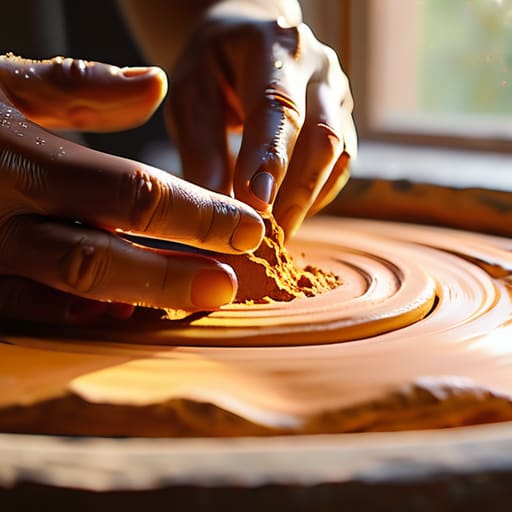
I remember sitting on a plastic stool in a humid market in Hanoi last summer, the scent of star anise and charred ginger thick in the air, trying to force myself to “find my muse” through a heavy, expensive sketchbook I’d bought in a fit of inspiration. I felt like a fraud. We’ve been sold this idea that creative outlets have to be these grand, polished performances—something you buy a subscription for or master with a curated set of tools—but that’s just not true. In reality, creativity isn’t a luxury item; it’s a way of noticing the world when everything else feels like it’s moving too fast.
I’m not here to give you a list of expensive hobbies or tell you how to become a virtuoso overnight. Instead, I want to talk about how we can find small, messy, and deeply personal ways to reconnect with ourselves. I’ll be sharing what I’ve learned from years of living out of a suitcase: how to use simple, everyday rituals as creative outlets that actually feed your soul without requiring a studio or a massive budget. Let’s skip the hype and get back to the real work of being human.
Table of Contents
Finding Passion Through Hobbies in Quiet Corners
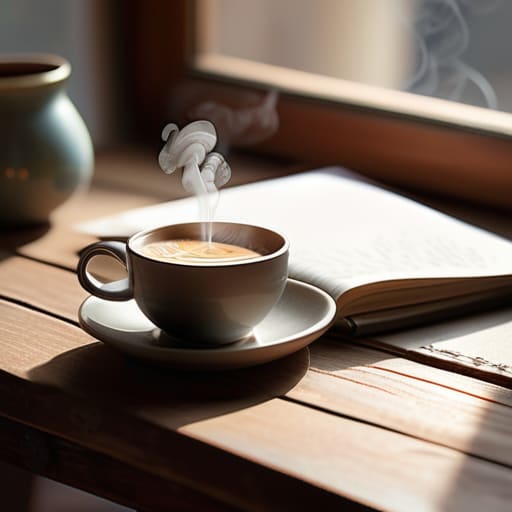
I’ve always found that the most profound shifts in my perspective don’t happen during grand adventures, but in the stillness of a Tuesday afternoon in a new city. There is a specific kind of magic in sitting in a corner cafe, not to work, but to simply be. I often find myself reaching for my notebook, not to write a deadline-driven piece, but to sketch the way the steam curls off a cup of cardamom coffee. This practice of creative mindfulness techniques has become my anchor; it turns a moment of solitude into a moment of connection.
When the noise of travel—the transit schedules, the language barriers, the constant movement—starts to feel heavy, I lean into these small, tactile rituals. Whether it’s the rhythmic clicking of my analog camera or the scent of spices recorded in my journal, these acts provide significant artistic expression for stress relief. It isn’t about producing something “good” for an audience. Instead, it’s about the quiet joy of finding passion through hobbies that require nothing from you but your presence. It’s in these unhurried pockets of time that I truly begin to feel at home.
The Cognitive Benefits of Creative Activities for the Soul
There’s a specific kind of mental fog that settles in when you’ve spent too much time staring at a screen or navigating the frantic pace of a new city. I’ve felt it many times, usually right before a long train ride or a particularly lonely stretch of travel. For me, picking up my old Leica or even just scribbling notes about the scent of toasted cumin in a Marrakech stall acts as a tether. It isn’t about producing a masterpiece; it’s about the cognitive benefits of creative activities that force your brain to slow down and actually observe. When you focus on the grain of a photo or the curve of a handwritten letter, the noise of the world starts to recede.
I’ve found that these moments function as a form of artistic expression for stress relief, turning what could be overwhelming sensory input into something manageable and beautiful. It’s a way of processing the chaos. Instead of letting the pace of travel burn me out, I use these small, intentional acts to find my center again. It’s less about the “output” and more about the quiet, internal shift that happens when you stop consuming and start creating.
Small Ways to Invite Creativity Back into Your Routine
- Stop aiming for a masterpiece. I used to think my analog photography had to capture something profound, but lately, I’ve found more joy in just documenting the way steam rises from a bowl of noodles in a dim alleyway. Let your outlet be messy and purposeless.
- Follow your senses, not a tutorial. If you want to try cooking, don’t reach for a recipe immediately. Instead, go to the market, smell the bruised herbs, and let the scent of toasted cumin dictate what you make that night.
- Keep a dedicated space for your “small things.” For me, it’s a tiny, battered notebook that lives in my jacket pocket. Having a specific place to record fleeting thoughts or smells makes the act of observing feel like an intentional ritual rather than a distraction.
- Limit your tools to reduce the noise. There is a certain paralysis that comes with having too many options. Try working with just one medium—a single pen, one type of clay, or one specific spice—to help you focus on the texture of the experience itself.
- Look for the rhythm in the mundane. Creativity isn’t always about a grand gesture; sometimes it’s about noticing the repetitive motion of a baker kneading dough or the specific way the light shifts in your kitchen at 4 PM. Learning to see these patterns is the first step to creating something of your own.
Small Lessons from the Sidewalk
Creativity isn’t about producing a masterpiece; it’s about the quiet way you notice the world, whether that’s through a camera lens or the scent of a spice market.
Engaging in a hobby acts as an anchor, providing a sense of home and stability even when you’re living out of a suitcase in a new city.
True fulfillment comes from pursuing activities that feed your curiosity rather than those that simply fill your schedule or look good on a screen.
## The Texture of Creation
“A creative outlet isn’t about producing something perfect to show the world; it’s about that quiet, frantic moment when your hands are busy and your mind finally stops racing, leaving you alone with the scent of rain on hot pavement or the way a spice market breathes.”
Anouk Verhoeven
Finding Your Own Rhythm
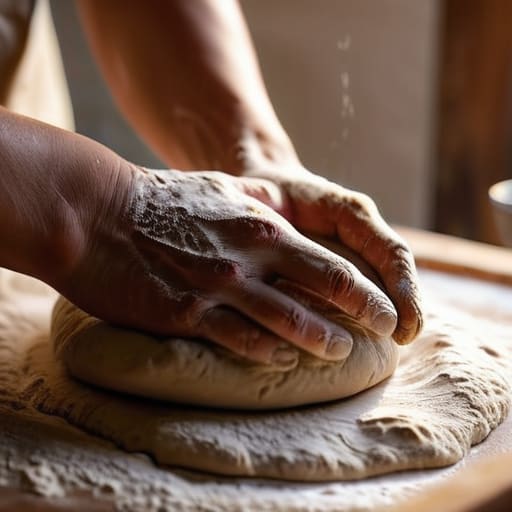
Looking back at everything we’ve discussed, it’s clear that creative outlets aren’t just about the final product or having a “talent.” Whether it’s the mental clarity that comes from the repetitive motion of kneading dough or the way a hobby allows us to reclaim our focus in a world that constantly demands our attention, these activities serve as a vital bridge to ourselves. We’ve seen how finding passion in those quiet, overlooked corners can ground us, and how the cognitive benefits of creating can act as a balm for a weary spirit. At the end of the day, creativity is less about being an “artist” and more about protecting your internal landscape from the noise of the everyday.
So, my advice is to stop waiting for the perfect moment or the expensive equipment to begin. You don’t need a studio; you just need a small, dedicated space in your life where you are allowed to be imperfect. Pick up the pen, try the recipe, or simply sit and observe the way the light shifts across your kitchen table. When we make time for these small, intentional acts, we aren’t just passing time—we are learning how to truly live within it. Go find your flavor, however messy or quiet it might be.
Frequently Asked Questions
How do you keep up with a creative practice when you're constantly moving between cities and living out of a suitcase?
Honestly, it’s a constant negotiation with my luggage. I’ve learned to ditch the heavy gear for things that fit in the margins of my life. For me, that means my analog camera and my notebook. When I’m moving, my “practice” isn’t about grand gestures; it’s about the small, tactile things—like sitting in a sunlit corner of a new cafe and documenting the scent of roasted cardamom. It’s about staying observant, even when I’m unsettled.
Do you think it's possible to find a sense of creative flow in everyday chores, or do we need dedicated "hobby time" to actually feel the benefits?
I actually think the distinction is a bit of a myth. When I’m peeling garlic for a slow-simmering ragu or organizing my film rolls by ISO, I’m not “working”—I’m present. There’s a rhythm to chores that, if you stop rushing through them, becomes a form of meditation. You don’t always need a dedicated studio session to find flow; sometimes, it’s just about finding the poetry in the repetitive, mundane motions of living.
For someone who feels they aren't "artistic," how can they start exploring creative outlets without it feeling like another stressful task on a to-do list?
Stop trying to make “art” happen. When I first picked up my film camera, I felt like a fraud because I couldn’t compose a perfect shot. The trick is to strip away the expectation of a finished product. Don’t aim for a masterpiece; just aim for curiosity. Try something low-stakes, like jotting down the scent of a spice stall or sketching a coffee cup. If it feels like work, stop. Creativity should be a sanctuary, not a chore.
