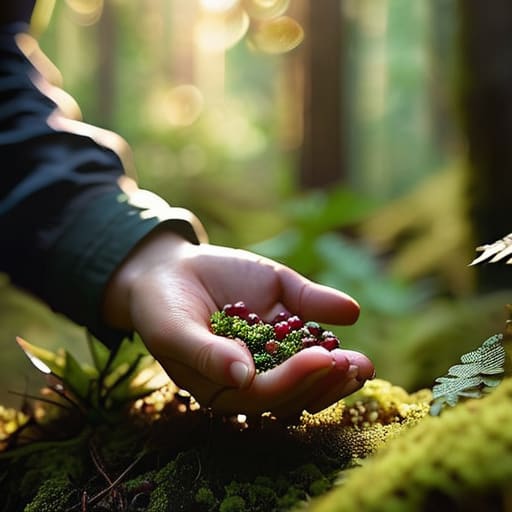
I remember sitting on a damp mossy log in the outskirts of Brittany, my fingers stained green and my notebook open, trying to reconcile the intense, peppery scent of wild garlic with the sterile, plastic-wrapped versions sold in the city supermarkets. There is a specific kind of magic in finding something edible just because you knew where to look, but most people treat foraging basics like some high-stakes, academic pursuit involving expensive field guides and heavy gear. I’ve seen too many “experts” turn a simple walk in the woods into an intimidating science project, stripping away the quiet connection between the earth and our plates.
I’m not here to give you a lecture or a list of overly complicated botanical Latin. Instead, I want to share the intuitive, grounded approach I’ve gathered from years of wandering through markets and wild landscapes alike. We’re going to strip away the pretension and focus on the real-world skills you actually need to identify seasonal treasures with confidence. My goal is to help you move past the fear and start seeing the landscape not just as scenery, but as a living, breathing pantry.
Table of Contents
Mastering Edible Plant Identification in Local Fields
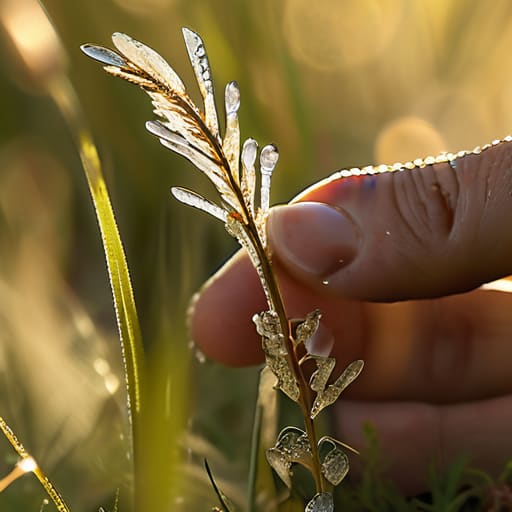
When I first started exploring the edges of the countryside, I made the mistake of thinking a quick glance would suffice. It doesn’t. True edible plant identification requires a certain kind of patience—the kind where you actually sit in the tall grass and observe how a leaf curls or how the stem feels against your thumb. I’ve learned that you can’t just skim the surface; you have to look for the tiny, specific markers that separate a delicious wild herb from something that might make you very ill.
I always keep a small, weathered field guide in my bag, but even then, I rely heavily on my senses. I’ve found that identifying seasonal wild edibles is as much about timing as it is about sight. A plant might look one way in the dampness of early spring and completely different under the August sun. Before you ever consider tasting anything, make sure you can identify at least three distinct characteristics of the plant. It’s about building a deep, tactile familiarity with the land, ensuring that every bite is a way of connecting with the earth, rather than a gamble.
Safe Foraging Practices for the Curious Wanderer
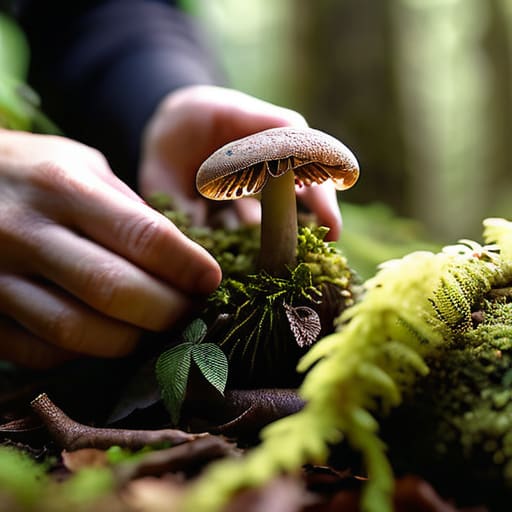
There’s a certain thrill in finding something wild and delicious, but I’ve learned the hard way that enthusiasm should never outpace caution. Before you ever let anything touch your plate, you need to be absolutely certain of your edible plant identification. I always tell my friends that if there is even a shadow of a doubt—if a leaf looks slightly “off” or the texture feels unfamiliar—you leave it exactly where it is. It’s better to go home with an empty basket than a heavy heart.
When I’m out in the field, I keep my kit simple. I don’t need much beyond a sharp knife and a breathable canvas bag, but investing in a few quality foraging tools and equipment makes the process much more respectful to the environment. I try to follow a “one-third rule”: take a third for yourself, leave a third for the wildlife, and leave the rest to ensure the plant can regenerate. It’s all about sustainable harvesting techniques that honor the land rather than just stripping it bare. We are guests in these ecosystems, after all.
Small Lessons from the Dirt: My Five Rules of Thumb
- Never trust a half-finished thought; if you aren’t 100% certain about a plant’s identity, leave it exactly where it is. There is no room for “maybe” when it comes to what ends up on your plate.
- Bring a physical field guide that you can actually get dirty. Apps are fine for a quick glance, but nothing beats the tactile feeling of flipping through weathered pages while sitting in the damp grass.
- Respect the “one-tenth” rule. Only take a small handful of what you find to ensure the local ecosystem—and the next person wandering by—has plenty left to thrive.
- Wash everything twice, and then a third time. Even if a patch of wild greens looks pristine, you never know what’s lingering in the soil or what a stray dog might have left behind.
- Pay attention to the context, not just the leaf. A plant’s location, the soil it’s hugging, and the way it smells in the sun tell a much deeper story than a simple diagram ever could.
Small Lessons from the Soil
Never rush the identification process; if you aren’t 100% sure about a plant, leave it where it is. I’ve learned that a single mistake can turn a beautiful afternoon into a hospital visit, and no wild meal is worth that risk.
Respect the ecosystem by only taking what you need and never stripping a single patch bare. Foraging should feel like a quiet exchange with nature, not a harvest, ensuring the plants can return for the next season.
Use your senses beyond just sight. I always tell people to pay attention to the texture of a leaf or the specific, earthy scent of a crushed stem—these sensory details are often the most honest clues a plant can give you.
The Wisdom of the Soil
Foraging isn’t about conquering the landscape or filling a basket; it’s about learning to listen to the ground and realizing that the most profound flavors are often hidden in the quietest corners, waiting to be recognized by those who actually take the time to look.
Anouk Verhoeven
Finding Your Way Back to the Earth
At the end of the day, foraging isn’t about filling a basket to the brim or mastering every botanical name in your local field guide. It’s about the discipline of slowing down and the commitment to doing your homework before you ever take a bite. We’ve talked about the vital importance of foolproof identification, the ethics of never over-harvesting, and the necessity of respecting the land that provides for us. If you remember nothing else, remember that caution is your most important tool. When in doubt, leave it be; the goal is to participate in the ecosystem, not to disrupt it.
Beyond the practicalities, there is something deeply restorative about this practice. There is a quiet, almost sacred connection that happens when you stop viewing a landscape as just a backdrop for a photo and start seeing it as a living, breathing pantry. It changes the way you walk through the world. Suddenly, a simple afternoon stroll becomes a lesson in patience and a way to reconnect with the seasons. So, grab your notebook, keep your eyes sharp, and go find those small, wild flavors that make a place feel like home. The earth is always telling a story; you just have to be quiet enough to listen.
Frequently Asked Questions
How do I know if I'm accidentally picking something toxic if it looks almost identical to an edible plant?
This is the question that keeps me up at night when I’m out in the field. The honest truth? If there’s even a shadow of a doubt, leave it alone. I live by a strict rule: when in doubt, don’t eat it. I’ve learned to look past the leaves and focus on the tiny, “boring” details—the stem structure or the way the hairs feel—but even then, I never rely on a single feature. If it isn’t a definitive “yes,” it’s a “no.”
Are there certain areas, like near busy roads or old farms, where I should avoid foraging because of soil contamination?
This is such a vital question, and honestly, it’s the one that keeps me up at night sometimes. I always steer clear of roadsides; the runoff from cars carries heavy metals that plants just soak right up. I also avoid old industrial sites or farms that use heavy pesticides. I prefer seeking out “wilder” edges—think the outskirts of old woods or meadows where the soil feels undisturbed and quiet.
Do I need any special tools to harvest these plants without damaging the roots or the surrounding ecosystem?
You don’t need a fancy kit, but I always pack a small, sharp garden knife and a sturdy canvas bag. A knife lets you make clean cuts rather than tearing at the stem, which is much kinder to the plant. If you’re harvesting roots, a small hand trowel helps you lift them without disturbing the entire soil structure. Most importantly, leave enough behind so the ecosystem can keep breathing.
