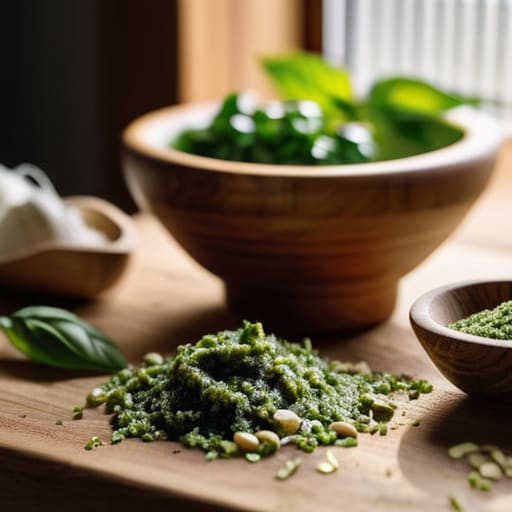
I remember sitting on a rickety wooden stool in a narrow alleyway in Genoa, the air thick with the scent of salt spray and bruised herbs. I had just spent twenty minutes watching a nonna work a marble mortar and pestle, her movements rhythmic and almost meditative, while the tourists at the next table were content with their jarred, dull-green supermarket paste. It was a sharp reminder that most people approach homemade pesto sauce as a chore or a complicated recipe to be mastered, when in reality, it is simply an act of presence. You don’t need a culinary degree to get it right; you just need to stop rushing the ingredients.
In this guide, I’m stripping away the kitchen pretension to share what I’ve actually learned from markets and small kitchens across Italy. I won’t give you a list of fancy gadgets you don’t need, but rather the honest, sensory-driven steps to creating a sauce that actually tastes like the basil it came from. We’re going to focus on the texture, the oil, and that specific, bright magic that happens when you stop following a script and start tasting as you go.
Table of Contents
Recipe Details
Ingredients
- 2 cups fresh basil leaves
- 1/2 cup freshly grated Parmesan cheese
- 1/3 cup pine nuts
- 3 cloves garlic
- 1/2 cup extra virgin olive oil
- 1/4 teaspoon salt
- 1/8 teaspoon black pepper
Recipe Instructions
Step 1
First, you need to gather your ingredients, but don’t just grab whatever is in the back of the pantry. I always look for basil that feels alive—the leaves should be vibrant, slightly fuzzy, and smell like a summer afternoon. You’ll also need high-quality extra virgin olive oil, a handful of toasted pine nuts, a few cloves of garlic, and some freshly grated Parmigiano-Reggiano.
Step 2
If you want to truly honor the tradition I saw in those small Ligurian kitchens, put away the food processor. An electric blade can heat up the herbs and turn the sauce a dull, bruised brown. Instead, grab a heavy marble mortar and pestle. It’s a bit of a workout, but the friction of stone against stone releases the essential oils in a way a blade simply can’t.
Step 3
Start by crushing your garlic cloves with a pinch of coarse sea salt until they form a smooth, fragrant paste. Once that’s ready, add your pine nuts. Use a gentle, rhythmic grinding motion to break them down into a creamy consistency before you even think about adding the greens.
Step 4
Now, add your basil leaves in small handfuls. This is the most meditative part of the process. Grind the leaves into the garlic and nut paste, working slowly so you don’t overheat the basil. You’re looking for a texture that is rustic and textured, not a perfectly smooth puree. It should feel like something a grandmother would serve.
Step 5
Once the basil is broken down, slowly drizzle in your olive oil. I like to do this in a thin, steady stream while stirring with the pestle, watching as the oil emulsifies with the herbs to create a lush, emerald-colored sauce. Finally, fold in your grated cheese with a wooden spoon.
Step 6
Taste it. This is the most important step. Does it need a tiny bit more salt? Maybe a squeeze of lemon if the basil is particularly sweet? Trust your palate and adjust to your own senses. Once it’s perfect, toss it with some warm, hand-rolled pasta and eat it immediately, while the scent is still rising from the bowl.
A Fresh Basil Pesto Recipe From a Village Kitchen
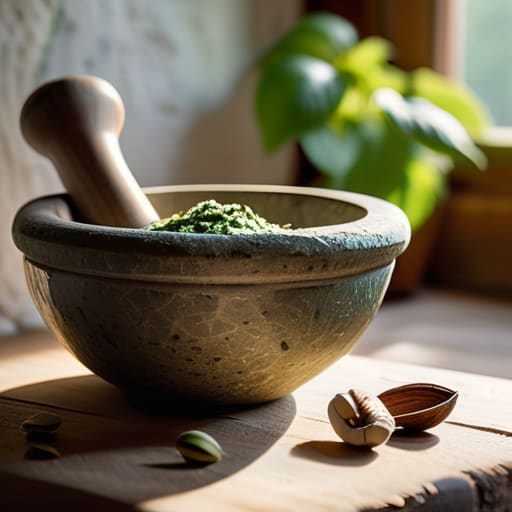
While I love the efficiency of making pesto in a food processor when I’m rushing between train stations, there is a certain magic in the old ways. Back in a small village outside Genoa, I watched a nonna use a marble mortar and pestle, her movements rhythmic and patient. She explained that the friction of the stone releases the essential oils in a way blades simply can’t. If you find yourself short on traditional supplies, don’t stress—substituting pine nuts in pesto with walnuts or even toasted sunflower seeds can add a lovely, earthy depth that feels very much like the countryside.
The secret to a vibrant sauce lies in the quality of your pesto sauce ingredients list; when you only use a handful of items, there is nowhere for mediocre produce to hide. I always look for basil that smells slightly peppery and garlic that hasn’t lost its bite. Once you’ve whipped up a batch, remember that the best way to store pesto is to pour a thin layer of olive oil over the top in a jar. This creates a seal that keeps the air out and preserves that brilliant, emerald green color for days.
The Essential Pesto Sauce Ingredients List for Real Flavor
When I’m wandering through a market in Genoa, I’ve learned that the quality of your pesto sauce ingredients list is entirely dependent on the season and the soil. It’s not just about having basil; it’s about finding those leaves that smell like a summer afternoon—peppery, sweet, and incredibly potent. If you can’t find high-quality pine nuts, don’t panic. I’ve found that substituting pine nuts in pesto with toasted walnuts or even blanched almonds adds a lovely, earthy depth that feels more rustic and less precious.
The real magic, though, lies in the balance of the garlic and basil sauce. You want enough garlic to provide a sharp backbone, but never so much that it masks the delicate herb notes. While I often see people making pesto in a food processor for the sake of speed, I still find myself reaching for a mortar and pestle when I have the time. It’s slower, yes, but the way the friction releases the essential oils is something a blade simply can’t replicate. It turns a simple condiment into something truly alive.
Small Rituals for a Better Batch
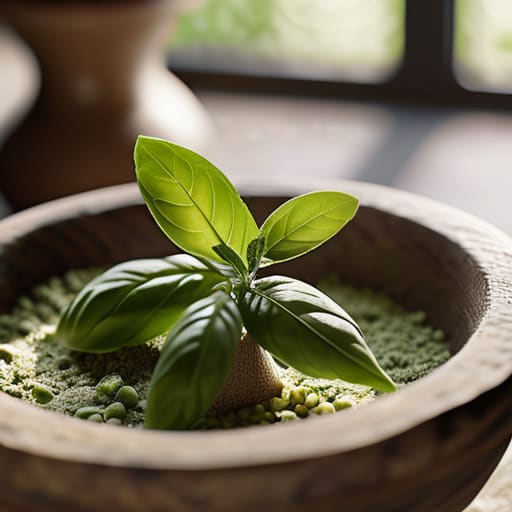
- Don’t let the heat win. If you’re using a food processor, the spinning blades can actually warm up the basil, turning that vibrant, electric green into a dull, muddy olive. I usually pulse in short bursts, or better yet, go back to the old ways and use a mortar and pestle to keep everything cool and fragrant.
- Salt is more than just seasoning; it’s a tool. When I’m working with a mortar and pestle, I start by crushing the garlic with a coarse pinch of sea salt. It turns the salt into an abrasive paste that helps break down the fibers of the garlic and nuts much more effectively.
- Be stingy with the cheese. It’s tempting to dump in a mountain of Parmigiano-Reggiano, but too much can make the pesto feel heavy and overly salty. I prefer to use just enough to add a savory depth, letting the brightness of the fresh basil remain the star of the show.
- The oil matters more than you think. I’ve learned the hard way that a generic, heavy olive oil can mask the delicate notes of the herbs. Look for something “fruity” or “light” on the label—something that tastes like it was pressed recently—so it complements the basil rather than drowning it.
- Timing is everything once it’s made. Pesto isn’t a sauce meant to sit in the fridge for a week. The moment it’s blended, the oxidation begins. I always make it right before I sit down to eat, or at the very least, I press a thin layer of olive oil over the top of the jar to create a seal against the air.
My Three Rules for Pesto That Actually Tastes Like Home
Prioritize the quality of your basil above everything else; if it doesn’t smell like a sun-soaked garden, the pesto won’t have that soul-stirring depth.
Embrace the imperfection of the texture—whether you use a mortar and pestle or a pulse of a blender, avoid turning it into a flavorless, aerated paste.
Treat your pesto as a living thing by adding it to warm pasta off the heat to preserve those bright, volatile oils that make the scent so intoxicating.
The Soul in the Mortar
There is a specific kind of magic in the rhythm of crushing basil and garlic by hand; it’s a slow, fragrant ritual that reminds you that the best flavors aren’t manufactured in a factory, but coaxed out of the earth with patience and a little bit of grit.
Anouk Verhoeven
Bringing the Flavor Home
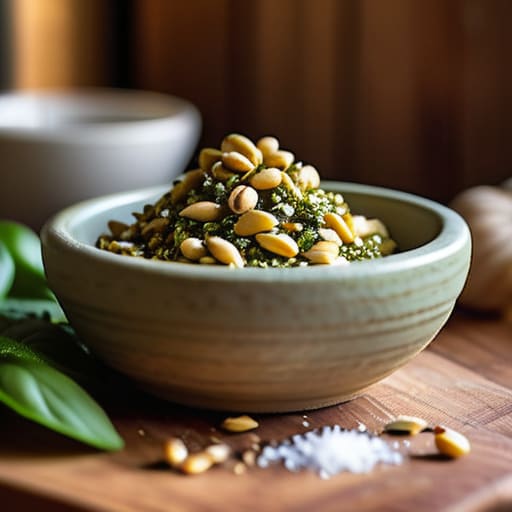
At the end of the day, making pesto isn’t about following a rigid set of rules or having the most expensive kitchen gadgets. It’s about understanding how the quality of your basil, the richness of your olive oil, and even the texture of your pine nuts come together to create something greater than the sum of its parts. Whether you choose to crush everything by hand in a heavy marble mortar or use a quick pulse in a food processor, the goal remains the same: to honor the raw, vibrant ingredients that make this sauce so iconic. Remember that a little extra garlic or a handful of extra parmesan isn’t a mistake—it’s just your way of making the recipe your own.
As I pack my notebook away and prepare for my next flight, I’m reminded that these small culinary rituals are what truly ground us when we are far from home. Cooking a simple, honest sauce like this is a way to reclaim a sense of place, even if you’re just sitting in a tiny apartment in a city you’ve only just met. I hope this recipe invites you to slow down, breathe in the scent of fresh herbs, and find joy in the quiet magic of a home-cooked meal. After all, the best stories aren’t always found in guidebooks; sometimes, they are found right at the bottom of a bowl of pasta.
Frequently Asked Questions
Can I make this ahead of time without the basil turning that unappetizing shade of brown?
I’ve definitely been there—standing over a bowl of pesto that looks more like swamp water than summer in Italy. To keep that vibrant green, try blanching your basil leaves in boiling water for just five seconds before shocking them in ice. It stops the oxidation in its tracks. If you’re storing it, press a thin layer of olive oil over the top to seal out the air. It’s a small trick, but it preserves the soul of the sauce.
Is it possible to swap out the pine nuts for something else if I can't find good ones at my local market?
Honestly, I’ve been in that exact spot. I remember a market in a small mountain town where pine nuts were practically nonexistent, and I felt so defeated. Don’t be! If you can’t find good ones, toasted walnuts or even sunflower seeds work beautifully. They add a different, slightly earthier depth that I actually quite love. Just keep the ratio similar and toast them lightly first—it makes all the difference for that rich, velvety texture.
How do I stop the pesto from feeling too heavy or oily when I'm serving it with pasta?
I’ve definitely had those moments where a bowl of pasta feels more like a heavy oil slick than a meal. The trick I learned in Liguria is all about the pasta water. Never drain it completely; instead, toss your noodles with a splash of that starchy, salted liquid and the pesto away from the direct heat. It emulsifies the oil into a silky sauce that clings to the pasta rather than pooling at the bottom.
