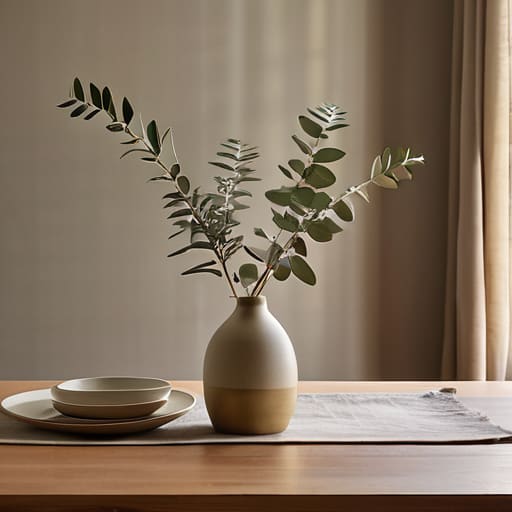
I was sitting in a tiny, sun-drenched trattoria in Trastevere last autumn, watching an elderly woman set a table with nothing more than a mismatched linen cloth and a bowl of bruised peaches. There was no perfectly curated centerpiece or expensive sculptural lighting, yet the space felt more intentional than any showroom I’ve ever stepped into. It made me realize how much we overcomplicate dining room styling by chasing a sterile, Instagram-ready perfection that actually repels connection. We spend so much time worrying about whether our ceramics match our napkins that we forget the room is meant to be lived in, stained by wine and cluttered by the beautiful mess of a long conversation.
I’m not here to tell you which designer labels to buy or how to create a museum-grade dining space. Instead, I want to share how you can use meaningful, lived-in elements to build a room that actually invites people to stay. We’re going to focus on the small, tactile details—the textures, the light, and the layers—that turn a mere furniture arrangement into a sanctuary for shared meals.
Table of Contents
Finding Harmony Through Minimalist Dining Room Arrangement
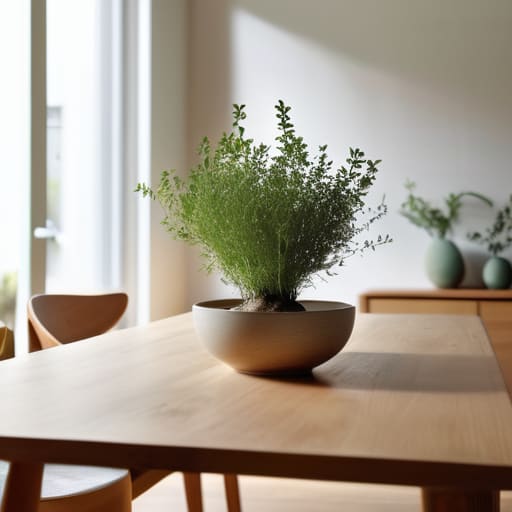
When I’m setting up a new space, I tend to approach it like I approach my travel photography: I look for the negative space. A minimalist dining room arrangement isn’t about emptiness; it’s about making sure nothing competes with the person sitting across from you. I’ve found that when you strip away the heavy, ornate centerpieces and the cluttered sideboards, the conversation actually has room to breathe. I prefer a single, well-placed ceramic bowl or a small bunch of herbs from the local market rather than a crowded display.
To keep things from feeling cold, I lean into modern dining room aesthetics that prioritize texture over pattern. Think a linen tablecloth in a muted tone or a smooth wooden surface that feels warm under your palms. If you’re worried about the room feeling too sparse, focus on your dining room lighting design. A low-hanging pendant light creates a soft pool of warmth that draws everyone inward, making even the simplest meal feel intentional. It’s less about decorating a room and more about curating an environment where the food and the company can finally take center stage.
Choosing Dining Room Color Palettes That Feel Like Home
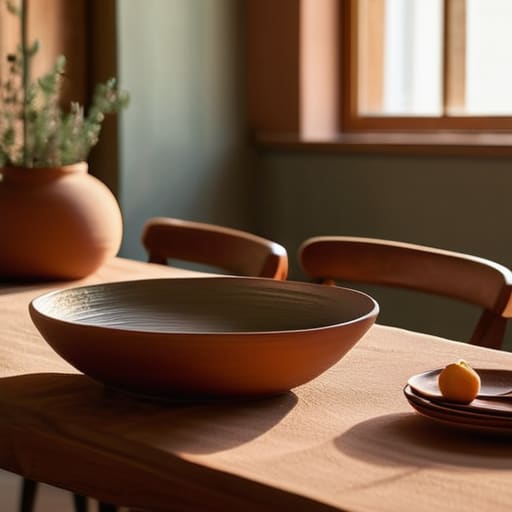
When I think about color, I don’t think about matching paint swatches to a showroom floor; I think about the way the light hits a terracotta bowl in a Tuscan kitchen at dusk. Choosing dining room color palettes shouldn’t feel like a math problem. Instead, I try to pull inspiration from the natural world—the muted sage of a coastal morning or the deep, umber tones of a forest floor. These organic hues do something magical: they ground the room, making it feel less like a curated set and more like a lived-in sanctuary.
If you find yourself leaning toward modern dining room aesthetics, resist the urge to go purely clinical with stark whites and cold greys. A space that feels “too perfect” often lacks soul. I prefer layering subtle, earthy tones to create warmth. Even a simple monochromatic scheme can feel incredibly inviting if you play with texture—think a linen tablecloth in oatmeal or a matte ceramic vase. It’s about creating a backdrop that doesn’t compete with the food or the conversation, but rather holds the space for them to unfold naturally.
Small Details That Make a Room Feel Lived-In
- Skip the matching, store-bought sets. I’ve always found that a dining room feels much more soulful when you mix textures—maybe a heavy linen tablecloth paired with a few mismatched ceramic bowls you picked up from a local potter.
- Let there be light, but keep it soft. Instead of harsh overhead fixtures, I rely on low-slung pendant lights or even just a cluster of unscented beeswax candles to create that intimate, golden glow that makes people want to linger over coffee.
- Bring the outside in, but keep it seasonal. Rather than a formal, stiff floral arrangement, try a simple stoneware vase with a few wild branches or some herbs from the market. It keeps the energy of the room feeling fresh and connected to the time of year.
- Create a dedicated spot for the “messy” parts of life. A small, beautiful wooden tray can hold your salt cellar, a pepper grinder, and a half-used bottle of olive oil, turning everyday kitchen tools into part of the room’s natural decor.
- Don’t forget the tactile elements. A rug under the table doesn’t just define the space; it softens the acoustics of the room, making the clatter of forks and the hum of conversation feel warm and grounded rather than loud and echoing.
Bringing the Soul of the Table Home
Focus on pieces that tell a story, like a worn wooden bowl or a linen runner, rather than chasing a catalog-perfect look.
Prioritize sensory comfort—the weight of a ceramic mug or the softness of a chair—to make your space feel lived-in and welcoming.
Leave room for imperfection; a dining area should feel like a place where real, messy, beautiful life actually happens.
The Soul of the Space
A dining room shouldn’t feel like a showroom; it should feel like a collection of stories, where the scuffs on the wooden table and the mismatched ceramic bowls tell you more about a life well-lived than any perfectly curated catalog ever could.
Anouk Verhoeven
The Soul of the Room
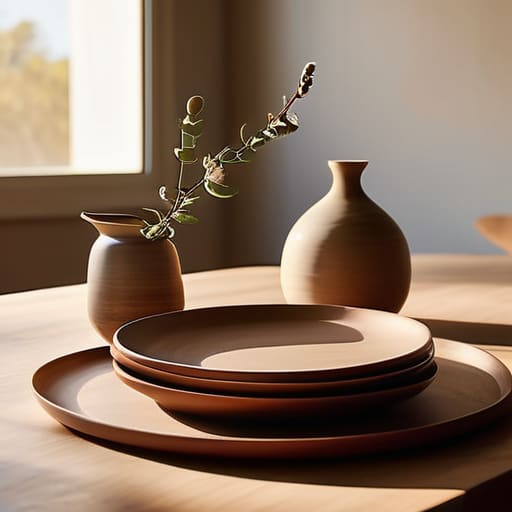
Ultimately, styling a dining room isn’t about following a strict set of design rules or curating a space that looks like a sterile showroom. It’s about the balance we’ve discussed—finding that sweet spot between minimalist arrangement and a color palette that actually makes you feel grounded. Whether you are choosing muted, earthy tones to create a sense of calm or keeping your tabletop clear to make room for the chaos of a real meal, the goal is to create a stage for life to happen. When we strip away the unnecessary clutter, we make room for what truly matters: the food, the conversation, and the people sitting across from us.
As I sit in different kitchens around the world, from sun-drenched coastal patios to cramped city apartments, I’ve realized that the most beautiful rooms aren’t the ones that look perfect in a magazine. They are the ones that feel lived-in and intentional. Don’t be afraid of a few scratches on the wood or a centerpiece that looks slightly asymmetrical; those are just the marks of a life well-shared. At the end of the day, your dining room should be more than just a collection of furniture—it should be a sanctuary where you can slow down, breathe, and truly connect with the world around you.
Frequently Asked Questions
How can I make a small, cramped dining area feel more open and inviting without losing that sense of coziness?
I’ve spent many mornings squeezed into tiny, sun-drenched bistro tables in Lisbon, and I’ve learned that “small” doesn’t have to mean “stifling.” To open things up, ditch the heavy, oversized furniture for something with slim legs—it lets the eye travel through to the floor, creating an illusion of space. Add a few well-placed mirrors to catch the light, and keep your surfaces clear. It’s about breathing room, not emptiness.
What are some ways to incorporate vintage or mismatched pieces so the room feels curated rather than just cluttered?
The secret is intentionality. I’ve learned from flea markets in Lisbon that a room feels cluttered when things lack a common thread. To avoid that, pick a unifying element—maybe it’s the wood tone or a shared patina. I love pairing a sleek, modern table with mismatched, vintage chairs; it creates a sense of history without the chaos. Think of it as a collection of stories, where each piece has enough breathing room to actually be heard.
How do I choose lighting that creates a warm, intimate atmosphere for long dinners without it feeling too formal?
The trick is to avoid that harsh, overhead “interrogation” light. I always look for layers. Instead of one big statement piece, I lean toward low-slung pendants or even just a cluster of unscented taper candles. They cast these soft, dancing shadows that make the table feel like a private island. If you use lamps, go for warm bulbs—think amber tones. It’s about creating a glow that invites you to linger over the last bit of wine.
