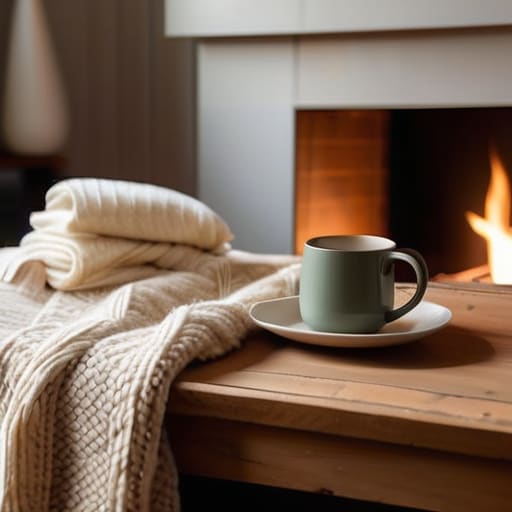
I was sitting in a tiny, dimly lit apartment in Copenhagen last November, watching the rain smear against the glass, when I realized I was surrounded by what the magazines call “perfect” hygge decor. There were expensive sculptural candles, overpriced linen throws, and those pristine, minimalist ceramics that looked like they’d shatter if you actually dared to use them for a morning coffee. It felt hollow. To me, the idea that you need a specific shopping list to achieve comfort is a total myth. True coziness isn’t something you buy in a curated boutique; it’s the feeling of a space that actually breathes with you.
I’m not here to sell you a lifestyle or a catalog of high-end minimalist furniture. Instead, I want to share how you can cultivate a sense of warmth using what you already have, or what you can find in a local flea market. We’re going to strip away the commercial fluff and focus on the sensory layers—the soft light, the lived-in textures, and the small, intentional details—that turn a house into a sanctuary. This is about finding real comfort in the everyday.
Table of Contents
Softening the Edges With Textural Elements in Home Decor
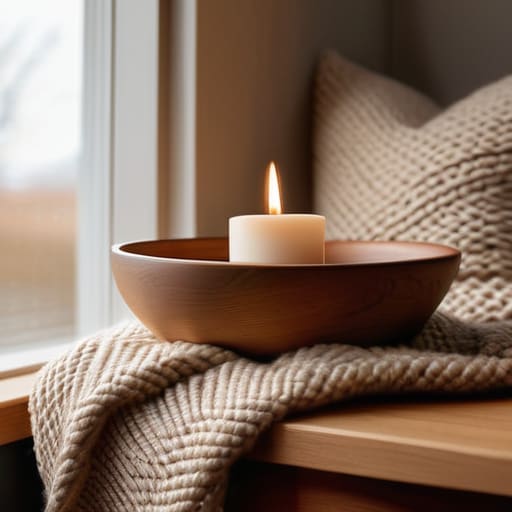
When I was working in those quiet museum archives, I learned how much a single material can change the “temperature” of a room. In a home, you can achieve that same shift by focusing on textural elements in home decor. It isn’t about cluttering your space; it’s about the tactile contrast between a smooth ceramic bowl and a heavy, hand-woven wool throw. If your room feels a bit too sterile or sharp, it’s usually because there isn’t enough variety for your senses to hold onto.
I tend to lean toward a minimalist interior design approach, but I make sure it never feels cold. Instead of adding more “stuff,” I look for depth through layers. Think of a linen cushion resting against a chunky knit blanket, or a jute rug grounding a wooden chair. These layers are essential for creating a sanctuary at home, turning a mere living space into something that feels lived-in and protective. It’s those small, physical details that invite you to actually sit down, stay a while, and breathe.
Embracing Neutral Color Palettes for a Quieter Mind
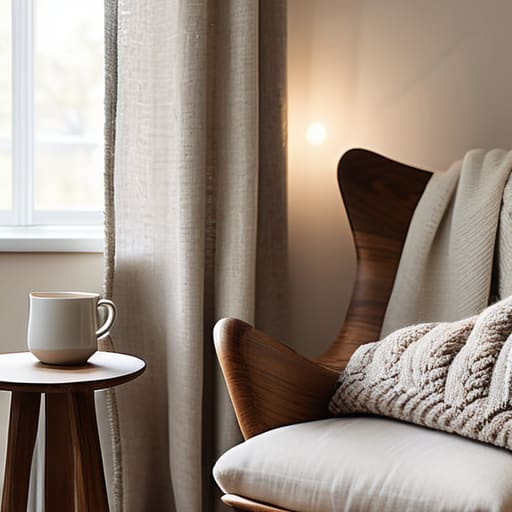
When I’m traveling, I often find myself seeking out spaces that feel like a deep exhale. There is a specific kind of mental clutter that comes from living in high-contrast, high-energy environments, and I’ve realized that my home needs to be the antidote to that. This is where neutral color palettes become so much more than just an aesthetic choice; they are a tool for mental clarity. I tend to gravitate toward tones that mimic the natural world—the soft grey of a coastal morning, the warm sand of a quiet beach, or the muted cream of unbleached linen.
By stripping away the visual noise of bright, jarring colors, you allow your mind to actually settle. It isn’t about making a room look “empty” or sterile, which is a common misconception in minimalist interior design. Instead, it’s about creating a soft backdrop that lets the small, meaningful things stand out—the way the light hits a ceramic bowl or the steam rising from a cup of tea. When we lean into these subdued tones, we are essentially creating a sanctuary at home where the soul can finally catch up with the body.
Small Ways to Bring the Soul into Your Space
- Prioritize light that breathes. I’ve learned that harsh overhead lighting is the quickest way to kill a mood; instead, scatter small lamps and real beeswax candles around a room to create pockets of warmth that mimic a sunset.
- Bring the outside in, but keep it intentional. Rather than a massive, polished floral arrangement, try a single, slightly imperfect branch in a stoneware vase—it feels more like a quiet conversation with nature.
- Curate your clutter. Hygge isn’t about minimalism to the point of sterility, but about surrounding yourself with things that hold stories, like a stack of well-loved books or a ceramic bowl you found at a seaside market.
- Focus on the tactile. When I’m setting up a temporary workspace in a new city, I always look for one heavy, woven throw or a linen cushion; having something soft to ground you makes even a strange room feel like home.
- Let scent do the heavy lifting. Since I always carry my notebook to track market smells, I’ve become obsessed with how a space feels through its aroma—think cedarwood, dried lavender, or the faint, comforting scent of brewing tea.
Bringing the Soul Back to Your Space
Focus on how things feel, not just how they look; a well-loved, textured throw is worth more than a pristine, sterile showroom piece.
Use color to create a sense of calm rather than a statement, leaning into tones that allow your mind to actually rest.
Remember that true comfort comes from the small, lived-in details that make a room feel like it belongs to a person, not a catalog.
The Heart of the Home
To me, hygge decor isn’t about following a design trend or filling a room with expensive knick-knacks; it’s about creating a space that breathes with you, where the textures feel familiar and every object tells a story of comfort and quiet belonging.
Anouk Verhoeven
Creating Your Own Sense of Sanctuary
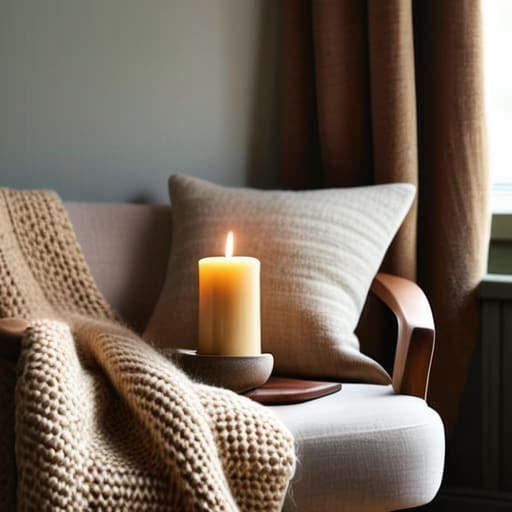
At the end of the day, decorating for hygge isn’t about following a strict set of rules or buying a specific collection of Scandinavian furniture. It’s about the intentional way we layer our surroundings to support our well-being. We’ve talked about how soft, tactile textures can ground us and how a muted, neutral palette can quiet the mental noise of a busy day. When we combine these elements—the warmth of a woven throw, the calm of an earthy tone, and the gentle glow of a well-placed candle—we aren’t just decorating a room; we are cultivating an atmosphere that allows us to breathe a little deeper. It is about building a space that feels like a gentle exhale the moment you walk through the door.
As I move from city to city, I’ve realized that the most beautiful homes aren’t the ones that look like they belong in a magazine, but the ones that feel lived-in and deeply personal. Don’t be afraid to let your space be imperfect. Leave that stack of well-loved books on the coffee table and keep your favorite ceramic mug within reach. Hygge is found in those quiet, unscripted moments—the steam rising from a cup of tea or the way the afternoon light hits a wooden floor. Focus less on the aesthetic and more on the feeling of belonging within your own four walls. That is where the true soul of a home resides.
Frequently Asked Questions
How do I make my space feel hygge without it feeling cluttered or overly "decorated"?
I think the secret lies in choosing intention over abundance. For me, hygge isn’t about filling a shelf with trinkets; it’s about the few things that actually ground you. Instead of decor, think about sensory layers: a single, heavy linen throw or the way light hits a ceramic bowl. If an object doesn’t serve a purpose or spark a quiet moment of calm, let it go. Space, much like a good meal, needs room to breathe.
Can I still achieve a cozy, hygge atmosphere if my home is small or lacks natural light?
I used to worry about this when I lived in a tiny studio in Brussels—dark, cramped, and practically windowless. But hygge isn’t about square footage; it’s about how you curate the space you do have. In small, dim rooms, I lean heavily into “pockets of light.” Instead of one harsh overhead, I use several small lamps and candles to create warmth. It’s about making the shadows feel intentional rather than lonely.
Is it possible to incorporate hygge into a home that already has a lot of bright colors or modern furniture?
Absolutely. I’ve spent time in apartments that felt almost too sharp—all glass, steel, and neon. You don’t have to strip everything away to find that sense of calm. To me, it’s about balance. If you have bright colors or sleek furniture, try layering in some “softness.” Bring in a chunky knit throw, a few mismatched ceramic mugs, or some amber-toned lighting. It’s about adding those tactile, human layers that make a space feel lived-in rather than just staged.
