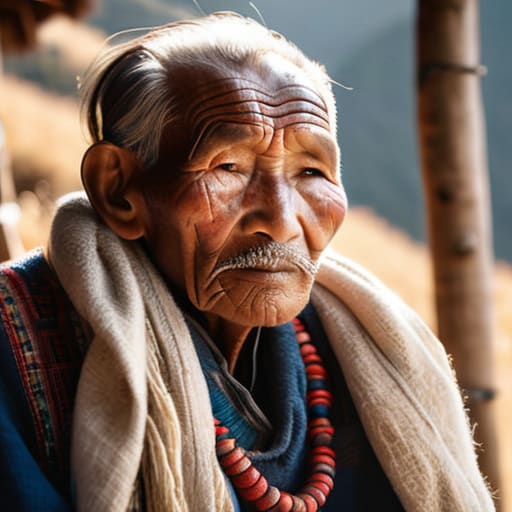
The smell of woodsmoke and fermented radish always hits me before I even see the village. I remember sitting on a damp stone step in a small hamlet outside Manang, my fingers numb from the altitude, watching an elderly woman meticulously sort dried lentils by the light of a single butter lamp. Most people travel to the Himalayas thinking they are chasing grand vistas or spiritual enlightenment, but they often miss the actual heartbeat of nepal mountain culture. It isn’t found in the glossy trekking brochures or the high-altitude luxury lodges; it’s in the quiet, rhythmic labor of daily life and the steam rising from a communal pot of dal bhat.
I’m not here to sell you on a curated, sanitized version of the mountains. Instead, I want to pull back the curtain on what it actually feels like to live—not just visit—in these high-altitude communities. I’ll be sharing the stories I’ve gathered from small kitchen tables and dusty trails, focusing on the authentic connections that happen when you stop rushing toward the next peak. This is about the food, the hospitality, and the unvarnished reality of life above the clouds.
Table of Contents
Sherpa Heritage and History More Than Just Climbing
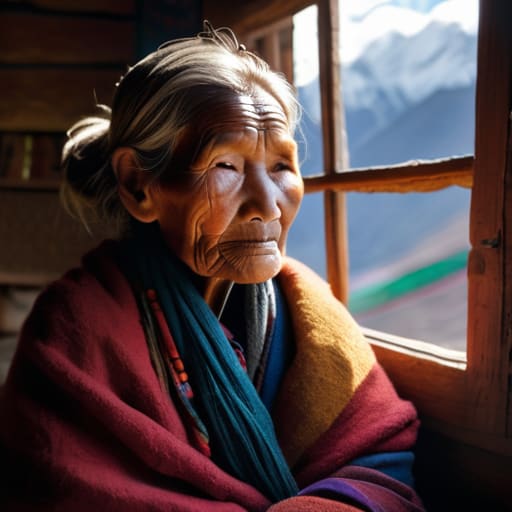
When people think of the Sherpa, their minds immediately drift to the summit of Everest or the adrenaline of high-altitude expeditions. But sitting in a small, smoke-scented kitchen in Khumjung, you realize that their identity isn’t defined by the peaks they help others conquer, but by the deep roots they’ve planted in the soil. To understand Sherpa heritage and history, you have to look past the climbing gear and toward the prayer flags fluttering against the wind. Their lineage is a beautiful, complex tapestry woven from centuries of migration and a profound spiritual connection to the land.
Life here is shaped by the rhythms of Tibetan Buddhism in Nepal, which dictates everything from the architecture of the stone houses to the way a neighbor greets another. It isn’t just a religion; it’s a way of navigating a landscape that can be as unforgiving as it is beautiful. I’ve noticed how their mountain village customs prioritize a quiet, collective resilience—a necessity for anyone mastering a high altitude lifestyle. It’s in these small, unhurried moments, like watching a grandmother grind barley for tsampa, that you see the true strength of their history.
Mountain Village Customs Found in a Steaming Cup of Tea
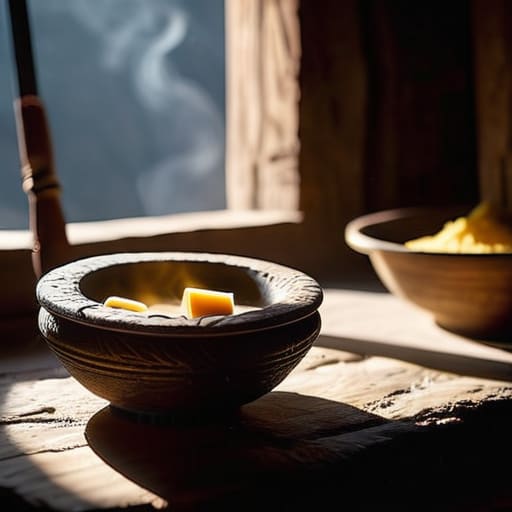
In the high-altitude villages of the Solu-Khumbu, tea isn’t just a beverage; it’s a social contract. I remember sitting in a dim, smoke-filled kitchen in Namche, my fingers numbed by the wind, as a local woman handed me a wooden bowl of yak butter tea. The scent was heavy—salty, fatty, and earthy—a stark contrast to the crisp, thin air outside. This isn’t the delicate green tea you find in a city cafe; it’s a survival tool. For the various Himalayan ethnic groups navigating this terrain, the ritual of pouring tea is a way to slow down and acknowledge one another.
As you sip, you notice the small, quiet ways Tibetan Buddhism in Nepal weaves into the domestic rhythm. A prayer wheel turns in the corner, and the steam from the pot seems to carry the silent intentions of the household. These mountain village customs aren’t performed for an audience; they are simply the fabric of a high-altitude lifestyle. To sit there, wrapped in a wool blanket and sharing a salty brew, is to realize that the most profound connections aren’t found at the summit, but in the warmth of a shared cup.
How to move through the mountains with intention
- Leave the itinerary behind and follow your nose; the most meaningful cultural exchanges happen when you wander into a village kitchen simply because the scent of toasted barley or simmering dal is too inviting to ignore.
- Learn the rhythm of the tea; in the mountains, a cup of tea isn’t just a caffeine fix, it’s a social contract, so never rush your drink—sit, observe, and let the conversation unfold at its own pace.
- Pack a small, meaningful gift that doesn’t feel like charity; instead of mass-produced trinkets, I’ve found that sharing high-quality tea leaves or a unique spice from your home country can open doors (and hearts) far more effectively.
- Respect the sacred silence of the trails; when you pass a mani wall or a prayer flag, slow your pace and offer a quiet nod rather than rushing past with a camera lens clicking—the mountains demand a certain level of reverence.
- Listen more than you speak; my anthropology background taught me that the best stories aren’t found in guidebooks, but in the quiet pauses between a local’s sentences as they describe their connection to the land.
The Heartbeat of the Highlands
Understanding Nepal means looking past the summit of Everest and instead focusing on the resilience and deep-rooted traditions of the people who call these slopes home.
The true essence of mountain life isn’t found in a guidebook, but in the small, intentional rituals of hospitality—like the warmth of a shared cup of tea in a remote village.
To connect with the culture, you have to slow down and listen to the stories told through food, heritage, and the quiet rhythms of everyday survival in the high altitudes.
The Language of the Hearth
“In the high Himalayas, culture isn’t something you find in a museum; it’s something you taste in the salt of a shared broth and feel in the quiet rhythm of a mountain kitchen, where every meal is a slow, deliberate act of survival and community.”
Anouk Verhoeven
Beyond the Horizon
As I pack my notebook away, the scent of juniper smoke still clinging to my jacket, I realize that Nepal is so much more than a backdrop for high-altitude conquest. It is a delicate tapestry woven from the resilience of the Sherpa people, the quiet rituals found in a shared cup of butter tea, and the deep-rooted traditions that pulse through every mountain village. To understand this landscape, you have to look past the summits and instead look toward the hearths—the places where history isn’t just remembered, but actively lived through every meal and every shared story. It is in these small, unscripted moments that the true heartbeat of the Himalayas reveals itself.
If there is one thing my travels have taught me, it’s that we often search for greatness in the grandest views, when we should be looking for it in the simplest connections. The mountains don’t demand your awe; they invite your presence. So, when you finally find yourself navigating those winding, dusty trails, I urge you to slow down. Don’t just chase the peak; sit with the locals, listen to the rhythm of the village, and let the culture soak into your skin like the mountain mist. Because in the end, we don’t travel to see new landscapes, but to find new ways of belonging to the world.
Frequently Asked Questions
How can I visit these remote mountain villages without accidentally disrupting their daily rhythms or sacred traditions?
The best thing you can do is slow down. When you arrive, don’t rush to snap photos; instead, sit, observe, and let the village rhythm find you. Always ask before pointing a lens at someone, and if you’re invited into a home, follow their lead—even if it means sitting on the floor or eating with your hands. Respect the silence of the prayer flags and the sanctity of the local shrines. Being a guest means listening more than you speak.
Are there specific seasonal festivals in the high Himalayas that offer a glimpse into local spiritual life?
If you time your trek right, the festivals are breathtaking. In the high valleys, the Losar celebrations mark the Tibetan New Year, turning entire villages into a kaleidoscope of prayer flags and ritual dances. But for me, nothing beats the masked dances during Mani Rimdu. Watching the monks move through the incense-heavy air is transformative; it’s not a performance for tourists, but a raw, rhythmic pulse of devotion that stays with you long after the drums fade.
Beyond the tea houses, what are some of the most authentic ways to experience local mountain cuisine during a trek?
To really taste the mountains, you have to look past the menus. I always try to find the small, family-run homestays where the kitchen is the heart of the house. There’s nothing quite like sitting on a floor mat while a local grandmother prepares dal bhat over a wood-burning stove. If you see a small group gathering around a communal pot in a village square, ask if you can join. That’s where the real magic happens.
