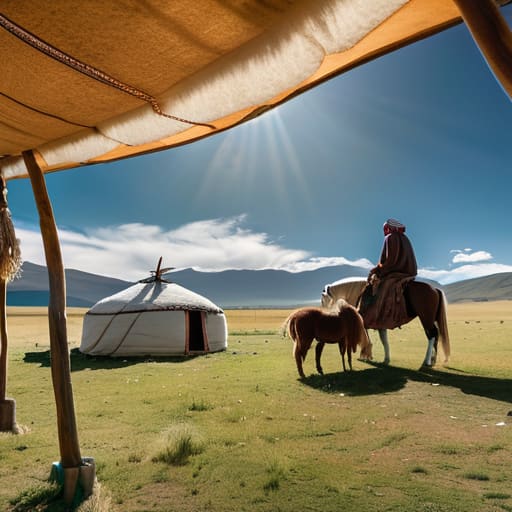
The smell of fermented mare’s milk—sharp, tangy, and unapologetically heavy—is something no glossy travel brochure can ever truly prepare you for. I remember sitting on a low wooden stool in a ger near the Orkhon Valley, my fingers numb from the wind, watching a grandmother stir a massive pot of mutton fat. Most people approach the idea of mongolian nomadic life through a lens of romanticized, sweeping landscapes, but they miss the visceral reality of it: the grit of dust in your teeth, the constant rhythm of livestock, and the profound, quiet weight of a kitchen that functions as the entire world.
I’m not here to sell you on a sanitized, “Instagrammable” version of the steppe. Instead, I want to take you past the curated tour groups and into the actual mechanics of how these families live, eat, and endure. We’re going to look at the real stories found in the steam of a shared bowl of suutei tsai and the seasonal shifts that dictate every movement. This is about understanding the deep connection between the land and the plate, stripped of the hype.
Table of Contents
Ger Tent Living Finding Home in a Moving World
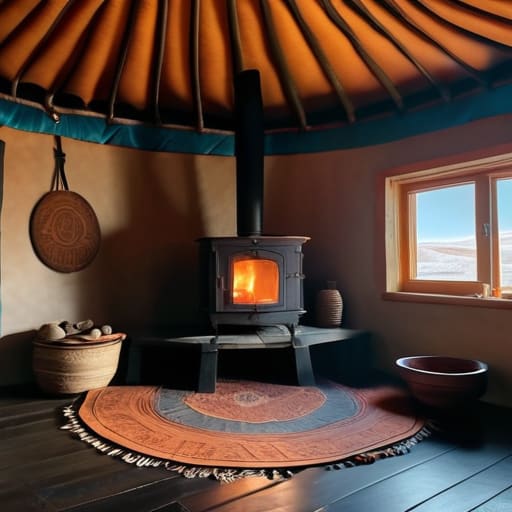
There is a specific kind of rhythm to life inside a ger that you can’t quite grasp until you’ve spent a night listening to the wind whip against the felt walls. It isn’t just about shelter; it’s about a highly sophisticated form of steppe ecosystem adaptation. Everything within these circular walls has a purpose and a place. As I sat near the central stove, watching the smoke curl toward the skylight, I realized that ger tent living is less about “roughing it” and more about a profound, intentional connection to the immediate environment.
The layout itself reflects the deeply ingrained nomadic family structure, where the placement of objects and the division of space signal respect and order. There is no clutter here—only what is necessary for survival and comfort. Moving from one camp to the next according to seasonal migration patterns means you learn to value lightness. You don’t own things; you steward them. In the quiet moments between chores, you realize that home isn’t a fixed coordinate on a map, but a shared warmth that moves with you across the horizon.
Seasonal Migration Patterns and the Steppe Ecosystem Adaptation
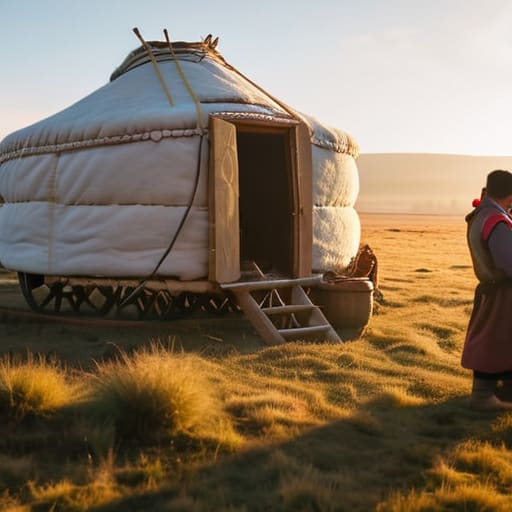
Moving across the steppe isn’t just about travel; it’s a rhythmic, necessary dance with the land. I remember watching a family pack their belongings at dawn, the air biting and crisp, as they prepared for their next move. This isn’t a random trek, but a sophisticated system of seasonal migration patterns designed to ensure the grass is never overgrazed and the animals stay healthy. They move with the seasons, chasing the moisture and the freshest shoots, a delicate balance that has been perfected over centuries.
It’s a masterclass in steppe ecosystem adaptation. Every move is calculated based on the health of the soil and the needs of the herd. As I sat with a local herder, he explained how their entire way of life is dictated by the subtle shifts in wind and grass color. This isn’t just survival; it’s a deep, intuitive understanding of pastoralism in Central Asia. To them, the landscape isn’t a static map, but a living, breathing entity that tells them exactly where to go next to keep the cycle of life turning.
Lessons from the Steppe: How to Navigate a World in Motion
- Pack for the reality of the wind, not the dream of the landscape. I learned quickly that a beautiful view means nothing if your layers aren’t functional; in the steppe, the weather doesn’t just change, it shifts its entire mood in minutes.
- Learn the etiquette of the tea bowl. When you’re invited into a ger, the ritual of receiving suutei tsai is more than just a snack—it’s a silent language of respect and hospitality that bridges the gap between stranger and guest.
- Follow the rhythm of the herd, not your watch. Time in nomadic life isn’t measured by minutes, but by the needs of the animals and the position of the sun; if you try to rush a process that relies on nature, you’ll only end up frustrated.
- Keep your senses sharp and your notebook ready. The true essence of the nomadic experience isn’t found in a guidebook, but in the specific scent of woodsmoke clinging to wool or the way the air tastes right before a summer storm hits the plains.
- Embrace the beauty of the temporary. There is a profound, quiet lesson in owning only what you can carry; it forces you to focus on the quality of your connections and the immediate sensory experience of the place you are currently inhabiting.
The Lessons the Steppe Leaves Behind
True connection isn’t found in a guidebook, but in the willingness to sit on a worn rug and share a bowl of suutei tsai with someone whose language you don’t speak.
Resilience isn’t about conquering the landscape; it’s about learning the rhythm of the seasons and moving in harmony with the land rather than against it.
There is a profound, quiet beauty in minimalism—when your entire world can be packed into a few wooden crates, you realize how little you actually need to feel at home.
The Rhythm of the Steppe
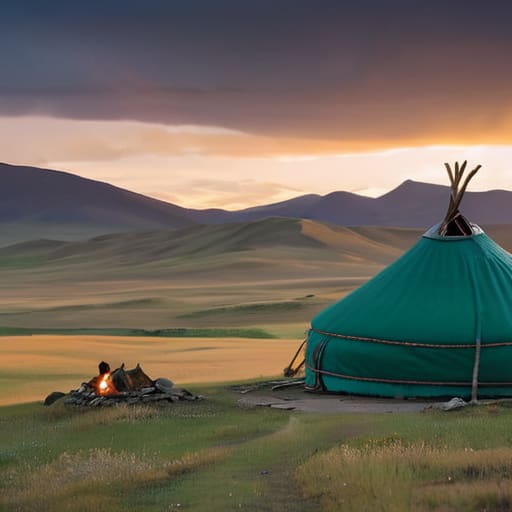
You don’t just observe the nomadic life here; you feel it in the way the wind shifts against the felt of your ger and the way a simple bowl of salty milk tea becomes a silent, sacred pact between strangers.
Anouk Verhoeven
The Rhythm of the Steppe
As I sit here, looking over my notes and the slightly smudged photos from my time in the countryside, I realize that nomadic life isn’t just about the logistics of moving or the science of the seasons. It is a delicate, constant negotiation with the land itself. From the architectural ingenuity of the ger to the deep, ancestral knowledge required to navigate the shifting pastures, every aspect of this lifestyle is built on resilience and respect. We often think of “home” as a fixed point on a map, but for the people I met, home is a living, breathing entity that moves with the wind and the needs of the herd. It is a way of existing that prioritizes connection over accumulation.
Leaving the steppe feels like waking up from a dream that was much more real than my daily life in the city. It has reminded me that we don’t need much to be whole; we just need to be in sync with our surroundings. Whether you are traveling halfway across the world or simply walking through your own local market, I hope you take a moment to listen to the quiet stories being told by the people around you. There is a profound beauty in realizing that the most meaningful way to live is to remain deeply, unapologetically present in the world as it unfolds.
Frequently Asked Questions
How do nomadic families manage to keep their food supplies fresh while moving between different grazing lands?
It’s a constant dance with preservation. Since there are no refrigerators out here, everything revolves around traditional methods like drying and fermenting. I watched a family hang strips of borts—air-dried beef—from the roof of their ger; it’s lightweight and lasts months. They also rely heavily on dairy, turning milk into hard, shelf-stable cheeses like aaruul. It’s not just about survival, though; it’s a rhythmic way of working with the land’s natural cycles.
What kind of traditional dishes are most common during the long, harsh winter months in a ger?
When the wind starts howling against the felt walls, the menu shifts toward survival and warmth. It’s all about calorie-dense, soul-warming staples. You’ll mostly see heavy mutton stews and buuz—those thick, steamed dumplings packed with fatty meat that melt in your mouth. There’s also khuushuur, fried dough that provides that much-needed energy. Everything is centered around animal fats and salt, designed to keep your internal fire burning through the sub-zero nights.
How does the younger generation balance modern technology and education with the demands of a nomadic lifestyle?
It’s a delicate, often surprising dance. I sat with a young herder near Terelj who was skillfully checking a solar-powered battery pack before tending to his goats. They’re finding ways to bridge the gap—using satellite internet for schoolwork or managing livestock via smartphone apps. It isn’t about replacing tradition, but layering it. They aren’t choosing between the steppe and the digital world; they’re learning to navigate both simultaneously.
