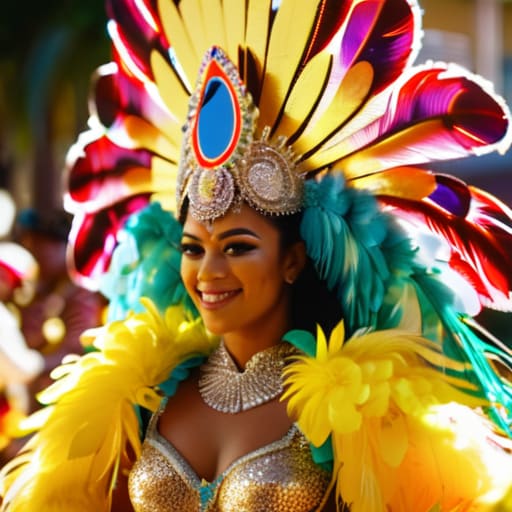
I remember standing on a corner in Salvador, the humidity sticking my shirt to my back, as the scent of acarajé frying in palm oil drifted through a thick cloud of percussion. Everyone tells you that Brazilian Carnival is about the massive, glitter-drenched parades you see on television, but they’re selling you a polished, expensive version of the truth. The real magic isn’t found in a VIP lounge or a pre-packaged tourist excursion; it’s in the salt on your skin and the way the rhythm of a neighborhood drum circle makes the very pavement feel alive under your feet.
I’m not here to give you a glossy brochure or a list of overpriced hotels. Instead, I want to take you into the unscripted heart of the celebration—the narrow streets, the local kitchens, and the communal energy that actually defines the season. I’ll show you how to navigate the chaos without losing your soul (or your budget), focusing on the small, sensory details that make the experience feel like living, rather than just spectating.
Table of Contents
- Finding Heart in the Rio De Janeiro Parade Traditions
- The Soul Behind the Samba School Competition
- Beyond the Spectacle: How to Navigate Carnival Without Losing Your Way
- Beyond the Spectacle: What Carnival Really Leaves You With
- Beyond the Glitter
- Beyond the Glitter and the Noise
- Frequently Asked Questions
Finding Heart in the Rio De Janeiro Parade Traditions
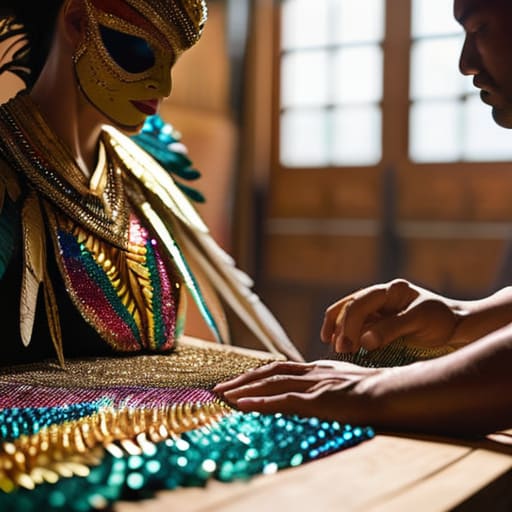
While the sheer scale of the Sambadrome can feel overwhelming, there is a specific, rhythmic gravity to the samba school competition that goes far beyond the spectacle. I found myself sitting near the edge of the arena, watching the dancers prepare. It isn’t just about the glitter; it’s about the months of communal labor poured into every stitch of the carnival costumes and floats. You can feel the tension and the pride vibrating through the concrete. It is a high-stakes ritual where entire neighborhoods stake their reputation on a single night of movement.
However, if you want to see how these traditions actually breathe, you have to look at the exhaustion and the joy in the eyes of the performers once the music stops. The sambadrome experience is a sensory overload of neon and percussion, but the true heart lies in the shared history of the songs. These aren’t just melodies; they are oral histories being sung at the top of lungs. It is a heavy, beautiful weight to witness—the way an entire community can turn a competition into a profound act of cultural survival.
The Soul Behind the Samba School Competition
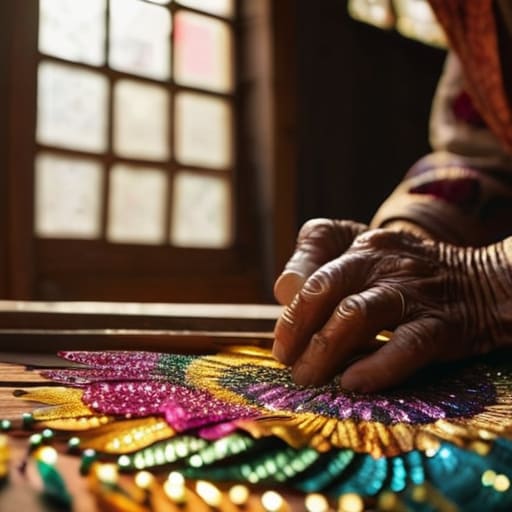
It’s easy to get lost in the sheer scale of the Sambadrome, but if you sit still for a moment, you realize the spectacle isn’t just about the glitter. The true weight of the samba school competition lies in the year-long labor of entire neighborhoods. I spent an afternoon wandering near one of the community workshops, and the air was thick with the scent of sawdust and industrial glue. Seeing the artisans meticulously hand-stitching intricate carnival costumes and floats reminded me that this isn’t just a show; it’s a massive, collective act of cultural preservation.
For these communities, the parade is a chance to claim space and tell their specific history to the world. There is a profound, almost spiritual tension in the air as the drums begin to sync. It isn’t just about the rhythm; it’s about the pride of a thousand people moving as one. When you witness that level of dedication, the sambadrome experience shifts from a tourist spectacle to something much more raw and deeply human. It’s the heartbeat of a city that refuses to be silent.
Beyond the Spectacle: How to Navigate Carnival Without Losing Your Way
- Skip the VIP bleachers for at least one night. While the Sambadrome is a marvel of engineering and costume, there is a specific, unscripted magic in the blocos—the street parties that wind through the neighborhoods. It’s messy, it’s loud, and it’s where you’ll actually feel the city breathing.
- Follow your nose to the street vendors. You’ll see them everywhere, selling everything from chilled coconut water to pastel. Don’t overthink it; if you see a crowd of locals gathered around a small cart, that’s your cue. It’s the best way to fuel up between dancing.
- Learn the rhythm of the “quiet” hours. The energy of Carnival is a marathon, not a sprint. I’ve learned that the best way to avoid burnout is to find a small, shaded café in Santa Teresa during the mid-afternoon lull to reset before the evening madness begins.
- Pack for utility, not just aesthetics. You’ll want lightweight, breathable fabrics and, most importantly, shoes you don’t mind getting a bit dusty. A pair of sturdy sandals is much better than anything that looks pretty but won’t survive six hours of cobblestone walking.
- Embrace the unplanned. My best stories—and my favorite smells—never come from the scheduled tours. If a side street suddenly erupts in drumbeats, follow it. The real soul of the festival isn’t on the itinerary; it’s in the spontaneous moments where the music finds you.
Beyond the Spectacle: What Carnival Really Leaves You With
Real connection isn’t found in the grandstand seats, but in the small, rhythmic moments—the shared street food, the neighborhood drum circles, and the way a city breathes together when the music starts.
Understanding the samba schools is less about the costumes and more about the year-round community and the deep-rooted pride that fuels every single stitch and beat.
To truly experience Carnival, you have to look past the televised glitter and follow the scent of the street markets and the sound of the local percussion into the heart of the community.
Beyond the Glitter
“People think Carnival is a spectacle meant to be watched, but when you’re standing in a humid side street in Salvador, you realize it’s actually a conversation—a rhythmic, sweat-soaked dialogue between a community and its history that no televised parade could ever truly capture.”
Anouk Verhoeven
Beyond the Glitter and the Noise
As I sit in a small, dimly lit cafe a few blocks away from the main parade route, my notebook is filled with more than just dates and locations; it’s filled with the scent of fried pastéis and the lingering vibration of the drums. We’ve looked at the grand spectacle of the Rio parades and the intense, communal discipline of the samba schools, but the true essence of Carnival isn’t found in a single trophy or a televised moment. It is woven into the interconnected threads of community, history, and the sheer, unadulterated joy of people reclaiming their streets. To truly understand Brazil, you have to look past the sequins and see the humanity driving the rhythm.
If you ever find yourself caught in the middle of the madness, don’t try to map it out or follow a strict itinerary. Let the music pull you toward the side streets and the smaller neighborhood gatherings where the celebration feels less like a show and more like a homecoming. Travel isn’t about checking a massive festival off a bucket list; it’s about those fleeting, quiet connections that happen when you stop being an observer and start being a participant. Carnival reminds us that even in a world that feels increasingly fractured, there is still a universal language in the dance.
Frequently Asked Questions
How can I find those smaller, neighborhood-led street parties (blocos) without getting lost in the massive tourist crowds?
To find the real magic, you have to step away from the main avenues. I usually skip the big social media announcements and instead, I wander into the residential side streets of neighborhoods like Santa Teresa or Botafogo. Look for where the locals are gathering around a portable speaker or a small corner bar. If you follow the sound of a local brass band and the smell of roasting meat, you’ll find the best blocos.
What should I look for in a local market to find the best seasonal ingredients that define the festive flavors of the season?
Don’t head for the polished stalls near the main squares. Instead, look for the vendors with the most weathered hands and the smallest, most chaotic displays. I always hunt for the seasonal shifts: the heavy, fragrant mangoes or the specific peppers that signal a festival is approaching. If a stall is crowded with locals rather than people with cameras, you’ve found it. Follow the scent of bruised herbs and ripe fruit—that’s where the real flavor lives.
Is there a way to experience the music and dancing in a more intimate setting that doesn't involve a massive stadium ticket?
If you want to escape the stadium lights, look for the blocos. These are street parties that weave through neighborhoods, and they are where the real magic happens. You’ll find yourself dancing alongside locals in narrow streets, fueled by nothing but a portable sound system and pure energy. It’s loud, it’s sweaty, and it’s completely unscripted. Just follow the rhythm and the scent of frying acarajé—that’s usually where the best dancing is.
