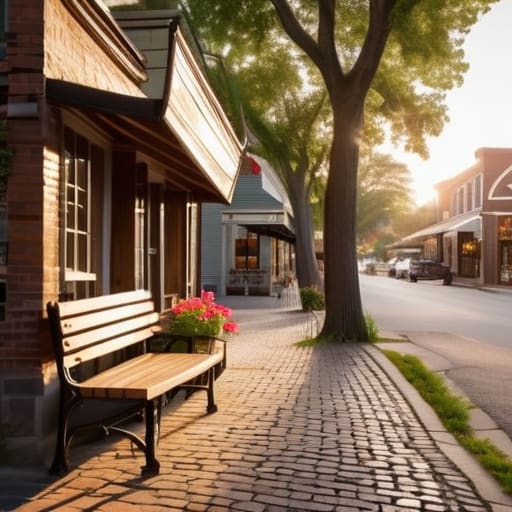
I was sitting in a sun-drenched plaza in a village outside of Lyon last Tuesday, watching a tourist struggle to navigate a menu that was clearly translated by a computer, and it hit me: we’ve completely commodified the idea of small town charm. We’ve been taught to look for it in curated “boutique” experiences, overpriced artisanal gift shops, and those perfectly staged Instagram corners that feel more like film sets than living, breathing communities. But you don’t find the heartbeat of a place in a souvenir shop; you find it in the smell of toasted sourdough drifting from a bakery that’s been there for three generations, or the way the local butcher knows exactly which cut of meat is best for tonight’s stew.
I’m not here to give you a checklist of the most “photogenic” spots or a guide to the trendiest weekend getaways. Instead, I want to show you how to actually listen to a place. I’ll be sharing the honest, unvarnished ways to find the real stories hidden in the quiet corners and crowded markets, moving past the postcard clichés to find the genuine connection between a culture and its kitchen.
Table of Contents
The Slow Rhythm of Peaceful Village Life
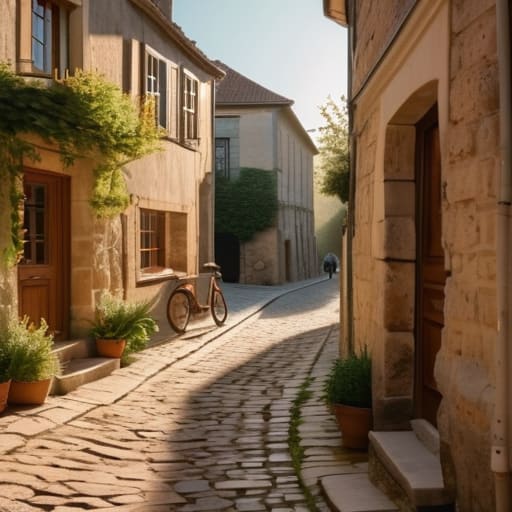
There is a specific kind of silence you only find in places where the clock seems to have lost its gears. It isn’t a hollow silence, though; it’s heavy with the sound of life moving at a human pace. Walking through these narrow lanes, I’m struck by the nostalgic small town vibes that settle over you like a soft linen blanket. You see it in the way a shopkeeper pauses a conversation to wave at a passing neighbor, or how the afternoon light lingers on a weathered stone wall. Everything feels intentional, as if the residents have collectively decided that rushing is a luxury they simply don’t need.
In these pockets of the world, the true rural living benefits aren’t found in a guidebook, but in the absence of urgency. I spent a Tuesday morning just sitting on a bench near the communal well, watching the way the light shifted across the square. There is a profound sense of belonging here, a community driven culture that transforms a collection of buildings into a living, breathing organism. You realize that the magic isn’t in the scenery, but in the shared rhythm of a life lived without the constant hum of the city.
Nostalgic Small Town Vibes Over Morning Coffee
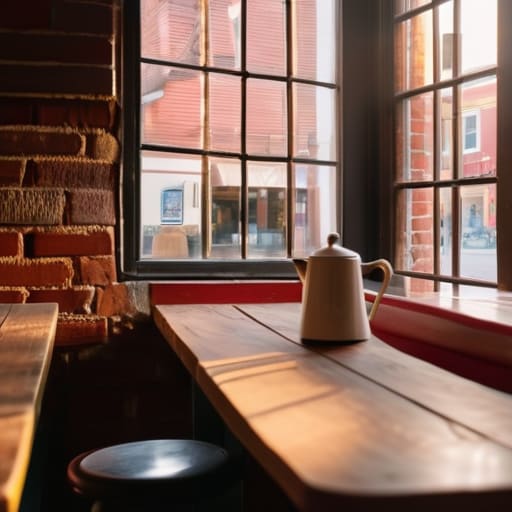
There is a specific kind of magic that happens when the sun first hits the brickwork of a town’s center. I usually find myself tucked into a corner booth of a cafe that smells faintly of toasted rye and old wood, watching the world wake up. It isn’t about the grand architecture, though the main street aesthetics are certainly lovely; it’s about the ritual. It’s the way the baker recognizes the regular at the next table, or the quiet nod exchanged between neighbors over a steaming espresso.
In these moments, you realize that nostalgic small town vibes aren’t just a curated aesthetic for a mood board. They are felt in the unhurried pace of a morning that refuses to be rushed by a digital clock. There is a profound sense of a community driven culture here, where the local coffee shop acts as the town’s living room. You aren’t just a consumer passing through; for a brief, caffeinated hour, you are a witness to the quiet, steady heartbeat of a place that knows exactly who it is.
How to actually find the heartbeat of a place
- Put the map away and let your nose lead the way. I always keep a small notebook for the scents of a market—the sharp sting of citrus or the heavy sweetness of roasting coffee—because if a street smells like nothing, you’re probably in a tourist trap.
- Eat where the menu is handwritten and the chairs look a little mismatched. If the locals are sitting there in their work clothes, ignoring the world around them, you’ve found the real kitchen.
- Learn the art of the “unhurried linger.” Small town charm isn’t something you can check off a list; it’s something you experience when you stop rushing to the next landmark and just sit on a bench to watch the light change on the cobblestones.
- Seek out the single-purpose shops. The tiny cobbler, the family-run apothecary, or the shop that only sells one type of spice—these are the anchors that keep a town’s culture from drifting away.
- Listen more than you talk. The best stories aren’t in the guidebooks; they’re whispered over a shared table or exchanged between neighbors at the morning market. Just be observant, stay grounded, and let the town reveal itself to you.
What to Look For When You Wander
Ignore the polished storefronts and follow your senses; the real character of a place is usually found in the scent of a spice stall or the sound of a local dialect echoing in a narrow alley.
Seek out the “slow” moments, like sitting in a cafe for an hour without checking your phone, to truly feel the unhurried pulse of a community.
Eat where the locals eat, not where the menus are translated into five different languages, because the most honest stories are always told over a shared, simple meal.
The Unseen Threads of Connection
Small town charm isn’t a curated aesthetic or a collection of quaint storefronts; it’s the unspoken familiarity between a vendor and a regular, the way the air smells of woodsmoke and damp earth, and that rare, quiet realization that you aren’t just passing through a place, but briefly stepping into the rhythm of a life already well-lived.
Anouk Verhoeven
Finding the Heart of the Journey
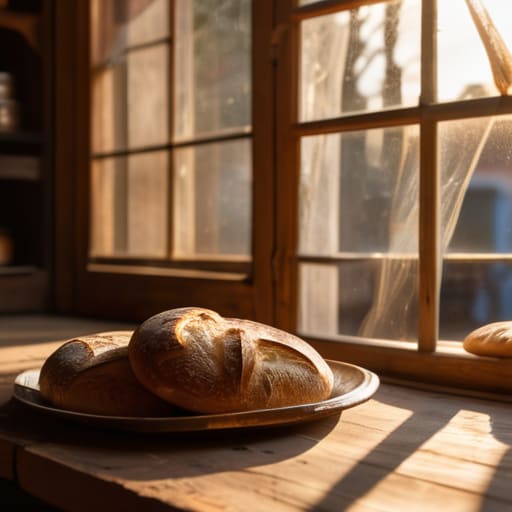
At the end of the day, small town charm isn’t about checking a famous landmark off a list or finding the most Instagrammable storefront. It’s about those quiet, unscripted moments we’ve touched on—the way the morning light hits a local bakery window, the rhythmic pace of a village that refuses to rush, and the genuine connection found over a shared meal in a space that feels more like a living room than a restaurant. When we stop looking for the spectacle and start looking for the soul of a place in its sensory details, the world starts to feel a lot smaller and a lot more intimate.
As I pack my notebook and get ready for my next destination, I’m reminded that we don’t travel just to see new landscapes, but to see the world through a different lens. I hope that the next time you find yourself in a place that feels “small,” you don’t rush through it. Instead, I hope you sit a little longer at that chipped wooden table, breathe in the scent of the local spice market, and let the slow pulse of the community settle into your own bones. After all, the most profound stories aren’t found in the guidebooks; they are waiting for you in the quiet corners of the everyday.
Frequently Asked Questions
How do you tell the difference between a town that's genuinely preserving its culture and one that's just a polished version of itself for tourists?
It’s all in the sensory details. A town preserving its soul smells like real life—damp earth, roasting coffee, or the sharp scent of local spices—not just vanilla-scented candles from a gift shop. Look for the “friction.” If you see locals arguing over produce in a market or a bakery that only sells one type of bread because that’s what the village has always done, it’s real. If everything is too perfect to touch, it’s a stage set.
Are there specific seasonal shifts or local festivals that make these small towns feel more alive than others?
It’s all about the calendar. In the Mediterranean, a village might feel sleepy until the harvest festivals arrive, turning quiet squares into sensory explosions of crushed grapes and woodsmoke. I’ve found that the real magic happens during these shifts—when a town’s entire identity pivots around a single seasonal ingredient. Whether it’s a truffle hunt in autumn or a spring flower market, these moments pull the community out of their homes and into the streets.
What are some practical ways to find those hidden, family-run eateries that don't show up on a standard Google Maps search?
I’ve learned that the best kitchens don’t have a digital footprint; they have a scent. I follow my nose toward the heaviest steam or the smell of toasted spices. I also look for the “lunchtime rush” of locals—if you see delivery drivers or construction crews huddled around small wooden tables, you’ve found gold. Honestly, just asking the person running the local flower stall or the cobbler usually works better than any algorithm.
