I was sitting in a tiny, wood-paneled tavern in the Pyrenees last autumn, nursing a bowl of thick lentil stew, when I overheard a group of travelers debating which high-tech, carbon-fiber gear was essential for their upcoming trek. It struck me how much we’ve turned mountain hiking into this performative ritual of expensive equipment and curated summit selfies. We spend so much time worrying about the perfect moisture-wicking layers or the most expensive GPS watch that we completely miss the point: the mountain doesn’t care about your brand name, and neither do the stories found in the valleys below.
I’m not here to sell you on a lifestyle or tell you that you need a thousand-euro backpack to find yourself. Instead, I want to share what I’ve learned from years of wandering through high altitudes and small mountain villages. I’ll give you the unfiltered reality of the trail—from how to find the best local cheese in a remote shepherd’s hut to the quiet, rhythmic exhaustion that comes with a real ascent. This isn’t a guide to the most Instagrammable peaks; it’s a way to experience the mountains through a lens of genuine connection and slow travel.
Table of Contents
The Essential Mountain Gear List for Quiet Solitude
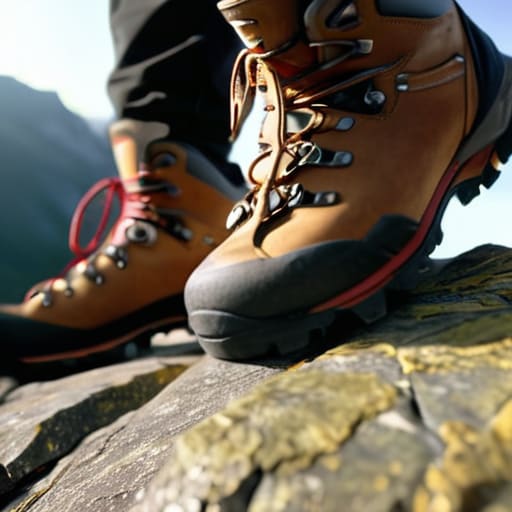
When I’m prepping for a trek, my approach is always the same: if it doesn’t serve a purpose or hold a memory, it stays home. I tend to pack light, favoring a minimalist kit that allows me to move through the landscape without feeling like I’m dragging a house on my back. The foundation of any essential mountain gear list starts from the ground up. I’ve learned the hard way that cheap footwear is a recipe for a ruined trip; investing in the best hiking boots for mountains—something with solid ankle support and a reliable grip—is the difference between a meditative walk and a painful struggle against the terrain.
Beyond the basics, I always prioritize tools that foster a sense of security. I never head into the backcountry without a reliable compass and a physical map, regardless of how good my GPS feels. Learning a few basic mountain trail navigation tips is vital when the mist rolls in and the world turns grey. It’s about more than just staying on the path; it’s about having the quiet confidence to know exactly where you are, even when the silence of the peaks feels a little too heavy.
Mastering Elevation Gain and Fitness Without the Crowds
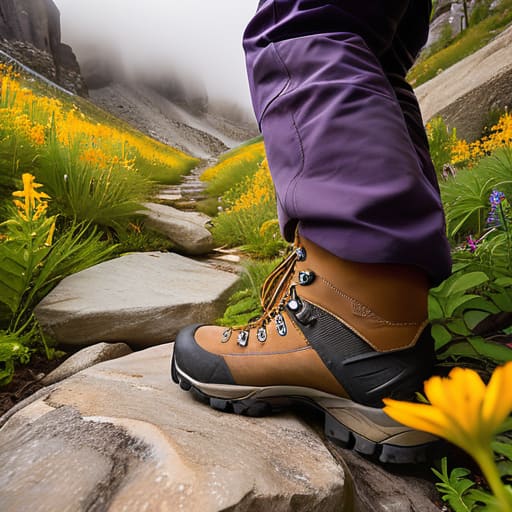
I’ve learned the hard way that there is a massive difference between a scenic stroll and the heavy, rhythmic pull of real elevation gain and fitness. When you’re moving away from the well-trodden paths and into the more rugged terrain, your body becomes your most important compass. I used to think I could just power through any incline, but the mountains have a way of humbling you. Now, I focus more on a slow, steady cadence—finding a rhythm that allows me to actually observe the shifting flora rather than just staring at my boots in exhaustion.
Preparation isn’t just about how many miles you can log in a week; it’s about how you respect the changing environment. As you climb, the air thins and the effort doubles, which is why understanding high altitude hiking safety becomes non-negotiable. I always make sure to hydrate long before I feel thirsty and listen to those subtle signals my lungs send me. It’s not about conquering the peak; it’s about having the stamina to sit at the top in silence, feeling completely present in the space you’ve earned.
The Unspoken Rules of the Trail
- Respect the silence of the peaks. When you’re the only one on the path, keep your music in your ears and your voice low; the mountain has its own rhythm, and it’s worth listening to without interruption.
- Pack for the sudden shifts. In the mountains, the weather doesn’t just change; it transforms. I’ve learned the hard way that a sunny morning is no guarantee against a sudden, biting mist by noon.
- Leave only the footprints you intended. I try to treat every trail like a museum exhibit—something precious and fragile that deserves to be left exactly as I found it, without a trace of my presence.
- Eat for the climb, not just for the view. Forget the heavy, processed snacks; I’ve found that simple, high-energy things like dried fruit or a bit of local cheese keep my focus much sharper when the incline gets steep.
- Trust your intuition over the map. If a trail feels wrong or the light is fading faster than expected, turn back. There is no shame in retreating to preserve the magic of the next ascent.
Finding the Rhythm of the Trail
Prioritize slow movement over speed; the goal isn’t to conquer the peak, but to remain present enough to notice the changing scents of the alpine flora.
Pack for self-sufficiency to ensure your solitude remains peaceful rather than precarious when the weather shifts unexpectedly.
Respect the silence of the high altitudes by choosing lesser-known paths, allowing the landscape to speak for itself without the distraction of heavy foot traffic.
Beyond the Summit
“I’ve learned that the true rhythm of the mountains isn’t found in reaching a peak, but in the way the air changes scent as you climb, and that slow, heavy silence that only exists when you’ve finally left the paved roads behind.”
Anouk Verhoeven
The Descent and the Discovery
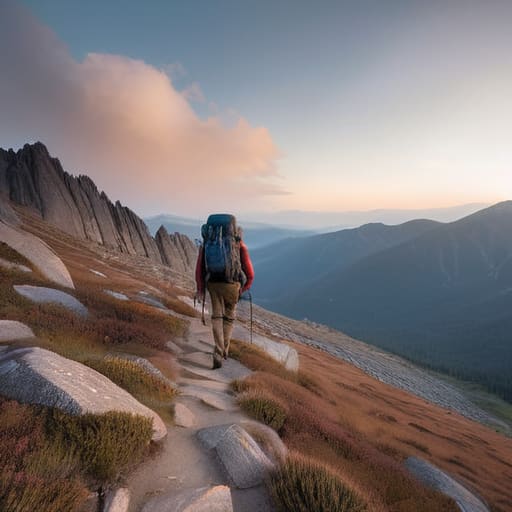
As you pack your gear and prepare to head back down the trail, I hope you carry more than just a few sore muscles. We’ve talked about the technicalities—the importance of having the right minimalist kit to keep you comfortable and the necessity of building a steady, rhythmic fitness that respects the terrain. But beyond the elevation charts and the gear checklists, remember that the goal isn’t to conquer the peak, but to move in harmony with the landscape. When you prioritize preparation and pacing over speed, you stop fighting the mountain and start actually seeing it.
Ultimately, these quiet ascents are about the spaces in between the milestones. It’s in the way the air thins and cools, the scent of crushed pine needles under your boots, and that singular, heavy silence that only exists above the tree line. I’ve found that the most profound lessons don’t come from the view at the top, but from the unhurried presence we maintain while we’re climbing. So, take the long way, breathe deeply, and let the mountains teach you how to simply be.
Frequently Asked Questions
How do I find those hidden, less-traveled paths without accidentally wandering into something unsafe?
I’ve learned the hard way that the best paths aren’t always on the main map. I usually look for local trail forums or, better yet, ask the person making the best coffee in the village below. They know the terrain intimately. Just keep a digital map downloaded for offline use and stick to trails that locals actually use. It’s about finding that balance between true seclusion and a path that someone else has actually walked.
What are some ways to stay connected to the local culture when I'm spending most of my time in remote high-altitude villages?
It’s easy to feel like a ghost passing through these villages, but you can bridge that gap through the senses. I always look for the communal hearth or the local bakery; there’s a specific rhythm to how people gather for tea or bread. Don’t just observe—participate. Ask about the ingredients in a dish, even if you can’t speak the language. Often, a shared meal or a simple, curious question about a local herb is the best way to belong.
Are there specific seasonal ingredients or mountain herbs I should look out for while trekking through different regions?
When I’m trekking, I always keep my notebook handy for more than just trail notes. In the spring, look for wild ramps or stinging nettles near damp, shaded slopes—they make a surprisingly grounding tea. As summer hits, keep an eye out for mountain thyme or juniper berries; the scent is intoxicating. It’s about more than just foraging; it’s about tasting the altitude. Just remember: never pick anything unless you’re absolutely certain.
