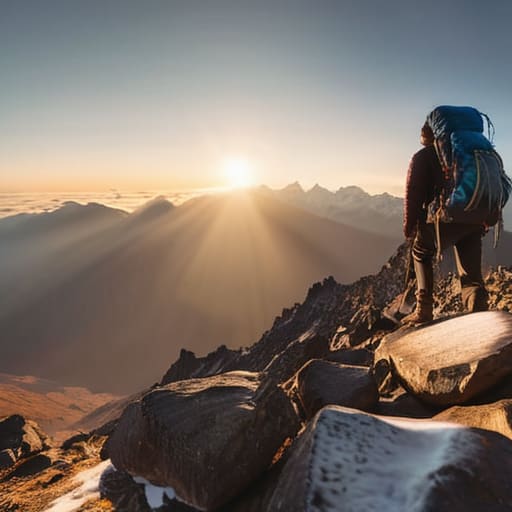
I’ve spent a lot of my life thinking that the most profound way to understand a new culture is through its kitchen, but lately, I’ve realized that the journey to those remote village markets often begins on foot. There is a specific kind of clarity that comes when you’re halfway up a mountain, far from the polished, air-conditioned tour buses that most travelers rely on. Everyone asks me where to find the best hiking trails in Asia, but they usually mean the ones with the most “Instagrammable” views or the easiest paved paths. To me, that’s missing the point entirely. The real magic isn’t just in the altitude; it’s in the quiet, unscripted moments—the way the air changes scent as you enter a pine forest, or the kindness of a stranger offering tea in a high-altitude hamlet.
In this post, I’m stepping away from the crowded tourist circuits to share five routes that actually feel like living. I won’t just give you a list of coordinates; I want to show you the paths that lead to the soul of the landscape. You’re going to discover five specific trails that offer more than just a workout—they offer a way to connect deeply with the terrain and the people who call these mountains home.
Table of Contents
- The Scent of Pine and Steaming Bowls in Northern Vietnam
- High Altitudes and Honeyed Tea in Bhutan
- Mist-Drenched Ridges and Spice Trails in Taiwan
- Island Rhythms and Salt Air in Indonesia
- The Golden Temples and Forest Paths of Bagan
- Finding the Heart of the Trail
- More Than Just the View
- Beyond the Final Step
- Frequently Asked Questions
The Scent of Pine and Steaming Bowls in Northern Vietnam
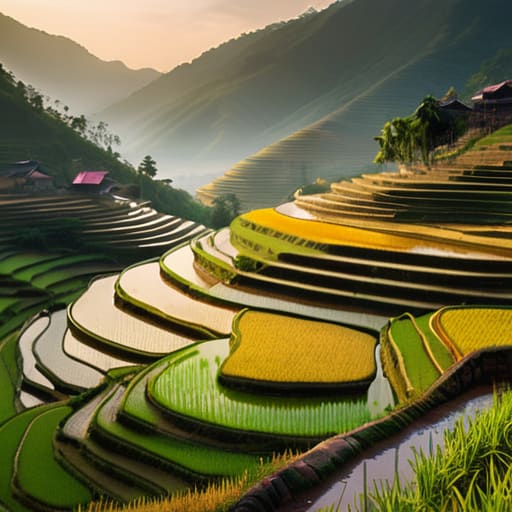
Most people head straight for the crowded markets of Sapa, but if you wander a bit further along the trails near Mu Cang Chai, the rhythm of life changes completely. The air up here doesn’t just smell like damp earth and mountain mist; it carries the faint, sweet aroma of drying rice stalks and woodsmoke from the valley below. I remember sitting on a stone ledge after a particularly grueling ascent, watching the terraces cascade down the mountainside like a giant, green staircase, feeling more connected to the landscape than I ever have in a museum.
High Altitudes and Honeyed Tea in Bhutan
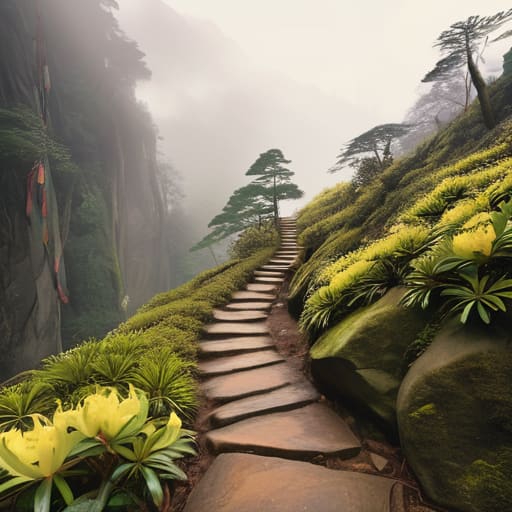
There is a specific kind of stillness you only find in the Himalayas, a silence so heavy it almost feels tactile. Hiking toward the Taktsang Monastery isn’t just a physical challenge; it’s a sensory shift. As you climb through the rhododendron forests, the scent of crushed pine needles and damp moss becomes almost intoxicating. I found myself pausing frequently, not just to catch my breath, but to really listen to the wind whistling through the prayer flags, a sound that seems to carry the weight of centuries.
Mist-Drenched Ridges and Spice Trails in Taiwan
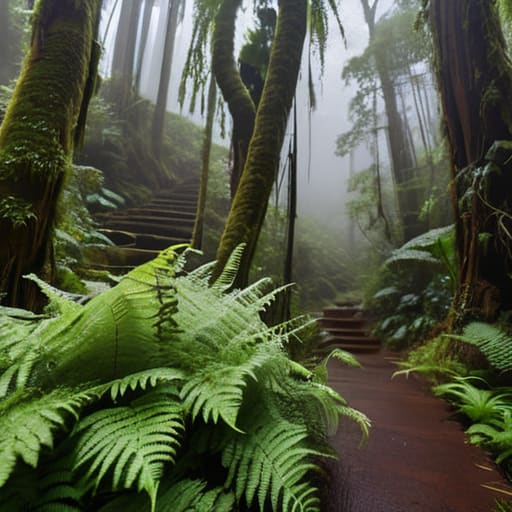
Taiwan’s central mountain range is often overlooked by those chasing the neon lights of Taipei, but the trails through Alishan are something else entirely. Walking through the ancient cypress forests feels like stepping into a living, breathing organism. The humidity clings to your skin, and the air is thick with the fragrance of damp bark and wild ferns. It’s a place where the fog rolls in so quickly that the world shrinks down to just the few feet of trail directly in front of you.
Island Rhythms and Salt Air in Indonesia
While everyone flocks to the beaches of Bali, I find myself drawn to the more rugged, volcanic trails of Mount Rinjani on Lombok. The trek is demanding, yes, but the sensory payoff is immense. One moment you are navigating through tropical jungle, surrounded by the heavy, floral scent of blooming orchids, and the next, you are stepping onto a lunar landscape of grey ash and volcanic stone. The contrast is strikingly beautiful and keeps your senses on high alert.
The Golden Temples and Forest Paths of Bagan
Hiking in Myanmar isn’t about vertical climbs; it’s about the horizontal journey through an endless sea of brick and dust. Exploring the outskirts of Bagan on foot allows you to slip past the tour buses and find the paths that weave through ancient, crumbling stupas. The heat can be intense, but it’s tempered by the shade of massive tamarind trees and the occasional breeze blowing across the plains. The air here smells of dry earth and incense, a scent that seems to permeate everything.
Finding the Heart of the Trail
Don’t just chase the view from the peak; the real soul of a journey is often found in the small, unplanned moments, like a shared meal with locals in a mountain village.
Pack for the terrain, but leave room in your mental notebook for the sensory details—the scent of damp earth after rain or the spice of a roadside snack.
The best hiking isn’t about ticking off a list of famous landmarks, but about letting the rhythm of the landscape change how you see the world.
More Than Just the View
We often measure a hike by the altitude gained or the miles logged, but I’ve found the real rhythm of Asia is found in the pauses—the way the air changes scent as you climb through a tea plantation, or that specific, quiet exhaustion that makes a bowl of steaming street noodles taste like a revelation.
Anouk Verhoeven
Beyond the Final Step
Looking back at these paths, it’s clear that the beauty of hiking through Asia isn’t just about the altitude or the sheer physical feat of the climb. Whether you’re navigating the misty, terraced slopes of northern Vietnam or finding your rhythm along the rugged coastlines of the Philippines, these trails offer something much deeper than a workout. They provide a window into how people live alongside the land, often leading you toward those unplanned encounters—a shared tea with a local farmer or the smell of woodsmoke drifting from a mountain village. Each trail is a thread in a much larger tapestry of culture and terrain that you simply can’t grasp from a tour bus window.
At the end of the day, I hope you don’t just chase the views or the perfect shot for your camera. The real reward is that quiet, heavy stillness you feel when you finally reach a ridge and realize how small, yet connected, you actually are. Let these journeys be less about checking a destination off a list and more about finding your own pace in a world that usually moves much too fast. Pack your boots, keep your notebook ready, and remember that the most meaningful parts of the trek are often the ones you didn’t see coming.
Frequently Asked Questions
How do I manage my gear and food supplies when trekking through more remote, rural areas where shops aren't easy to find?
When I’m deep in the mountains, I stop thinking about “supplies” and start thinking about “rhythm.” I pack lightweight, nutrient-dense staples—think dried lentils or high-quality nut butters—that don’t rely on a fridge. But the real secret? I always leave a little extra room in my pack for whatever a local farmer offers me along the way. Sometimes, a handful of fresh mountain berries or a wedge of local cheese is better than any dehydrated meal.
Are there specific times of year I should avoid certain trails to sidestep the monsoon season or extreme humidity?
Timing is everything. If you’re eyeing Southeast Asia, steer clear of the monsoon months—usually June through October—unless you enjoy hiking through literal rivers. The humidity alone can be soul-crushing, and the trails become slippery, muddy messes. I always aim for the “shoulder seasons”; you get the crisp air and clear skies without the sweltering heat or the heavy downpours that turn a lovely trek into a survival mission.
What's the best way to connect with local communities along these paths without feeling like I'm intruding on their daily lives?
It’s a delicate balance, isn’t it? I always try to follow the “slow approach.” Instead of rushing through a village to hit a trail marker, I’ll sit at a local tea stall for an hour. Don’t pull out a camera immediately; just observe. If you see a small family-run eatery, eat there. Buying a meal or a piece of fruit is a quiet way of saying, “I’m here to participate, not just observe.”
