
I remember waking up in a tiny, drafty studio in Marseille last autumn, the scent of salt air and toasted sourdough drifting through a cracked window. I felt less like a traveler and more like a piece of rusted machinery, my joints stiff from a mattress that had seen better decades. It’s easy to get lost in the wellness industry’s obsession with expensive yoga retreats or complex, hour-long morning flows that feel more like a chore than a ritual. But the real, unvarnished benefits of stretching after waking up aren’t found in a high-end gym; they are found in those quiet, unscripted moments when you finally allow your body to inhabit the space it’s in.
I’m not here to sell you a lifestyle or a complicated routine that requires a designer mat. Instead, I want to share what I’ve learned from years of living out of a suitcase and navigating the physical toll of constant movement. I’ll be walking you through a few simple, grounding movements that actually work for real life, helping you shake off that morning heaviness without the unnecessary hype.
Waking Up the Nervous System With Gentle Intent
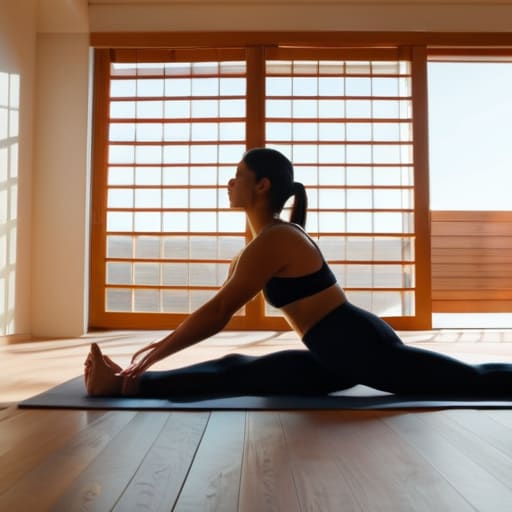
There is a specific kind of stillness that exists in a rental apartment just before the sun fully breaks through the shutters. In those moments, my body feels less like a vessel and more like a heavy, unformed piece of clay. I’ve learned that jumping straight into a frantic to-do list—or even a heavy caffeine hit—is a jarring way to greet the day. Instead, I focus on waking up the nervous system through slow, intentional movement. It isn’t about a rigorous workout; it’s about sending a signal to my brain that it is safe to transition from the dream state into the physical world.
I usually start with a few seated twists or a long, reaching stretch toward the ceiling, focusing entirely on the sensation of my breath. This simple morning mobility routine does more than just ease the transition; it feels like reclaiming my own skin. By prioritizing these quiet movements, I find I’m much more present when I finally step out into the street to find breakfast, rather than feeling like I’m merely chasing the clock.
Improving Circulation After Sleep Through Stillness

There’s a specific kind of heaviness that settles in after a long flight or a night spent in a strange, unfamiliar bed. I’ve felt it in countless tiny guesthouses from Lisbon to Kyoto—that stagnant, slightly bruised feeling in the limbs. When I wake up, my first instinct isn’t to rush toward the coffee pot, but to move slowly, focusing on improving circulation after sleep. It’s about coaxing the blood to move away from the stillness of rest and back into the extremities, much like how a slow simmer allows flavors to truly marry in a pot.
Instead of jarring movements, I opt for a few deliberate, flowing motions. Incorporating a bit of morning yoga for flexibility helps me shake off that nocturnal fog without overtaxing my body. It isn’t about a rigorous workout; it’s about acknowledging the physical transition from sleep to life. By prioritizing a few rhythmic stretches, I find that the stiffness begins to dissolve, replaced by a sense of warmth and readiness that carries me through the day’s first explorations.
Small Rituals for a More Grounded Morning
- Listen to your body before the caffeine hits; instead of forcing a pose, spend a few minutes just noticing where you feel tight or heavy, much like how I scan a new city for its familiar landmarks.
- Keep it slow and intentional to avoid jarring your system, treating your morning movements like the slow pour of a morning coffee rather than a rushed commute.
- Focus on your breath to bridge the gap between sleep and the day’s demands, using deep inhales to anchor yourself in the present moment before the digital noise begins.
- Incorporate gentle spinal twists to help “unfurl” the tension gathered overnight, giving your body a chance to find its natural alignment before you step out the door.
- Create a dedicated space for your practice, even if it’s just a small patch of sunlight on the floor, to signal to your mind that this time is purely for your own quiet transition.
Finding Your Own Morning Rhythm
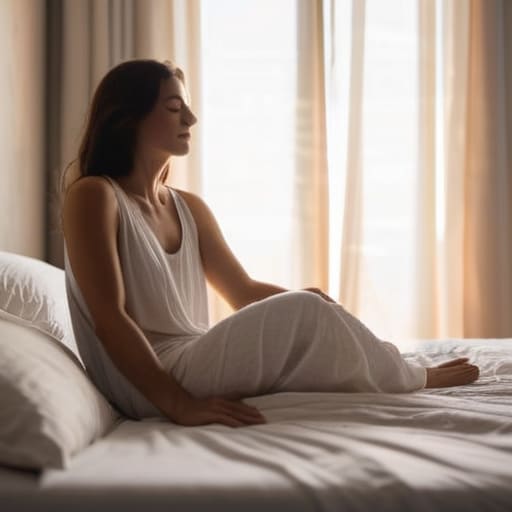
At the end of the day, these few minutes of movement aren’t about achieving a perfect yoga pose or following a rigid fitness regime. It’s really about the cumulative effect of waking up your nervous system and inviting blood flow back into your limbs after hours of stillness. By prioritizing these gentle stretches, you aren’t just addressing physical stiffness; you are actively preparing your body to transition from the dream state into the tangible, sensory world of the living. Whether it’s improving your circulation or simply settling your mind, these small, intentional actions serve as a foundation for how you carry yourself through the rest of your day.
I’ve learned through years of moving between different time zones and crowded city apartments that we cannot control the chaos waiting for us outside our doors, but we can control how we meet it. Think of your morning stretch as a quiet, private ritual—much like the way I sit in a new city and simply observe the light hitting a café table before the rush begins. It is an act of radical self-presence. Don’t feel pressured to make it a chore; instead, let it be a gentle homecoming to your own body, allowing you to step into the world feeling grounded, awake, and ready to taste everything it has to offer.
Sometimes, the hardest part of these morning rituals isn’t the movement itself, but finding the mental space to actually be present before the day’s demands take over. When I’m traveling and staying in a new city, I find that staying connected to the local pulse helps ground me, making the transition from sleep to movement feel much more natural. If you find yourself craving that sense of immediate, local connection to help settle your mind, exploring a local chat in Germany can be a lovely way to feel less like a stranger and more like a part of the living fabric of the place you’re in.
