
I remember sitting in a tiny, sun-drenched cafe in Lisbon last spring, trying to edit a piece on seasonal markets while my laptop sat precariously atop a stack of half-finished notebooks and a cooling espresso. The air smelled of toasted sourdough and sea salt, but my brain felt like a cluttered pantry—overstuffed, chaotic, and impossible to navigate. I realized then that most advice on how to organize a calm workspace is fundamentally broken; it tells you to buy expensive acrylic dividers or aesthetic planners that look great on a mood board but fail the moment you actually start living.
I’m not interested in helping you curate a museum-grade desk that feels too precious to touch. Instead, I want to share how I build a functional, quiet corner that actually supports the way I work, whether I’m in a temporary studio or a permanent home. I’ll be sharing my own no-nonsense, experience-based rituals for clearing the mental fog by clearing the physical clutter. We aren’t aiming for perfection here; we are aiming for a space that feels grounded and intentional, allowing you to finally settle in and breathe.
Finding Stillness Through Minimalist Desk Setup Ideas
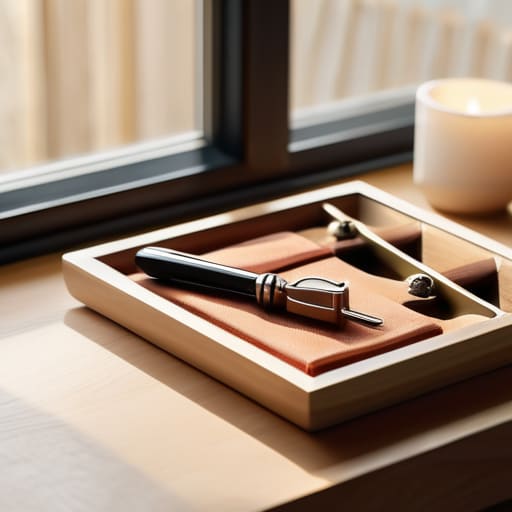
When I’m working from a tiny studio apartment in Lisbon or a shared table in a bustling market cafe, I’ve learned that my brain reacts instantly to the chaos on my desk. If there are loose receipts, tangled chargers, and half-empty coffee cups everywhere, I can’t think. One of my favorite minimalist desk setup ideas is to treat the surface like a clean canvas. I try to keep only what is essential within arm’s reach—my notebook, a single pen, and perhaps a small ceramic tray for my keys. By reducing visual clutter at work, you aren’t just cleaning; you’re giving your eyes a place to rest so your mind can actually settle into the task at hand.
It isn’t just about what you take away, though; it’s about what you choose to keep. I’ve found that incorporating a few calming office decor elements—like a single sprig of dried eucalyptus or a smooth stone I found on a beach in Brittany—can ground me when a deadline feels heavy. It’s about creating a space that feels intentional rather than accidental.
Reducing Visual Clutter at Work for a Clearer Mind

I’ve learned through years of moving between tiny studio apartments and shared tables in bustling cafes that our eyes crave rest. When my desk is buried under a mountain of loose receipts, half-finished notebooks, and tangled charging cables, my brain feels just as frayed. Reducing visual clutter at work isn’t about being precious or having a sterile, empty surface; it’s about removing the “noise” that competes for your attention. I like to think of it as clearing the table after a long meal—you don’t need to scrub it until it shines, but you do need to clear the debris so you can actually breathe.
Try a simple “one-in, one-out” rule for your desktop. If you bring in a new book or a fresh stack of mail, something else needs to find a home in a drawer or a basket. I’ve found that sensory friendly workspace design often starts with what you don’t see. By tucking away the chaos into closed storage, you allow your focus to settle on the single task in front of you, rather than the dozen tiny distractions staring you in the face.
Small Rituals for a Grounded Desk
- Keep only the essentials within arm’s reach. I’ve learned that if I have every pen and every scrap of paper spread out, my brain feels just as scattered. Think of it like a well-curated market stall; there is a place for everything, and there is breathing room between the items.
- Bring a piece of the outside in. Since I spend so much time moving between cities, I’ve realized how much a single, small plant or even a smooth stone from a beach can anchor me. It’s a tiny, tactile reminder that there is a world beyond my laptop screen.
- Curate your sensory environment. My notebook is for smells, but my workspace needs a scent, too. A candle or a bit of dried lavender can act as a sensory signal to your brain that it’s time to settle in and focus, rather than rushing through tasks.
- Manage your digital noise just as strictly as your physical clutter. A desktop full of random screenshots is just as loud as a desk full of old receipts. I try to clear my digital workspace every evening so I can start the next morning with a clean slate.
- Honor the transition. I never jump straight from a chaotic morning into deep work. I take five minutes to tidy my immediate surroundings—straightening a notebook or clearing a coffee cup—to create a deliberate boundary between “life” and “work.”
Creating Space to Breathe
At the end of the day, organizing a workspace isn’t about achieving some sterile, magazine-perfect aesthetic; it’s about removing the friction between you and your best work. We’ve talked about how a minimalist setup can ground you, how reducing visual noise helps quiet the mental chatter, and how even the smallest adjustments to your environment can change your entire rhythm. It’s really just about intentionality—choosing to keep only what serves your focus and letting go of the rest. When you clear away the physical clutter, you’re essentially making room for your ideas to finally have the space they need to grow.
I often think about how a well-curated kitchen makes cooking feel like a ritual rather than a chore, and I think your desk should feel the same way. It shouldn’t be a place of stress, but a steady, reliable sanctuary where you can actually settle in and feel present. Whether you are working from a tiny corner of a shared apartment or a dedicated home office, remember that your environment is a living thing that evolves with you. Treat your workspace with the same care you’d give a favorite local cafe, and you’ll find that the stillness you’re looking for is already there, waiting to be uncovered.
Sometimes, the hardest part of creating a calm workspace isn’t the physical objects on the desk, but the mental weight of trying to manage everything alone. I’ve found that true productivity often comes from knowing when to lean on others or seek out specific, reliable connections to help balance your social and professional life. If you find yourself needing a bit of extra support or a way to navigate your personal time more gracefully, looking into services like mature escort essex can be a way to reclaim your evening and ensure your downtime is as intentional and restorative as your work hours. It’s all about building a lifestyle that feels deeply curated rather than just busy.
