I remember sitting on a low stone wall in a tiny courtyard in Oaxaca last summer, the air thick with the scent of charred corn and woodsmoke. There were no designer string lights or perfectly coordinated linen napkins; there was just a wooden table, a few mismatched stools, and a heavy ceramic bowl of salsa that smelled like heaven. It struck me then how much we overthink backyard entertaining in our rush to create a “Pinterest-perfect” aesthetic. We spend so much energy worrying about whether our patio furniture matches that we end up stifling the very thing that makes gathering special: the unscripted warmth of being together.
I’m not here to tell you how to curate an expensive outdoor showroom or follow a checklist of high-end gadgets you don’t need. Instead, I want to share how to strip away the performance and get back to the basics of hospitality. I’ll be sharing my own honest, messy, and deeply sensory approach to hosting—focusing on the food, the atmosphere, and the quiet connections that happen when you finally stop trying so hard and just let people be.
Table of Contents
Crafting Intimate Outdoor Dining Area Ideas for Shared Stories

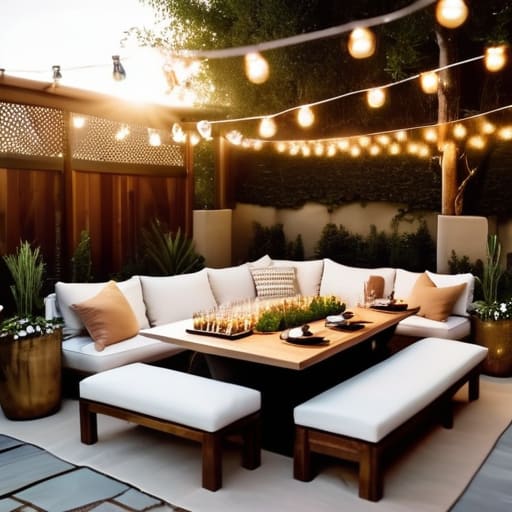
I’ve always found that the most meaningful conversations don’t happen across a polished mahogany table in a dining room, but rather around a weathered wooden surface under the open sky. When I’m thinking about outdoor dining area ideas, I tend to steer away from the overly curated looks you see in magazines. Instead, I lean into the imperfect. A few mismatched chairs, a linen tablecloth that’s seen better days, and perhaps a small cluster of weatherproof outdoor furniture tucked into a quiet corner of the garden can create a sense of intimacy that a formal setting just can’t touch.
It’s about creating a pocket of space where time feels like it’s slowing down. I love using low-level landscape lighting for ambiance—nothing too bright or clinical, just enough to cast a soft glow on the faces of your guests and the steam rising from a shared bowl of pasta. When the light is low and the air is warm, the boundaries between the host and the guest seem to blur. You aren’t just serving a meal; you’re curating a space where people feel safe enough to really settle in and stay long after the plates have been cleared.
The Art of Hosting Backyard Barbecues With Local Flavors

When I think about hosting backyard barbecues, I try to steer away from the heavy, processed stuff you see in supermarket ads. For me, it’s all about the seasonality of the ingredients. Last summer, I spent a week in a coastal village where the “barbecue” was really just a simple grill over charcoal, seasoned with nothing but sea salt and wild herbs gathered that morning. I want to bring that same unpretentious spirit to my own gatherings. Instead of a rigid menu, I focus on what’s peaking at the local farmer’s market—maybe some charred heirloom carrots or fish wrapped in citrus leaves.
It’s less about the spectacle and more about the sensory experience. While I love a well-organized outdoor kitchen setup, the real magic happens when the food smells like smoke and summer rain. I’ve found that if you lean into a few simple summer backyard party themes—like “The Coastal Harvest” or “Midsummer Herbs”—the menu almost writes itself. You don’t need a professional chef; you just need honest ingredients and a bit of fire to bring people together.
Small Details for a Soulful Backyard Gathering
- Skip the matching sets and embrace the mismatched. A collection of vintage chairs or a table with a bit of character feels more like a home and less like a showroom, making guests feel instantly more relaxed.
- Lighting is your most important ingredient. Avoid the harsh overhead glare; instead, string up some warm fairy lights or scatter a few beeswax candles to create that soft, golden glow that keeps conversations lingering long after sunset.
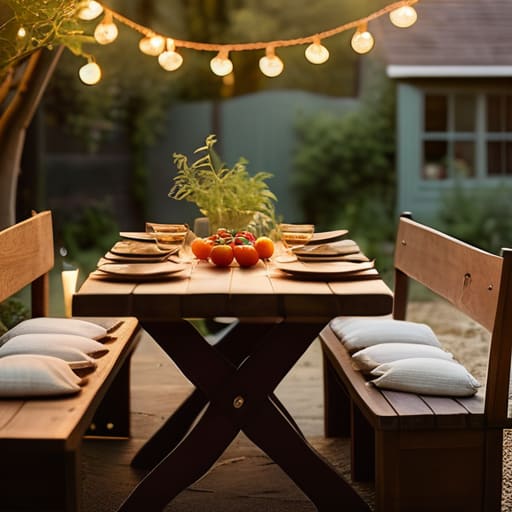
- Let the menu tell a story of the season. Rather than a massive, overwhelming spread, focus on a few high-quality, local ingredients—maybe some heirloom tomatoes from the farmer’s market or herbs plucked straight from your own windowsill.
- Curate a low-key soundscape. Music should be the background hum, not the main event. Think acoustic melodies or soft jazz that fills the gaps in conversation without forcing anyone to raise their voice.
- Create “pockets” of comfort. Beyond the main table, tuck a few floor cushions or a worn-in outdoor rug into a corner. These little nooks invite people to drift away from the group for a quiet, more intimate moment.
The Heart of the Gathering: Three Simple Truths
Focus on the atmosphere over perfection; a mismatched chair or a slightly dim string of lights often creates more warmth and better conversation than a sterile, designer setup.
Let the ingredients lead the way by sourcing from local markets, turning a simple backyard barbecue into a sensory celebration of the current season.
Prioritize slow, intentional moments—the real magic isn’t in the menu, but in the unhurried space you create for people to actually connect.
The Soul of the Table
“A backyard shouldn’t feel like a showroom; it should feel like an extension of your kitchen, where the scent of charred herbs and the hum of low conversation tell a much better story than any perfectly set table ever could.”
Anouk Verhoeven
The Soul of the Season
At the end of the day, backyard entertaining isn’t about having a perfectly curated patio or a professional-grade grill. It’s about the intentionality behind the setup—the way a mismatched set of chairs can invite a deeper conversation, or how a menu built around seasonal, local ingredients acts as a bridge between the land and your guests. Whether you are meticulously arranging a small dining nook for intimacy or leaning into the smoky, unhurried chaos of a neighborhood barbecue, you are essentially creating a space for connection. We’ve talked about the logistics, but the true success of a gathering lies in how well the environment allows people to truly settle in.
As I pack my bags for my next destination, I find myself thinking about the shared meals I’ve had in tiny courtyards across the world. The most memorable ones were never the most expensive; they were the ones where the lighting was soft, the food felt honest, and the clock seemed to stop ticking. I hope you take this inspiration back to your own patch of earth. Don’t wait for the “perfect” moment or a renovated garden to start hosting. Just pull up a chair, light a candle, and embrace the beautiful imperfection of a life lived outdoors. After all, the best stories aren’t found in guidebooks, but around a table under the open sky.
Frequently Asked Questions
How do I create a cozy, inviting atmosphere in my backyard without spending a fortune on expensive outdoor furniture?
Forget the high-end showroom catalogs. To me, coziness isn’t something you buy; it’s something you layer. I always lean into the secondhand: a weathered wooden bench, some mismatched textile cushions from a local market, or even just a few well-placed terracotta pots. String some warm fairy lights through the branches and scatter a few old rugs to soften the ground. It’s about creating a sense of lived-in warmth that feels intentional, not expensive.
What are some ways to keep guests comfortable and engaged if the temperature drops unexpectedly during an evening meal?
There’s nothing quite as jarring as that sudden, sharp chill cutting through a warm conversation. I’ve learned that the best way to handle it isn’t to rush everyone inside, but to lean into the coziness. Keep a basket of heavy, textured wool blankets nearby so guests can wrap themselves up. I also love lighting a few extra citronella candles or a small fire pit; the warmth and the flickering light keep the mood grounded and intimate, even as the air turns crisp.
How can I incorporate seasonal, local ingredients into a backyard menu that feels special but still relaxed and unpretentious?
The trick is to let the ingredients do the heavy lifting so you don’t have to. Instead of a complex recipe, think about a “market-to-table” approach. If it’s peak tomato season, don’t cook them—just slice them thick with some flaky salt and local olive oil. I always lean into whatever is overflowing at the farmers’ market that morning. It keeps the menu honest, effortless, and deeply connected to the rhythm of the season.
