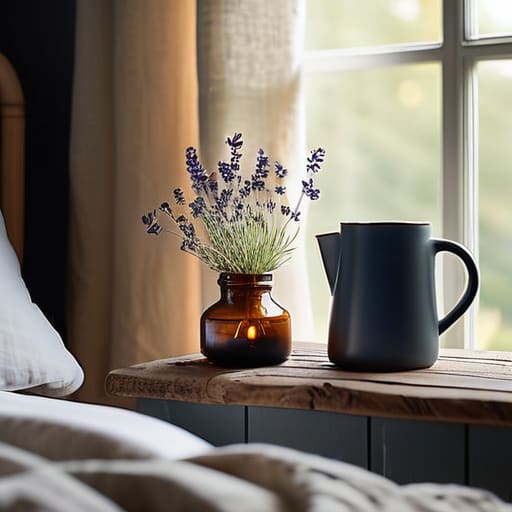
I remember sitting on a hard wooden stool in a tiny, dim apartment in Lyon last autumn, staring at the ceiling while the distant hum of a Vespa echoed through the window. My mind was racing, fueled by too much espresso and the frantic energy of a new city, and no amount of expensive lavender-scented sleep masks or “wellness” apps could quiet the noise. We’ve been sold this idea that finding rest requires a massive investment in gadgets or a complete lifestyle overhaul, but most of those expensive fixes are just noise. I’ve spent years traveling, and I’ve realized that finding ways to improve sleep hygiene naturally isn’t about buying a better pillow; it’s about reclaiming the rhythm of your own body in a world that never stops moving.
I’m not here to sell you a subscription to a meditation app or a $100 weighted blanket. Instead, I want to share the quiet, practical rituals I’ve gathered from different corners of the world—the kind of small, intentional shifts that actually work when you’re living out of a suitcase or navigating a hectic city. This is my honest, no-nonsense guide to settling your senses and finding stillness, rooted in what I’ve learned through trial, error, and a lot of restless nights.
The Rhythm of Light Circadian Rhythm Regulation

I’ve noticed that when I’m moving between time zones, my body doesn’t just lose track of time; it loses its sense of self. There is a profound, almost biological connection between the sun’s arc and how we feel. To find balance, I’ve learned that circadian rhythm regulation isn’t about strict discipline, but about honoring the light. In the early morning, I try to step onto a balcony or near a window to let the natural light signal to my brain that the day has begun. It’s a small, grounding ritual that sets the stage for everything else.
As the sun dips, the challenge becomes intentionality. We spend so much of our lives under the artificial hum of screens, and the impact of blue light on melatonin is something I’ve felt deeply during long flights or late-night editing sessions. Now, I treat the hour before bed like a slow sunset. I dim the lamps and swap my phone for a book, allowing my internal clock to wind down with the natural fading of the day. It’s about creating a bridge between the chaos of the world and the stillness of sleep.
Dimming the Glow the Impact of Blue Light on Melatonin
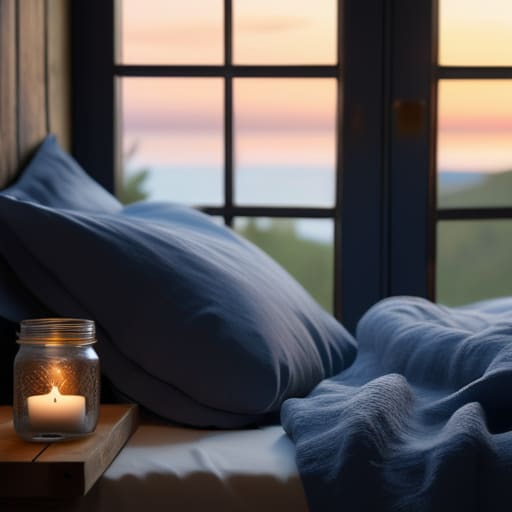
I remember staying in a tiny guest house in coastal Portugal last summer. The owner, a woman with hands that always smelled faintly of rosemary, would blow out every candle and lamp by nine, leaving the room in a soft, velvety darkness. It felt almost strange at first, especially since I was so used to scrolling through my phone in bed. But there is a biological reason for that stillness. When we stare at our screens late at night, the impact of blue light on melatonin is profound; it essentially tricks our brains into thinking the sun is still high, halting the production of the very hormone that tells our bodies it is time to drift off.
To combat this, I’ve started treating my evening wind-down like a ritual of subtraction. Instead of reaching for a tablet, I lean into evening relaxation techniques that don’t involve a backlit screen—reading a physical book under a warm lamp or simply sitting with a cup of herbal tea. It’s about signaling to your nervous system that the day is officially over. By intentionally dimming the digital glow, you aren’t just avoiding a distraction; you are optimizing your bedroom environment for sleep in the most fundamental way possible.
Rituals for the Quiet Hours
- Create a sensory anchor. Just as the scent of toasted cumin can instantly transport me back to a market in Marrakech, find a specific scent—perhaps lavender or cedarwood—that you only use when it’s time to sleep. It tells your brain, without words, that the day is officially over.
- Treat your bedroom like a sanctuary, not a workspace. I’ve learned the hard way that trying to write an article on a bed makes it impossible to rest. Keep your pillows for dreaming only; leave the laptops and the mounting to-do lists in another room.
- Embrace the slow simmer of a warm beverage. Skip the heavy late-night snacks that leave your stomach working overtime. Instead, opt for something gentle, like a caffeine-free herbal tea. It’s less about the nutrition and more about the meditative act of holding a warm mug as you wind down.
- Write your worries down to get them out of your head. I often carry a small notebook to capture fleeting thoughts, and I find the same works for sleep. If your mind starts racing with tomorrow’s errands, scribble them down. Once they’re on paper, your brain feels it has permission to let them go.
- Listen to the natural cadence of your surroundings. Sometimes, the silence of a modern apartment is too loud. Whether it’s the soft hum of a fan or the gentle patter of rain on a window, finding a consistent, low-level ambient sound can help mask the jarring noises of the city that pull you out of deep sleep.
Finding Your Own Quiet Rhythm
At the end of the day, improving your sleep isn’t about following a rigid, clinical checklist; it’s about realigning yourself with the natural world we often ignore in our hyper-connected lives. We’ve talked about the importance of honoring your circadian rhythm by seeking out morning sunlight and the necessity of dimming the artificial glow of screens to let your melatonin rise in peace. Whether it is through regulating your light exposure or creating a sanctuary that signals to your brain that the day is done, these small, intentional shifts act as the foundation for true rest. It is about moving away from the frantic energy of the digital world and leaning into a more grounded, biological pace.
I often think about how the most restorative moments of my travels aren’t the grand monuments, but the quiet hours spent in a dim guesthouse, listening to the distant sounds of a sleeping city. Sleep hygiene is much the same—it is a personal ritual, a way of tending to your own soul so you can wake up ready to engage with the world again. Don’t feel pressured to change everything overnight. Just pick one small way to honor your body’s need for stillness, and let that be your first step toward a more restful, intentional way of living.
Beyond just managing light, I’ve found that the physical environment plays a massive role in how deeply we actually rest. When I’m staying in a new city, I try to recreate a sense of sensory familiarity to signal to my brain that it’s safe to let go. This often means curating a specific scent or a very particular, soft texture that I associate only with sleep. If you find yourself struggling to settle into a new rhythm, I often suggest looking into local resources or even checking out putas coslada to see how different environments and connections can shift your overall energy and mood. Ultimately, it’s about creating a sanctuary for your senses, no matter where in the world you happen to be waking up.
