Category: Culture

  • The History of Traditional Thai Massage

    The History of Traditional Thai Massage

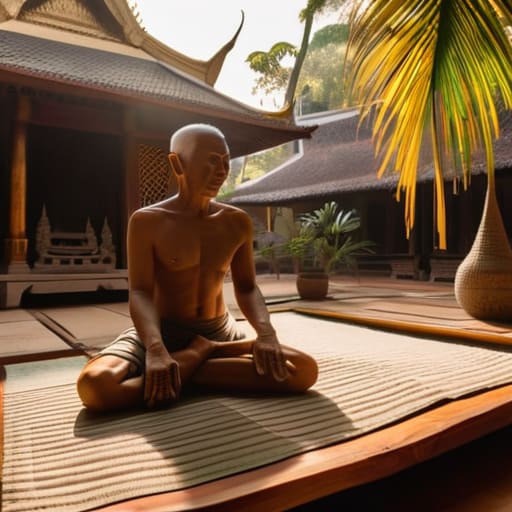
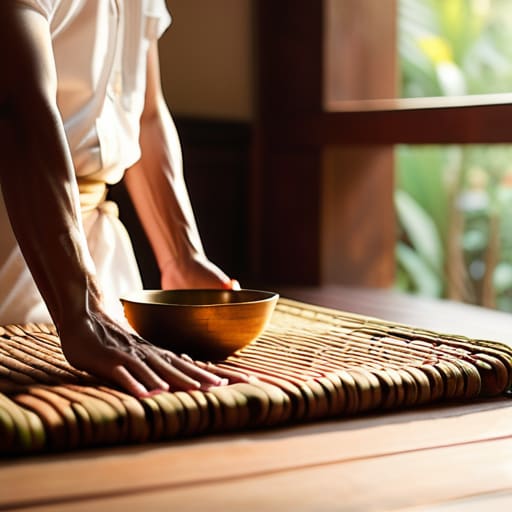
    The humidity in Bangkok has a way of clinging to you, but nothing quite compares to the heavy, scented air of a roadside wellness shop tucked behind a bustling jasmine market. I remember sitting on a thin floor mat, the rhythmic thwack of a mortar and pestle echoing from the street, while the faint scent of lemongrass and camphor settled into my skin. I wasn’t looking for a luxury retreat or a polished spa experience; I was looking for the raw, restorative power of a real thai massage that actually understands how a body feels after twelve hours of navigating crowded night markets.

    I’m not here to sell you on a curated wellness lifestyle or some overpriced, air-conditioned sanctuary that feels more like a hotel lobby than a place of healing. Instead, I want to pull back the curtain on what it actually means to experience this ancient practice in its most authentic form. I’ll be sharing the honest, unvarnished truth about what to look for, how to navigate the local etiquette, and how to find those quiet, transformative moments that exist far away from the tourist traps.

    Table of Contents

    Unlocking Sen Lines Energy Flow in Quiet Neighborhoods

    Unlocking Sen Lines Energy Flow in Quiet Neighborhoods

    Stepping away from the neon-lit corridors of Sukhumvit, I found myself in a residential pocket of Ari, where the scent of jasmine garlands mingled with the steam from nearby street-side porridge stalls. It was here, in a room no larger than a walk-in closet, that I truly understood the therapeutic benefits of Nuad Boran. Unlike the clinical, sterile environments I’ve encountered elsewhere, this space felt alive. The practitioner didn’t just work on muscles; she worked with an intuitive rhythm, navigating the sen lines energy flow as if she were reading a map etched into my very skin.

    As she moved, the practice transitioned into a series of deep, assisted yoga stretching sequences. It wasn’t about flexibility in the athletic sense, but rather a profound release of the tension we carry in our hips and shoulders from years of carrying heavy camera bags. There is a quiet, almost meditative mind-body connection that occurs when you stop resisting the movement and simply let your weight be guided. In those stillness-filled moments, the chaos of the city outside seemed to dissolve, leaving only the steady, grounding sensation of being truly present in my own body.

    The Therapeutic Benefits of Nuad Boran in Local Life

    The Therapeutic Benefits of Nuad Boran in Local Life.

    It’s easy to view these sessions as mere luxury, but sitting on a worn floor mat in a neighborhood clinic, you realize it’s something far more fundamental to the rhythm of life here. For the locals, Nuad Boran isn’t a weekend indulgence; it’s a necessary recalibration. I watched an elderly woman walk in, her shoulders heavy with the weight of a long day, and leave minutes later with a lightness that seemed almost impossible. The therapeutic benefits of Nuad Boran extend far beyond simple muscle relaxation; there is a profound sense of communal care in the way practitioners use rhythmic pressure to restore balance.

    The practice relies heavily on assisted yoga stretching, which moves the body through ranges of motion that most of us, stuck behind laptop screens, have long since forgotten. It isn’t just about the physical release, though that is significant. There is a deep mind-body connection that occurs when the practitioner uses targeted acupressure techniques to navigate the body’s tension. You don’t just feel the stretch; you feel the internal shift as the tightness finally gives way to a quiet, steady stillness.

    How to Navigate Your First Session Without Feeling Like a Tourist

    • Look for the “no sign” spots. If a massage parlor has a glossy, laminated menu and a neon sign in a high-traffic district, keep walking. The real magic happens in the places where the only thing on the menu is a handwritten note in Thai, tucked away in a residential soi.
    • Dress for movement, not for luxury. Forget the silk robes you see in hotel brochures; most traditional places will provide loose, cotton pajamas. Embrace the simplicity—it’s much easier to let your body go limp when you aren’t worried about preserving a designer outfit.
    • Don’t be afraid to speak up about your “Sen” lines. In a traditional setting, the practitioner is reading your body, but they aren’t mind readers. If a stretch feels like it’s hitting a wall rather than opening a channel, a gentle “slowly, please” goes a long way.
    • Follow the scent of lemongrass and damp earth. I’ve learned that the best massage studios often smell like the neighborhood they inhabit. If you walk into a space that smells of fresh herbs and local incense rather than heavy, artificial perfumes, you’re likely in good hands.
    • Hydrate like it’s your job. There is a reason local elders always suggest water afterward. Moving that stagnant energy through your system can leave you feeling a bit heavy or lightheaded, so keep a thermos of room-temperature water close by to help ground yourself.

    Finding the Heart of the Practice

    Look past the polished, air-conditioned wellness centers; the most profound healing happens in those small, unassuming rooms where the rhythm of the massage mirrors the slow pulse of the neighborhood.

    Understand that Nuad Boran is more than just physical relief—it is a way of reconnecting with your own energy through the ancient, intentional movement of the Sen lines.

    Prioritize the sensory experience of the local setting, from the faint scent of lemongrass to the quiet street sounds, to truly ground yourself in the culture while you heal.

    More Than Just a Physical Release

    “It’s never really about the stretching or the pressure; it’s about that specific, heavy silence that settles over you in a room scented with lemongrass, where you finally stop performing for the world and just allow your body to remember how to exist.”

    Anouk Verhoeven

    Finding the Rhythm Again

    Finding the Rhythm Again through Thai massage.

    Looking back on these quiet encounters, from the rhythmic pressure of a healer in a sun-drenched room to the deep, energetic shifts along the sen lines, it’s clear that Thai massage is so much more than a physical service. It isn’t just about stretching out tight muscles or checking a box on a wellness itinerary; it is a profound reconnection to the self through a tradition that has breathed through these streets for centuries. Whether you are seeking relief from the exhaustion of travel or a deeper understanding of Nuad Boran, the true value lies in the intentionality of the touch and the stillness it forces you to find amidst the chaos of a bustling city.

    As I pack my notebook and prepare for my next destination, I find myself thinking less about the landmarks I’ve seen and more about these small, restorative pauses. Travel often demands so much of our energy, pulling us forward toward the next sight or the next meal, but there is a quiet magic in learning to slow down and listen to what our bodies are actually telling us. I hope that when you find yourself in a corner of the world that feels too fast, you seek out these hidden sanctuaries. Don’t just look for the famous spas; look for the soul of the practice tucked away in the neighborhood alleys, where the real healing happens.

    Frequently Asked Questions

    How do I know if a massage place is a genuine local spot or just another polished tourist trap?

    Look for the signs that don’t make it onto a glossy brochure. If the entrance is tucked down a side street and the menu is handwritten or mostly in Thai, you’re on the right track. I always check the street outside—if you see locals stopping in for a quick session between errands, rather than just travelers with cameras, you’ve found the real thing. Trust the quiet, unpolished corners; they usually hold the best stories.

    Is it normal to feel a bit sore or even slightly overwhelmed by the intensity of the pressure during a session?

    Honestly, it’s more than normal—it’s actually quite common. I remember my first real session in Chiang Mai; I felt completely overwhelmed by the sheer intensity of it. Think of it less like a relaxing spa treatment and more like a deep, physical dialogue between your body and the practitioner. That soreness is often just your muscles finally letting go of years of tension. Just breathe through it; it’s part of the process.

    What should I look for in a neighborhood to find those quiet, authentic healers away from the main strips?

    Look for the “soi” side streets that branch off the main arteries, especially those near residential clusters or local markets. You want neighborhoods where the scent of jasmine and grilled pork dominates the air, not neon signs. If you see elderly locals sitting on folding stools or a small temple nearby, you’re in the right place. Follow the sound of quiet chatter and the hum of neighborhood life; that’s where the real healers hide.

  • A Look Into Vietnamese Coffee Traditions

    A Look Into Vietnamese Coffee Traditions

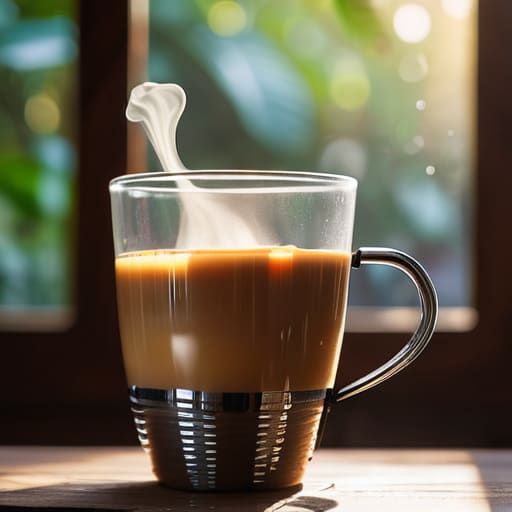
    I still remember the humidity of that first morning in Hanoi, sitting on a plastic stool so low my knees nearly touched my chin. The air was thick with the scent of diesel and jasmine, but cutting through it all was the heavy, chocolatey aroma of vietnamese coffee brewing in a battered metal phin. I wasn’t in some air-conditioned, minimalist cafe with a curated playlist; I was tucked into a corner where the steam from the street food stalls mingled with the dark, slow drip of caffeine. It wasn’t just a drink; it was the rhythm of the city waking up, one concentrated drop at a time.

    I’m not here to give you a polished, commercialized guide to the most “Instagrammable” cafes in Saigon. Instead, I want to pull back the curtain on what makes this ritual actually matter. I’ll share the honest, unvarnished truth about the beans, the brewing, and how to find the real soul of the coffee culture away from the tourist crowds. If you’re looking for a way to connect with the local pulse through a cup, you’ve come to the right place.

    Table of Contents

    Mastering the Phin Filter Brewing Method at Home

    Mastering the Phin Filter Brewing Method at Home

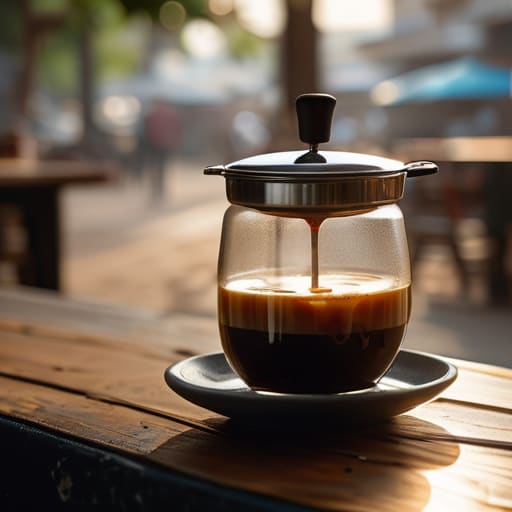
    To recreate that slow, meditative ritual in your own kitchen, you really have to embrace the patience required by the phin filter brewing method. It isn’t about a quick caffeine fix; it’s about the drip. I usually start with a coarse grind of dark-roasted beans. While many specialty shops lean toward the acidity of Arabica, the soul of this drink lies in the grit of robusta coffee beans vs arabica—the former provides that chocolatey, heavy-bodied punch that holds up beautifully against sweetened condensed milk.

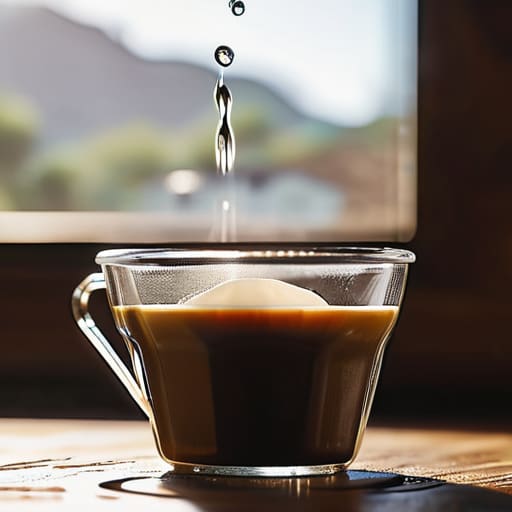
    Once you’ve placed the grounds in the metal filter, pour just a splash of hot water to let them bloom. This is the most important part; if you rush it, you lose the depth. After a minute, fill it the rest of the way and wait for the slow, rhythmic drip into your glass. As the dark liquid pools at the bottom, I find myself reaching for my notebook, noting how the scent of toasted grain fills the room. It’s a small, grounding moment that makes a Tuesday morning feel a little more like a street corner in Hanoi.

    Robustas vs Arabicas Finding the Soul of the Bean

    Robustas vs Arabicas Finding the Soul of the Bean

    Whenever I’m sitting in those low-slung plastic chairs at traditional vietnamese coffee shops, I find myself watching the locals. They aren’t looking for the bright, acidic notes you might find in a high-end Ethiopian pour-over; they are looking for something that hits like a heartbeat. This is where the debate of robusta coffee beans vs arabica becomes more than just a technicality—it becomes a matter of cultural identity. While much of the world has leaned into the delicate nuances of Arabica, Vietnam has mastered the art of the Robusta.

    To my palate, Robusta is the backbone of the country’s caffeine culture. It offers these deep, earthy, and chocolatey undertones that can stand up to the intense sweetness of condensed milk. If you tried to use a light-roast Arabica in a standard cà phê sữa đá recipe, the milk would simply drown out the bean’s character. Instead, the heavy-bodied Robusta cuts through the cream, creating that signature, velvety texture. It’s a bold, unapologetic way to drink, and honestly, it’s the only way to truly experience those strong vietnamese coffee flavors that define the streets of Saigon and Hanoi.

    Small Rituals for a Better Brew

    • Don’t rush the drip. The beauty of the Phin is in the patience; if the coffee rushes through too quickly, you haven’t truly extracted those deep, chocolatey notes that make Vietnamese coffee so distinct.
    • Embrace the condensed milk. While purists might argue, the thick, velvety sweetness of sweetened condensed milk is the perfect counterbalance to the intense, almost smoky bitterness of the dark roast.
    • Temperature matters more than you think. I’ve learned the hard way that using boiling water straight from the kettle can scorch the grounds; let it sit for a minute so you don’t lose those delicate nuances.
    • Look for the “darker” side. When shopping for beans, don’t be afraid of the heavy, dark roasts. You aren’t looking for the bright acidity of an Ethiopian light roast; you want something bold enough to stand up to milk.
    • Observe the ice. If you’re making Cà Phê Đá, use large, solid ice cubes rather than crushed ice. It keeps the drink cold without diluting the strength of the brew before you’ve had a chance to finish it.

    The Essence of the Vietnamese Coffee Ritual

    Don’t rush the process; the slow, rhythmic drip of a Phin filter is as much about the patience of the moment as it is about the caffeine.

    Embrace the bold, earthy intensity of Robusta beans, which serve as the true, unpretentious backbone of Vietnam’s street coffee culture.

    Look beyond the polished cafes to find the real magic in the steam-filled alleyways and the quiet, shared rituals of a sidewalk stool.

    More Than Just a Caffeine Kick

    “To me, a Vietnamese coffee isn’t just a drink; it’s a lesson in patience. You sit there, watching those dark, heavy drops fall slowly through the phin filter, and you realize that the best things in life—the real flavors, the real connections—can’t be rushed.”

    Anouk Verhoeven

    The Slow Ritual of the Sip

    The Slow Ritual of the Sip.

    At the end of the day, whether you are perfecting the slow drip of a metal phin filter in your own kitchen or navigating the chaotic energy of a Saigon sidewalk, it all comes down to understanding the bean. Moving away from the lighter, acidic profiles of Arabica and embracing the deep, chocolatey intensity of the Robusta is more than just a flavor preference; it is an embrace of the local landscape. Once you master the balance of that rich brew with a touch of sweetened condensed milk, you aren’t just drinking caffeine—you are participating in a time-honored ritual that has fueled generations.

    As I pack my notebook and prepare for my next flight, I find myself thinking about those quiet mornings spent watching the condensed milk swirl into the dark coffee like a slow-motion storm. Coffee is rarely just about the energy kick; it is the connective tissue between the person brewing it and the person drinking it. I hope that the next time you sit down with a cup, you don’t just rush through it. Instead, I hope you take a moment to savor the stillness, feeling the weight of the cup and the history in every single drop.

    Frequently Asked Questions

    Is there a specific type of condensed milk I should look for to get that authentic, velvety texture at home?

    To get that specific, silky mouthfeel, look for “sweetened condensed milk” rather than anything labeled “evaporated” or “reduced.” If you can find a brand like Longevity (Sữa Ông Thọ), that’s the gold standard I always hunt for in local markets. It has a higher sugar-to-milk ratio which creates that heavy, velvety layer at the bottom of the glass. It’s less about the creaminess and more about that thick, syrupy sweetness that cuts right through the bitter Robusta.

    How do I know if a cafe is serving traditional Vietnamese coffee or just a Western-style brew with a bit of milk?

    Look for the Phin. If you see those small, stainless steel gravity filters sitting on top of every glass, you’re in the right place. Real Vietnamese coffee isn’t just “poured”; it’s a slow, rhythmic drip that demands patience. Also, check the milk. If they’re using heavy, sweetened condensed milk rather than fresh dairy, they’re honoring the tradition. If it looks like a standard latte, keep walking—you’re looking for something much deeper.

    If I can't find Robusta beans locally, is there a specific way to adjust my brewing time to mimic that heavy, chocolatey profile?

    If you’re stuck with Arabica, don’t panic. To mimic that heavy Robusta body, try slowing things down. Use a slightly finer grind and extend your brew time—let the water sit in the filter a bit longer. I also swear by adding a tiny pinch of sea salt to the grounds; it cuts the acidity and pulls out those darker, cocoa-like notes that usually come from the Robusta bean. It’s a small tweak, but it makes a world of difference.

  • The Meaning Behind Mexican Day of the Dead Traditions

    The Meaning Behind Mexican Day of the Dead Traditions

    The scent of bruised marigolds and toasted cacao always hits me before I even see the first altar. I remember sitting on a low stone step in a narrow Oaxaca alleyway, my notebook tucked into my pocket, watching an elderly woman carefully arrange sugar skulls while the heavy, sweet aroma of copal incense drifted through the humid air. Most people think Mexican Day of the Dead is all about the neon-colored parades and the massive, staged spectacles you see on Instagram, but that’s just the surface. To me, the true heart of Mexican Day of the Dead isn’t found in a crowd of tourists; it’s found in the quiet, flickering candlelight of a family kitchen.
    I’m not here to give you a sanitized travel itinerary or a list of the most “Instagrammable” spots in the country. Instead, I want to take you into the side streets and small markets where the real traditions are being lived out every single day. I’ll share what to look for, how to respect the rituals, and most importantly, how to find the authentic connection between the food, the memory, and the soul of this beautiful celebration.

    Table of Contents

    The Scent of Cempaschil Flowers in Local Markets

    The Scent of Cempasúchil Flowers in Local Markets.

    Walking into a local market during this season is less about seeing and more about smelling. Before you even spot the vibrant orange piles, the air hits you—a heavy, earthy, and slightly spicy scent that signals the arrival of the season. This is the unmistakable aroma of marigolds. The importance of cempasúchil flowers isn’t just aesthetic; their bright petals and pungent fragrance are believed to act as a sensory map, guiding spirits back to the world of the living. I found myself hovering near a stall in Oaxaca, just closing my eyes and letting the scent fill my notebook.

    As I moved deeper into the stalls, the sensory experience shifted from floral to sweet. I watched an elderly woman meticulously arranging trays of treats, her hands moving with a practiced grace that spoke of decades of tradition. There is something so grounding about seeing the calavera imagery significance play out in real-time, not as a museum exhibit, but as a living, breathing part of the community’s rhythm. It’s in these small, fragrant corners of the market where you truly feel the connection between the living and those we are honoring.

    Decoding the Deep Ofrendas Meaning and Symbolism

    Decoding the Deep Ofrendas Meaning and Symbolism

    I remember sitting in a small courtyard in Oaxaca, watching an elderly woman meticulously arrange layers of colored paper and fruit. To an outsider, an altar might look like a chaotic collection of trinkets, but when you lean in, you realize every single item is a deliberate invitation. Understanding ofrendas meaning and symbolism requires looking past the bright colors to the elements themselves: water to quench the soul’s thirst after a long journey, salt to purify, and incense to guide the spirits home. It isn’t about mourning; it’s a tactile, sensory bridge built between the living and those who have passed.

    The imagery can be striking, almost jarring if you aren’t prepared for it. You’ll see calavera imagery significance woven into everything from hand-painted ceramics to the intricate sugar skulls resting on the tiers. These aren’t macabre symbols of death in the way we often view them in the West. Instead, they represent the cycle of life—a playful, colorful reminder that our loved ones aren’t truly gone as long as we keep their stories, and their favorite flavors, alive.

    How to Experience the Soul of the Celebration (Without Feeling Like a Tourist)

    • Seek out the neighborhood altars rather than the main plazas. The most moving displays aren’t the massive, polished ones in the center of town, but the small, candle-lit ofrendas tucked into the doorways of family homes or tiny corner shops.
    • Follow the scent of copal incense. If you find yourself in a crowded market, look for the thick, sweet clouds of resin smoke; it’s more than just a smell, it’s a sensory bridge used to guide spirits back home, and being in that haze makes the atmosphere feel incredibly sacred.
    • Eat the seasonal bread, but do it slowly. Don’t just grab a piece of pan de muerto from a supermarket shelf; find a local panadería where the sugar is still slightly coarse and the orange blossom scent is heavy in the air. It’s a ritual of tasting, not just eating.
    • Respect the quiet moments. While there is plenty of music and color, there are also moments of profound, hushed grief and remembrance. If you see a family gathered around a photo, take a step back. The best way to honor the tradition is to be a witness, not a spectator.
    • Bring a small, physical notebook. I know it sounds old-fashioned, but the sensory details—the way the marigold petals feel underfoot or the specific smoky aroma of a street vendor’s stall—are too fleeting to capture on a phone. Write them down so you can actually feel the memory later.

    Beyond the Spectacle: What I Learned in the Markets

    Don’t look for the biggest parade; look for the smallest stalls where the scent of marigolds is thickest and the vendors are busy preparing for their own families.

    Food is the bridge between worlds, where a simple piece of pan de muerto or a specific mole recipe acts as a sensory invitation for ancestors to return home.

    Understanding an ofrenda isn’t about memorizing a list of symbols, but about recognizing the quiet, intentional way people honor the connection between the living and the dead.

    Beyond the Marigolds

    Día de los Muertos: Beyond the Marigolds.

    People often come looking for the spectacle of the parades, but I’ve found that the true heartbeat of Día de los Muertos isn’t in the noise; it’s in the quiet, heavy scent of copal incense and the way a grandmother carefully arranges a single piece of fruit on an altar, as if she’s setting a place at the table for someone who never truly left.

    Anouk Verhoeven

    Beyond the Marigolds

    As I sit here in this small courtyard, watching the smoke from the copal incense drift toward the stars, everything starts to click. It isn’t just about the vibrant orange of the cempasúchil or the intricate layers of an altar; it’s about the way these traditions weave the past into the present. From the specific, spicy aroma of mole simmering in a neighborhood kitchen to the quiet reverence of a family arranging photos, Día de los Muertos is a sensory map of remembrance. It’s a reminder that the people we have lost aren’t truly gone as long as we keep their favorite flavors and their stories alive in our daily lives.

    Traveling often makes us feel like outsiders looking through a glass pane, but these moments of shared ritual break that barrier down. I’ve learned that you don’t need to understand every ritual perfectly to feel the profound warmth of the celebration. You just need to show up, eat the bread, and listen to the stories. Ultimately, this holiday teaches us that death isn’t a wall, but a bridge between worlds. So, the next time you find yourself in a new corner of the map, look past the bright decorations and seek out the quiet, edible connections that make a place feel like home.

    Frequently Asked Questions

    If I’m visiting a local market, how can I tell if a vendor is selling authentic, locally grown cempasúchil or just the mass-produced stuff?

    Look for the imperfections. Mass-produced cempasúchil often arrives in uniform, bright-orange bundles, looking almost too perfect and slightly limp from transit. The real deal? It’s messy. Look for deep, saturated marigold hues—sometimes even leaning toward a burnt red—and petals that still hold a bit of earth or dew. If the vendor is trimming the stems right there and the scent hits you like a heavy, spicy punch before you even reach the stall, you’ve found the good stuff.

    Beyond the flowers and the altars, what are some of the specific foods I should look for that actually represent the connection between the living and the dead?

    It’s not just about the feast; it’s about the sensory bridge between worlds. Look for pan de muerto—that orange-dusted bread that smells of citrus and hope. Then there’s mole negro, so rich and complex it feels like a conversation with ancestors. I always hunt for calaveras de azúcar; they look sweet, but they’re a profound nod to the cycle of life. These aren’t just dishes; they are the flavors that guide souls home.

    How can I respectfully observe a private family ofrenda without feeling like I'm intruding on a sacred, personal moment?

    It’s a delicate balance, isn’t it? I’ve learned that the best approach is to lead with humility rather than a camera. If you see a private altar in a home or a small shop, don’t just hover. Ask permission first—a simple, “May I look at your beautiful ofrenda?” goes a long way. If they say yes, observe quietly. Treat it like a museum exhibit with a heartbeat; keep your distance, stay soft-spoken, and always prioritize the connection over the perfect shot.

  • The Role of Spirituality in Balinese Culture

    The Role of Spirituality in Balinese Culture

    I was sitting on a damp stone step in Ubud, my notebook open to a fresh page, when the smell of burnt incense and bruised jasmine hit me so hard it felt almost physical. It wasn’t the polished, curated “zen” you see in the glossy wellness brochures or the expensive retreats that promise instant enlightenment for a hefty fee. Instead, it was the scent of a real, messy, beautiful moment: a woman in a faded sarong placing a tiny canang sari on a cracked sidewalk, her movements as rhythmic and natural as breathing. To me, balinese spirituality isn’t found in a high-priced yoga sanctuary; it’s woven into the very fabric of the everyday, tucked into the corners of street markets and the steam rising from a roadside food stall.

    I’m not here to sell you a spiritual makeover or a guide to finding your third eye. My goal is much simpler: I want to show you how this profound way of life actually functions in the quiet, unscripted moments of the island. We’re going to look past the tourist-friendly rituals to understand the true heartbeat of the culture through the lens of its people, its food, and its traditions.

    Table of Contents

    Canang Sari Finding Devotion in Small Daily Offerings

    Canang Sari Finding Devotion in Small Daily Offerings

    Every morning, before the heat of the day settles over the village, I watch the local women move through the streets with a quiet, rhythmic grace. They aren’t heading to a temple or a grand ceremony; they are simply tending to the small, woven palm-leaf baskets placed on doorsteps and sidewalks. These daily offerings, known as Canang Sari, are more than just pretty decorations of marigolds and jasmine. To me, they feel like a physical manifestation of a constant, whispered conversation with the divine.

    As I sit on my porch, notebook in hand, I notice how the scent of burning incense drifts through the air, mingling with the damp earth. It’s a sensory reminder of the Tri Hita Karana philosophy—the delicate balance between humans, nature, and the spirit world. There is something deeply grounding about seeing devotion expressed in such small, repetitive acts. It isn’t about the scale of the ritual, but the intention behind it. In these tiny baskets, I see a community that finds meaning not in the monumental, but in the consistent, quiet moments of gratitude that anchor their entire world.

    Tri Hita Karana Philosophy and the Harmony of Life

    Tri Hita Karana Philosophy and the Harmony of Life.

    It wasn’t until I spent a week in a small village near Sidemen that I truly grasped the weight of the Tri Hita Karana philosophy. It’s not just an abstract concept you read about in a guidebook; it’s a living, breathing rhythm. I watched a local farmer meticulously tending to his rice paddies, then pause to offer a quick prayer toward the mountains, and finally share a meal with his family. There is this profound, unspoken understanding that life only works when we maintain balance between the divine, the human community, and the natural world.

    Everything here, even the way a house is built, seems to follow this blueprint. I noticed how the sacred Balinese architecture of the family temples always dictates the flow of the home, creating a physical space for that connection to exist. It’s a constant, gentle tug toward harmony. You feel it in the way people treat the land—not as something to be conquered, but as a partner in a much larger, more delicate dance of existence.

    How to Move Through Bali with Intention and Respect

    • Watch your step on the pavement. Those beautiful little palm-leaf baskets, the Canang Sari, aren’t just decorations; they are active prayers. I’ve learned to scan the ground before I walk, especially near doorways, so I don’t accidentally step on someone’s morning offering.
    • Dress for the temple, not just the heat. It’s not just about modesty; it’s about the energy of the space. I always keep a lightweight sarong tucked into my bag. Wrapping yourself in fabric feels like a quiet way of saying, “I recognize that this place is sacred.”
    • Listen more than you speak. In the markets or at a small warung, the spirituality isn’t always in a grand ceremony; it’s in the way people interact. Instead of rushing to take a photo, I try to sit, observe the rhythm of the morning, and let the atmosphere settle in before I reach for my camera.
    • Respect the quiet boundaries. When you see a ceremony in progress, it’s tempting to lean in for a better angle, but true connection comes from giving people their space. I find that the most profound moments happen when I’m just a quiet observer in the periphery, rather than a centerpiece of the scene.
    • Look for the sacred in the everyday. Balinese spirituality isn’t tucked away in a museum; it’s in the steam rising from a communal rice pot and the way a vendor pauses to light incense. To truly “get” it, you have to stop looking for the spectacle and start looking at the small, repetitive gestures of devotion.

    The Heart of the Matter: What I Carried Away From the Temples

    Spirituality in Bali isn’t a scheduled event or a grand spectacle; it’s a quiet, rhythmic pulse found in the small, intentional acts of daily life, like the placement of a single flower.

    True connection comes from understanding Tri Hita Karana—the delicate, necessary balance between people, nature, and the divine that dictates how a community lives and eats.

    To truly experience the island, you have to look past the polished tourist facades and find the sacred in the messy, beautiful, and everyday moments that happen in the shadows of the shrines.

    The Scent of Devotion

    “Spirituality here isn’t something you find in a grand temple or a heavy book; it’s in the way the air smells of sandalwood and damp earth after a morning offering is placed, a quiet reminder that the sacred exists in the smallest, most repetitive acts of care.”

    Anouk Verhoeven

    The Quiet Rhythm of the Island

    The Quiet Rhythm of the Island.

    As I sit here in a small cafe in Ubud, watching the morning light filter through the palm fronds, I realize that Balinese spirituality isn’t something found only in the grand, soaring spires of a temple. It is much more intimate than that. It’s woven into the delicate geometry of a Canang Sari placed on a doorstep and lived out through the Tri Hita Karana philosophy, which reminds us that we are never truly separate from the earth, our ancestors, or each other. To understand Bali, you have to look past the postcard-perfect landscapes and notice how these small, intentional acts of devotion create a seamless thread of connection between the mundane and the divine.

    Traveling often makes us feel like spectators, watching a culture from behind a lens or a menu. But the true magic of Bali happens when you stop trying to “see” everything and simply start noticing. It’s in the scent of incense drifting through a crowded market or the way a stranger offers a nod of respect to the spirits of the trees. I hope that when you visit, you don’t just chase the monuments, but instead, you seek the quiet rhythms that make this island breathe. After all, the most profound spiritual journeys rarely require a map; they only require us to be truly present in the small, everyday moments.

    Frequently Asked Questions

    How do these daily offerings and rituals actually shape the way people interact with each other in the local markets or small villages?

    It’s in the pauses. In the markets, you’ll see a vendor carefully place a canang sari on their stall before even greeting a customer. It creates this shared, rhythmic respect. There’s no rush; you learn to move around the offerings, not over them. It turns a simple transaction into something more intentional. In the villages, these rituals act as a social glue, reminding everyone that they aren’t just neighbors, but part of a larger, sacred balance.

    Is it possible to respectfully observe these spiritual practices as a visitor without feeling like I'm intruding on something private?

    It’s a question I’ve asked myself a dozen times, usually while clutching my camera and feeling like a bit of an interloper. The key is to move slowly. Instead of rushing to snap a photo, I try to just be there first. Observe the rhythm. If you’re at a temple, dress modestly and keep your voice low. Most of the time, if you approach with quiet curiosity rather than a checklist, the local community welcomes your presence.

    Beyond the beautiful ceremonies, how does the philosophy of Tri Hita Karana influence the way Balinese people approach modern life and the environment?

    It’s not just about the big ceremonies; it’s in the way they navigate the friction of modern life. I’ve seen it in the way farmers manage their water through the subak system, treating irrigation as a sacred communal duty rather than just engineering. Even in busier towns, there’s this conscious effort to weave greenery into architecture. It’s a constant, quiet negotiation to ensure that progress doesn’t sever the ties to the land or the community.

  • How Tapas Traditions Shape Spanish Social Life

    How Tapas Traditions Shape Spanish Social Life

    I can still smell the sharp, vinegary sting of pickled peppers and the heavy scent of fried calamari clinging to my denim jacket from that rainy Tuesday in Seville. I was tucked into a corner of a bar so small my elbows brushed a stranger’s, watching the way a single plate of patatas bravas could spark a conversation between two people who didn’t speak a word of the same language. It’s in these cramped, noisy spaces that you actually encounter the heart of tapas traditions, far away from the polished, overpriced “tasting menus” designed specifically to drain a tourist’s wallet.

    I’m not here to give you a curated list of the most Instagrammable spots in Madrid. Instead, I want to pull back the curtain on how eating actually works in these streets. I’ll show you how to navigate the unwritten rules of the bar counter, how to spot a real neighborhood haunt from a mile away, and why the best meals often come on a small ceramic plate rather than a silver platter. Consider this your guide to finding the real soul of the kitchen, one shared bite at a time.

    Table of Contents

    Spanish Culinary Culture in a Shared Small Plate

    Spanish Culinary Culture in a Shared Small Plate.

    There is a specific kind of electricity in a Spanish bar around 9:00 PM. It isn’t the polished, curated energy of a fine-dining establishment; it’s the chaotic, beautiful hum of social eating customs in Spain unfolding in real time. You’ll see friends leaning over marble counters, their elbows brushing against strangers, all united by the ritual of the small plate. It’s rarely about a single, heavy meal. Instead, it’s a continuous stream of movement—a glass of vermouth here, a plate of Manchego there, and a constant flow of conversation that never seems to hit a pause button.

    I’ve learned that navigating this landscape requires a bit of intuition. You might find yourself caught in the subtle debate of tapas vs pinchos, realizing that while one is a snack served on a small plate, the other is often a more substantial, bread-based creation perched on a napkin. Whether you are sampling regional tapas specialties like salt-cured anchovies in the south or creamy cheeses in the north, the goal is always the same: to eat small, move often, and let the food be the bridge between you and the person sitting on the stool next to you.

    Tapas vs Pinchos Decoding the Local Language of Flavor

    Tapas vs Pinchos Decoding the Local Language of Flavor

    If you’ve spent any time wandering through the narrow, cobblestone streets of San Sebastián, you’ve likely realized that the terminology can get a little blurry. People often use the terms interchangeably, but if you want to navigate the local scene like a regular, it’s worth noting the distinction. While tapas vs pinchos might seem like a pedantic debate to a tourist, it’s actually a window into how different regions approach their food. Tapas are generally small portions—think a bowl of Marcona almonds or a slice of tortilla—served to accompany a drink. They are the heartbeat of social eating customs in Spain, meant to be shared casually while standing near the bar.

    Pinchos, on the other hand, feel a bit more substantial and architectural. Usually found in the north, these are often small slices of bread topped with something exquisite, held together by a toothpick. There is a certain ritual to it; you grab what looks good, and at the end of the night, the server counts your sticks to determine the bill. It’s less about a formal meal and more about the joy of the hunt through a crowded, lively tavern.

    How to Eat Like You Actually Belong There

    • Don’t be afraid of the noise. In the best tapas bars, the air is thick with clinking glasses and overlapping conversations; if it feels too quiet or polished, you’ve probably wandered into a tourist trap.
    • Follow the movement, not the menu. If you see a group of locals standing shoulder-to-shoulder at a narrow wooden counter, join them. That’s where the freshest ingredients—and the best stories—are usually hiding.
    • Master the art of the “ronda.” Instead of sitting down for one massive meal, treat your evening like a slow wander. Grab one small plate and a drink at one spot, then move to the next. It’s the only way to truly taste the neighborhood.
    • Keep your eyes on the bar, not the table. Some of the most iconic tapas are served right on the counter, meant to be eaten standing up with your hands. It keeps the energy high and the experience tactile.
    • Learn the rhythm of the hour. There’s a specific, beautiful chaos that happens right at the transition from afternoon to evening; that’s when the kitchens are most alive and the energy of the street is at its peak.

    The Heart of the Tapas Experience

    Forget the concept of a formal meal; tapas are about the rhythm of the street, moving from one dim-lit corner to the next as the evening unfolds.

    Don’t let the terminology intimidate you—knowing the subtle difference between a tapa and a pincho is just a way to better navigate the local landscape.

    The true soul of Spanish dining isn’t found in a guidebook, but in the shared plates and loud conversations that happen when you step away from the tourist tracks.

    The Ritual of the Shared Plate

    “Tapas aren’t just small portions of food; they are a way of slowing down. It’s that specific, beautiful chaos of a crowded bar where the scent of toasted garlic meets the sound of clinking glasses, reminding you that the best way to truly meet a city is to sit down and share its flavors, one bite at a time.”

    Anouk Verhoeven

    The Last Bite

    Sharing tapas during The Last Bite.

    At the end of the day, navigating the world of tapas isn’t about memorizing a list of regional specialties or perfectly distinguishing a pincho from a tapa. It’s about understanding that these small plates are actually vessels for connection. Whether you are standing shoulder-to-shoulder in a crowded Seville bar or sitting quietly at a wooden counter in San Sebastián, you are participating in a ritual that prioritizes the shared experience over the individual meal. It is a way of eating that demands you slow down, look around, and embrace the beautiful chaos of a communal table.

    As I pack my notebook and prepare for my next flight, I’m reminded that the most profound travel stories rarely happen at the landmarks. They happen in the salt on your fingers after a plate of fried anchovies and the low hum of conversation in a dimly lit corner. Don’t be afraid to wander down that narrow, unlit alleyway or sit at the bar where no one speaks your language. If you follow the scent of toasted garlic and warm bread, you’ll find it: the true heartbeat of a culture is almost always found in the small, delicious moments we share with strangers.

    Frequently Asked Questions

    If I'm traveling through different regions, how do the tapas traditions change between the north and the south of Spain?

    It’s a world of difference. Down south, in places like Seville, tapas are a social heartbeat—you’re often standing in a crowded, sun-drenched bar, sharing a plate of fried fish or salty olives while navigating the heat. But head north to the Basque Country, and it becomes more about the pincho. It’s more structured, often more experimental, and centered around those incredible little crusty bread bites that define the coastal spirit.

    Is there a specific etiquette I should follow when ordering tapas in a crowded, local bar to avoid being disrespectful?

    Honestly, the best way to show respect is to lean into the chaos. Don’t expect a formal waiter to hover; in these crowded spots, you often order at the bar. Catch the bartender’s eye, keep your gestures small, and try not to hog the counter. Most importantly, don’t be precious about space. If you’re squeezing in next to a local, a quick nod is all you need. Just flow with the rhythm of the room.

    How do I know if a place is a genuine local spot versus a tourist trap when it comes to the tapas menu?

    Look for the signs that don’t require a translation app. If the menu is a glossy, laminated sheet with photos of every dish, keep walking. I always look for the places where the tables are crowded, the lighting is a bit dim, and the menu is scrawled on a chalkboard in messy handwriting. If you hear more Spanish than English, and the waiters aren’t hovering, you’ve likely found something real.

  • A Guide to Traditional French Etiquette

    A Guide to Traditional French Etiquette

    I remember sitting in a cramped, steam-filled bistro in Lyon last autumn, clutching my notebook and feeling an intense, sudden wave of panic. I had spent the morning reading glossy guidebooks filled with rigid, almost intimidating rules about french etiquette, fearing that one wrong move with a bread crust or a wine glass would signal I didn’t belong. But as I watched the waiter glide between tables—not with stiff formality, but with a practiced, rhythmic grace—I realized that the “rules” I’d been studying were nothing like the living reality of the table.

    I’m not here to give you a checklist of stuffy protocols that will only make you nervous while you’re trying to enjoy a meal. Instead, I want to share what I’ve actually learned from years of sitting in crowded markets and quiet neighborhood cafes: the real, unwritten nuances of french etiquette that actually matter. My goal is to help you move past the anxiety and find that sweet spot where you can truly connect with the people and the flavors around you, without feeling like you’re performing a script.

    Table of Contents

    Mastering Politeness in Paris Through Small Gestures

    Mastering Politeness in Paris Through Small Gestures

    It isn’t about following a rigid manual; it’s about the energy you bring to the table. In Paris, I’ve learned that the most important part of politeness in Paris happens before you even pick up a fork. It starts with a soft, intentional “Bonjour” to the server—not a loud demand for attention, but a quiet acknowledgment of their presence. If you skip this, you aren’t just being rude; you’re breaking the invisible social contract that keeps the city’s rhythm so graceful.

    Once you’re seated, the nuances of french dining etiquette rules become a dance of subtlety. I always make a point to keep my hands visible on the table, never in my lap, but never leaning heavily on the edge either. There is a specific kind of poise required here, a way of moving that respects the shared space of a crowded bistro. Mastering these small french social graces isn’t about performing for others; it’s about showing that you understand the value of the moment and the people sharing it with you.

    Navigating Cultural Etiquette in France With Quiet Grace

    There is a subtle, almost invisible dance to how people interact in the shared spaces of a French village or a bustling Lyon brasserie. It isn’t about following a rigid set of laws, but rather about acknowledging the presence of others. I’ve learned that practicing proper cultural etiquette in France often comes down to the volume of your voice and the intentionality of your gaze. In a small bakery, for instance, a simple, soft “Bonjour, Madame” isn’t just a greeting; it is an acknowledgment of the person behind the counter, a tiny bridge built through mutual respect.

    When the conversation shifts to the table, the rhythm changes again. I often find that the most meaningful lessons in french dining etiquette rules aren’t found in books, but in watching how a family shares a carafe of wine. It’s about the slow pace, the way hands stay below the table, and the unspoken agreement that the meal is a sanctuary from the outside world. If you move with a sense of quiet consideration rather than urgency, you’ll find that the locals open up in ways a guidebook could never facilitate.

    The Unwritten Rules of the Table

    • Never rush the arrival of your coffee. In a French café, the table is yours for as long as you need it; don’t feel pressured to leave just because you’ve finished your espresso.
    • The magic word is “Bonjour,” and it’s non-negotiable. Whether you’re entering a tiny boulangerie or a boutique, failing to acknowledge the shopkeeper with a warm greeting can make you feel like an intruder rather than a guest.
    • Wait for the signal to eat. It’s a small thing, but waiting for the host to say “Bon appétit” or for everyone to be served creates a shared rhythm that turns a meal into a real connection.
    • Keep your hands visible. It’s a subtle habit, but resting your hands on the table rather than in your lap is a quiet way to signal that you are present and engaged in the conversation.
    • Skip the tip-hunting. Service is almost always included in the bill, so don’t feel the need to calculate a percentage. Leaving a few small coins is a lovely gesture of appreciation, but it’s never an expectation.

    The Heart of the Matter: Three Small Truths

    It isn’t about memorizing a list of rigid rules; it’s about slowing down enough to notice the rhythm of the room and meeting people with a soft “Bonjour” before you ask for anything at all.

    True connection happens in the pauses—the way you wait for your coffee, the way you respect the space of a shared table, and the quiet understanding that a meal is a ritual, not just a transaction.

    When in doubt, lean into observation. Watch how the locals move through the market or how they signal to a waiter, and remember that a little bit of patience and a genuine smile go much further than any guidebook tip.

    More Than Just Manners

    French etiquette is More Than Just Manners.

    French etiquette isn’t about following a rigid set of rules to avoid embarrassment; it’s about the unspoken respect found in the pauses—the way you wait for a nod from a waiter or the quiet stillness of a long lunch. It’s less about being “proper” and more about learning to move at the same gentle, intentional pace as the people around you.

    Anouk Verhoeven

    More Than Just Manners

    At the end of the day, navigating French etiquette isn’t about memorizing a rigid list of “dos and don’ts” to avoid offending anyone. It is really about recognizing the unspoken rhythm of the space you are in. Whether it’s the intentionality of a soft “bonjour” when entering a shop or the patient silence required while waiting for your coffee, these small gestures act as a bridge. When you move away from the frantic pace of a tourist and toward the deliberate grace of a local, you stop being an observer and start becoming a participant in the culture.

    As I sit here in this sun-drenched cafe, scribbling notes about the scent of toasted sourdough and lavender, I’m reminded that the most beautiful connections happen when we simply slow down. Don’t let the fear of making a mistake keep you from pulling up a chair. The real magic of traveling through France isn’t found in perfect execution, but in the willingness to listen to what the meal and the people are teaching you. Let the etiquette guide you, but let your curiosity lead the way.

    Frequently Asked Questions

    How do I handle the unspoken rules of tipping without feeling awkward or overdoing it?

    The trick is to stop looking for a tip jar. In France, service is included in your bill, so that heavy feeling of “did I do enough?” is unnecessary. If you’ve had a truly lovely meal—the kind where the waiter felt more like a host—just leave a few small coins on the table. It’s not about the percentage; it’s a quiet nod of appreciation for the rhythm of their service.

    Is it actually rude to ask for a specific modification to a dish, or should I just accept what's served?

    I’ll be honest: in a small, family-run bistro, asking to swap out ingredients can feel like you’re disrupting a sacred ritual. To many chefs, the menu is a finished poem. If it’s a simple request—like skipping the onions—it’s usually fine. But if you’re trying to re-engineer the dish, just eat it. There’s a certain magic in accepting exactly what the kitchen intended; it’s how you truly taste the chef’s story.

    How can I tell the difference between a waiter being intentionally cold and them just following the local rhythm of service?

    I’ve sat in many a cramped bistro, notebook in hand, wondering the exact same thing. Usually, it’s not coldness; it’s just the rhythm. If they aren’t rushing you, they’re actually being respectful of your time. A waiter is being “cold” if they ignore your eye contact or walk past you repeatedly. But if they’re just letting you exist in your own bubble without hovering? That’s not rudeness—it’s the French art of letting you live.

  • Celebrating the Significance of Indian Festivals

    Celebrating the Significance of Indian Festivals

    I still remember sitting on a low plastic stool in a narrow alleyway in Jaipur, my notebook tucked into my pocket, as the air turned thick with the scent of burnt sugar and crushed marigolds. Everyone tells you that indian festivals are about the massive, neon-lit processions or the grand, choreographed spectacles you see on travel brochures. But as I sat there, watching a woman in a faded sari meticulously fry jalebis for a neighbor, I realized that the real pulse of these celebrations isn’t found in the loud, expensive displays. It’s found in the quiet, rhythmic chaos of a kitchen that hasn’t slept in three days.

    I’m not here to give you a polished itinerary of the most “Instagrammable” moments or a guide to the most expensive tickets in the country. Instead, I want to take you past the velvet ropes and into the heart of the matter. I’ll be sharing what I’ve learned from living through these seasons—the specific flavors, the communal rituals, and the unfiltered reality of how these traditions actually shape daily life. We’re going to look for the soul of the celebration, one street-side stall at a time.

    Table of Contents

    Finding Spiritual Meaning in Sacred Indian Rituals

    Finding Spiritual Meaning in Sacred Indian Rituals.

    It’s easy to get caught up in the spectacle—the neon lights, the rhythmic drumbeats, the sheer sensory overload. But if you sit still long enough in a quiet corner of a temple courtyard, you start to feel something deeper. To me, the true spiritual meaning of Indian rituals isn’t found in the loud celebrations, but in the quiet, intentional movements of a devotee lighting a single diya or the way a family gathers to offer prayers. There is a profound sense of continuity here; these aren’t just performances, they are ancient threads connecting the present moment to a lineage of belief that stretches back millennia.

    I remember sitting on a stone step in Varanasi, watching the smoke from incense swirl into the humid evening air. It wasn’t about the grand scale of the event, but the intimacy of the devotion. Whether it is through the rhythmic chanting of mantras or the meticulous way offerings are prepared, these acts serve as a bridge between the mundane and the divine. Understanding the cultural significance of Hindu holidays requires looking past the surface-level festivities to see how these rituals ground people, offering a sense of purpose and a shared rhythm to the turning of the seasons.

    The Cultural Significance of Hindu Holidays Through Food

    The Cultural Significance of Hindu Holidays Through Food

    If you want to understand the true cultural significance of Hindu holidays, stop looking at the calendars and start looking at the stovetops. In every household I’ve visited, from the humid streets of Chennai to the cool hills of Himachal, the rhythm of the year isn’t dictated by the weather, but by what is simmering in the pot. These seasonal celebrations in India are less about the spectacle and more about the deliberate preparation of specific ingredients that honor the earth’s current cycle.

    Take, for instance, the way a simple bowl of kheer or a plate of steamed modaks can act as a bridge between the divine and the domestic. During these times, the kitchen becomes a sacred space where recipes act as a living history. I’ve sat in tiny, steam-filled apartments where the air was thick with the scent of cardamom and ghee, realizing that the food isn’t just sustenance; it is a tangible connection to ancestry. It’s how a family says, “We are still here, and we still remember.”

    How to Navigate the Chaos (and Find the Magic)

    • Follow your nose, not your GPS. The most authentic celebrations aren’t found on a curated “top sights” map; they’re tucked away in the narrow lanes where the scent of frying jalebis and incense is thickest.
    • Embrace the sensory overload. There will be noise, heat, and crowds that feel overwhelming at first. Instead of fighting it, find a small corner in a local cafe, grab a chai, and just watch the rhythm of the street unfold.
    • Ask about the ingredients. If you’re offered a traditional sweet during a festival, don’t just eat it—ask what makes it special for that specific day. Usually, there’s a story about a seasonal harvest or a local legend tied to that one flavor.
    • Learn a few basic phrases. A simple “Happy Diwali” or “Shubh Deepavali” goes a long way. It shifts you from being a mere spectator to a guest, and people are much more likely to invite you into their quiet, family moments.
    • Pack light, but bring a notebook. You’ll want to jot down the specific notes of spices or the way the light hits the marigolds in the morning. These small, sensory details are what turn a trip into a memory.

    Beyond the Spectacle: What I’ve Learned

    Don’t just look for the lights; look for the kitchen. The true heartbeat of any Indian festival isn’t found in a choreographed parade, but in the rhythmic chopping of vegetables and the shared steam of a communal meal.

    Rituals are more than just ancient traditions; they are the threads that keep families tethered to their history, often expressed through the quiet, repetitive gestures of preparing a specific seasonal dish.

    To truly experience a celebration, you have to step away from the main stage. The most profound cultural connections happen in the small, sensory details—the scent of marigolds in a narrow alleyway or the taste of a street-side sweet shared with a stranger.

    The Sensory Heart of Celebration

    “I’ve learned that you don’t truly understand an Indian festival by watching the processions from a distance; you understand it when you’re elbow-deep in a bowl of festive sweets, breathing in the heavy scent of jasmine and frying cardamom, realizing that these traditions aren’t just dates on a calendar—they are the very flavors of a community’s soul.”

    Anouk Verhoeven

    The Lingering Aftertaste of Celebration

    The Lingering Aftertaste of Celebration in Jaipur.

    As I sit here in a small café in Jaipur, the distant sound of drums still humming in the air, I realize that Indian festivals are so much more than just dates on a calendar. They are a complex, beautiful tapestry woven from the threads of ancient rituals and the deeply personal connection we share through food. Whether it is the quiet reverence of a temple ceremony or the chaotic, joyful energy of a family gathering over a shared platter of sweets, these celebrations act as a bridge. They connect the spiritual with the sensory, reminding us that culture isn’t something you just observe from a distance—it is something you taste, smell, and feel in the very marrow of your bones.

    If there is one thing my travels have taught me, it is that you don’t need a VIP pass to experience the true heart of a country. You just need to follow the scent of cardamom and jasmine, and perhaps a little bit of courage to sit at a stranger’s table. Don’t just look for the grand spectacle; look for the quiet, human moments that happen in the margins of the festivities. That is where the real story lives. When you finally stop chasing the “perfect” photo and start simply being present, you’ll find that the most profound way to understand a culture is to let it feed your soul.

    Frequently Asked Questions

    How can I participate in these celebrations without feeling like an intrusive tourist?

    It’s a valid fear—nobody wants to be the person inadvertently disrupting a sacred moment. My rule of thumb? Follow the lead of the locals, but stay a step back. Instead of rushing in for a photo, find a seat at a nearby stall, order a chai, and just observe. If you see someone sharing food, ask permission before joining. Most importantly, listen more than you talk. When you approach with curiosity rather than a checklist, you’re a guest, not a tourist.

    Are there specific festivals that are more focused on regional traditions rather than the major national holidays?

    Absolutely. While Diwali gets the most global press, the real soul of India lies in its regional nuances. If you head south during Onam, the focus shifts to the intricate floral carpets and massive, communal feasts served on banana leaves. Or, if you find yourself in the mountains of the north, you might stumble upon Losar, the Tibetan New Year. These celebrations aren’t for the cameras; they’re deeply rooted in local harvests and ancestral rhythms.

    How do these celebrations change when you move from the bustling cities to smaller, rural villages?

    In the cities, festivals feel like a beautiful, high-energy blur—neon lights, loud music, and a sense of collective electricity. But when I’ve traveled into the rural heartlands, the tempo shifts entirely. It becomes quieter, more rhythmic. Instead of organized events, the celebration is woven into the very soil. It’s less about the spectacle and more about the community gathering under a banyan tree or sharing a heavy, communal meal prepared over an open wood fire.