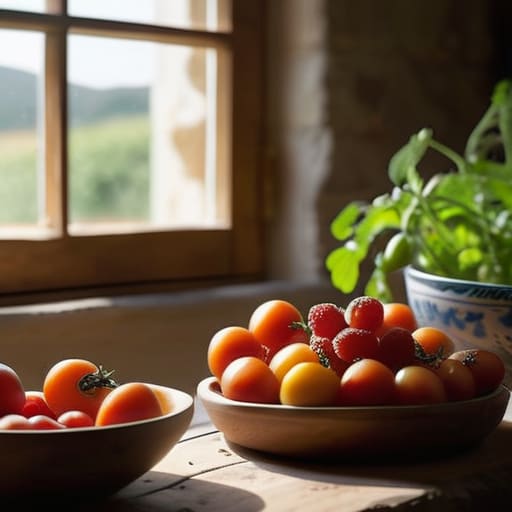
I was standing in a cramped, humid market in Oaxaca last July, clutching my notebook and trying to ignore the scent of diesel fumes, when I saw it: a vendor selling strawberries that looked like they had been painted with neon watercolors. I almost bought them, but then I remembered the rule. In the middle of a tropical heatwave, those berries weren’t a gift from the earth; they were a logistical miracle flown in from thousands of miles away. This is the lie we’ve been sold by modern supermarkets—that seasonal food is a choice, when really, it’s often just a highly engineered illusion of abundance.
I’m not here to give you a curated list of expensive farmer’s market trends or tell you that you need a backyard garden to eat well. Instead, I want to share what I’ve learned from years of following the ingredients rather than the maps. I’ll show you how to actually listen to the rhythm of the local markets and how to find the real soul of a place through what is growing right now. We’re going to strip away the hype and get back to the quiet, honest reality of eating with the seasons.
Table of Contents
Chasing Peak Ripeness Flavor in Quiet Neighborhood Markets
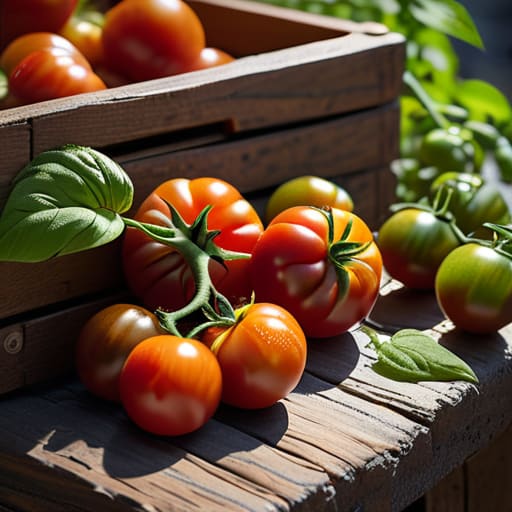
I’ve learned that the best way to find what’s actually worth eating isn’t by looking at a menu, but by following my nose through the side streets of a neighborhood. Last Tuesday in Marseille, I bypassed the main harbor stalls and found a tiny, nameless square where the air smelled of bruised basil and damp earth. There, tucked between a florist and a cobbler, was a vendor with crates of tomatoes so heavy and dark they looked like they’d been pulled from a dream. This is the essence of peak ripeness flavor; it’s a sensory intensity you just can’t find in a supermarket aisle.
When you commit to eating with the seasons, you start to notice a rhythm in the world that most people miss. It’s not just about the taste, though that is incomparable; it’s about the connection to the soil and the people tending it. By choosing what is naturally available right now, you are participating in a much larger, more intentional way of living. I find that these quiet, unhurried mornings spent browsing local stalls offer a much deeper understanding of sustainable food systems than any guidebook ever could.
Why Eating With the Seasons Connects Us to the Earth
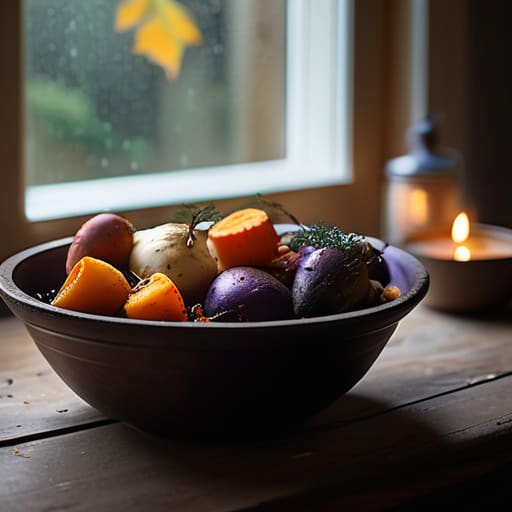
There’s a specific kind of grounding that happens when you stop fighting the calendar. In my early days working in museums, everything felt curated and static, but traveling has taught me that life is actually quite messy and rhythmic. When we commit to eating with the seasons, we stop treating food like a commodity that should be available 24/7 and start seeing it as a conversation with the land. There is a profound, quiet satisfaction in knowing that the heavy, earthy root vegetables on your plate are a direct response to the cooling soil outside.
It’s easy to forget that our grocery aisles are often disconnected from the actual pulse of the planet. By leaning into what is naturally abundant right now, we inadvertently support more sustainable food systems that respect the natural cycle of regrowth. It isn’t just about the flavor—though, let’s be honest, a tomato grown in July hits differently than one forced through a greenhouse in January—it’s about the awareness. It forces you to slow down and acknowledge that we are part of a larger, living loop, rather than just consumers at the end of a very long, very artificial chain.
Small Ways to Follow the Rhythm of the Seasons
- Let go of the grocery list you’ve memorized. When I arrive in a new city, I leave my mental checklist at the door and let the produce stalls tell me what’s actually ready to be eaten.
- Look for the “ugly” produce. In most local markets, the most flavorful heirloom tomatoes or stone fruits aren’t the perfectly waxed ones from a supermarket; they’re the ones with character, skin that looks like it’s seen some sun.
- Follow the scent, not the signage. I always keep my notebook handy because the smell of roasting garlic or ripening citrus is a much more honest guide to what’s in season than any flashy window display.
- Learn the local names for things. There’s a certain intimacy in asking a vendor for “the early figs” or “the first greens” rather than just asking for fruit; it shows you’re actually paying attention to the timing.
- Cook with one hero ingredient. Instead of trying to make a complex, multi-layered dish, pick one thing that is at its absolute peak—like a handful of wild ramps or a heavy peach—and let that do all the heavy lifting.
Small Ways to Bring the Season Home
Stop looking for the “perfect” produce in supermarket aisles and start looking for the bruised, slightly irregular fruit in the corner of a local stall—that’s usually where the real flavor is hiding.
Use your senses beyond just taste; notice how the scent of a market changes from the damp, earthy smell of autumn root vegetables to the bright, citrusy air of spring.
Treat seasonal eating as a way to slow down, making the simple act of cooking a single, local ingredient feel like a quiet ritual rather than just another chore.
The Soul of the Plate
“When you eat what the earth is actually ready to give, you stop being a mere tourist and start participating in the rhythm of the place; it’s the difference between consuming a meal and actually tasting a landscape.”
Anouk Verhoeven
Finding the Rhythm of the Plate
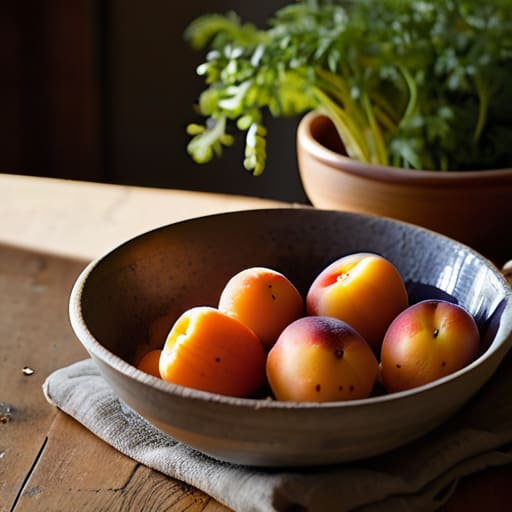
At the end of the day, eating seasonally isn’t about following a rigid calendar or mastering complex culinary techniques. It’s about the simple, intentional act of listening to what the land is offering right now. Whether it’s the heavy, honeyed sweetness of a late-summer peach or the earthy, grounding scent of root vegetables in a frost-nipped market, these flavors tell a story of time and place. When we stop demanding strawberries in December and instead embrace the bitter greens of winter, we stop fighting the natural world and start participating in its rhythm. We move away from the sterile, predictable supermarket aisles and back toward the messy, beautiful reality of how life actually tastes.
As I pack my notebook and prepare for my next move, I find myself thinking less about the famous landmarks and more about the next seasonal shift. Traveling has taught me that we don’t just inhabit a place; we consume it, and in turn, it shapes us. I hope you take a moment on your next trip—or even just your next walk to the local corner shop—to look for that one ingredient that feels unmistakably present. Don’t just eat to be full; eat to be awake. The most profound connections aren’t always found in museums, but in the quiet, delicious realization that you are exactly where you are meant to be.
Frequently Asked Questions
How can I find these small, seasonal markets if I’m only visiting a city for a few days?
It’s a common anxiety, especially when you’re living out of a suitcase. Honestly? Put down the guidebook. I’ve found that the best way is to follow the locals. Look for where the elderly residents are congregating with woven baskets, or follow the scent of fresh herbs. I usually just pick a neighborhood that looks lived-in, wander without a map, and look for those small, handwritten signs on shop windows. Let curiosity be your compass.
What are some simple ways to start eating more seasonally without it feeling overwhelming or expensive?
Start small. You don’t need to overhaul your entire pantry overnight. My trick? Pick just one thing each week—maybe it’s heirloom tomatoes in August or hearty squash in October—and make it the star of your plate. Visit a local farmer’s market instead of a supermarket; the produce is usually cheaper because it hasn’t traveled halfway across the world, and the colors alone make the transition feel like a gift rather than a chore.
Are there certain ingredients that are surprisingly hard to find at their actual peak in different parts of the world?
It’s a frustrating irony, isn’t it? You travel halfway across the world for a specific flavor, only to find it’s underwhelming. I’ve found that stone fruits in high-altitude regions, like parts of the Andes, are tricky; they often peak so briefly that by the time they hit the local stalls, they’re already past their prime. Even certain heirloom tomatoes in Mediterranean villages can be elusive—if you don’t time your visit perfectly with the heat, you miss the magic entirely.
