
I was sitting in a tiny, sun-drenched courtyard in Oaxaca last month, watching an elderly woman hand-grind cacao, when it hit me how much we’ve overcomplicated the idea of feeling “centered.” We’ve been sold this polished, expensive version of sensory wellness that involves $80 scented candles and curated “white noise” apps that sound more like a sterile hospital wing than actual peace. To me, that’s not wellness; it’s just another way to perform calm. Real connection doesn’t come from a luxury spa retreat; it comes from the unexpected friction of the real world—the way the smell of toasted corn hits you just as the rain begins to fall on hot cobblestones.
I’m not here to give you a checklist of aesthetic lifestyle habits to buy into. Instead, I want to talk about how we can actually reclaim our senses by leaning into the textures, scents, and sounds of our immediate surroundings. I’ll be sharing what I’ve learned from years of traveling through crowded markets and quiet kitchens, focusing on honest, grounded ways to find balance through the very things that make life feel messy and alive.
Table of Contents
Mindful Sensory Integration Amidst the Markets Chaos

I remember standing in the middle of the Chichicastenango market last year, feeling that sudden, sharp spike of overwhelm. It wasn’t just the noise of the vendors or the bright, clashing textiles; it was the sheer velocity of everything hitting me at once. For anyone navigating neurodivergent sensory needs, a place like this can feel less like a cultural treasure and more like a physical assault. But I’ve learned that instead of retreating, there is a way to lean into the chaos through mindful sensory integration.
I started practicing a small ritual: when the roar of the crowd becomes too much, I pick one singular, grounding scent from my notebook—maybe the sharp, earthy musk of dried chilies—and focus entirely on that. By narrowing my field of vision to a single stall or a specific texture, I’m essentially performing a bit of sensory processing regulation on the fly. It’s about finding that tiny, quiet anchor within the storm, allowing the environment to wash over you without letting it pull you under.
Sensory Environment Optimization in Small Quiet Cafes
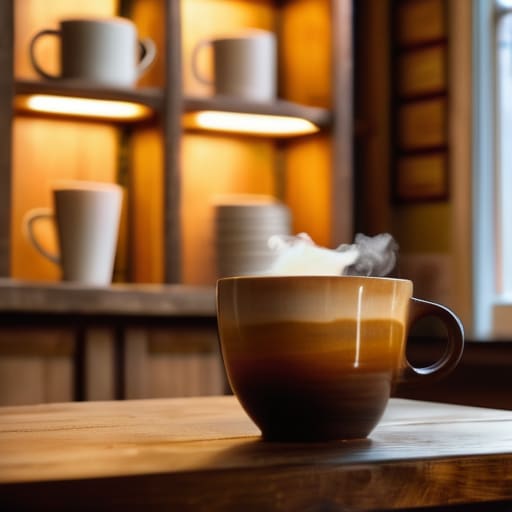
When the roar of the morning market becomes too much, I find myself retreating into the corners of the neighborhood’s smallest cafes. There is a specific kind of magic in a space that understands the power of restraint. I’m talking about those dimly lit spots where the lighting is warm and low, the acoustics are softened by old wooden bookshelves, and the only soundtrack is the rhythmic, low hum of a milk steamer. For me, this is where true sensory environment optimization happens; it’s not about luxury, but about the deliberate removal of friction.
In these quiet pockets, I can finally practice some mindful sensory integration. I’ll sit with a single cup of pour-over coffee, focusing entirely on the weight of the ceramic mug against my palms and the slow, rising steam. It’s a way to reset my nervous system after days of navigating crowded train stations and neon-lit streets. Whether you are managing specific neurodivergent sensory needs or simply feeling the mental fatigue of constant travel, these small, controlled environments offer a much-needed sanctuary to simply be.
Small Rituals to Keep Your Senses Grounded
- Carry a “sensory anchor.” For me, it’s my notebook, but it could be a smooth stone from a riverbed or a specific essential oil. When the sensory overload of a new city starts to feel like static, find a quiet corner and focus entirely on that one texture or scent to pull yourself back to the present.
- Practice the art of “auditory selective listening.” Instead of trying to drown out the world with noise-canceling headphones, try to pick out one specific layer of sound—the rhythmic chop of a knife in a kitchen, or the distant hum of a Vespa. It turns chaos into a composition.
- Eat with your eyes first, but slow down for the rest. We often rush to photograph our plates, but true sensory wellness happens when you pause to notice the steam rising from a bowl or the way the light hits a piece of crusty bread before you take that first, intentional bite.
- Seek out “tactile breaks” in your day. Travel can feel very ephemeral and digital. Counteract this by seeking out things that demand touch: the rough grain of a handmade ceramic mug, the weight of a heavy linen tablecloth, or the coolness of a stone wall in a shaded alleyway.
- Follow your nose, literally. If a street feels overwhelming, look for a scent that feels welcoming—freshly ground coffee, jasmine, or even the salty tang of the ocean. Let your sense of smell act as a compass to guide you toward pockets of calm in the urban sprawl.
Finding Your Rhythm in the Sensory Noise
Learn to embrace the chaos of a crowded market as a form of presence, using the sharp scents and sudden sounds to anchor yourself in the moment rather than retreating from them.
Seek out “sensory sanctuaries” like quiet, corner cafes where the deliberate pace and soft lighting allow you to process the day’s observations without feeling overwhelmed.
Carry a small ritual—like my notebook for scents or a specific analog camera—to transform passive observation into an active, grounding way of connecting with your surroundings.
The Texture of Presence
Sensory wellness isn’t about finding a perfectly silent room or a sterile spa; it’s about learning how to lean into the grit and the hum of a living place without letting it overwhelm you. It’s that moment when the smell of toasted cumin and the distant clatter of a passing scooter stop being noise and start feeling like a heartbeat.
Anouk Verhoeven
The Art of Noticing
At the end of the day, sensory wellness isn’t about finding a perfectly curated, silent sanctuary or following a rigid wellness ritual. It’s about the intentionality we bring to the friction of real life. Whether we are learning to find a center of gravity amidst the cacophony of a bustling morning market or seeking out the deliberate, quiet textures of a dim corner cafe, we are practicing the art of presence. It is the ability to shift from being a passive observer to an active participant in our surroundings, choosing to engage with the world through our senses rather than just scrolling through it.
As I pack my notebook and prepare for my next train, I’m reminded that the most profound healing often happens in the small, unscripted gaps of our journeys. We don’t need to travel to the ends of the earth to find a sense of grounding; we simply need to stop and actually taste the air. I hope you find your own way to slow down—to let the scent of rain on hot pavement or the weight of a ceramic mug in your hands remind you that you are here, you are alive, and you are part of this beautiful, messy, sensory world.
Frequently Asked Questions
How do you manage to stay present in a crowded market without feeling completely overwhelmed by the noise and smells?
I’ve learned to treat the chaos like a soundtrack rather than an assault. Instead of fighting the noise, I try to pick out one single layer—the rhythmic chop of a knife or the specific hiss of a steamer—and follow it. I also keep my notebook handy. Focusing on recording a scent or sketching a stall gives my brain a job to do, turning overwhelming input into something I’m actively observing rather than just enduring.
Are there specific ways to practice sensory mindfulness when you're stuck in a sterile, uninspiring environment like an airport or a hotel?
When the world feels too fluorescent and flat—like that hollow, recycled air in an airport lounge—I lean into my notebook. I try to find one singular, sharp sensation to anchor myself. Maybe it’s the weight of my heavy ceramic mug or the specific, bitter scent of a cheap espresso. I close my eyes and hunt for texture: the grain of a wooden desk or the cool slip of silk. It’s about reclaiming your senses from the sterile.
Can you suggest any analog ways—like your photography or notebook—to help ground yourself when a new city feels too intense?
When a city starts feeling a bit too loud or overwhelming, I reach for my notebook. I don’t write about what I see; I write about what I smell—the sharp tang of citrus at a stall or the damp stone of an alleyway. It forces me to slow down and actually breathe. I also find that shooting on film helps. You can’t spray-and-pray with 36 frames; you have to wait, observe, and truly settle into the moment.
