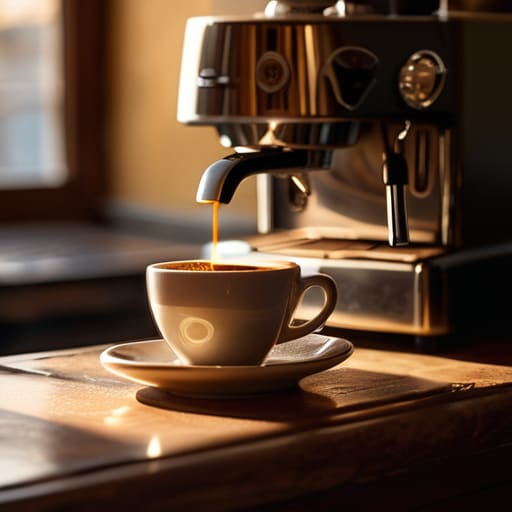
I was standing in a sun-drenched piazza in Trastevere last October, clutching my notebook and trying to ignore the aggressive scent of over-roasted beans wafting from a nearby cafe that charged five euros for a lukewarm latte. It hit me then: most travelers completely miss the heartbeat of italian espresso culture because they’re too busy looking for velvet chairs and Wi-Fi passwords. They think a “coffee experience” requires a long, expensive brunch, but the real magic is much faster, much louder, and usually happens while standing shoulder-to-shoulder with a local businessman at a chipped marble counter.
I’m not here to give you a polished list of the most “Instagrammable” cafes in Rome. Instead, I want to pull back the curtain on how coffee actually functions as the social glue of the Italian streets. I’ll share the unwritten rules of the bar, how to spot a place that actually respects its beans, and why you should never order a cappuccino after noon. This is about finding the connection between a tiny ceramic cup and the rhythm of everyday life.
Table of Contents
Whispers of the Past the History of Espresso in Italy
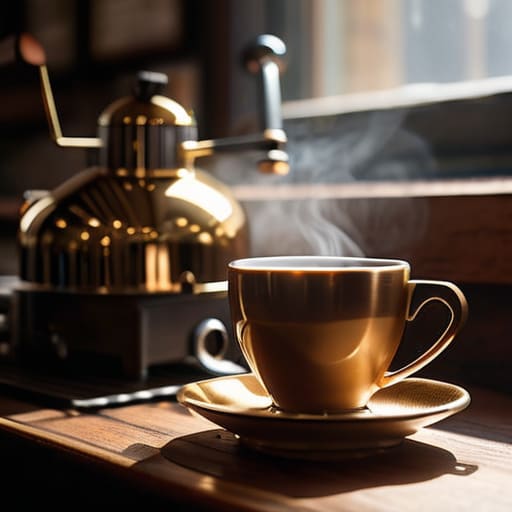
To understand why that tiny cup feels so heavy with meaning, you have to look past the caffeine and into the steam. The history of espresso in Italy isn’t just a timeline of inventions; it’s a story of industrial speed meeting a very slow, deliberate ritual. It all traces back to the late 19th century, when the demand for coffee grew too fast for the old ways of brewing. Engineers began designing machines that could force hot water through finely-ground beans under pressure, essentially “expressing” the flavor in seconds to keep up with the pace of modern life.
But don’t let the speed fool you. While the machine provided the velocity, it was the barista craftsmanship and technique that turned a mechanical process into an art form. It wasn’t just about the pressure; it was about the intuition of the person behind the counter—knowing exactly when the crema looked right or how to tame the heat. This tension between the rush of the machine and the steady hand of the maker is what created the soul of the Italian cafe. It transformed a quick caffeine fix into a cultural cornerstone that we still lean into today.
The Quiet Art of Barista Craftsmanship and Technique
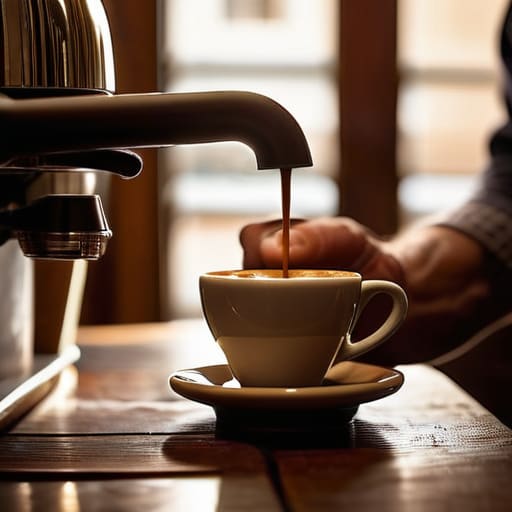
There is a specific, rhythmic dance that happens behind the counter of a proper local bar. It isn’t the frantic, choreographed chaos you see in high-end specialty cafes in London or New York; it’s something more grounded. I spent an hour yesterday watching a man in a faded apron work a vintage machine, his movements almost meditative. This is where true barista craftsmanship and technique reveal themselves—not in the steam art, but in the precise way he tamps the grounds and the practiced tilt of his head to catch the exact moment the crema settles. It’s a sensory language that doesn’t require words.
I’ve noticed that the skill lies in the nuance of the extraction, a mastery that separates a true shot from a diluted imitation. While many travelers often ask about the difference between espresso and americano, the locals here aren’t interested in volume; they are interested in the intensity of the moment. To them, the coffee is a concentrated burst of life. Watching the steam rise against the backdrop of a morning rush, I realized that this craft is less about the machine and more about the unspoken respect for the bean and the ritual.
How to Drink Like a Local (Without Feeling Like an Outsider)
- Stand at the bar. While a table in a piazza is tempting for people-watching, the real rhythm of Italian life happens standing up. It’s faster, cheaper, and places you right in the middle of the morning rush, allowing you to absorb the energy of the room rather than just observing it from a distance.
- Master the “unwritten” timing of milk. If you order a cappuccino after 11:00 AM, you’ll likely get a polite but confused look. In Italy, milk is for breakfast; once the midday heat hits, the culture shifts toward the pure, concentrated strength of a simple espresso or a macchiato.
- Don’t be afraid of the “Caffè Sospeso.” In some neighborhoods, you’ll see the tradition of paying for an extra coffee for someone who might not be able to afford one. It’s a beautiful, quiet way the community looks out for one another, and participating in it—even just by understanding it—connects you to the local heart.
- Embrace the quick ritual. An espresso isn’t a slow, meditative hour spent over a laptop; it’s a brief, intense pause. Sip it quickly, enjoy the warmth of the ceramic against your palms, and then move on with your day. The beauty is in the brevity.
- Follow the steam, not the signs. If a cafe has a glossy menu in five different languages and a person outside waving you in, keep walking. Look for the places where the espresso machine is slightly worn, the counter is stained with years of coffee rings, and the patrons are locals engaged in animated, rapid-fire conversation.
The Essence of the Italian Sip
Real espresso culture isn’t found in a velvet armchair or a long brunch; it’s lived in the quick, standing-room-only moments at a local bar, where the coffee is a brief, shared ritual between neighbors.
To truly understand the craft, you have to look past the steam and the noise to respect the precision of the barista—a person who balances science and intuition in every shot pulled.
Don’t let the “rules” intimidate you, but do lean into them; understanding the rhythm of when and how Italians drink their coffee is the fastest way to stop feeling like a spectator and start feeling like a part of the street.
The Ritual of the Counter
“An espresso in Italy isn’t just a caffeine fix; it’s a momentary pause in the chaos, a shared silence held over a tiny ceramic cup while the world rushes by outside the bar’s heavy doors.”
Anouk Verhoeven
More Than Just a Caffeine Kick
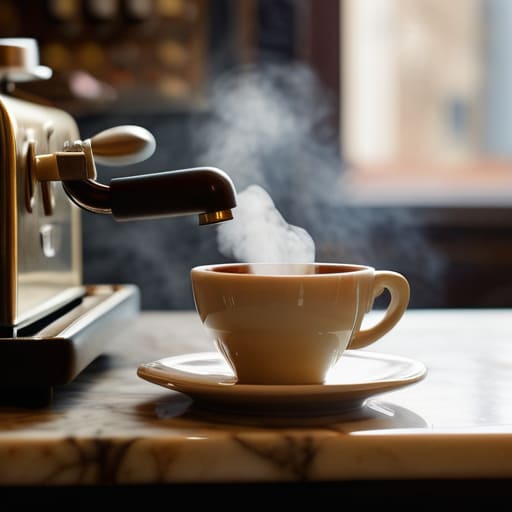
At the end of the day, understanding Italian espresso culture isn’t about memorizing the technical nuances of a perfect extraction or tracing the long, complex lineage of the steam engine. It’s about recognizing that the ritual is a bridge between the past and the present. From the meticulous, almost meditative movements of a seasoned barista to the historical weight held within a single shot of dark, rich liquid, espresso is the connective tissue of Italian daily life. It is a sensory experience that demands you slow down, even if only for the few minutes it takes to stand at a counter and breathe in the scent of toasted beans and steamed milk.
So, the next time you find yourself navigating the winding, sun-drenched streets of an Italian city, I urge you to look past the polished glass of the high-end cafes. Seek out the places where the counters are worn smooth by decades of hands and the air smells faintly of old wood and roasted coffee. Don’t just drink your coffee; participate in the moment. Let the warmth of the ceramic cup ground you, and listen to the hum of the neighborhood around you. Because in that small, bitter, and beautiful sip, you aren’t just a tourist—you are finally catching a glimpse of the real heartbeat of the culture.
Frequently Asked Questions
Is it actually considered rude to sit down at a table for a coffee, or is that just a myth?
It’s not exactly “rude,” but it is a different transaction entirely. In Italy, there’s a silent social contract: al banco is for the quick, standing ritual—it’s cheaper and faster. When you sit down, you’re paying for the service and the space, so the price often jumps significantly. If you want to observe the rhythm of the street without feeling like you’re slowing things down, stay at the counter.
How can I tell the difference between a quick, standing espresso and a coffee meant for lingering?
It’s all in the ritual. If you see people standing shoulder-to-shoulder at a narrow marble counter, gulping down a shot in two seconds before rushing to work, that’s the “espresso al banco”—a quick, caffeinated hit. But if you find a small table tucked in a corner, and the waiter brings a slightly larger cup or perhaps a small glass of sparkling water to cleanse the palate, you’ve found a place meant for lingering.
What are the unspoken rules for ordering milk-based drinks like a cappuccino later in the afternoon?
If you find yourself eyeing a cappuccino after 2:00 PM, take a breath and maybe reconsider. In Italy, milk is considered a breakfast ritual—a way to wake up the digestion. Ordering a frothy, milky drink during a late lunch or dinner feels slightly out of sync with the local rhythm. If you need a caffeine kick in the afternoon, stick to a simple espresso or a macchiato. It keeps you moving with the locals.
