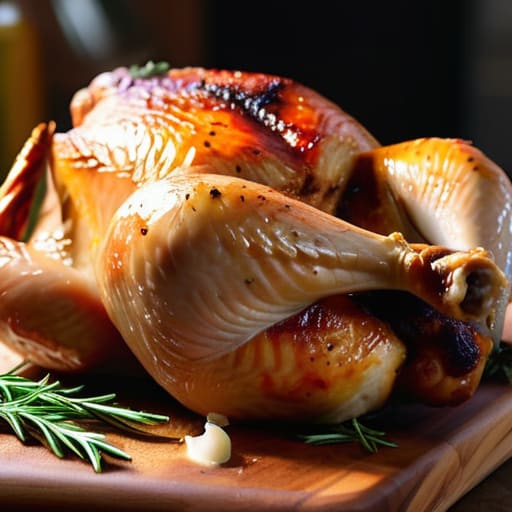
I remember sitting in a tiny, steam-filled kitchen in Lyon, watching an elderly woman pull a bird from a wood-fired oven. There were no digital thermometers, no expensive herb-infused butter kits, and certainly no thirty-step checklists. She just knew. I think we’ve lost that intuition because we’ve been buried under a mountain of “gourmet” nonsense and overly technical tutorials that make how to roast chicken feel like a chemistry exam rather than a meal. We’ve been taught that if we aren’t using a sous-vide machine or a specific breed of organic heritage bird, we’re somehow failing the ritual.
I’m not here to sell you on a complicated lifestyle or a list of hard-to-find ingredients. Instead, I want to strip everything back to the sensory basics—the smell of rendering fat, the sound of skin crackling, and the simple magic of heat and salt. I’m going to show you how to master the art of the roast using nothing more than what you likely already have in your pantry. My goal is to help you find that same sense of grounded, uncomplicated comfort that I find in every small kitchen I visit around the world.
Table of Contents
Finding Flavor in the Best Herbs for Poultry
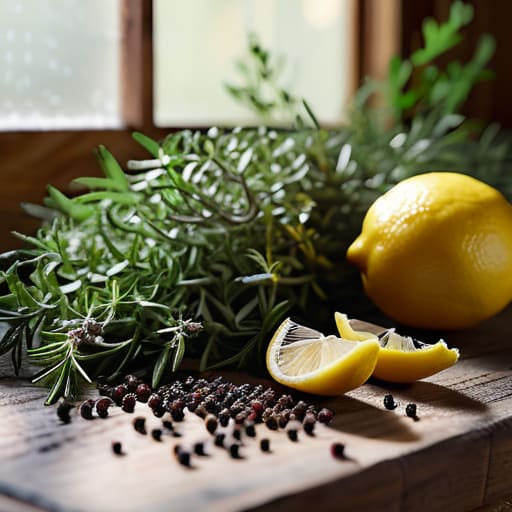
When I was working in the museum archives, I used to think about preservation in terms of artifacts, but traveling has taught me that flavor is its own kind of history. To me, finding the best herbs for poultry isn’t about following a rigid list; it’s about the scent of the earth. I often find myself standing in a local market, clutching my notebook, just trying to capture that sharp, woody aroma of fresh rosemary or the citrusy brightness of thyme. These aren’t just garnishes; they are the soul of the dish.
I’ve learned that the secret to a truly deep flavor lies in how you tuck these aromatics under the skin. If you’re looking for juicy chicken breast tips, try stuffing a few sprigs of sage and crushed garlic directly against the meat before it hits the heat. It creates a fragrant steam that permeates everything from the inside out. It’s a small, intentional act, but it transforms a simple meal into something that feels like a shared secret between you and the ingredients.
The Roasting Pan Essentials for a True Home Kitchen
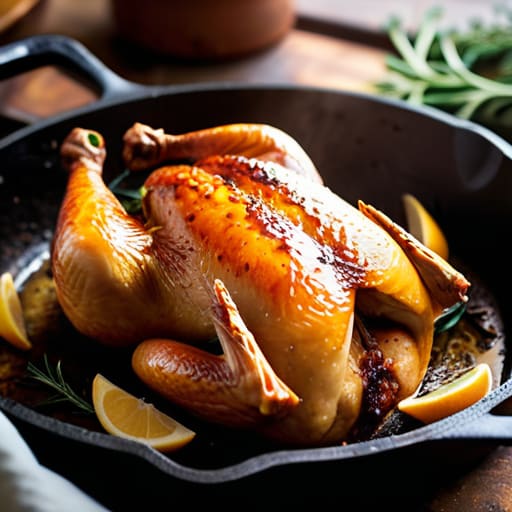
I’ve learned through years of moving between tiny rentals and shared kitchens that you don’t need a professional suite of cookware to get this right. When it comes to roasting pan essentials, I always look for something heavy-bottomed. A thin, flimsy tray is a recipe for disaster; it leads to uneven heat and that dreaded scorched bottom. I prefer a cast iron skillet or a deep ceramic dish that holds heat steadily. If you’re looking for those elusive crispy chicken skin techniques, using a pan that allows the fat to render and circulate around the bird is a total game-changer.
I also can’t stress enough the importance of a simple wire rack. Placing your bird on a rack inside the pan allows the hot air to circulate freely underneath, preventing the bottom from becoming a soggy mess. This little bit of elevation is one of my favorite juicy chicken breast tips because it ensures the heat hits every angle. It’s not about having the most expensive gear; it’s about choosing tools that respect the process and let the ingredients do the heavy lifting.
The Little Things That Change Everything
- Don’t even think about putting that bird in the oven while it’s still cold. Let it sit on your counter for about an hour; bringing it up to room temperature ensures the heat penetrates the center without turning the outside into leather.
- Dry the skin like your life depends on it. I usually grab a few paper towels and pat the bird down until it’s bone-dry—it’s the only way to get that shattered-glass crispiness that makes every bite worth it.
- Salt isn’t just a seasoning; it’s a structural necessity. Season it generously, even under the skin if you can manage it, and do it well before you start cooking so the salt has time to actually penetrate the meat.
- Forget the fancy basting brushes. If you want the skin to stay crisp, leave the bird alone once it’s in the heat. Constant basting just introduces steam, which is the enemy of a good crunch.
- Trust the rest, even when the smell is driving you crazy. Once it’s out of the oven, let it sit for at least fifteen minutes. If you cut into it too soon, all those beautiful juices will just run out onto the board instead of staying in the meat.
Small Details, Big Soul
Don’t overthink the equipment; a heavy pan that holds heat is more important than a set of matching kitchen gadgets.
Treat your herbs like a sensory map—the scent of rosemary and thyme should tell you as much about the meal as the taste does.
The magic happens in the simplicity, so focus on high-quality salt and a steady heat rather than complicated, heavy sauces.
The Heart of the Meal
Roasting a chicken isn’t about following a strict timer or a precise temperature; it’s about that slow, rhythmic transformation in the oven that turns a simple bird into something that smells like home, no matter what city you’re currently calling your own.
Anouk Verhoeven
The Final Ritual
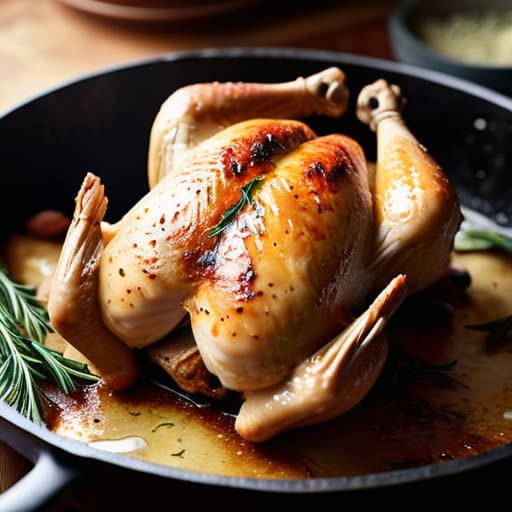
At the end of the day, roasting a chicken isn’t about following a rigid set of scientific instructions or owning the most expensive copper cookware. It’s about the marriage of simple elements: choosing a bird that feels substantial, gathering fresh herbs that smell like a damp garden after rain, and using a pan that can actually withstand the heat of a real kitchen. Once you’ve mastered the balance of salt, fat, and heat, you stop worrying about the timer and start listening to the sizzle. It’s that transition from a raw ingredient to a golden, crackling centerpiece that makes the entire process feel like a small, earned victory.
I’ve sat in countless tiny kitchens from Marseille to Mexico City, and while the spices change, the feeling remains the same. There is something deeply grounding about a meal that requires nothing more than patience and a bit of intuition. As you carve into that first warm slice, I hope you remember that the best meals aren’t found in polished restaurants, but in the quiet, unhurried moments we create for ourselves. So, pull up a chair, pour a glass of something local, and let the scent of rosemary and roasted skin remind you that you are exactly where you need to be.
Frequently Asked Questions
How do I know when the chicken is actually done without constantly poking at it?
I used to be that person, hovering over the oven door every five minutes, terrified of serving something dry. But I’ve learned to trust my senses more than a timer. If you have a meat thermometer, aim for 165°F (74°C) in the thickest part of the thigh—just avoid the bone. If you’re flying blind, look for the juices to run completely clear when you pierce it. If they’re pink, give it a few more minutes.
Is it worth it to stuff the cavity with aromatics, or does it just make the cleanup a mess?
Honestly, it’s a bit of both. If you just toss in a few smashed garlic cloves and a halved lemon, the cleanup is negligible, but the payoff is everything. It infuses the meat from the inside out, making the bird feel much more intentional. Just avoid shoving a whole loaf of bread in there—that’s when you end up scrubbing charred crumbs off your pan for an hour. Keep it simple, keep it fragrant.
What’s the secret to getting that skin incredibly crispy without drying out the meat underneath?
The real secret isn’t a fancy gadget; it’s all about moisture management. Before the bird even hits the heat, pat the skin bone-dry with paper towels—I can’t stress this enough. If you have the patience, leave it uncovered in the fridge for a few hours. That extra dryness, paired with a generous coating of room-temperature butter or oil, ensures the skin crackles beautifully while the juices stay locked tight inside the meat.
