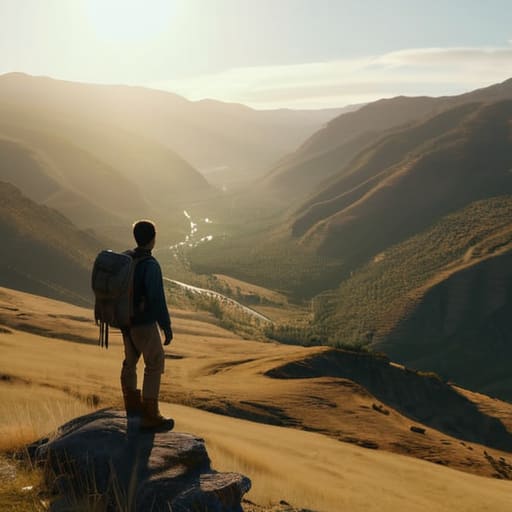
I still remember sitting on a wobbly wooden stool in a narrow alleyway in Oaxaca, the air thick with the scent of charred chilies and toasted corn. I was surrounded by a cacophony of voices, yet I had never felt more entirely present. Most people think that when you travel solo, you’re essentially embarking on a lonely mission to prove how independent you are, or worse, they treat it like a high-stakes survivalist expedition. But for me, it was the exact opposite; it was the first time I actually had the space to listen to the rhythm of a city without the constant filter of a companion’s conversation.
I’m not here to sell you on the “finding yourself” clichés or give you a list of expensive, Instagram-ready hostels. Instead, I want to talk about the real mechanics of moving through the world on your own terms. I’m going to share the unpolished, practical truths I’ve gathered from years of navigating crowded markets and quiet backstreets alone. We’re going to skip the hype and focus on how to actually inhabit a place, one small cafe and one honest meal at a time.
Table of Contents
Solo Female Travel Tips for Navigating Quiet Backstreets
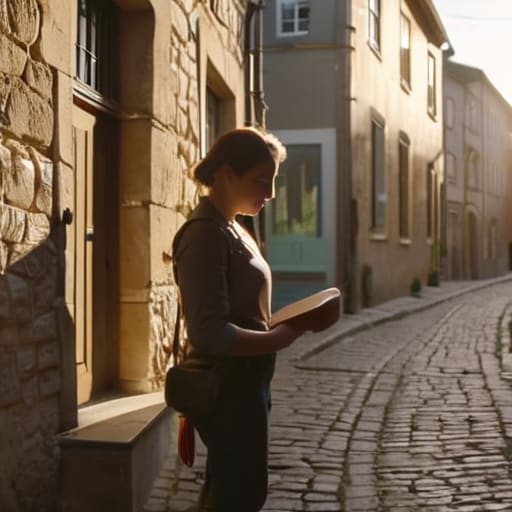
There’s a specific kind of magic in the narrow, winding alleys that the guidebooks usually skip over, but that’s also where the sense of vulnerability can creep in. When I’m wandering through a new neighborhood, I’ve learned that my best defense is a mix of intuition and a bit of intentionality. I never walk with my head buried in a phone; instead, I keep my eyes up, observing the way the light hits the stone walls or noticing which small bakeries have a queue of locals. One of my favorite solo female travel tips is to always have a “destination” in mind—even if it’s just a specific fruit stall or a tiny bookstore—so you always look like you belong exactly where you are.
If the silence of a backstreet starts to feel a bit heavy, I find that carrying a small, physical notebook helps me stay grounded. Instead of scrolling through social media to distract myself, I’ll sit on a stone step and jot down the scent of roasting coffee or the specific shade of blue on a shutter. It turns a moment of isolation into a moment of active observation. This shift in perspective makes the quiet parts of the journey feel less like being alone and more like finally having the space to breathe.
Solo Travel Gear Essentials for Long Market Mornings
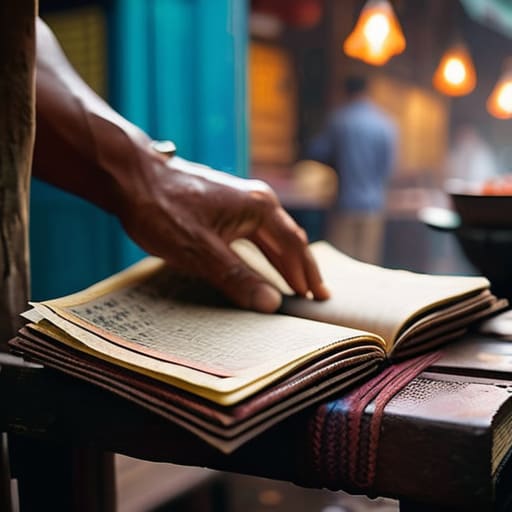
When you spend your mornings weaving through the narrow aisles of a damp, bustling wet market, your gear needs to be as functional as it is discreet. I’ve learned the hard way that a bulky backpack is just a magnet for chaos in a crowded stall. Instead, I rely on a weatherproof crossbody bag—something small enough to tuck under my arm but sturdy enough to hold my camera and my notebook. My most prized possession, however, is my small, battered notebook. It’s where I jot down the scent of crushed coriander or the smoky aroma of street-side grills, capturing the sensory details that a digital photo simply misses.
Beyond the bag, I always pack a lightweight, reusable canvas tote. It’s a small addition to my solo travel gear essentials, but it’s a lifesaver when a vendor offers me a handful of sun-warmed figs or a bag of local spices. Carrying your own bag is a quiet way to respect the local rhythm, signaling that you aren’t just a passing tourist, but someone actually intending to participate in the morning ritual.
The Art of Being Alone (Without Being Lonely)
- Learn to love the “third space.” Instead of retreating to your hotel room when you feel the weight of solitude, find a local bakery or a neighborhood park. Being a regular in a small space for just a few days makes you feel like a participant in the city rather than just a spectator.
- Use your curiosity as a shield. When you’re navigating a new place alone, keep your head up and your eyes moving. If you look like a person searching for a specific scent or a certain type of spice, you look like a traveler with a purpose, not a target for scammers.
- Master the “single diner” etiquette. Don’t be afraid to sit at the bar or a small communal table. Some of my best conversations with local chefs happened because I wasn’t tucked away in a private booth, and it’s often the best way to get a recommendation for the next day’s lunch.
- Carry a physical notebook, not just a phone. There is something about the tactile act of writing—or even just sketching a fruit stall—that anchors you to your surroundings. It also gives you a reason to sit still in a bustling plaza without looking like you’re lost in a digital void.
- Trust your gut, but verify with locals. If a street feels too quiet or a deal feels too good to be true, listen to that instinct. But if you’re unsure about a menu or a route, ask the person making the coffee. Real connection often starts with a simple, honest question.
Finding Your Rhythm in the Quiet Moments
Embrace the art of people-watching; sitting alone in a bustling market isn’t lonely, it’s your front-row seat to the true pulse of a city.
Let your appetite be your compass, using the scent of spices and the hum of local kitchens to lead you away from the crowds and toward authenticity.
Keep a small, physical notebook handy to capture the sensory details—the smells, the sounds, the textures—that a camera lens often misses.
The Quiet Power of One
Traveling solo isn’t about being alone; it’s about finally having enough silence to actually hear what a city is trying to tell you through the sizzle of a pan or the scent of rain on warm cobblestones.
Anouk Verhoeven
The Quiet Reward of Going Alone
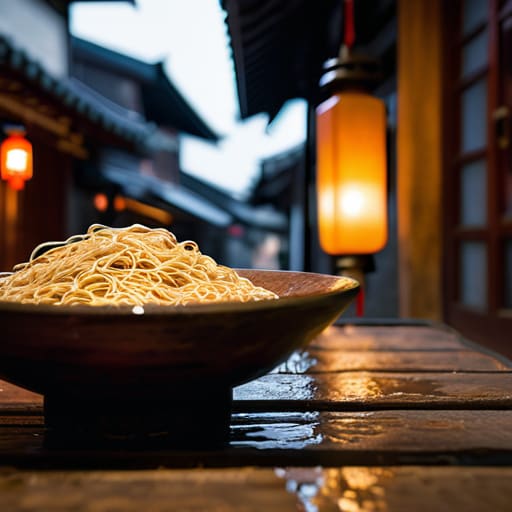
At the end of the day, solo travel isn’t about checking off a list of landmarks or mastering the art of the perfect selfie. It’s about the small, logistical victories—knowing how to navigate a labyrinthine backstreet without a map, or having just the right gear to spend four hours tucked into a corner of a bustling market. When you strip away the noise of constant social negotiation, you’re left with something much more potent: the ability to truly listen to the rhythm of a new city. You learn that being alone doesn’t mean being lonely; it means being entirely present for the steam rising from a bowl of noodles or the specific, sharp scent of rain on cobblestones.
If you’re feeling hesitant about that first solo trip, my advice is to stop waiting for a companion who matches your pace. The world is far too vast to put your curiosity on hold just because someone else isn’t ready to pack their bags. There is a profound, almost sacred kind of freedom found in sitting at a tiny cafe table, notebook in hand, realizing that you are the architect of your own experience. So, take the leap. Find that small, unnamed kitchen, order something you can’t pronounce, and discover that the most important connection you’ll make is the one between yourself and the world.
Frequently Asked Questions
How do you deal with the occasional loneliness when sitting down for a long, multi-course meal by yourself?
I’ll be honest: there are evenings when the empty chair across from me feels heavy. When that happens, I lean into the observation. I pull out my notebook, not just to write, but to really look. I focus on the rhythm of the kitchen or the way the light hits the wine glass. Instead of fighting the solitude, I treat it as a private audience with the chef. It turns a meal into a meditation.
Are there specific ways to meet locals in food markets without feeling like you're intruding on their daily routines?
I’ve found that the trick is to be a student, not a spectator. Instead of hovering with a camera, I lean into the ritual. I’ll ask a vendor about a specific herb or how they choose their produce—people love sharing their expertise when they see genuine curiosity. If you buy something small, like a single piece of fruit or a coffee, you aren’t just a customer; you’re a temporary part of their morning rhythm.
How do you manage to keep your camera gear and notebook safe while navigating crowded, narrow market stalls?
I’ve learned the hard way that a loose camera strap is an invitation for trouble in a crowded souk. I always keep my camera tucked close to my body, using a cross-body strap that I can pull tight against my chest. As for my notebook, it lives in a zipped internal pocket of my bag—never the outer mesh. Keeping my most precious bits of observation physically connected to me keeps the anxiety at bay.
