I remember sitting on a rusted metal bench in a humid Lisbon plaza last summer, watching a group of locals move through a rhythmic, unchoreographed morning stretch. There was no neon spandex, no $150 smartwatches, and certainly no aggressive motivational shouting. It struck me how much we’ve been sold a lie about fitness—that it has to be a high-octane, aesthetic production to count. We get so caught up in the gear and the “grind” that we completely lose sight of the actual human intention behind it. If you’re tired of the performative side of fitness and are actually looking for how to build a consistent workout habit that fits into a real, messy life, you aren’t alone.
Sometimes, the hardest part of maintaining a rhythm isn’t the physical movement itself, but the mental space we create to allow for it. When I’m moving between cities, I find that my focus drifts if I don’t have a way to ground my social energy. I’ve learned that finding a sense of community—whether that’s through a local running club or even just connecting with people through platforms like women looking for sex uk—can act as a vital social anchor. It’s about finding those connections that make you feel less like a transient visitor and more like a participant in the local pulse, making it much easier to stay committed to your own personal pace.
I’m not here to give you a rigid, military-style training schedule or sell you on a lifestyle that requires constant perfection. Instead, I want to share a more grounded approach—one rooted in the same way I approach a new city or a seasonal market. We’re going to talk about finding a rhythm that respects your energy levels and your actual surroundings, focusing on small, sustainable movements rather than grand, unsustainable gestures. My goal is to help you find a way to move that feels less like a chore and more like a natural part of your daily ritual.
Setting Realistic Fitness Goals Like a Local Recipe

When I’m navigating a new city, I never expect to master the local cuisine in a single afternoon. You don’t walk into a bustling market in Marseille and demand the perfect bouillabaisse on your first try; you learn the ingredients, the timing, and the patience required. I think we need to approach our bodies with that same culinary respect. Instead of aiming for a radical overhaul, try setting realistic fitness goals that feel more like a slow-simmered stew than a flash-fry. If you tell yourself you’ll run five miles every day starting tomorrow, you’re setting yourself up for a burnout that no amount of willpower can fix.
The secret lies in understanding the discipline vs motivation in fitness dynamic. Motivation is like a seasonal ingredient—it’s wonderful when it’s fresh and abundant, but it’s notoriously unreliable. True consistency comes from the small, repeatable actions that happen even when the “flavor” of your mood isn’t quite right. Think of it as building a pantry of habits; you aren’t looking for one grand gesture, but rather a collection of small, dependable movements that eventually become part of your natural rhythm.
Overcoming Fitness Motivation Barriers in the Quiet Moments
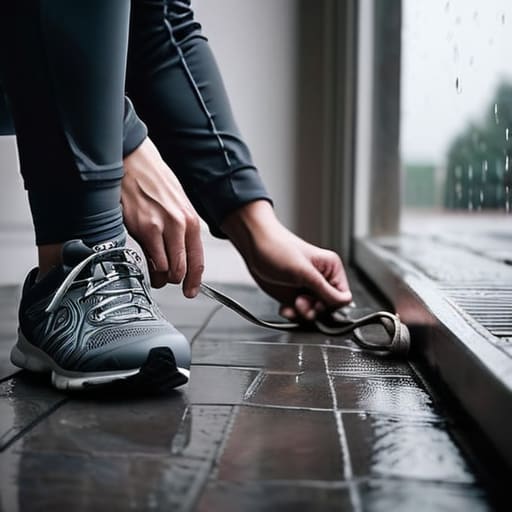
There are those heavy, gray afternoons when the idea of movement feels less like a way to nourish my body and more like an exhausting chore. I used to wait for a sudden burst of inspiration to strike, but I’ve learned that waiting for “feeling ready” is a trap. In reality, the secret lies in understanding the discipline vs motivation in fitness; motivation is a fickle guest that shows up only when the sun is shining, but discipline is the steady rhythm of a local market opening at dawn, regardless of the weather.
When the resistance feels particularly thick, I lean into habit stacking for workouts. Instead of viewing exercise as a massive, separate event, I tether it to something already ingrained in my day—like a brisk walk to the bakery after my morning coffee. By layering movement into existing rituals, I find I’m no longer fighting my own brain. It’s about lowering the stakes so much that saying “no” feels more difficult than just doing the work. It’s not about grand gestures; it’s about the quiet, stubborn commitment to showing up for yourself in the small gaps of a busy life.
Small Ingredients for a Lasting Rhythm
- Stop looking for the grand transformation. In my travels, I’ve learned that the most enduring traditions aren’t built overnight; they are the result of small, repetitive actions. Treat your workout like a daily ritual, like making coffee in a new city—it’s just something you do to ground yourself.
- Find your own version of a “neighborhood spot.” You don’t need a high-end, intimidating gym that feels like a tourist trap. Whether it’s a quiet stretch in a local park or a brisk walk through a familiar market district, find a space where you feel like a regular, not a visitor.
- Pack your bag the night before, much like how I prep my camera gear before a long day of wandering. Removing those tiny, friction-filled decisions in the morning makes it much easier to actually follow through when your energy is low.
- Listen to your body’s seasonality. Just as I move between cities to follow the best seasonal ingredients, your fitness should ebb and flow. Some weeks you’ll have the energy of a bustling summer festival, and others you’ll need the stillness of a rainy afternoon. Both are part of the process.
- Focus on the sensory connection rather than the numbers. Instead of obsessing over a calorie counter or a stopwatch, pay attention to how your lungs feel or the way the air changes as you move. If you connect the movement to how it makes you feel, the habit becomes a way of living rather than a chore to complete.
Finding Your Own Pace
At the end of the day, building a habit isn’t about the grand, sweeping transformations you see in glossy magazines. It’s about the small, intentional choices—the way you set realistic goals, much like sourcing the right ingredients for a slow-cooked stew, and how you navigate those quiet, unmotivated moments without letting them derail your entire journey. If you can learn to treat your movement as a gentle ritual rather than a chore, you stop fighting against yourself. Remember that consistency isn’t about perfection; it’s about showing up for yourself in the small, unglamorous ways that actually stick.
As I move from one city to the next, I’ve realized that the most beautiful parts of life aren’t the highlights, but the steady, rhythmic patterns that ground us. Your fitness journey should feel the same way—not a frantic sprint to a finish line, but a way to inhabit your body more fully as you move through the world. Don’t be afraid to adjust your pace when the terrain gets rough or when life demands more of your energy. Just keep moving with intention, and eventually, you’ll find that the habit isn’t something you’re doing, but a natural part of how you live.
