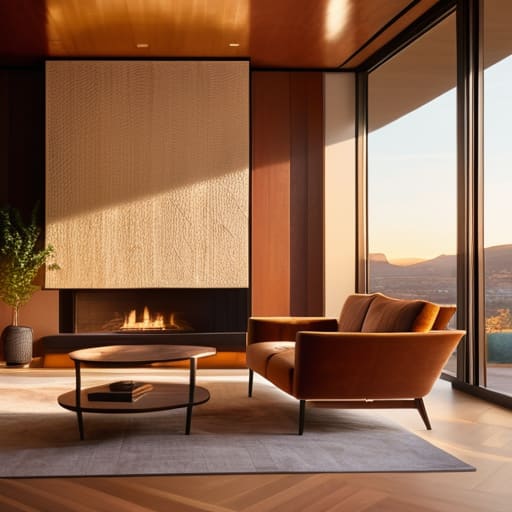
I remember sitting in a tiny, dimly lit bistro in Marseille last autumn, watching the way a single, low-hanging amber lamp transformed a simple bowl of bouillabaisse into something almost sacred. There was no harsh overhead glare, no sterile fluorescent buzz—just a soft, intentional glow that made the world feel small and safe. It hit me then that most people approach home lighting design like they’re trying to light up a surgical suite or a supermarket aisle, completely forgetting that we don’t live our lives under high-intensity task lights. We live in the shadows and the soft edges, in those quiet moments between the chaos of the day.
I’m not here to sell you on expensive designer fixtures that look better in a magazine than they do in a real living room. Instead, I want to share what I’ve learned from living out of a suitcase and staying in countless small, soulful spaces: how to use light to actually feel at home. We’re going to strip away the jargon and focus on the practical, sensory ways to layer warmth into your space, ensuring your home feels less like a showroom and more like a sanctuary.
Table of Contents
The Quiet Magic of Layered Lighting Techniques
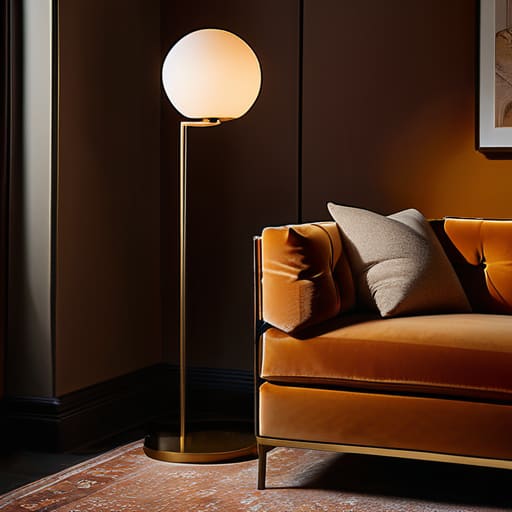
When I was working in museums, I learned how light can completely change the way we perceive an object—it can make a simple ceramic bowl look like a relic or just another piece of clutter. I try to bring that same intentionality into my own living spaces. Instead of relying on a single, harsh overhead light that flattens everything, I’ve become obsessed with layered lighting techniques. It’s about creating depth. I like to mix a low-slung floor lamp for reading with a few small, strategically placed lamps on side tables. This approach mimics the way light naturally pools in a cozy bistro, making even a tiny studio feel much more expansive and soulful.
The real secret, though, lies in the nuance of warm vs cool light temperatures. I’ve realized that nothing kills a mood faster than a clinical, blue-toned bulb when you’re trying to unwind with a glass of wine. I prefer warmer tones that mimic the golden hour, which makes a room feel lived-in rather than just “decorated.” By using accent lighting for interiors—perhaps a small spotlight on a stack of well-loved cookbooks or a textured vase—you create those little pockets of visual interest that make a house truly feel like a home.
Choosing Warm vs Cool Light Temperatures for Comfort
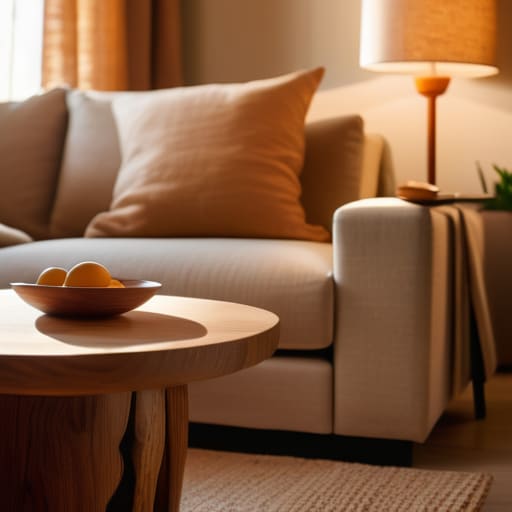
I’ve spent many evenings in dimly lit tapas bars in Seville, realizing that the atmosphere wasn’t just about the food, but the way the amber glow hit the wooden tables. It’s a lesson that translates perfectly to our own living rooms. When we talk about warm vs cool light temperatures, we’re really talking about the emotional rhythm of a room. Warm light—think of that soft, honeyed hue—is my go-to for creating a sanctuary. It mimics the sunset and tells your brain it’s okay to finally unwind.
On the flip side, cool light has its place, though I find it a bit clinical if used alone. I usually reserve those crisper, blue-toned bulbs for the kitchen or a workspace where I need to actually see the texture of my ingredients or the fine print in a book. The trick is finding a balance so your home doesn’t feel like a sterile office or a dark cave. If you’re working with a tight floor plan, a thoughtful lighting layout for small spaces can use these temperature shifts to define zones without needing heavy walls, making a tiny studio feel much more expansive and intentional.
Small Shifts to Bring Your Space to Life
- Stop relying on the “big light.” That single, harsh overhead fixture is the enemy of a cozy evening. Instead, think in clusters—a small lamp on a side table here, a dimmable sconce there—to create pockets of intimacy that mimic the soft glow of a bistro at dusk.
- Let your light follow your rhythm. Just as I change my pace when moving from a bustling market to a quiet museum, your home should change too. Use dimmers to transition your space from the bright, focused energy of a morning coffee ritual to the soft, hazy stillness of a late night.
- Don’t forget the corners. A dark corner can make a room feel smaller and more clinical. Placing a small, low-wattage lamp in a neglected nook adds depth and a sense of discovery, much like finding a hidden alleyway that leads to something beautiful.
- Use light to highlight what you love, not just what you need. Whether it’s a stack of well-loved cookbooks or a single piece of pottery, a soft accent light can turn a mundane object into a quiet focal point, giving your room a sense of history and soul.
- Match your bulbs to the mood of the task. There’s a specific kind of clarity needed for reading a map or chopping vegetables, but for everything else, aim for a glow that feels organic. If the light feels too sharp or “blue,” it will always feel like a sterile waiting room rather than a home.
Small Changes, Big Shifts: Making the Most of Your Light
Think in layers, not just single sources; a well-lit room needs the soft glow of a lamp in the corner to balance out the harshness of a ceiling light.
Prioritize warmth over brightness; look for bulbs that mimic the golden hour of a late afternoon rather than the clinical sting of an office.
Let light guide your mood; use dimmers or smaller, localized lights to signal to your brain that it’s time to slow down and actually inhabit your space.
Lighting as an Emotional Map
We often think of light as a way to see what’s in front of us, but in a home, it’s actually about how we feel. It’s the difference between a space that demands your attention and one that holds you close, like the soft, amber glow of a kitchen at dusk when the world finally feels quiet enough to breathe.
Anouk Verhoeven
Bringing the Light Home
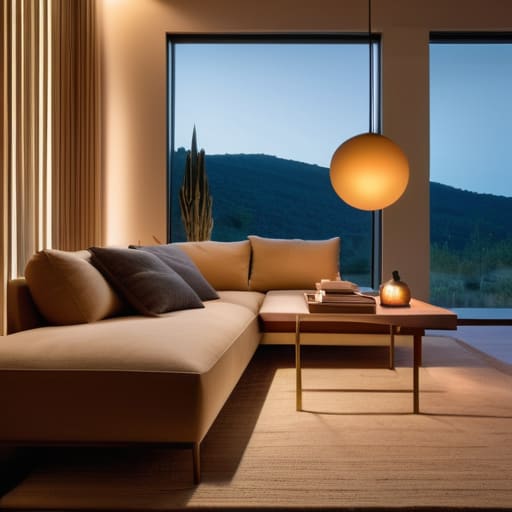
At the end of the day, designing your home’s lighting isn’t about following a strict set of architectural rules or buying the most expensive fixtures on the market. It’s about the intentionality behind how we see our spaces. By embracing the nuance of layered lighting—mixing those soft ambient glows with focused task lights—and being mindful of the temperature of your bulbs, you transform a house from a mere structure into a living, breathing sanctuary. It’s the difference between a room that feels clinical and one that feels like it’s giving you a quiet, warm embrace the moment you walk through the door.
As I move from one temporary kitchen to another, I’ve realized that the way a space is lit dictates how we interact with the people inside it. A well-lit table invites long, rambling dinners and deep conversations, while a dim corner offers the perfect refuge for a book and a glass of wine. Don’t be afraid to experiment, to dim the lights, or to let a single lamp create a pocket of intimacy. Lighting is the invisible ingredient that flavors the atmosphere of your life. Treat it with the same care you would a slow-simmered sauce; it is the soul of the home.
Frequently Asked Questions
How do I balance functional task lighting with that cozy, lived-in feeling without making my small apartment feel cluttered?
I’ve learned this the hard way in tiny studio apartments: don’t try to do everything with one big overhead light. That’s how a space starts feeling clinical. Instead, think of light like seasoning—you want layers. Use a slim, focused desk lamp for your actual work, but tuck a small, warm amber lamp in a corner or on a shelf nearby. It creates depth without taking up physical space, keeping the room functional but soft.
Are there specific ways to use lighting to make a space feel more connected to the natural rhythm of the day?
I’ve always found that our bodies crave the same shifts in light that I notice when moving between cities. To mimic the natural rhythm, I lean into “circadian lighting.” In the morning, use bright, cooler tones to mimic the clarity of dawn—it’s like that first burst of sunlight hitting a market stall. As evening approaches, I dim everything and switch to low, amber-hued lamps. It signals to your brain that the day is winding down.
When I'm shopping for new lamps or fixtures, how can I tell if the light quality is actually good or just looks pretty in the store?
I’ve learned this the hard way in dimly lit bistros across Europe. Don’t just look at the lamp’s silhouette; look at the shadow it casts. A good fixture should diffuse light softly, not create harsh, jagged lines on the wall. If you can, check the CRI (Color Rendering Index) on the box. You want something above 90. If the light makes your food look gray or sickly instead of vibrant, it’s just a pretty object, not a good light.
