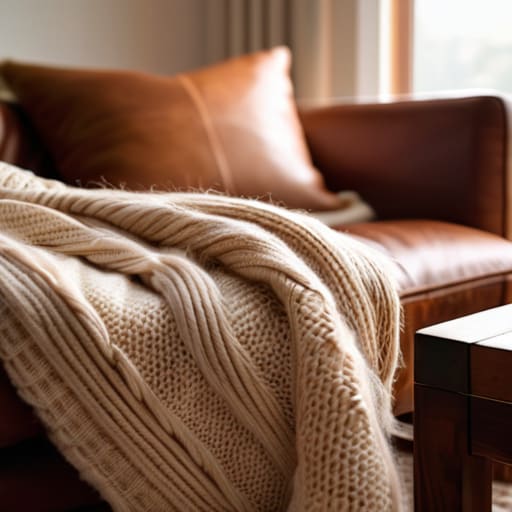
I remember sitting in a tiny, sun-drenched kitchen in the hills of Tuscany last autumn, wrapped in a heavy, slightly frayed linen shawl that smelled faintly of dried lavender and woodsmoke. There was no curated “aesthetic” in sight—just the rough grain of a farmhouse table and the weight of a hand-knitted wool throw tucked around my feet. It struck me then that we often mistake expensive, polished decor for comfort. We get lost in the endless cycle of buying “perfect” items, forgetting that true cozy textures aren’t about following a trend or filling a room with overpriced velvet; they are about the tactile honesty of materials that actually feel good against your skin.
I’m not here to give you a shopping list of high-end showroom finds or tell you that you need a complete renovation to feel settled. Instead, I want to share how to find that sense of grounding through the simple, sensory details of your surroundings. We’re going to look at how to layer lived-in fabrics and natural elements to create a space that feels genuinely soulful, moving away from the sterile and toward something much more human.
Table of Contents
Layering Soft Fabrics Like a Slow Sunday Morning
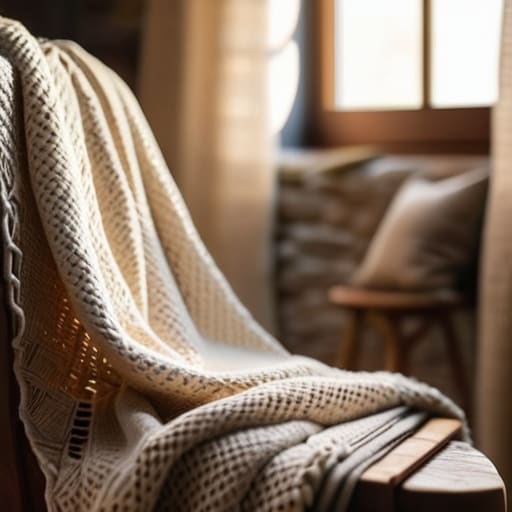
There is a specific kind of magic in the way a room feels when you stop treating it like a showroom and start treating it like a sanctuary. I remember staying in a small, stone cottage in the Cotswolds where the owner had mastered the art of layering soft fabrics without it ever feeling cluttered. It wasn’t about matching colors; it was about the weight of things. A heavy linen curtain that keeps the morning chill at bay, paired with a light, breathable cotton throw, creates a sense of depth that you just can’t get from a single piece of furniture.
When I’m looking for inspiration, I lean into tactile home decor that tells a story. I love the way different knitted fabric patterns can break up the visual monotony of a plain sofa, adding a bit of much-needed grit and character. It’s about creating a sensory home environment where your hands want to reach out and touch the surfaces. Whether it’s a chunky wool weave or a smooth, worn-in velvet, these layers are what transform a house into a place that actually breathes with you.
The Warm Aesthetic Textiles of a Well Loved Home
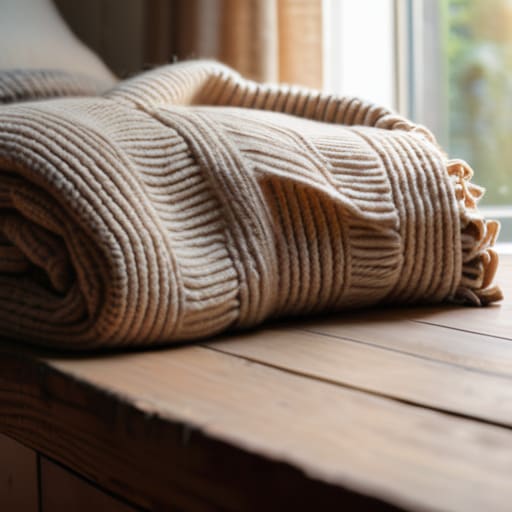
There is a certain kind of soul that lives in the imperfections of a home. I’ve spent many evenings in small, family-run guesthouses across Europe, and I’ve noticed that the most inviting spaces aren’t the ones curated by a magazine, but those that embrace warm aesthetic textiles that have clearly been lived in. It’s the weight of a heavy linen curtain or the way a faded cotton rug feels under bare feet after a long day of walking. These elements create a sensory home environment that tells a story of comfort rather than perfection.
I often find myself reaching for my notebook to jot down the feeling of a room, and it’s rarely about the furniture. Instead, it’s about the way different materials interact. I love seeing intricate knitted fabric patterns tossed haphazardly over an old armchair, or the way a rough jute mat sits beside a smooth silk pillow. It’s this intentional layering of textures that moves a space away from being just a house and turns it into a sanctuary. To me, a well-loved home is one where every surface invites you to stay just a little bit longer.
Small Ways to Bring Tactile Comfort into Your Own Space
- Don’t be afraid of the “imperfect” weave; a chunky, slightly uneven linen throw often feels much more soulful and lived-in than something perfectly symmetrical from a big-box store.
- Mix your weights to create depth, like pairing a heavy, oversized knit blanket with a lighter, breathable cotton cushion to mimic the way we layer clothes when the weather shifts.
- Look for natural fibers that tell a story—think hand-loomed wool or raw silk—because these materials react to light and touch in a way that synthetic fabrics just can’t replicate.
- Incorporate organic textures like a jute rug or a weathered wooden tray to ground the softness of your fabrics, preventing the room from feeling too “fluffy” and keeping it feeling intentional.
- Focus on the sensory details that catch your eye in a quiet moment, such as the subtle grain of a linen tablecloth or the slight fuzz of a well-worn velvet pillow.
Small Ways to Bring the Feeling of Home Anywhere
Focus on the tactile rather than the visual; choosing a heavy linen or a worn cotton over something purely decorative makes a space feel lived-in rather than staged.
Don’t be afraid of imperfection, because the beauty of a cozy space lies in the slight fray of a hand-woven rug or the way a well-used quilt settles into a chair.
Use texture to create “micro-climates” in your living space, layering different weights of fabric to mimic the comfort of a quiet, tucked-away corner in a village cafe.
The Language of Touch
“I’ve realized that a room doesn’t become a home through its color palette or its furniture, but through the way it feels against your skin—the honest, tactile weight of a linen sheet or the rough embrace of a hand-knitted throw that tells you, quite simply, that you are allowed to rest here.”
Anouk Verhoeven
Finding the Soul in the Layers
As I sit here in a small, sun-drenched kitchen in Lisbon, reflecting on everything we’ve discussed, it becomes clear that cozy textures are more than just a design choice. They are the physical manifestations of our need for comfort and connection. Whether we are layering heavy linen throws to mimic a slow Sunday morning or curating a collection of well-loved, tactile textiles that tell the story of where we’ve been, we are ultimately building a sanctuary. It isn’t about perfection or following a strict aesthetic; it is about the intentional layering of materials that speak to our senses and ground us in the present moment.
At the end of the day, the most beautiful spaces aren’t the ones that look like they belong in a glossy magazine, but the ones that feel like they have a heartbeat. I’ve learned through my travels that a home—or even just a temporary corner of a cafe—becomes a home when it embraces the imperfect and the tactile. So, don’t be afraid to mix the rough with the smooth or the old with the new. Let your surroundings be a reflection of your own journey, soft and weathered in all the right places, reminding you that you are exactly where you need to be.
Frequently Asked Questions
How can I incorporate these tactile, cozy elements into a small apartment without making it feel cluttered or overwhelming?
I’ve learned this the hard way while moving between tiny studios. The trick is to think in layers rather than volume. Instead of adding more “things,” focus on the quality of what you already have. Swap a stiff cotton pillow for a heavy linen one, or drape a single, chunky knit throw over the edge of your sofa. It’s about choosing one or two high-tactile pieces that catch the light and invite you to settle in.
Are there specific natural fibers I should look for to get that authentic, lived-in feel rather than something that looks mass-produced?
If you want to avoid that stiff, synthetic look, look for fibers with a bit of “soul”—things that have a slight irregularity to them. I always hunt for heavy, undyed linens and chunky, hand-spun wools. There’s a certain honesty in a linen throw that wrinkles easily; it shows it’s actually being used. Even a simple cotton gauze feels more intentional than something perfectly smooth. If it feels a little bit imperfect, you’re on the right track.
How do you balance the need for functional, easy-to-clean fabrics with the desire for soft, heavy textures like wool or velvet?
I’ve learned this the hard way while living out of a suitcase. I love the weight of a heavy velvet cushion, but I can’t spend my afternoons scrubbing spills. My trick is the “high-low” mix: I save the delicate, beautiful wool throws for the reading nook or the bedroom—places where life is a bit slower. For the kitchen or the main sofa, I look for sturdy linens or performance weaves that mimic that organic, tactile feel without the stress.
