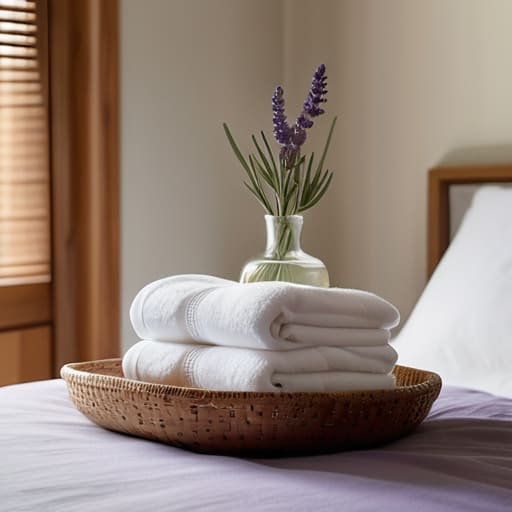
I still remember staying in a tiny guesthouse in the hills of Oaxaca last spring. The room was sparse, but the air smelled faintly of dried lavender and cedar, and there was a heavy, hand-woven blanket that felt like a hug. It wasn’t about having a curated collection of expensive decor or those ridiculous, overpriced scented candles you see in lifestyle magazines. In fact, I think the obsession with “perfect” aesthetics often misses the point of what actual guest room essentials should be. We don’t need a showroom; we need a space that feels intentionally kind.
I’m not here to give you a shopping list of things you don’t need just to fill up a corner. Instead, I want to share what actually makes a person feel settled when they are away from their own four walls. Drawing from years of living out of a suitcase and staying in everything from boutique riads to family homes, I’ll walk you through the small, sensory details that transform a spare room into a sanctuary. We’re focusing on the practical, the thoughtful, and the truly necessary.
Table of Contents
Creating a Cozy Guest Space With Local Textures

When I stay in a small guesthouse in the Peloponnese or a tiny apartment in Kyoto, it’s rarely the expensive linens that make me feel settled; it’s the tactile connection to the place. To me, creating a cozy guest space isn’t about buying a matching set of sterile, department-store pillows. Instead, I look for things that feel lived-in and authentic. I love incorporating hand-loomed throws or ceramics that carry the weight and texture of the local landscape. These small, sensory details act as an anchor, turning a spare room into a sanctuary rather than just a place to sleep.
If you are looking for hosting guest room decor ideas, try layering different materials to add depth. A heavy linen duvet paired with a rough-hewn wooden tray can make even the simplest room feel intentional. I often find that the most meaningful touches are the ones that invite touch—a chunky knit blanket or a smooth stone coaster. It’s about moving away from a clinical, hotel-like feel and toward something that feels warm and human.
A Luxury Guest Room Setup for Quiet Mornings

There is a specific kind of magic in those first few minutes of a morning when the light is still soft and the rest of the world feels miles away. When I stay in boutique guesthouses, I’ve noticed it’s rarely the grand architecture that stays with me, but rather the small, thoughtful touches that invite stillness. To replicate this, a luxury guest room setup should focus on the ritual of waking up. Instead of just a bed, think about providing a sense of calm. A small carafe of fresh water and a ceramic mug waiting on the nightstand can transform a standard stay into something that feels deeply intentional.
When I’m putting together my own guest room amenities checklist, I always prioritize the sensory experience. Beyond the linens, I focus on the essential bedside table items that cater to a slow pace: a heavy linen journal, a high-quality pen, and perhaps a small, unscented candle. It’s about giving your guests permission to linger in their own thoughts before the day begins, much like the quiet moments I find in a sun-drenched cafe before the morning rush.
The Small Details That Make Someone Feel Like They Belong
- I’ve learned from staying in so many tiny guesthouses that a bedside carafe and a glass are essential; there is something so grounding about being able to take a sip of water in the middle of the night without having to stumble toward the kitchen.
- Leave a small stack of local maps or a handwritten note about your favorite nearby bakery on the nightstand, much like the little welcome guides I find in the quiet corners of Mediterranean villages.
- Don’t underestimate the power of a dedicated charging station; providing a few extra cables near the bed saves your guests from that frantic, mid-trip search for an outlet behind a heavy dresser.
- I always appreciate a small basket of “forgotten” essentials—think unscented soap, a spare toothbrush, or even a bit of high-quality linen balm—because it removes that tiny layer of anxiety that comes with being in a new space.
- Create a sense of ritual by providing a selection of local teas or a small jar of honey from the market; it turns a simple morning routine into a quiet moment of connection with the place they are visiting.
Small Touches, Big Connections
Focus on the sensory details—a soft throw or a local scent—to make a guest feel grounded rather than just “housed.”
Prioritize quiet rituals, like a well-placed carafe of water or a nook for morning light, to honor your guest’s personal rhythm.
Aim for a space that feels lived-in and intentional, turning a spare room into a sanctuary that mirrors the warmth of a true host.
The Soul of Hospitality
A guest room shouldn’t feel like a staged showroom; it should feel like a soft landing. The best essentials aren’t the most expensive ones, but the small, thoughtful touches—a well-worn book, a local tea, or a single candle—that signal to a person: ‘You are safe here, and you are welcome to just be.’
Anouk Verhoeven
The Heart of the Home
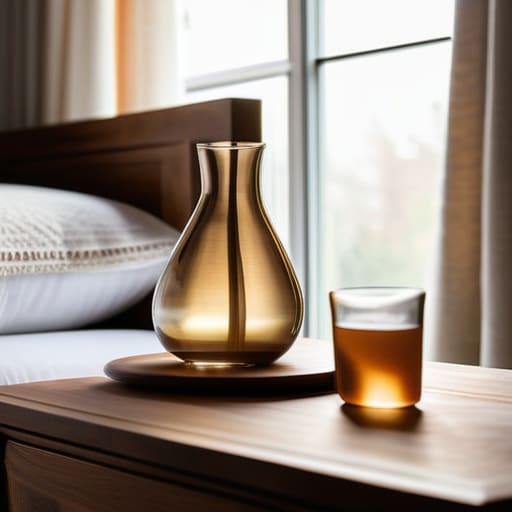
At the end of the day, preparing a guest room isn’t about checking off a long list of expensive amenities or following a rigid design template. It’s about the thoughtful layering of small details—from the tactile comfort of local textiles to the quiet luxury of a well-placed carafe of water for those early morning awakenings. Whether you are focusing on creating a sensory-rich environment through textures or simply ensuring there is enough light for a slow cup of coffee, the goal is to provide a sense of ease. By prioritizing these intentional touches, you transform a spare room from a mere sleeping space into a sanctuary that feels both curated and deeply welcoming.
As I move from city to city, I’ve realized that the most memorable stays aren’t defined by the grandeur of the hotel lobby, but by the way a host makes you feel seen and settled. A guest room is more than just furniture and linens; it is a physical manifestation of your hospitality. It is an invitation for your loved ones to slow down and truly inhabit a space, much like how a shared meal in a crowded market makes a stranger feel like a local. When you open your doors, you aren’t just providing a bed—you are sharing a piece of your world.
Frequently Asked Questions
How can I make a guest room feel personal without overstuffing it with clutter?
I’ve learned from staying in so many different homes that personality isn’t about how much stuff you can fit in a corner. It’s about the small, intentional touches. Instead of clutter, try a single, meaningful object—maybe a small ceramic bowl from a local potter or a stack of books you actually love. It’s like a well-curated market stall; it’s the specific, thoughtful details that make a space feel lived-in rather than just staged.
What are some small, thoughtful touches that make a space feel more like a home and less like a hotel?
It’s the small, sensory details that bridge the gap between a sterile room and a home. I always think of it like a local guesthouse: it’s about the things you can touch and smell. Leave a stack of well-loved books on the nightstand, a small carafe of fresh water, or even a sprig of dried lavender. These tiny, unpolished touches signal to your guests that they aren’t just staying in a space—they’re being looked after.
Is it worth investing in high-end linens, or are there better ways to prioritize comfort on a budget?
I’ve learned from staying in countless guesthouses that you don’t need a designer label to feel cared for. If your budget is tight, skip the high-end linen sets and invest in one really high-quality, heavy cotton duvet cover instead. To me, it’s about the tactile experience—the weight and the breathability. Pair that with a few extra pillows and a soft, well-worn throw, and you’ve created a sanctuary that feels expensive without the price tag.
