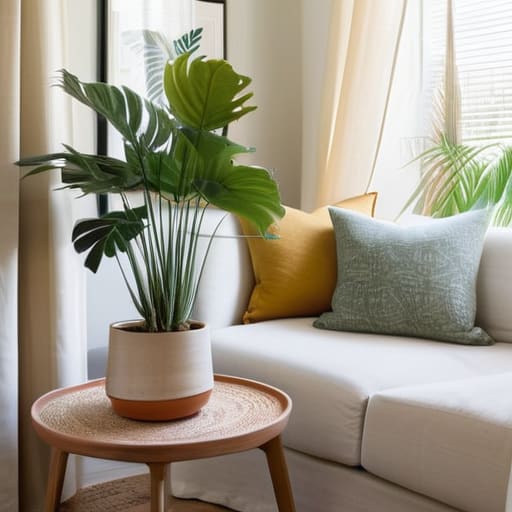
I still remember the smell of damp plaster and stale coffee in my first studio in Lisbon—a tiny, drafty space that felt more like a temporary transit station than a home. I spent hours staring at those sterile, white walls, feeling like I was living in a waiting room rather than a sanctuary. The internet is full of these polished, high-budget “hacks” that suggest you need a massive budget to fix a soul-less space, but that’s a lie. Real rental friendly decor isn’t about buying a whole new aesthetic; it’s about finding those small, tactile ways to anchor yourself when you don’t actually own the floor beneath your feet.
I’m not here to sell you on expensive gadgets or complicated DIY projects that will leave you fighting with your landlord come lease renewal. Instead, I want to share the practical, low-impact methods I’ve gathered from years of moving between cities and makeshift kitchens. We’re going to focus on things that actually add warmth—textures, lighting, and art—without leaving a single permanent mark. Think of this as a guide to making a space feel like yours, one intentional layer at a time.
Table of Contents
Peel and Stick Wallpaper Adding Texture Without Leaving Scars
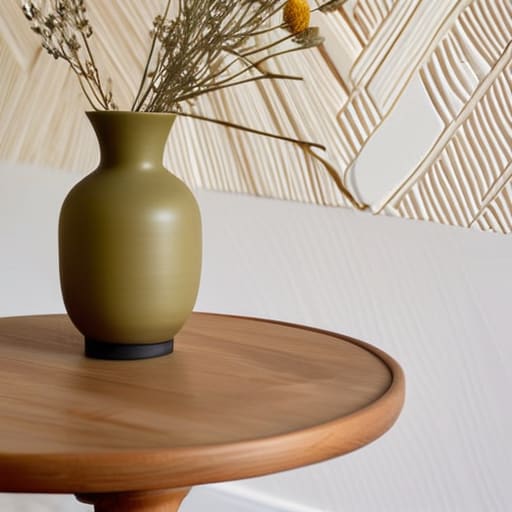
I remember staying in a tiny studio in Lisbon last autumn, where the walls were a sterile, unforgiving white that felt more like a hospital than a home. It’s a common struggle when you’re moving frequently; you want a sense of place, but you can’t exactly pick up a paintbrush. This is where peel and stick wallpaper becomes a lifesaver. It’s essentially a temporary skin for your room that allows you to introduce pattern or even a subtle linen texture without the permanent commitment.
I recently experimented with a botanical print in a small nook, and the transformation was immediate. Because it’s designed for easy removal, it qualifies as one of those essential damage-free wall decor options that won’t result in a lost security deposit. The trick is to choose a design that feels intentional—something that mimics the organic textures I look for in local markets. If you apply it to a single accent wall or even just a bookshelf back, it adds a layer of depth that makes a generic space feel deeply personal and lived-in.
The Art of Damage Free Wall Decor for Quiet Moments
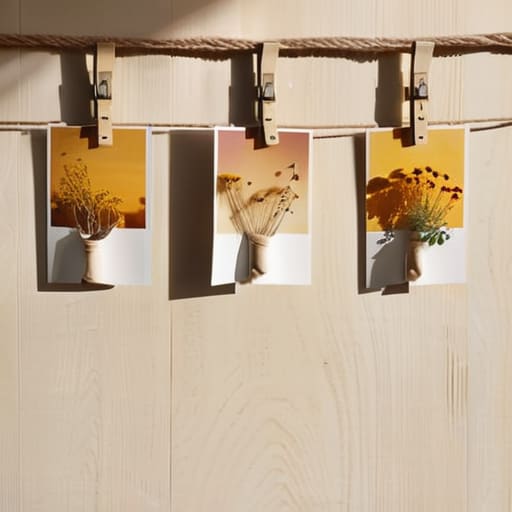
When I’m staying in a new city for a few months, I find that the walls often feel a bit too sterile, like a gallery space rather than a home. I’ve learned that you don’t need to hang heavy frames to create a sense of belonging. Instead, I lean into damage-free wall decor that feels more organic. I often use small, wooden clips or even simple twine to hang postcards from local markets or pressed flowers I’ve found on my walks. It’s a way to bring the outside in without ever touching a drill.
For something a bit more substantial, I’ve become a huge fan of exploring different command hook decorating ideas. They are perfect for hanging lightweight woven tapestries or even small, dried herb bundles that catch the light. It’s these tiny, intentional layers that turn a temporary room into a sanctuary. Whether it’s a piece of art that reminds me of a coastal town or a simple string of warm lights, these temporary apartment upgrades allow me to curate a space that feels grounded and deeply personal, no matter how fleeting my stay might be.
Small Shifts That Make a Temporary Space Feel Like Yours
- Lighting is everything. I’ve found that the harsh, overhead fluorescent lights in most rentals are the quickest way to kill a mood. Instead, bring in a few warm lamps or even some battery-operated sconces to create those soft, lived-in pockets of light that make a room feel cozy rather than clinical.
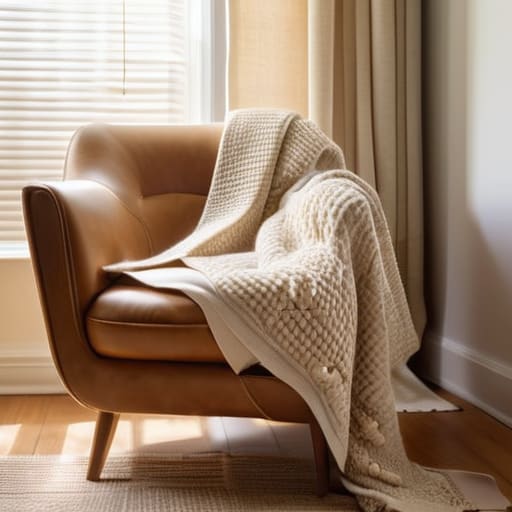
- Layer your textiles. Since I can’t paint the walls or swap out the carpet, I rely heavily on rugs and throw blankets. A well-worn linen throw or a textured jute rug can mask an ugly floor and instantly add the warmth that a sterile rental is usually missing.
- Use your surfaces to tell a story. I always say that a kitchen or a coffee table shouldn’t just be functional; it should be a curated collection of things you’ve gathered. A ceramic bowl from a market in Oaxaca or a stack of vintage cookbooks can make a generic countertop feel deeply personal.
- Bring the outside in. It sounds simple, but greenery is a lifesaver when you’re stuck with neutral, uninspiring walls. Potted herbs on a windowsill or a trailing pothos on a shelf add life, movement, and a sense of growth to a space that might otherwise feel stagnant.
- Rethink your hardware. One of my favorite little tricks is swapping out the generic, boring knobs on kitchen cabinets or dresser drawers. It’s a tiny detail, but replacing a plastic handle with something brass or ceramic makes a massive difference in how much a piece of furniture feels like it belongs to you.
Small Shifts, Big Impact
Focus on layers rather than permanent changes; think of your decor like seasonal ingredients that can be swapped out without rebuilding the entire kitchen.
Prioritize items that respect the architecture of your space, ensuring your personal style leaves a memory behind but no physical scars on the walls.
Use texture and scent to ground a temporary room, turning a sterile rental into a place that actually feels lived-in and soulful.
## The Soul of a Temporary Space
“Decorating a rental isn’t about making a permanent mark on a building; it’s about layering enough warmth and personality into a room so that, for a little while, it stops feeling like a transit lounge and starts feeling like a home.”
Anouk Verhoeven
Finding Your Rhythm in a Temporary Space
At the end of the day, making a rental feel like yours isn’t about a complete overhaul or following every passing interior design trend. It’s about the small, intentional choices—the way a piece of peel-and-stick wallpaper adds a layer of warmth to a sterile room, or how a few carefully placed, damage-free frames turn a blank wall into a personal gallery. Whether you are layering textures through textiles or using light to change the mood of a corner, these subtle shifts are what bridge the gap between a mere house and a true sanctuary. It is about finding that delicate balance between functionality and soul, ensuring your space serves you without compromising your security deposit.
I’ve learned through years of moving between cities that home isn’t a fixed point on a map; it’s a feeling we carry with us and recreate wherever we land. Don’t let the temporary nature of a lease stop you from cultivating a sense of belonging. Your environment should reflect the person you are becoming in this specific chapter of your life. So, grab those command hooks, find that perfect vintage rug, and start building a space that feels as honest and lived-in as the most beloved corner of a local bistro. Make it yours, even if it’s just for a season.
Frequently Asked Questions
How do I make sure peel-and-stick wallpaper won't actually ruin the paint when it's time to move out?
I used to worry about this constantly, especially when moving between apartments every few months. The trick is all in the prep. First, make sure your walls are clean and free of dust—any grit can cause the adhesive to grab too aggressively. Most importantly, when it’s time to go, don’t just rip it off. Use a hairdryer to gently warm the paper; it softens the glue and lets it peel away like a quiet memory rather than a disaster.
Are there any specific types of command hooks or hanging systems that work best for heavier items like framed art or mirrors?
I used to worry about hanging anything substantial in my temporary studios, but I’ve learned to trust the heavier-duty Command strips. For framed art, look for the “Large Picture Hanging Strips”—they work like heavy-duty Velcro and feel much more secure than a single hook. If you’re eyeing a mirror, just make sure the weight rating on the package actually matches your piece. It’s a bit of a balancing act, but it beats drilling holes.
How can I bring in more warmth and personality through textiles without being able to swap out the permanent fixtures or flooring?
Think of textiles as the layers of a well-loved kitchen—they soften the edges. Since you can’t swap the flooring, bring the warmth to your feet with a thick, woven jute rug or a vintage Moroccan runner. Layering a soft wool rug over cold linoleum changes the entire energy of a room. Throw a heavy linen blanket over a generic sofa or swap out stiff pillowcases for something textured like velvet or bouclé. It’s about tactile comfort.
