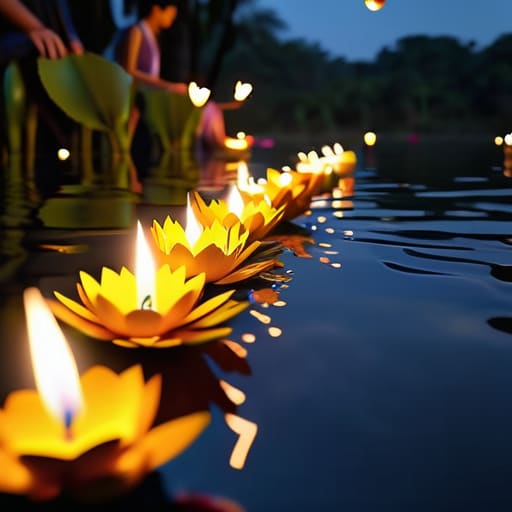
I still remember sitting on a plastic stool in a Chiang Mai alleyway, my notebook damp from the humidity, trying to ignore the chaos of a nearby procession. While the guidebooks were busy screaming about the “must-see” spectacles and the massive, choreographed parades that cost a fortune to attend, I was actually focused on the scent of charred lemongrass and jasmine garlands wafting from a nearby stall. Most people approach thai festivals as if they are checking items off a tourist bucket list, chasing the loudest fireworks or the most Instagrammable light displays. But if you only follow the crowds, you’ll miss the very thing that makes these celebrations matter: the quiet, communal pulse that happens in the spaces between the big events.
I’m not here to give you a polished itinerary of the most expensive VIP viewing areas. Instead, I want to show you how to find the heartbeat of these traditions through the food, the people, and the small, unscripted moments. My goal is to guide you toward the authentic soul of these celebrations, focusing on the local markets and backstreet gatherings where the real stories are actually told.
Table of Contents
The Spiritual Meaning of Thai Ceremonies and Shared Meals
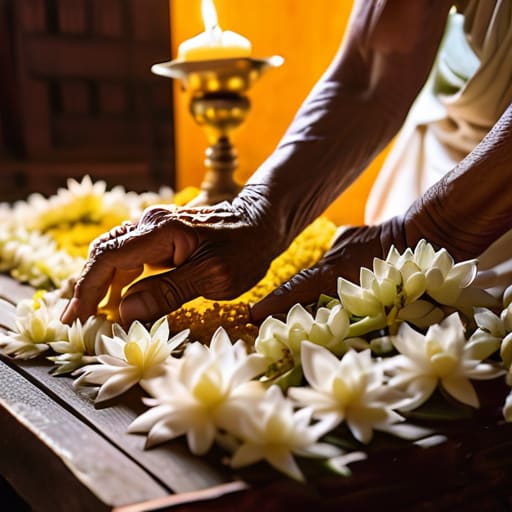
It’s easy to get caught up in the spectacle of the water fights or the glow of a thousand floating lanterns, but if you sit still long enough, you realize these aren’t just parties. There is a profound spiritual meaning of Thai ceremonies that hums beneath the surface of every celebration. I remember sitting on a worn wooden stool in a Chiang Mai temple during a recent lunar cycle, watching an elderly woman carefully arrange jasmine garlands. She wasn’t performing for a crowd; she was participating in a quiet, rhythmic connection to her ancestors.
Many of the traditional Thai holidays are anchored to the cycles of the moon, dictating when we gather to give thanks or let go of the past. Whether it’s the cleansing intent behind the cultural significance of Songkran or the meditative release found during Loy Krathong, these moments are about more than just ritual. They are about the communal act of renewal. When you share a meal during these times, you aren’t just eating; you are participating in a sacred exchange of hospitality that has remained unchanged for generations.
Navigating the Thai Lunar Calendar Celebrations
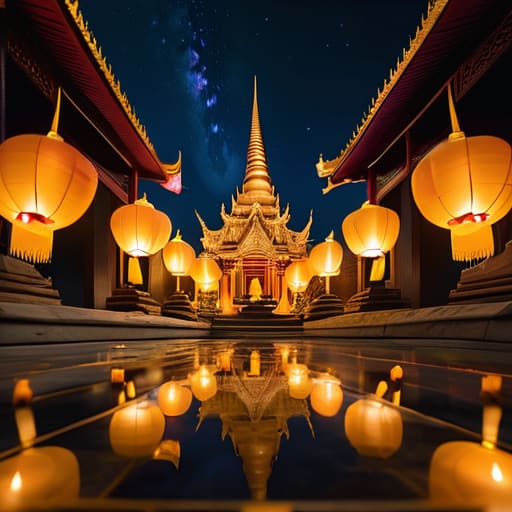
Trying to pin down a specific date for travel can feel like a moving target here. Unlike the fixed Gregorian calendar we’re used to, many of the most profound thai lunar calendar celebrations shift with the cycles of the moon. I’ve learned the hard way that if you’re looking for the best time to visit Thailand for festivals, you can’t just look at a standard calendar; you have to look at the sky. It’s a rhythmic, breathing way of marking time that dictates when the rice is harvested and when the temples come alive with offerings.
I remember sitting on a low wooden stool in a small village in Chiang Mai, watching the moon swell toward fullness. It was just days before the Loy Krathong festivities began. There is a certain quiet anticipation that settles over the country during these lunar transitions. You feel it in the way the market vendors prepare different seasonal sweets or how the scent of jasmine becomes more heavy in the evening air. It isn’t just about the spectacle; it’s about aligning your own pace with the natural world.
A Few Things I’ve Learned Before Getting Lost in the Crowd
- Pack light, but pack smart. If you’re heading into a festival, leave the heavy camera gear in the hotel. I’ve found that a single roll of film and a small crossbody bag allow me to move through crowded markets without feeling like a walking obstacle.
- Follow the steam, not the signs. When the main festival streets get too overwhelming, look for the narrow alleys where the smoke from charcoal grills is thickest. That’s usually where the real food—and the real locals—are hiding.
- Respect the quiet moments. It’s easy to get swept up in the noise of a parade, but some of the most profound parts of a ceremony happen in the stillness of a temple courtyard. Take a breath, step back, and just observe before you start snapping photos.
- Learn the “thank you” in the local dialect. A small, sincere gesture goes a long way when you’re sitting on a plastic stool in a cramped stall, sharing a space with people who have lived there their whole lives.
- Don’t try to see it all. The temptation to check every single temple or parade off a list is real, but you’ll miss the soul of the place if you’re constantly rushing. Pick one celebration, find a good spot to sit, and let the rhythm of the day find you.
Finding the Heart of the Celebration
Look past the spectacle; the true spirit of a Thai festival isn’t found in the grand processions, but in the quiet, shared moments around a steaming bowl of street food or a communal table in a back alley.
Use the lunar calendar as your guide to timing, but let your curiosity lead you toward the local markets where the seasonal ingredients and traditional scents tell the real story of the season.
Approach every ceremony with an open palate and an observant eye, understanding that in Thailand, food is the most honest language of connection between people and their traditions.
The Heartbeat of the Celebration
“If you want to truly understand a Thai festival, stop looking at the stage and start looking at the steam rising from a shared bowl of noodles in a crowded alleyway; that’s where the real ritual lives, in the quiet, messy, delicious connection between people.”
Anouk Verhoeven
Finding Your Own Rhythm
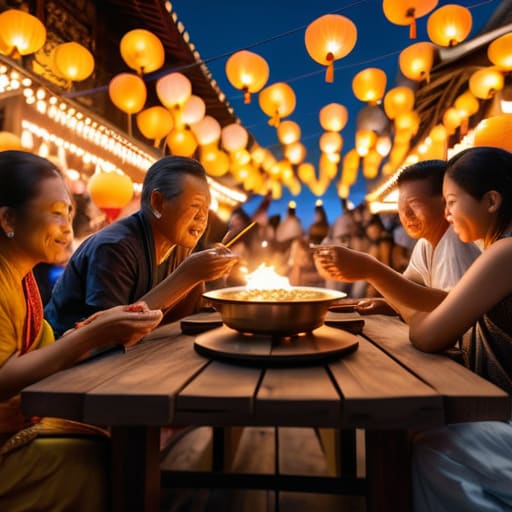
Looking back at the cycle of these celebrations, it’s clear that a Thai festival is never just about the spectacle of the parade or the brightness of the lanterns. It’s a complex tapestry woven from deep spiritual devotion, the precision of the lunar calendar, and—most importantly—the communal act of breaking bread. Whether you are navigating the rhythmic rituals of a temple ceremony or simply finding a seat on a plastic stool during a street festival, you are participating in a living history. These moments remind us that traditions aren’t museum pieces; they are vibrant, breathing connections that bind a community together through shared flavors and sacred traditions.
If you decide to travel through Thailand during these times, my advice is to leave your rigid itinerary at the hotel. Don’t just chase the most photographed landmarks; instead, follow the scent of jasmine and frying garlic into the side streets. Let the chaos of a crowded market or the quiet hush of a candlelit shrine guide you. When you stop trying to “see” everything and start allowing yourself to actually feel the pulse of the place, that is when the real magic happens. Travel isn’t about checking a festival off a list—it’s about finding home in a place you’ve never been before.
Frequently Asked Questions
How can I find the smaller, more intimate community celebrations if I want to avoid the massive crowds of the main festivals?
To find those quieter moments, you have to look past the official tourism calendars. I usually skip the main city squares and head toward the smaller sois or village temples on the outskirts. Ask the local shopkeepers or the person running the noodle stall if there’s a neighborhood celebration coming up. Often, the most beautiful rituals happen in a temple courtyard or a shared alleyway, where the focus is on community, not crowds.
Are there specific etiquette rules I should follow when being invited to join a local family's meal during a religious ceremony?
It’s a huge honor to be invited, so don’t panic. First, wait for the eldest person to start eating before you pick up your spoon. If you’re offered something on a communal plate, use the serving spoon rather than your own. And a small tip from my notebook: always keep your feet tucked away from the table or toward the floor; pointing your soles at someone or a shrine is a big no-no.
Which festivals are best for someone who wants to focus more on the local food markets and seasonal ingredients rather than the large-scale parades?
If you want to skip the spectacle and head straight for the stalls, look toward the Songkran period or the smaller regional harvest festivals. During Songkran, even away from the water fights, the markets overflow with seasonal mangoes and jasmine-scented treats. But for me, the real magic is during the Loi Krathong season in smaller towns; the local night markets become a sensory overload of grilled river fish and seasonal sweets that feel much more intimate than any parade.
