
The humidity in Stone Town doesn’t just sit on your skin; it carries the weight of a thousand years of trade, thick with the scent of cloves and drying seaweed. I remember sitting on a rickety plastic chair in a narrow alleyway last July, my notebook open and my fingers stained yellow from turmeric, watching an elderly woman expertly fold chapati with a rhythmic, practiced grace. Most guidebooks will try to sell you a sanitized, postcard version of tanzanian swahili culture, focusing on the grand architecture or the high-end spice tours that cost more than a week’s rent. But they miss the real pulse of the coast—the way life actually unfolds in the steam of a roadside kitchen or the shared laughter over a communal plate of pilau.
I’m not here to give you a list of monuments or a checklist of “must-see” sights that feel more like museum exhibits than living traditions. Instead, I want to take you into the narrowest streets and the loudest markets to find the authentic heartbeat of this place. I’ll share the stories told through flavors and the quiet, everyday rituals that define the Swahili way of life, ensuring you skip the tourist traps and find the soul of the coast.
Table of Contents
Spices and Stories Exploring Swahili Culinary Traditions
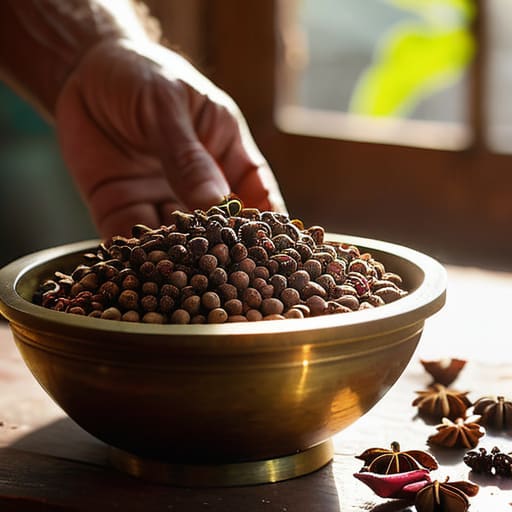
I pulled my notebook from my bag, the pages already slightly damp from the humidity, and tried to capture the scent of the spice stalls in Stone Town. It’s an intoxicating, heavy layer of cloves, cardamom, and cinnamon that seems to hang in the air like a physical presence. This isn’t just seasoning; it is the sensory map of Swahili coastal heritage. As I watched a vendor toss handfuls of peppercorns into a scale, I realized that every dish here tells a story of movement—of people, goods, and ideas crossing the Indian Ocean.
To taste a proper Swahili pilau is to understand the complex Bantu and Arab influences in Tanzania without ever opening a history book. You can taste the depth of the spices that arrived on dhows centuries ago, layered over local ingredients that have sustained families for generations. It’s a slow, deliberate kind of cooking that mirrors the rhythm of life here. In these kitchens, food isn’t just fuel; it is the primary way that East African social customs are practiced and passed down, one shared plate at a time.
Bantu and Arab Influences in Tanzanias Coastal Kitchens
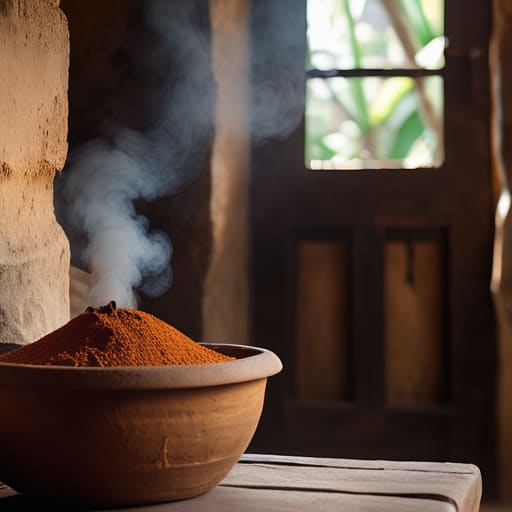
To understand the flavors of the coast, you have to understand the history that simmered in the pots long before I arrived. The food here isn’t just a recipe; it’s a map of migrations. You can taste the deep, grounded roots of the Bantu people in the staples—the heavy reliance on coconut milk, tubers, and hearty grains that form the foundation of every meal. But then, there’s that sudden, aromatic shift. As you move through the narrow alleys of Stone Town, the scent of cloves and cardamom pulls you toward a different era, a reminder of the centuries of trade that brought Persian and Arab merchants to these shores.
This intersection of Bantu and Arab influences in Tanzania is what makes the cuisine so layered. It’s in the way a simple fish curry uses local techniques but is elevated by spices that traveled across the Indian Ocean. It’s a culinary dialogue that mirrors the Swahili coastal heritage itself—a blend of indigenous strength and foreign elegance. When I sit down at a small family-run stall, I’m not just eating; I’m tasting the result of a thousand years of people meeting, trading, and eventually, sharing a table.
How to Navigate the Coast Without Losing the Soul of the Experience
- Leave the hotel buffet behind. If you want to actually understand the rhythm of Swahili life, head to the local mama lishe stalls. These are the women cooking incredible, home-style meals in small roadside setups; it’s where the real flavor—and the real community—lives.
- Learn the art of the slow greeting. In Swahili culture, rushing into a transaction or a question is incredibly jarring. Take a moment to exchange a proper Habari (how are you) and let the conversation breathe before you get to the point. It’s about respect, not efficiency.
- Follow your nose to the night markets. The best way to experience the sensory overlap of culture and food is to wander through the evening markets. The scent of charcoal-grilled mahamri and cloves hanging in the humid air tells a better story than any guidebook ever could.
- Respect the communal nature of the table. Food here is rarely a solitary act. If you’re invited to share a meal, embrace the slow pace. It’s an invitation into a social fabric that values connection over convenience, so put your phone away and just be present.
- Dress with intention and modesty. When you’re navigating the narrow, winding streets of Stone Town or coastal villages, remember that you’re a guest in a deeply traditional space. Keeping your shoulders and knees covered isn’t just about etiquette; it’s a way to signal that you respect the local way of life.
The Heart of the Swahili Experience
To truly understand Swahili culture, look past the grand monuments and find it in the sensory details—the scent of cloves in a coastal breeze or the communal rhythm of a busy market stall.
The cuisine is a living map of history, where every pinch of cardamom and every grain of rice tells the story of centuries of Bantu, Arab, and Indian migration.
Authentic connection happens in the quiet, unscripted moments, like sharing a meal on a low wooden stool rather than sitting in a polished hotel dining room.
The Language of the Spice Trade
“You can read all the history books you want, but you won’t truly understand the Swahili coast until you’re standing in the humid haze of a morning market, breathing in the scent of cloves and cardamom, and realizing that every spice in that bowl is a map of a thousand years of arrivals and departures.”
Anouk Verhoeven
More Than Just a Meal
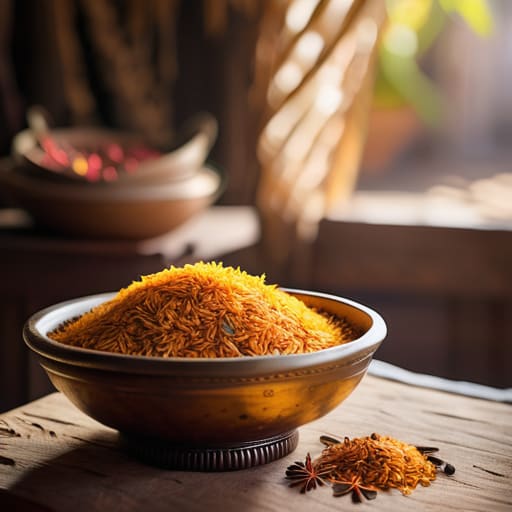
Looking back at everything we’ve uncovered, it’s clear that Swahili culture isn’t something you can simply observe from a distance; it’s something you have to taste and feel. From the complex layering of spices that trace centuries of Arab and Bantu migration to the way a simple plate of pilau acts as a bridge between neighbors, the coastal kitchen is a living archive. It’s in the steam rising from a street vendor’s pot and the shared laughter over a communal meal that the true history of the Tanzanian coast reveals itself. To understand this place, you have to move past the guidebooks and embrace the sensory chaos of the market.
As I sit here packing my notebook, thinking about the scents of cloves and cardamom that seem to cling to my clothes, I’m reminded why I travel in the first place. It’s never about checking a landmark off a list; it’s about those fleeting, quiet connections found in the middle of a crowded room. Swahili culture teaches us that hospitality is a universal language, and food is its most eloquent dialect. So, the next time you find yourself wandering a new city, don’t just look for the sights—look for the kitchen. That is where you will find the soul of the people.
Frequently Asked Questions
How can I find these authentic street food experiences without accidentally ending up in a tourist trap?
It’s easy to get lost in the neon lights of the main drags, but my rule is simple: follow the steam and the crowds. If you see a stall where the menu isn’t written in English and the locals are standing around waiting for their food, you’ve found gold. Don’t be afraid to look a little lost; just find a spot with high turnover. If the ingredients look fresh and the rhythm feels real, sit down.
Are there specific etiquette rules I should know before sitting down to share a meal in a local Swahili home?
If you’re lucky enough to be invited into a Swahili home, remember that the meal is a sacred ritual of connection. Always use your right hand—the left is traditionally considered unclean. Even if you’re eating pilau with your fingers, stick to the right. Also, don’t rush to finish; lingering over your plate shows respect for the host’s hospitality. It’s less about the etiquette and more about the shared rhythm of the table.
Beyond the food, what are the best ways to observe the daily rhythms of Swahili life in a way that feels respectful rather than intrusive?
The best way to observe without intruding is to simply exist in the same spaces as the locals, but at a slower pace. Skip the guided tours and instead, find a corner in a neighborhood cafe or sit on a bench near a bustling market. Let the rhythms come to you. If you’re curious about something, ask a simple, open-ended question—maybe about a specific ingredient or a local craft—and listen more than you speak.
