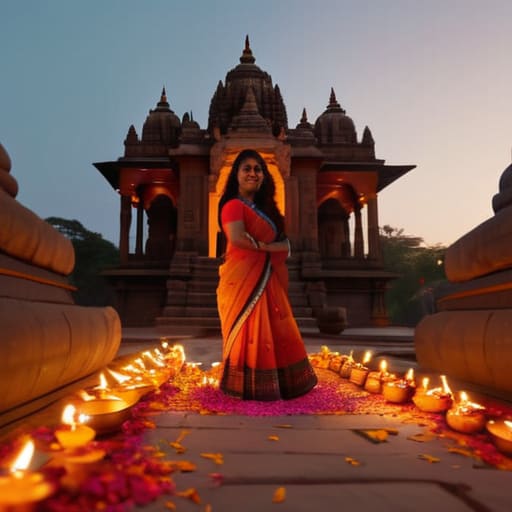
I still remember sitting on a low plastic stool in a narrow alleyway in Jaipur, my notebook tucked into my pocket, as the air turned thick with the scent of burnt sugar and crushed marigolds. Everyone tells you that indian festivals are about the massive, neon-lit processions or the grand, choreographed spectacles you see on travel brochures. But as I sat there, watching a woman in a faded sari meticulously fry jalebis for a neighbor, I realized that the real pulse of these celebrations isn’t found in the loud, expensive displays. It’s found in the quiet, rhythmic chaos of a kitchen that hasn’t slept in three days.
I’m not here to give you a polished itinerary of the most “Instagrammable” moments or a guide to the most expensive tickets in the country. Instead, I want to take you past the velvet ropes and into the heart of the matter. I’ll be sharing what I’ve learned from living through these seasons—the specific flavors, the communal rituals, and the unfiltered reality of how these traditions actually shape daily life. We’re going to look for the soul of the celebration, one street-side stall at a time.
Table of Contents
Finding Spiritual Meaning in Sacred Indian Rituals
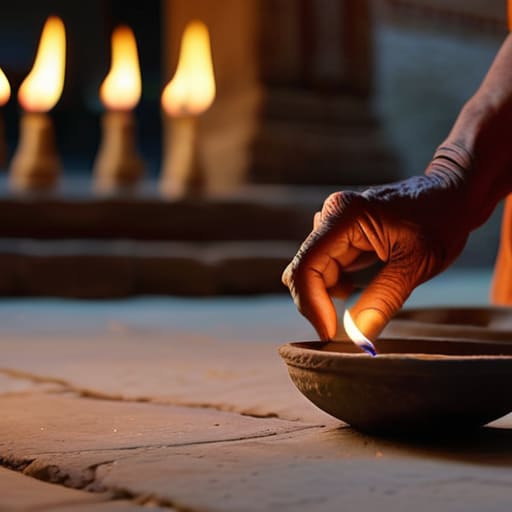
It’s easy to get caught up in the spectacle—the neon lights, the rhythmic drumbeats, the sheer sensory overload. But if you sit still long enough in a quiet corner of a temple courtyard, you start to feel something deeper. To me, the true spiritual meaning of Indian rituals isn’t found in the loud celebrations, but in the quiet, intentional movements of a devotee lighting a single diya or the way a family gathers to offer prayers. There is a profound sense of continuity here; these aren’t just performances, they are ancient threads connecting the present moment to a lineage of belief that stretches back millennia.
I remember sitting on a stone step in Varanasi, watching the smoke from incense swirl into the humid evening air. It wasn’t about the grand scale of the event, but the intimacy of the devotion. Whether it is through the rhythmic chanting of mantras or the meticulous way offerings are prepared, these acts serve as a bridge between the mundane and the divine. Understanding the cultural significance of Hindu holidays requires looking past the surface-level festivities to see how these rituals ground people, offering a sense of purpose and a shared rhythm to the turning of the seasons.
The Cultural Significance of Hindu Holidays Through Food
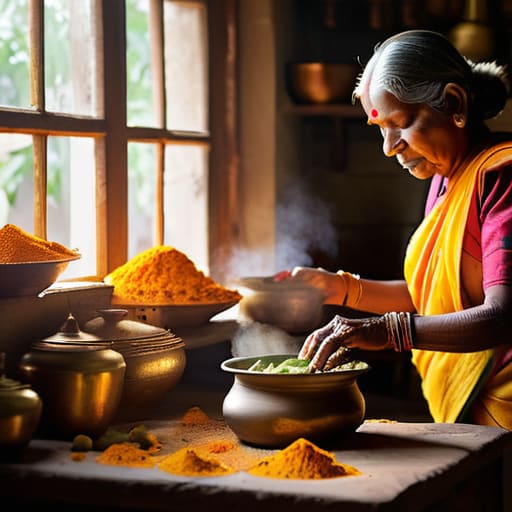
If you want to understand the true cultural significance of Hindu holidays, stop looking at the calendars and start looking at the stovetops. In every household I’ve visited, from the humid streets of Chennai to the cool hills of Himachal, the rhythm of the year isn’t dictated by the weather, but by what is simmering in the pot. These seasonal celebrations in India are less about the spectacle and more about the deliberate preparation of specific ingredients that honor the earth’s current cycle.
Take, for instance, the way a simple bowl of kheer or a plate of steamed modaks can act as a bridge between the divine and the domestic. During these times, the kitchen becomes a sacred space where recipes act as a living history. I’ve sat in tiny, steam-filled apartments where the air was thick with the scent of cardamom and ghee, realizing that the food isn’t just sustenance; it is a tangible connection to ancestry. It’s how a family says, “We are still here, and we still remember.”
How to Navigate the Chaos (and Find the Magic)
- Follow your nose, not your GPS. The most authentic celebrations aren’t found on a curated “top sights” map; they’re tucked away in the narrow lanes where the scent of frying jalebis and incense is thickest.
- Embrace the sensory overload. There will be noise, heat, and crowds that feel overwhelming at first. Instead of fighting it, find a small corner in a local cafe, grab a chai, and just watch the rhythm of the street unfold.
- Ask about the ingredients. If you’re offered a traditional sweet during a festival, don’t just eat it—ask what makes it special for that specific day. Usually, there’s a story about a seasonal harvest or a local legend tied to that one flavor.
- Learn a few basic phrases. A simple “Happy Diwali” or “Shubh Deepavali” goes a long way. It shifts you from being a mere spectator to a guest, and people are much more likely to invite you into their quiet, family moments.
- Pack light, but bring a notebook. You’ll want to jot down the specific notes of spices or the way the light hits the marigolds in the morning. These small, sensory details are what turn a trip into a memory.
Beyond the Spectacle: What I’ve Learned
Don’t just look for the lights; look for the kitchen. The true heartbeat of any Indian festival isn’t found in a choreographed parade, but in the rhythmic chopping of vegetables and the shared steam of a communal meal.
Rituals are more than just ancient traditions; they are the threads that keep families tethered to their history, often expressed through the quiet, repetitive gestures of preparing a specific seasonal dish.
To truly experience a celebration, you have to step away from the main stage. The most profound cultural connections happen in the small, sensory details—the scent of marigolds in a narrow alleyway or the taste of a street-side sweet shared with a stranger.
The Sensory Heart of Celebration
“I’ve learned that you don’t truly understand an Indian festival by watching the processions from a distance; you understand it when you’re elbow-deep in a bowl of festive sweets, breathing in the heavy scent of jasmine and frying cardamom, realizing that these traditions aren’t just dates on a calendar—they are the very flavors of a community’s soul.”
Anouk Verhoeven
The Lingering Aftertaste of Celebration
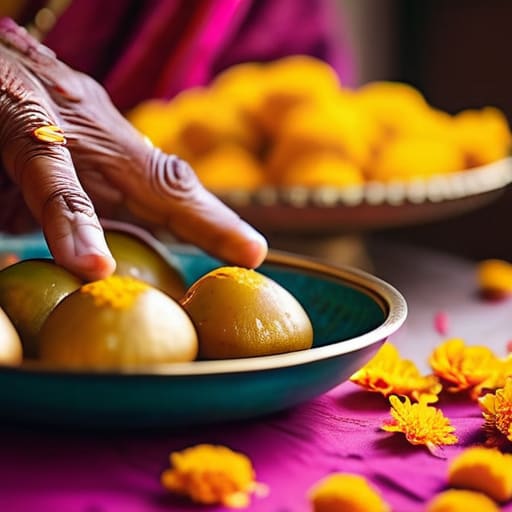
As I sit here in a small café in Jaipur, the distant sound of drums still humming in the air, I realize that Indian festivals are so much more than just dates on a calendar. They are a complex, beautiful tapestry woven from the threads of ancient rituals and the deeply personal connection we share through food. Whether it is the quiet reverence of a temple ceremony or the chaotic, joyful energy of a family gathering over a shared platter of sweets, these celebrations act as a bridge. They connect the spiritual with the sensory, reminding us that culture isn’t something you just observe from a distance—it is something you taste, smell, and feel in the very marrow of your bones.
If there is one thing my travels have taught me, it is that you don’t need a VIP pass to experience the true heart of a country. You just need to follow the scent of cardamom and jasmine, and perhaps a little bit of courage to sit at a stranger’s table. Don’t just look for the grand spectacle; look for the quiet, human moments that happen in the margins of the festivities. That is where the real story lives. When you finally stop chasing the “perfect” photo and start simply being present, you’ll find that the most profound way to understand a culture is to let it feed your soul.
Frequently Asked Questions
How can I participate in these celebrations without feeling like an intrusive tourist?
It’s a valid fear—nobody wants to be the person inadvertently disrupting a sacred moment. My rule of thumb? Follow the lead of the locals, but stay a step back. Instead of rushing in for a photo, find a seat at a nearby stall, order a chai, and just observe. If you see someone sharing food, ask permission before joining. Most importantly, listen more than you talk. When you approach with curiosity rather than a checklist, you’re a guest, not a tourist.
Are there specific festivals that are more focused on regional traditions rather than the major national holidays?
Absolutely. While Diwali gets the most global press, the real soul of India lies in its regional nuances. If you head south during Onam, the focus shifts to the intricate floral carpets and massive, communal feasts served on banana leaves. Or, if you find yourself in the mountains of the north, you might stumble upon Losar, the Tibetan New Year. These celebrations aren’t for the cameras; they’re deeply rooted in local harvests and ancestral rhythms.
How do these celebrations change when you move from the bustling cities to smaller, rural villages?
In the cities, festivals feel like a beautiful, high-energy blur—neon lights, loud music, and a sense of collective electricity. But when I’ve traveled into the rural heartlands, the tempo shifts entirely. It becomes quieter, more rhythmic. Instead of organized events, the celebration is woven into the very soil. It’s less about the spectacle and more about the community gathering under a banyan tree or sharing a heavy, communal meal prepared over an open wood fire.
