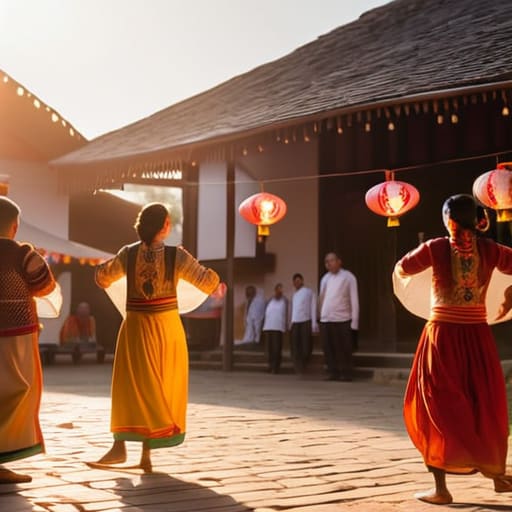
I still remember sitting on a plastic stool in a humid alleyway in Oaxaca, my notebook damp from the heat, as the scent of toasted cacao and woodsmoke drifted through the air. While the guidebook had pointed me toward the massive, neon-lit parades designed for the crowds, the real soul of the local traditional festivals was actually happening three streets over, in a quiet courtyard where neighbors were sharing plates of mole. It’s in those unscripted, messy moments—the steam from a communal pot or the rhythmic thud of a mortar and pestle—that you actually feel the heartbeat of a place, far away from the polished, expensive performances staged for tourists.
I’m not here to give you a checklist of the most “Instagrammable” dates on the calendar. Instead, I want to show you how to peel back the layers of these celebrations to find the genuine human connections hidden underneath. We’re going to skip the overpriced VIP tickets and the staged spectacles; my goal is to help you navigate the chaos so you can find the quiet, delicious truths that make these traditions worth witnessing in the first place.
Table of Contents
- The Cultural Significance of Folk Festivals and Shared Meals
- Tracing Ancient Ritual Traditions Through Local Flavors
- How to actually experience a festival (without feeling like a spectator)
- What I’ve Learned From the Table
- More Than Just a Spectacle
- The Lingering Taste of Tradition
- Frequently Asked Questions
The Cultural Significance of Folk Festivals and Shared Meals
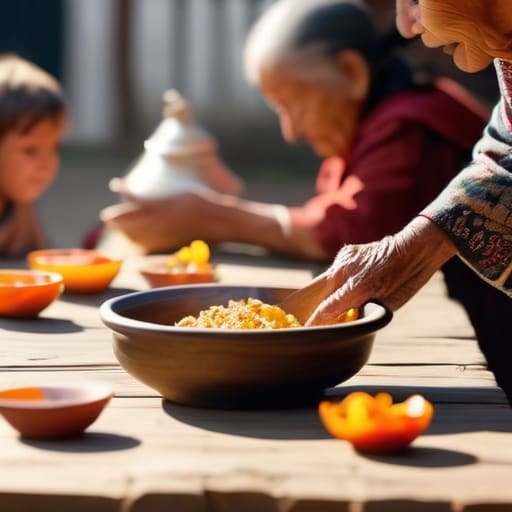
It’s easy to get caught up in the spectacle—the bright costumes or the loud music—but for me, the real weight of these moments lies in the communal table. When I look at the cultural significance of folk festivals, I don’t see a performance for outsiders; I see a way for a community to anchor itself. These gatherings act as a living bridge, connecting the younger generation to the ancient ritual traditions that their grandparents practiced in the same dusty squares. It’s a way of saying, “This is who we are, and this is what we value.”
There is something deeply grounding about watching a village prepare a single, massive pot of stew to mark a turning point in the year. Whether it’s a feast for a harvest or a quiet gathering for seasonal solstice celebrations, the food acts as a shared language. You aren’t just eating; you are participating in a lineage. In those crowded, steam-filled kitchens, the history of a people isn’t found in a textbook, but in the specific way a spice is toasted or how a certain dough is folded. It’s how a culture survives.
Tracing Ancient Ritual Traditions Through Local Flavors
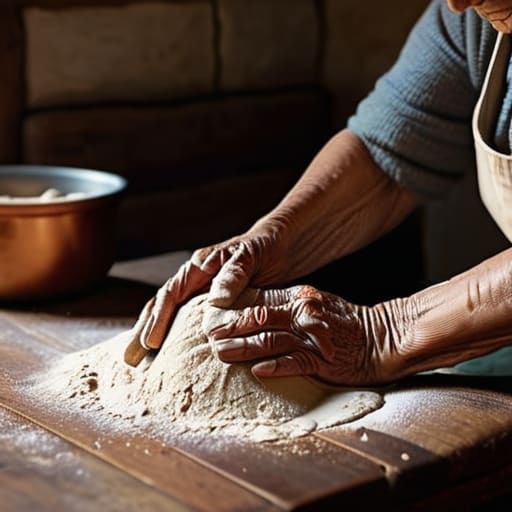
I’ve always found that the most profound way to touch history isn’t by staring at a dusty relic in a museum, but by tasting a recipe that hasn’t changed in centuries. When I sit in a dim kitchen in a remote mountain village, watching hands knead dough for a specific feast, I’m witnessing ancient ritual traditions in real-time. These flavors aren’t just about sustenance; they are edible maps of a people’s survival and their connection to the land.
During my time documenting seasonal solstice celebrations across different latitudes, I noticed a recurring pattern: the ingredients change, but the intent remains the same. Whether it’s the heavy, spiced stews meant to ward off the winter chill or the bright, citrusy offerings for the spring thaw, the food acts as a bridge. It connects the modern diner to the ancestors who once stood in that same spot, eating the same harvest. For me, these meals are the most honest way to experience indigenous community festivities, stripping away the polished veneer of tourism to reveal the raw, delicious heartbeat of a culture.
How to actually experience a festival (without feeling like a spectator)
- Leave the guidebook in your bag and follow the scent of woodsmoke or frying spices. The best festival food isn’t found near the main stage; it’s usually tucked away in a narrow alleyway where the locals are queuing up.
- Be prepared to eat with your hands. Many traditional celebrations involve communal platters or street snacks that aren’t meant for formal cutlery. It’s a small gesture of respect to lean into the messiness of the moment.
- Observe the rhythm before you jump in. Every festival has its own unwritten etiquette—whether it’s how you approach a sacred shrine or how you wait your turn at a communal table. Watch the locals first; they are your best teachers.
- Pack a small notebook, but keep your camera secondary. While I love a good film shot, the real magic is in the sensory details—the specific smell of crushed herbs or the way the air changes when the music starts.
- Embrace the chaos. Festivals are loud, crowded, and sometimes unpredictable. If you try to control your itinerary too strictly, you’ll miss the spontaneous magic that happens when a stranger invites you to share their meal.
What I’ve Learned From the Table
Forget the polished itineraries; the true pulse of a festival is found in the steam rising from a crowded market stall or the shared laughter over a communal plate.
Every ingredient tells a story of survival and celebration, acting as a living map of a community’s history and its relationship with the land.
To truly experience a culture, you have to move past the spectacle and look for the quiet, repetitive rituals that happen in local kitchens long after the crowds have gone home.
More Than Just a Spectacle
We often get so caught up in the bright colors and the scheduled parades that we miss the real heartbeat of a festival; it’s actually found in the steam rising from a communal pot and the way a stranger offers you a plate of something seasonal, proving that food is the oldest, most honest way we say, ‘you belong here.’
Anouk Verhoeven
The Lingering Taste of Tradition
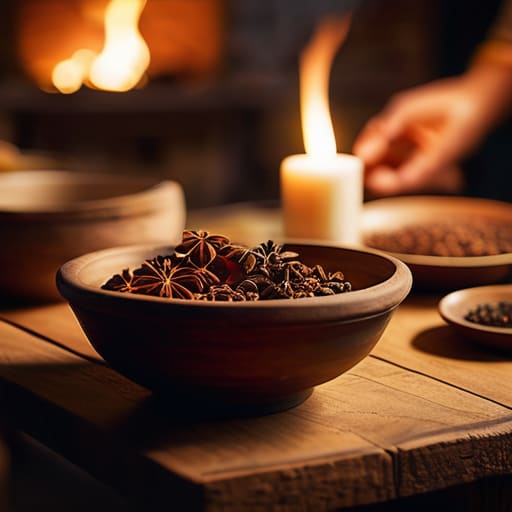
At the end of the day, these festivals are so much more than just dates on a calendar or a reason to take photos. They are the living, breathing threads that connect us to those who sat at these same tables centuries ago. Whether it’s the specific way a spice is toasted for a ritual meal or the communal rhythm of a village feast, these traditions ensure that history isn’t just something we read about in books, but something we can actually taste. When we step away from the polished tourist itineraries and sit down in the middle of the chaos, we realize that the real heartbeat of a culture is found in these shared, sensory moments.
So, the next time you find yourself traveling, I challenge you to look past the bright lights and the loud music. Don’t just watch the parade; find the small stall at the edge of the square where the steam smells like home to someone. Seek out the quiet connections that happen over a shared plate of something seasonal and storied. Because when we eat with intention and curiosity, we aren’t just tourists anymore—we are witnesses to the enduring soul of a place. Travel isn’t about seeing everything; it’s about feeling the weight of a story in every single bite.
Frequently Asked Questions
How can I tell which street food stalls are actually part of the local tradition and which ones are just catering to the crowds?
Look for the lack of English on the signage and, more importantly, the lack of a laminated menu with photos. If the crowd is mostly locals standing around waiting for a specific dish, you’ve found it. I always watch the rhythm: is the cook working with a sense of muscle memory, or are they performing for tourists? If the smell of the spices hits you before the stall even comes into view, trust your nose.
Are there specific times of year when these smaller, more intimate community festivals happen outside of the major holiday seasons?
Honestly, the best stuff happens in the “in-between” months. I’ve found that the most soulful celebrations often follow the harvest or the changing weather rather than a calendar. Think of a village gathering just because the first truffles have surfaced, or a small coastal town celebrating the arrival of a specific migratory fish. These aren’t scheduled for tourists; they’re just rhythms of life, usually tucked into the quiet gaps between the big, loud holidays.
What should I keep in mind regarding local etiquette when sitting down to eat at a communal festival table?
Honestly, the best etiquette is just being observant. Before you dive in, watch how the locals handle their utensils—or lack thereof. If it’s a communal platter, wait for the eldest or the host to initiate. I’ve learned that a small nod of thanks to the person serving you goes further than any guidebook tip. Most importantly, don’t be afraid to get your hands a little messy; it shows you’re actually part of the moment.
