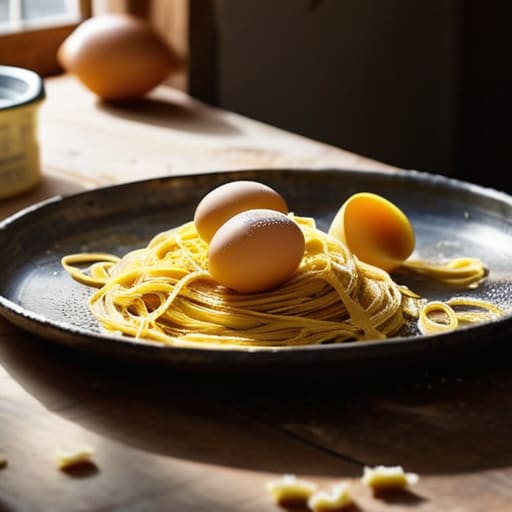
I was sitting in a sun-drenched piazza in Trastevere last spring, watching a group of tourists pay twenty euros for a plate of “gourmet” spaghetti that looked more like a science experiment than a meal. It was heavy on the truffle oil and light on the soul, a far cry from the real thing. We’ve been sold this idea that authentic italian pasta requires white tablecloths and a sommelier, but that’s just a marketing trick to inflate the bill. To me, the real magic doesn’t happen under a spotlight; it happens in the humid, flour-dusted kitchens of family-run trattorias where the recipe is passed down through muscle memory rather than a printed menu.
I’m not here to give you a list of overpriced restaurants or complicated techniques that require a culinary degree. Instead, I want to pull back the curtain on what actually makes a dish feel real. I’ll be sharing the small, unpolished truths I’ve gathered from my travels—from the specific grit of the right flour to the way a sauce should cling to the noodle. My goal is to help you find the true heart of Italian cooking, one simple, honest bowl at a time.
Table of Contents
The Golden Secret of Durum Wheat Semolina Flour
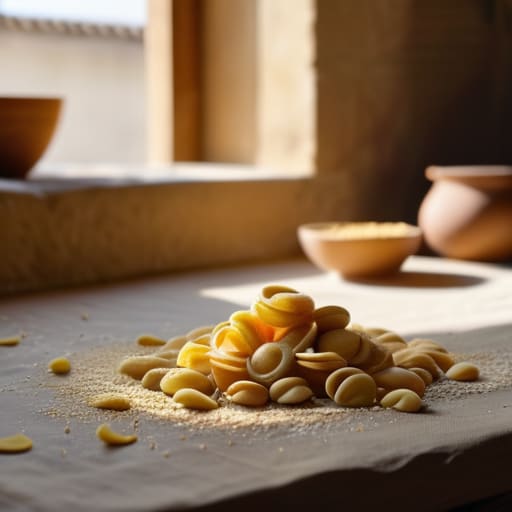
If you ask any nonna in Puglia about the foundation of a perfect plate, she won’t point to the sauce first; she’ll point to the grain. There is a fundamental divide in the country, a culinary map drawn by geography, when it comes to northern vs southern italian pasta. Up north, where the air is cooler and eggs are plentiful, you get that silky, rich texture. But down south, in the sun-drenched landscapes where I spent most of last spring, it’s all about the grit and the gold.
That’s where durum wheat semolina flour enters the story. Unlike the soft, powdery flour you find in most grocery aisles, semolina is coarse and hearty. It has this incredible ability to hold its structure, which is exactly why it’s the backbone of so many handmade pasta shapes. When you use it, you aren’t just making food; you’re working with a material that demands respect. It’s the reason a piece of dried orecchiette can maintain that perfect, satisfying bite—that elusive al dente texture—even after being tossed in a heavy, rustic ragu.
Northern vs Southern Italian Pasta a Tale of Two Regions
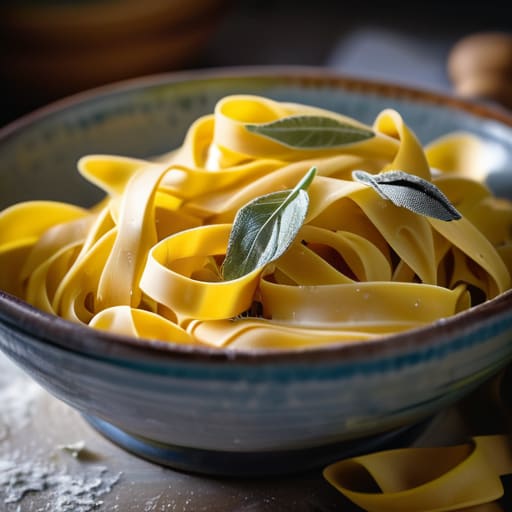
To understand the soul of Italian cooking, you have to realize that the country is essentially split in two when it comes to the pasta bowl. In the north, the landscape is lush and dairy-heavy, which dictates a very different approach to the craft. Here, you’ll find the soft, pillowy magic of egg-based doughs. It’s all about handmade pasta shapes like delicate agnolotti or wide ribbons of tagliatelle, often served with rich, buttery sauces that feel like a warm hug on a misty morning in Emilia-Romagna.
As you move south, the air gets warmer and the soil changes, and the pasta changes with it. This is the realm of the sun-drenched durum wheat semolina flour we talked about earlier. Because eggs were historically a luxury, the south mastered the art of making incredible pasta with just flour and water. The result is a firmer, more resilient texture that is perfect for the al dente cooking method. Whether it’s a twisted orecchiette or a simple spaghetti, the focus shifts from richness to the bright, acidic punch of tomato and olive oil.
Small Rituals for a Better Bowl
- Stop reaching for the pre-grated cheese in the green shaker; if you want to respect the pasta, you need to grate a wedge of real Parmigiano-Reggiano or Pecorino Romano right over the plate. The texture of the fresh shavings changes everything.
- Trust the “al dente” bite, even if it feels a bit firm at first. That resistance is where the soul of the grain lives, and it’s what prevents the pasta from turning into a mushy, uninspired mess once it hits the sauce.
- Never, ever rinse your pasta after boiling it. That cloudy, starchy water clinging to the strands is liquid gold—it’s the secret bridge that helps your sauce emulsify and actually stick to the noodles instead of sliding off to the bottom of the bowl.
- Treat your pasta water like a precious ingredient. When you’re finishing the pasta in the pan with the sauce, add a splash of that salty, starchy cooking water to create a silky, cohesive glaze that feels like something you’d find in a tiny trattoria in Rome.
- Match the shape to the mission. It sounds simple, but using a delicate angel hair for a heavy meat ragu is a heartbreak waiting to happen. Look for ridges (the rigate) when you want to trap a thinner sauce, or hollow tubes when you need something to hold onto a chunky vegetable base.
The Heart of the Matter: What to Look For
Forget the fancy labels; look for the texture. Real, authentic pasta should have a slightly rough, porous surface—the kind of grit that actually holds onto the sauce instead of letting it slide off to the bottom of the bowl.
Understand the geography of your plate. If you’re craving the silky, egg-rich ribbons of the North, you’re looking for a different soul than the sun-drenched, water-and-semolina shapes that define the South.
Respect the grain. Whether it’s the bite of high-quality durum wheat or the delicate nuance of soft flour, the quality of the grain is the silent protagonist in every single dish.
More Than Just Flour and Water
To me, authentic pasta isn’t about following a rigid recipe; it’s about the way a single, hand-rolled shape can hold the entire history of a village, carrying the scent of sun-drenched wheat and the quiet rhythm of a kitchen that hasn’t changed in a hundred years.
Anouk Verhoeven
More Than Just a Meal
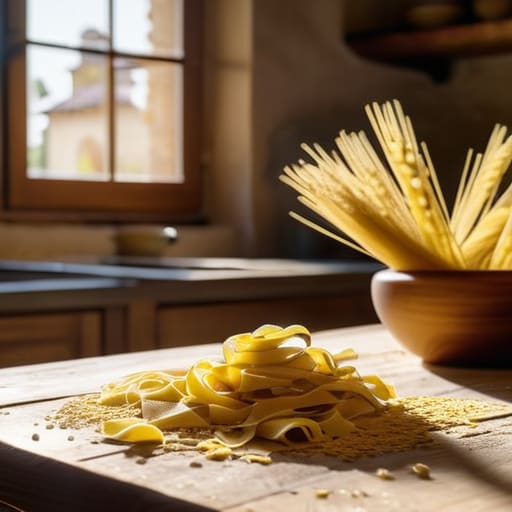
At the end of the day, understanding authentic pasta isn’t about memorizing a list of ingredients or mastering every regional nuance. It’s about recognizing that the distinction between a rich, egg-based tagliatelle from the north and a simple, sun-dried durum wheat shape from the south is actually a map of Italy’s geography and history. Whether you are looking for the bite of high-quality semolina or the silky texture of a handmade dough, the goal is to respect the integrity of the craft. When you stop looking for the “perfect” recipe and start looking for the intention behind the flour and water, the meal changes entirely.
As I sit here in this tiny kitchen, watching the steam rise from a simple bowl, I’m reminded that the best culinary experiences rarely happen in white-tablecloth restaurants. They happen when we slow down enough to notice the texture of the grain and the way a sauce clings to the ridges of a noodle. Don’t be afraid to make mistakes or end up with a slightly sticky dough; that’s just part of the human element. My advice? Forget the rigid rules for a moment, find a local market, buy what looks freshest, and cook with curiosity. That is where the real story begins.
Frequently Asked Questions
Is it actually possible to make decent pasta at home without an expensive machine, or do I really need one?
Honestly? You don’t need a machine. I’ve spent many afternoons in tiny Roman kitchens where the only “equipment” was a wooden board and a well-worn rolling pin. There’s something incredibly grounding about the tactile rhythm of working the dough with your own hands. As long as you have a bit of patience and a sturdy surface, you can create something beautiful. The machine is a convenience; the hands are where the soul is.
Why does the pasta texture change so much depending on whether I use egg yolks or just water?
It really comes down to the chemistry of the dough. When you use just water and semolina, you’re getting that firm, “al dente” bite characteristic of the South—it’s all about the starch. But adding egg yolks introduces fats and proteins that coat the flour, creating a much richer, silkier texture. It’s the difference between a rugged, structural noodle and something velvety that clings to a sauce like a warm embrace.
How can I tell if a restaurant is serving real, artisanal pasta or just something mass-produced in a factory?
Look for the imperfections. Mass-produced pasta is unnervingly uniform—perfectly smooth, perfectly straight, and perfectly boring. Real, artisanal pasta has character; it’s often slightly irregular in shape and has a rough, porous surface that looks like it was dried slowly under a fan rather than blasted by industrial heat. When it hits the sauce, that texture is everything. If the pasta looks too “perfect,” it probably lacks the soul (and the grip) you’re looking for.
