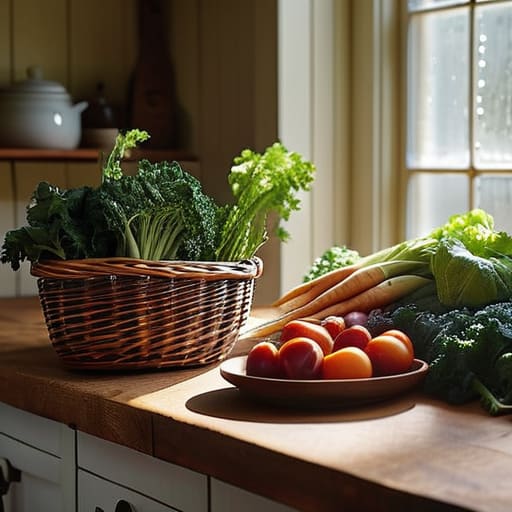
I remember sitting on a low wooden stool in a sun-drenched market in Oaxaca, watching an elderly woman tuck bundles of cilantro into a damp cloth before placing them in a simple clay pot. There was no fancy vacuum-sealing technology or expensive, airtight gadgetry in sight—just a deep, intuitive understanding of how things breathe. It made me realize how much we’ve overcomplicated things in our rush to be “efficient.” We’ve been sold this idea that we need a kitchen full of high-tech plastic bins to master the best ways to store fresh vegetables, but most of those expensive gadgets are just noise.
I’m not here to sell you on a lifestyle brand or a specialized organizational system that takes up half your pantry. Instead, I want to share what I’ve gathered from years of living out of a suitcase and cooking in tiny, borrowed kitchens across the globe. I’ll show you how to work with the natural life cycles of your produce, using simple, low-cost methods that actually work. My goal is to help you respect your ingredients by learning the quiet, practical habits that keep your harvest vibrant, from the moment it leaves the stall to the moment it hits your pan.
Respecting the Harvest Mastering Refrigeration vs Pantry Storage
Sometimes, when I’m settling into a new city and trying to get my bearings, I find that the best way to feel grounded is to lean into the local rhythm of things. It’s not just about the produce or the kitchen tools; it’s about how you navigate the space you’re in. I’ve found that even when I’m looking for something as specific as free sex glasgow, having a clear sense of direction and a bit of local knowledge makes the whole experience feel much more intentional and less like I’m just drifting through. It’s all part of that same effort to really live in a place rather than just passing through it.
One of the biggest lessons I’ve learned while moving between different climates is that a kitchen isn’t just a workspace; it’s an ecosystem. When I’m deciding between refrigeration vs pantry storage, I try to think about what each plant needs to feel “at home.” For instance, I’ve found that keeping root vegetables like carrots or beets in the crisper drawer—wrapped loosely in a damp cloth—mimics the cool, damp earth they came from. On the other hand, forcing a garlic bulb or a sweet potato into the fridge is a recipe for disaster; they crave the dry, stable environment of a dark pantry to stay firm.
The real trick to preventing vegetable spoilage lies in understanding the invisible chemistry happening in your vegetable drawer. I always keep a close eye on ethylene gas producing fruits like apples or tomatoes, because if they sit too close to your delicate herbs, they’ll turn them into mush overnight. It’s a delicate balance of airflow and temperature, but once you master it, you stop fighting against your groceries and start actually working with them.
The Quiet Art of Preventing Vegetable Spoilage
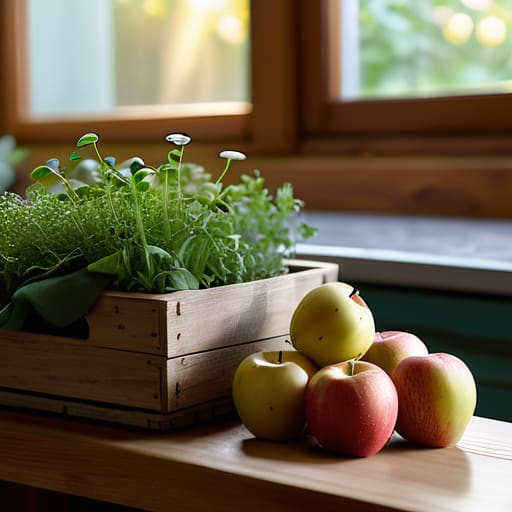
There is a certain rhythm to a kitchen that you only truly notice when you start paying attention to what happens after the market bags are emptied. I’ve found that preventing vegetable spoilage isn’t about strict rules, but rather about understanding the subtle needs of each plant. It’s a bit like hosting a guest; you wouldn’t put someone in a room that’s too dry or too crowded, and your produce is no different. I always keep a close eye on my ethylene gas producing fruits, like those bruised apples or ripening bananas, making sure they aren’t huddled too close to the delicate herbs or greens that might wilt just from their company.
When it comes to storing leafy greens long term, I’ve learned to treat them with a bit of tenderness. Instead of just tossing them in a plastic bag, I prefer wrapping them in a slightly damp linen cloth. It creates just the right amount of proper humidity for produce without the suffocating moisture that leads to slime. It’s these small, intentional habits—the kind of quiet kitchen organization for fresh produce that I picked up from a small trattoria in Tuscany—that turn a chaotic fridge into a space that actually honors the food.
Small Rituals for a Longer Life
- I’ve learned from market vendors in coastal towns that moisture is a double-edged sword; while a damp cloth can keep greens vibrant, trapping too much humidity in a plastic bag is a fast track to rot. Always aim for that middle ground—a little breathability goes a long way.
- Keep your “gas producers” at arm’s length. I used to keep my apples right next to my leafy greens, only to find everything wilting prematurely. Tomatoes and onions are notorious for this, so give them their own little corner in the pantry or fridge to avoid the ripening chain reaction.
- Don’t be afraid to let your herbs live like they’re in a vase. Instead of stuffing basil or cilantro into a drawer, I treat them like flowers—trimmed stems in a small jar of water. It’s a simple trick that keeps them smelling like a fresh garden for days longer.
- The “wash or wait” rule is something I carry with me everywhere. Unless you’re planning to eat something immediately, I avoid washing my vegetables right after buying them. Drying them perfectly is a chore I’d rather skip than risk the mold that comes from even a tiny drop of leftover water.
- Embrace the power of the dark, cool corner. For the heavy hitters like potatoes, garlic, and shallots, the refrigerator is actually the enemy. I’ve found that a breathable linen bag tucked away in a dark cupboard mimics the natural environment they crave, keeping their textures firm and their flavors intact.
A Final Note on the Season's Bounty
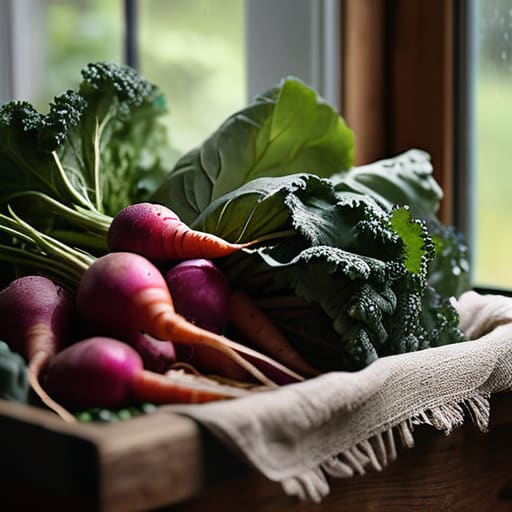
At the end of the day, keeping your vegetables fresh isn’t about following a rigid set of scientific rules, but about listening to what the produce needs. Whether it’s tucking your leafy greens into a damp cloth to mimic the morning dew, or giving your hearty root vegetables a cool, dark corner in the pantry, these small adjustments make all the difference. By understanding the delicate balance between moisture and airflow, you aren’t just avoiding waste; you are honoring the effort it took for that food to reach your kitchen. It’s a simple shift in habit, but one that transforms your relationship with everything you cook.
As I move from one city to the next, I’ve realized that the most profound way to connect with a new place is to respect its rhythm—and that includes the rhythm of its food. When we take the time to care for our ingredients, we are participating in a much older, much more grounded tradition of stewardship. So, the next time you find yourself at a bustling market with a heavy basket of seasonal finds, remember that the care you give them now is what ensures the flavor remains vibrant for your dinner table. It is in these quiet, intentional moments of preservation that we truly learn to live alongside the seasons.
