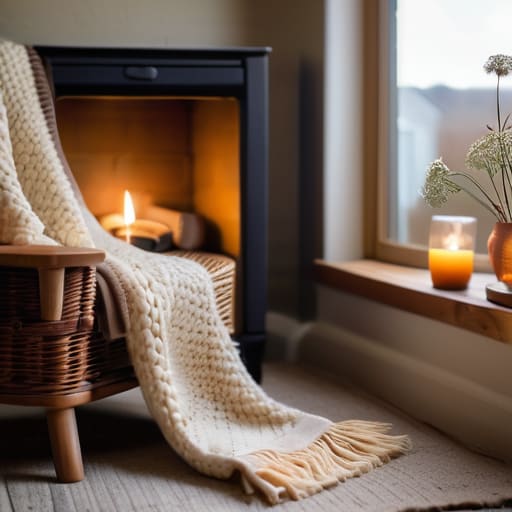
I was sitting in a tiny, dimly lit apartment in Copenhagen last November, surrounded by expensive, designer candles and heavy linen throws that cost more than my monthly rent. On paper, I had the perfect hygge home, but all I felt was a strange, hollow sense of performance. It struck me then that we’ve turned a beautiful concept into a consumerist checklist, as if you can simply purchase your way into a sense of belonging. We’re being sold this idea that coziness is something you assemble from a catalog, rather than something you actually inhabit.
I’m not here to tell you which high-end boutique to shop at or how to stage a Pinterest-perfect living room. Instead, I want to talk about the unvarnished reality of creating a space that actually feeds your soul. I’ll be sharing what I’ve learned from living out of a suitcase and navigating small, lived-in kitchens across the globe: how to cultivate a hygge home through sensory rituals, meaningful clutter, and the quiet magic of the everyday. Let’s strip away the hype and find what truly makes a house feel like a sanctuary.
Table of Contents
Scandinavian Interior Design Principles for Quiet Living
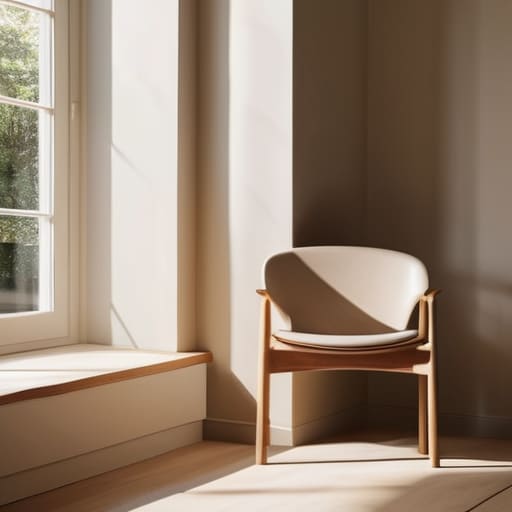
When I look at the core of Scandinavian interior design principles, I don’t see a checklist of expensive furniture; I see an intentionality toward space. It’s about stripping away the visual noise that we often mistake for “decorating.” In my own small apartments, I’ve learned that a room breathes better when it isn’t crowded with things that don’t serve a purpose. Instead, the focus shifts toward mindful living spaces—environments where every object has a reason for being there, whether it’s a hand-thrown ceramic bowl or a single, well-loved wooden chair.
To truly master this, you have to lean into the tactile. I find that adding various textural elements in decor—think a heavy linen throw, a jute rug, or a smooth stone coaster—is what prevents a minimalist room from feeling cold or sterile. It’s that friction between different surfaces that makes a house feel lived-in. When you combine these textures with the soft, amber glow of soft lighting and candlelight, you stop just inhabiting a room and start actually feeling it. It’s less about how the space looks in a photo and more about how it holds you when the sun goes down.
Creating a Sanctuary at Home Through Mindful Living Spaces
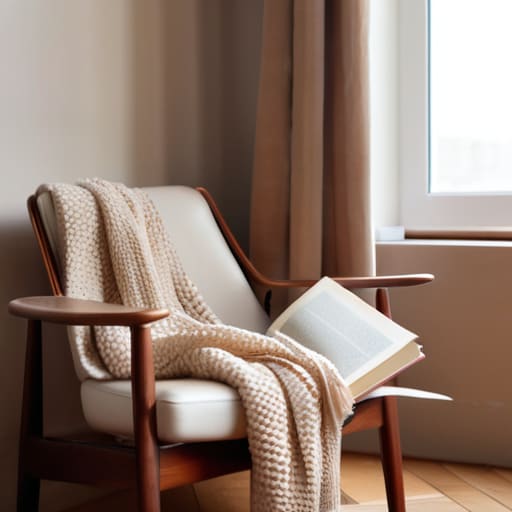
For me, the concept of creating a sanctuary at home isn’t about achieving a showroom-perfect aesthetic; it’s about how a room feels when you finally kick off your shoes after a long day of navigating new streets. I’ve realized that mindful living spaces are less about what you add and more about what you allow to breathe. It’s the difference between a room that feels cluttered and one that feels intentional. When I’m setting up a temporary apartment, I always look for those small ways to ground myself—a single ceramic vase, a stack of well-loved books, or a chair that actually invites you to sit and stay a while.
To truly lean into these hygge lifestyle elements, I find myself gravitating toward sensory details that quiet the mind. I’ve learned to swap harsh overhead bulbs for the warmth of soft lighting and candlelight, which instantly softens the edges of a room. I also love layering different textural elements in decor—think a heavy linen throw draped over a wooden bench or a rough-hewn wool rug underfoot. These layers don’t just look good; they provide a tactile sense of safety and stillness that makes any house feel like a home.
Small Rituals for a Soulful Space
- Lighting is everything. Ditch the harsh overhead lights that make a room feel clinical; instead, scatter a few beeswax candles or a low-wattage lamp in the corners to create those soft, dancing shadows that make a room feel like a hug.
- Texture over perfection. I’ve learned that a space feels lived-in and warm when you layer different materials—think a heavy wool throw tossed over a linen sofa or a smooth ceramic bowl sitting on a rough wooden table.
- The scent of home. Since I always carry my notebook to track market smells, I’ve become obsessed with how a room breathes; use natural scents like cedar, dried lavender, or even the lingering aroma of a freshly brewed pot of tea to ground your senses.
- Curate your “quiet corners.” You don’t need a massive renovation; just find one small nook—a single armchair by a window or a cushioned bench—and dedicate it solely to slow moments like reading or watching the light change.
- Bring the outside in, but keep it real. Skip the plastic-looking decor and opt for things that have a history or a connection to the earth, like a handful of gathered stones on a shelf or a single branch in a glass vase.
Bringing the Soul Back to Your Space
Hygge isn’t about a shopping list of expensive Nordic furniture; it’s about the intentionality of your surroundings, like choosing a single, well-loved ceramic bowl over a set of mass-produced plates.
True comfort is sensory, found in the tactile warmth of a linen throw or the specific, earthy scent of a beeswax candle flickering on a wooden table.
To cultivate a sense of sanctuary, focus on the small, repeatable rituals—the way light hits a corner in the afternoon or the quiet ritual of brewing tea—that turn a house into a home.
Beyond the Aesthetic
We often mistake hygge for a specific style of furniture or a curated color palette, but true comfort isn’t something you buy in a catalog; it’s the quiet, sensory feeling of a space that finally allows you to exhale.
Anouk Verhoeven
The Heart of the Home
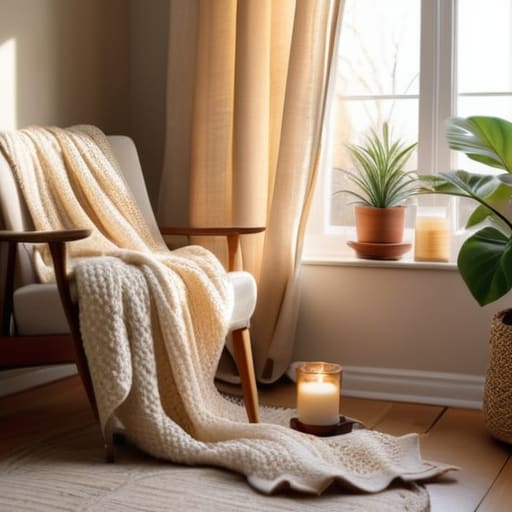
At the end of the day, building a hygge home isn’t about curating a showroom-perfect space or following a rigid checklist of Scandinavian design rules. It’s about the intentionality behind what we surround ourselves with—choosing the textures that feel good against your skin and the lighting that softens the edges of a long workday. Whether you are implementing mindful living principles or simply rearranging your favorite corner to catch the afternoon sun, the goal is to create a sanctuary that breathes with you. It is the marriage of functional minimalism and the warmth of things that hold meaning, ensuring your home serves as a steady anchor in an increasingly chaotic world.
As I pack my bags for my next destination, I often find myself looking back at the small, quiet rituals that made my previous stays feel like true homes. It’s rarely the expensive furniture that lingers in my memory; it’s the way the light hit a wooden table during breakfast or the comfort of a well-worn chair. I hope you remember that true hygge is a feeling, not a purchase. Don’t wait for a complete renovation to start living this way. Start tonight, perhaps with nothing more than a single candle and a moment of stillness, and let your space slowly evolve into the refuge you deserve.
Frequently Asked Questions
How can I incorporate hygge into a small or cluttered apartment without it feeling overwhelming?
When I moved into my first tiny studio in Lisbon, I felt like I was suffocating under my own things. You don’t need more square footage to find hygge; you just need to curate the sensory experience. Focus on “micro-sanctuaries.” Instead of trying to fix the whole room, clear one small corner—maybe just a single chair and a soft throw. It’s about the warmth of a single candle or the scent of cedar, not the absence of stuff.
Is it possible to create a sense of coziness if my home's architecture or lighting isn't naturally warm?
Absolutely. I’ve spent plenty of nights in sterile, concrete apartments that felt more like galleries than homes. You can’t change the bones of a building, but you can change how the light hits them. I rely heavily on layering; think small lamps instead of overheads, and plenty of linen or wool to soften hard edges. It’s about creating “pockets” of warmth—a soft rug here, a beeswax candle there—to counteract that architectural chill.
How do I balance the minimalist aesthetic of Scandinavian design with the need for warmth and personal character?
It’s a delicate dance, isn’t it? I used to think minimalism meant empty surfaces, but that just feels sterile, like a hotel room. To keep that Scandi soul, I lean into textures. Think a heavy, hand-knitted throw draped over a simple wooden chair, or a collection of mismatched ceramic bowls from a local potter. It’s about choosing fewer things, but making sure those things have a story—and a soul—to tell.
