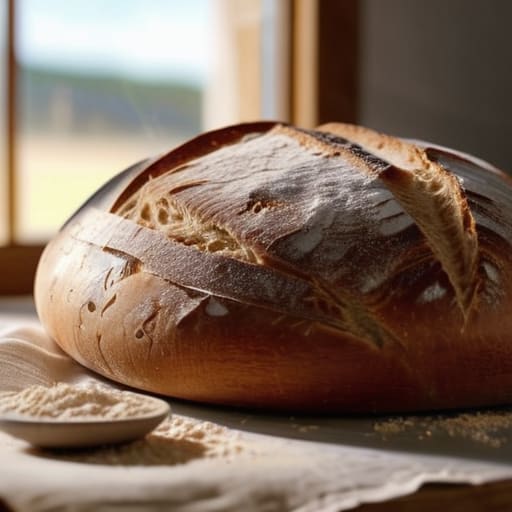
I remember sitting in a sun-drenched courtyard in San Francisco, watching an artisan baker pull a tray of loaves from a stone oven. The scent—that sharp, fermented tang hitting the warm air—was more intoxicating than the espresso sitting on my table. It wasn’t just about the food; it was the realization that homemade sourdough bread is a living, breathing piece of history you can hold in your hands. I’ve spent years chasing that specific aroma through crowded markets from Marseille to Portland, always scribbling notes about how the humidity or the local yeast changes the soul of a crust.
I’m not here to sell you on some impossible, twenty-step ritual involving expensive Dutch ovens or scientific-grade scales that make baking feel like a chore. Instead, I want to share the unfiltered reality of working with a starter. I’ll guide you through the messy, beautiful process of finding your own rhythm with the dough, focusing on the sensory cues that actually matter. This isn’t about perfection; it’s about the quiet satisfaction of feeding something alive and pulling a warm, honest loaf from your own oven.
Table of Contents
Wild Yeast Cultivation Breathing Life Into the Kitchen
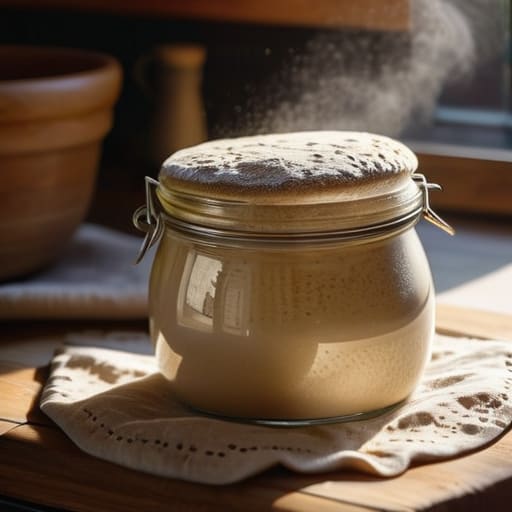
There is something almost meditative about the process of wild yeast cultivation. It isn’t just about mixing flour and water; it feels more like hosting a tiny, invisible guest in your kitchen. I remember sitting in a small cafe in San Francisco, watching a baker tend to his starter with a reverence usually reserved for something sacred. He explained that you aren’t just making a leavening agent; you are capturing the specific spirit of your environment—the air, the humidity, the very dust of your neighborhood.
Once your starter is active and bubbly, the real dance begins with managing sourdough hydration levels. It can be intimidating at first, feeling like you’re trying to sculpt something that wants to slip through your fingers. But as you learn the rhythm, you start to understand how the water content dictates the final sourdough crumb structure, creating those beautiful, airy pockets that make every slice feel like a discovery. It requires patience and a bit of intuition, but that’s where the magic happens.
The Patient Magic of Long Cold Fermentation
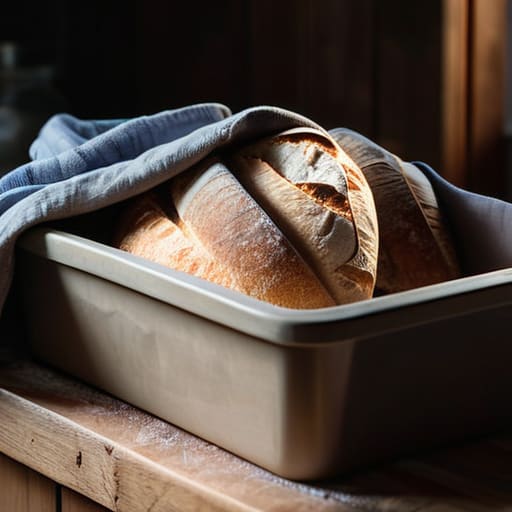
There is a specific kind of stillness that settles over a kitchen when you commit to the long cold fermentation process. It’s a lesson in restraint that I’ve had to learn repeatedly, especially when my impulse is to rush the dough to the oven. By tucking the shaped loaves into the refrigerator overnight, you aren’t just waiting; you are allowing a slow, metabolic dance to occur. This extended rest is where the magic happens, as the enzymes break down complex starches into simpler sugars, deepening the flavor profile in a way that a quick rise simply cannot replicate.
Beyond the taste, this patience is what truly defines the final sourdough crumb structure. As the dough chills, the gases become more stable and the gluten network matures, resulting in those sought-after, irregular air pockets that feel so rewarding to slice into. I’ve found that this slow development also makes the dough much easier to handle when it comes time for the final stage. It creates a surface that responds beautifully to the blade, allowing for much more precise and expressive scoring bread patterns before the heat hits the crust.
Small Rituals for a Better Loaf
- Listen to your starter before you trust it. Don’t just look at the bubbles; listen for that soft, fizzy sound when you stir it, and watch how it moves. It’s a living thing, and it will tell you when it’s hungry or when it’s finally ready to work.
- Temperature is your invisible ingredient. I’ve learned the hard way that a drafty kitchen can stall a dough for hours. If your house is cool, find a warm nook near the stove or inside an oven that’s turned off—just give it a cozy place to wake up.
- Get comfortable with the mess. There’s a temptation to over-flour your workspace to keep things tidy, but too much extra flour can make the dough tough and dry. Embrace the stickiness; it’s much easier to manage with wet hands than with a mountain of white powder.
- Respect the tension. When you’re shaping the loaf, you aren’t just folding dough; you’re creating a skin. That gentle, firm tension on the surface is what allows the bread to expand upward in the oven rather than spreading out like a pancake.
- Trust the windowpane test. Before you commit to the final rise, stretch a small piece of dough between your fingers. If it thins out enough to see light through it without tearing, you’ve built enough strength. If it snaps, give it more time to rest and relax.
The Heart of the Loaf: What Sourdough Teaches Us
Sourdough isn’t just a recipe; it’s a living relationship with wild yeast that requires you to slow down and actually listen to the rhythm of your kitchen.
The secret to that complex, tangy depth isn’t a fancy ingredient, but the patience to let time and cold temperatures do the heavy lifting.
Beyond the crust and crumb, baking sourdough is an exercise in presence—a way to reconnect with the primal, tactile joy of making something from almost nothing.
More Than Just Flour and Water
To me, a sourdough starter isn’t just a kitchen ingredient; it’s a living, breathing piece of history that demands you slow down and actually listen to the rhythm of your own home.
Anouk Verhoeven
The Heartbeat in the Crumb
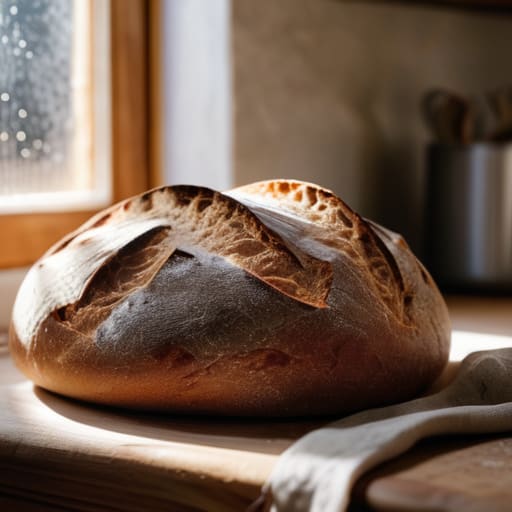
Making sourdough isn’t about following a rigid, clinical formula; it is about learning to listen to the living rhythm of your kitchen. We’ve walked through the delicate dance of nurturing a wild starter, the science of how those microbes transform simple flour and water, and the quiet necessity of that long, cold fermentation that builds such deep, complex flavor. It can feel intimidating at first—the sticky dough, the unpredictable rises, the constant waiting—but once you understand that you are essentially collaborating with nature rather than just following a recipe, the process shifts from a chore to a ritual. You realize that the crusty, tangy result is simply the physical manifestation of your own patience and observation.
Ultimately, I think we bake because we crave that tangible connection to the things that take time. In a world that demands instant gratification and everything delivered in thirty minutes or less, there is something deeply grounding about a loaf that refuses to be rushed. When I pull a warm boule from the oven, the scent reminds me of the small village bakeries I’ve encountered in my travels—places where time seems to move differently. I hope that as you pull your first loaf from the heat, you feel that same sense of quiet accomplishment. It’s more than just bread; it’s a way to slow down and truly live within your own home.
Frequently Asked Questions
Why does my dough feel so sticky and unmanageable compared to the recipes I've read online?
I’ve spent many mornings staring down a bowl of dough that felt more like quicksand than bread. Honestly, it’s usually just the hydration levels. Most online recipes favor a “stiff” dough for ease, but if you’re chasing that airy, open crumb, you’re dealing with more water. Don’t fight it with extra flour—that just kills the texture. Instead, try a few sets of gentle folds. It’s about building structure, not adding bulk.
How can I tell if my starter is actually healthy and ready to bake, or if it's just sitting there dormant?
The Float Test is my go-to, but it’s not foolproof. I usually look for the signs of life first: those tiny, frantic bubbles clinging to the sides of the jar and a scent that shifts from sharp vinegar to something more mellow, like yogurt or even a faint hint of beer. If it’s doubling in size within a few hours of feeding and feels aerated—almost like a sponge—it’s ready to dance.
Is it possible to get that perfect, crackly crust without owning a professional steam oven?
You absolutely can. I’ve spent many mornings in tiny, steam-filled kitchens where professional equipment was a luxury we didn’t have. The trick is to create your own micro-environment. I always use a heavy Dutch oven; by trapping the moisture escaping from the dough itself, you mimic that professional steam. If you don’t have one, a simple cast-iron pot or even a tray of lava stones in the bottom of your oven works wonders for that shatteringly crisp crust.
