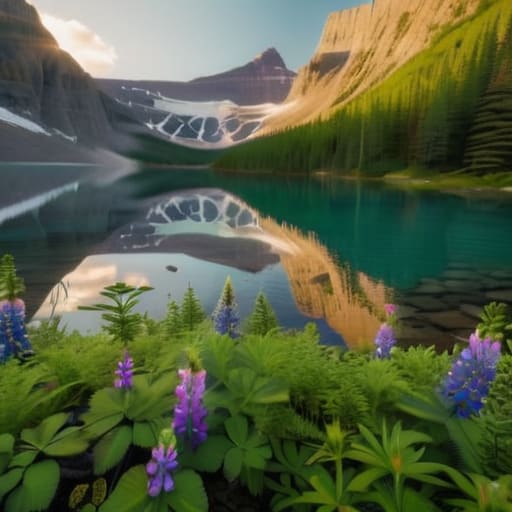
I can still smell the damp cedar and the sharp, metallic tang of glacial runoff that hit my lungs the first time I stepped into the Rockies. I remember sitting on a mossy log near a trailhead in one of the canadian national parks, watching the mist roll over the peaks while my notebook sat heavy and damp in my pocket. Most people travel to these places to check a famous viewpoint off a list or to fight for a parking spot at a crowded lookout, but that’s not why I go. For me, it’s about that singular, quiet moment when the roar of the tour buses fades and you finally hear the wind moving through the subalpine firs.
I’m not here to give you a glossy, filtered brochure of the most Instagrammable spots that will inevitably leave you feeling more exhausted than inspired. Instead, I want to show you how to find the real pulse of these wild spaces. I’ll be sharing the routes that lead to the empty valleys, the best ways to forage for a sense of place, and how to navigate the logistics without losing your soul to the crowds. This is about finding the connection between the land and the quiet, honest way we move through it.
Table of Contents
The Best Time to Visit Canadian National Parks for Solitude
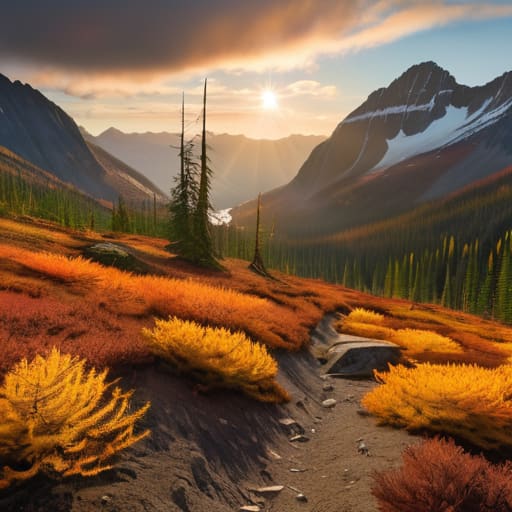
If you’re looking for that rare, heavy silence that only comes when you’re truly alone with the landscape, timing is everything. Most people flock to the mountains in July, chasing the peak summer sun, but if you want to avoid the shoulder-to-shoulder crowds on the scenic hiking trails canada is famous for, you have to be willing to embrace the edges of the season. For me, late September is the sweet spot. The air turns crisp, the larch trees begin their golden transformation, and that frantic summer energy just… evaporates.
There is a specific kind of magic in the shoulder seasons—either the thaw of late May or the first dusting of snow in October. This is when canadian wilderness exploration feels most authentic; you aren’t fighting for a parking spot or a view, you’re simply existing alongside the terrain. Just keep in mind that as the crowds thin, so do the services. I always suggest checking your canada parks pass information well in advance, as some seasonal gates might close earlier than you’d expect. It’s a small trade-off for the gift of true solitude.
A Rockies National Parks Guide to the Unseen Trails
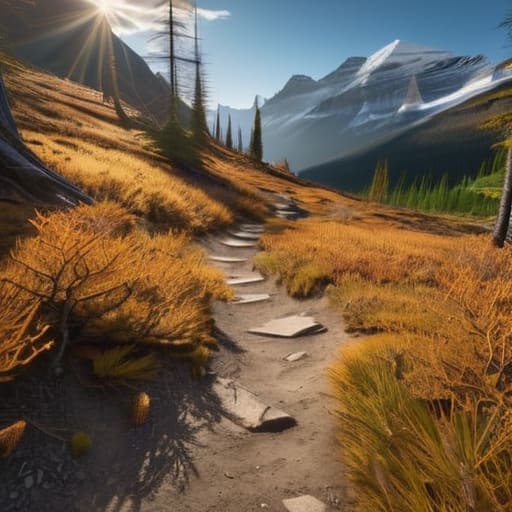
While most people flock to the turquoise waters of Lake Louise, my compass usually points toward the less-trodden paths of the Banff and Jasper corridors. This isn’t a typical rockies national parks guide focused on the most Instagrammed viewpoints; instead, I look for the places where the air feels thinner and the silence is heavier. I’ve found that if you’re willing to hike just two or three kilometers past the main trailheads, the crowds thin out almost instantly, leaving you with nothing but the sound of shifting shale and the wind through the larch trees.
Finding these pockets of stillness requires a bit of patience and a lot of intuition. I tend to favor the scenic hiking trails canada offers in the higher elevations, where the terrain gets a bit more rugged and less predictable. It’s in these quieter stretches that you truly experience the scale of the landscape. You might stumble upon a mountain goat navigating a ledge or catch the scent of pine needles baking in the sun, feeling less like a visitor and more like a temporary inhabitant of the vast, breathing wild.
Small Rituals for a Better Trek
- Pack a dedicated notebook for more than just maps. I’ve found that the scent of damp cedar or the specific aroma of woodsmoke in a mountain campsite tells a much better story of the landscape than any GPS ever could.
- Skip the midday rush at the visitor centers. If you want to actually feel the scale of the mountains without a sea of neon windbreakers in your shots, aim to be on the trail by dawn when the light is soft and the air still tastes like frost.
- Learn the local pantry. Instead of relying on processed snacks from the convenience stores, stop by a small-town market on your way into the park. A bit of local sharp cheddar and some fresh seasonal fruit makes a quiet lunch by a glacial lake feel like a feast.
- Respect the silence. It’s easy to get caught up in the excitement of a new view, but I try to practice a bit of stillness. Sometimes the most profound connection to a place comes from just sitting on a rock and listening to the wind move through the pines.
- Carry analog tools. While my phone is great for logistics, I always bring my film camera for the moments that feel heavy with meaning. There’s something about the slow process of shooting film that forces you to actually observe the texture of the world around you.
Finding Your Own Rhythm in the Wild
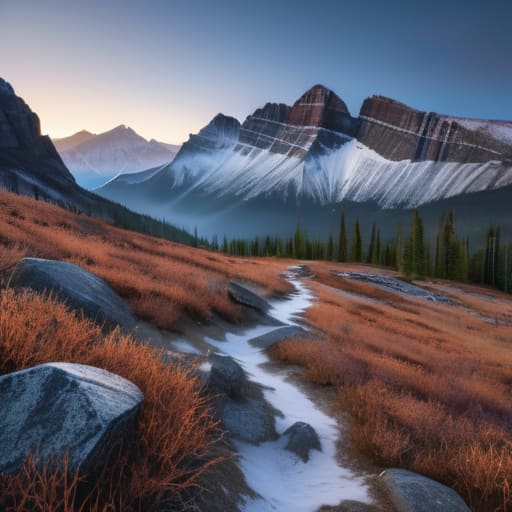
Skip the midday crowds by embracing the “shoulder seasons”—the air is crisper, the light is better for my film camera, and you actually have space to breathe.
Seek out the secondary trails; the real magic of the Rockies isn’t found on the paved loops, but in the quiet, unmapped corners where the only sound is the wind.
Travel with intention, focusing on how the landscape shapes the local life rather than just checking landmarks off a list.
The Scent of the Wild
“You don’t truly understand the scale of a place like Banff or Jasper until you step off the paved loop and find yourself standing in a pocket of silence, where the only thing louder than your own breathing is the scent of damp pine and ancient stone.”
Anouk Verhoeven
Finding Your Own Rhythm in the Wild
As I pack my gear and look back over my notes, I’m reminded that visiting these parks isn’t about checking off a list of famous viewpoints or rushing to beat the crowds to a specific trailhead. It’s about the intentionality of your timing—finding those quiet, shoulder-season windows where the air feels different—and having the courage to step off the paved paths to find the unseen corners of the Rockies. Whether you are chasing the stillness of a glacial stream or navigating the rugged terrain of a lesser-known trail, the goal is to move through these landscapes with a sense of respect and a desire to truly see them, rather than just pass through them.
Ultimately, the Canadian wilderness has a way of stripping everything back to the essentials. It reminds me that, much like the way a single spice can define a dish, a single moment of absolute silence in a vast forest can redefine your entire perspective on what it means to be present. Don’t just aim to see the sights; aim to feel the pulse of the land beneath your boots. Leave the guidebooks behind for a moment, listen to the wind through the pines, and let the parks tell you their story in their own time.
Frequently Asked Questions
How do I find authentic, local food options near the park entrances instead of just sticking to the standard visitor center snacks?
When you’re hovering near a park entrance, ignore the gift shops and look for the “townie” spots—the places where the local rangers or seasonal workers grab lunch. I usually look for small, family-run bakeries or diners tucked away on the secondary streets, rather than the main thoroughfares. If you see a queue of locals or a menu written in marker on a chalkboard, that’s your signal. Follow the smell of fresh bread or roasting coffee; that’s where the real soul is.
Are there specific small-town markets or local producers near the parks that are worth a detour for seasonal ingredients?
If you’re heading toward Banff or Jasper, skip the gift shops and make a detour toward Canmore. I love wandering through their local farmers’ markets when the seasons shift; there’s something about the smell of fresh mountain herbs and local honey that stays with you. Also, keep an eye out for roadside stands in the Bow Valley. Finding a basket of wild berries or heirloom vegetables from a local grower makes the mountain air taste even better.
What are the best ways to navigate the parks if I want to avoid the big tour buses and keep things feeling more personal and slow?
To keep things slow, you have to ditch the shuttle schedules and the big tour operators. I always opt for a rental car—something small and functional—so I can pull over whenever a specific scent or a patch of light catches my eye. Most importantly, try arriving at the trailheads at dawn. There’s a quiet magic in those early hours, before the buses roll in, when the park still feels like it belongs only to you.
