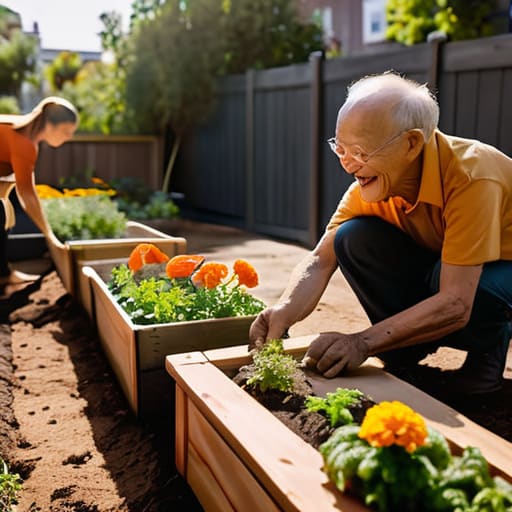
I was kneeling in a patch of damp, dark earth in a narrow alleyway in Marseille, my fingers stained with grit and the sharp, peppery scent of crushed basil, when it finally clicked. I wasn’t just growing herbs; I was participating in a quiet, rhythmic conversation with the people around me. Most people think community gardening is some polished, aesthetic lifestyle trend designed for curated Instagram feeds, but that’s a lie. The reality is much messier—it’s about bruised knees, shared watering cans, and the unfiltered chaos of trying to make something grow in a concrete jungle.
I’m not here to give you a sanitized manual on urban horticulture or sell you on some expensive, boutique seed starter kit. Instead, I want to share what I’ve learned from the dirt up: how these small, shared plots actually function as the beating heart of a neighborhood. I’ll walk you through the practical, unglamorous side of getting involved, from navigating local politics to the simple joy of trading a surplus of radishes for a bit of local wisdom. This is about finding real connection through the soil, one harvest at a time.
Table of Contents
Nurturing Neighborhood Food Security in Small Urban Plots
It’s easy to look at a tiny, reclaimed patch of dirt between two brick apartment buildings and see nothing but a patch of weeds. But when I sat down with Elias, a man who has tended this specific corner for a decade, he showed me how these small pockets are actually the backbone of neighborhood food security. He wasn’t talking about feeding a whole city, but about the dignity of knowing that the kale and radishes on your table didn’t travel three thousand miles in a refrigerated truck. These plots turn “food deserts” into something tangible, ensuring that even in the densest concrete jungles, fresh produce isn’t a luxury reserved for those with a zip code that supports high-end grocers.
Beyond the harvest, there is a quiet, rhythmic strength in shared garden management. I watched a group of teenagers helping an elderly neighbor prune her tomato vines, a seamless exchange of energy that felt more vital than any urban planning seminar. By integrating sustainable urban agriculture into our daily lives, we aren’t just growing vegetables; we are building a resilient, localized network that keeps the community’s pulse steady, even when the world outside feels increasingly disconnected.
The Quiet Magic of Therapeutic Horticulture and Shared Soil
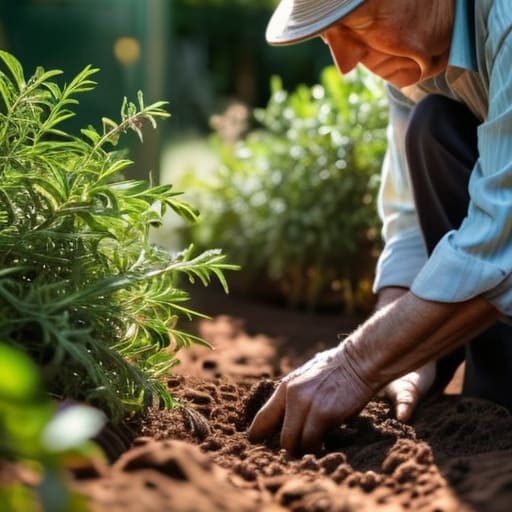
There is a specific kind of silence that exists in a garden, even one tucked between concrete apartment blocks. It isn’t a void, but rather a soft, rhythmic hum of bees and the scrape of a trowel against earth. Last Tuesday, I sat near the rosemary bushes, watching an elderly man meticulously prune tomato vines. He wasn’t just tending to plants; he was practicing a form of therapeutic horticulture that seemed to steady his breathing and slow the frantic pace of the city around him.
In these small, shared spaces, the act of digging becomes a way to ground yourself when the world feels too loud. There is a profound, unspoken bond formed through shared garden management, where the struggle to keep a stubborn patch of kale alive becomes a common language. You realize that you aren’t just growing vegetables; you are cultivating a sense of belonging. It’s in these quiet, dirt-under-the-fingernails moments that the true communal garden benefits reveal themselves—not as statistics on a city planning report, but as a shared, living pulse that makes a neighborhood feel like a home.
A Few Notes from the Dirt: How to Actually Get Started
- Don’t go it alone. The soul of a community garden isn’t the vegetables; it’s the people. Find a local plot, show up, and listen more than you talk. Most gardeners are more than happy to share their secrets if you ask with genuine curiosity.
- Start small and keep it simple. It’s tempting to try and grow an entire heirloom orchard in your first season, but I’ve learned the hard way that a few sturdy pots of basil and some hardy kale are much more rewarding than a neglected patch of ambitious, dying tomatoes.
- Learn the rhythm of your specific soil. Every neighborhood has its own microclimate and its own quirks. Spend your first few weeks just observing—how the light hits the corner at noon, or how the wind whips through the alley—before you even think about digging.
- Embrace the mess. A perfect, sterile garden is a dead garden. Real community plots are full of weeds, uneven paths, and unexpected visitors. Let the space breathe; the most interesting things usually grow in the gaps you didn’t plan for.
- Pack the essentials. If you’re heading down to a shared plot, bring more than just your gloves. A small notebook to jot down what’s blooming, a decent camera for those fleeting golden hours, and maybe a little extra water to share with a neighbor can go a long way.
What the Soil Taught Me
Community gardens are more than just patches of green; they are living, breathing maps of a neighborhood’s heritage, where a single heirloom tomato can spark a conversation about family history and migration.
Beyond the harvest, these spaces offer a rare, slow rhythm in a fast-paced city, teaching us that true connection often requires the patience to let things grow at their own pace.
When we invest in communal plots, we aren’t just growing food; we are reclaiming our right to know where our nourishment comes from and who we are sharing it with.
More Than Just Vegetables
“There is a specific kind of intimacy that happens when you’re both kneeling in the dirt, hands stained with soil, realizing that a single shared plot of land can feed a neighborhood’s stomach and its soul all at once.”
Anouk Verhoeven
More Than Just a Harvest
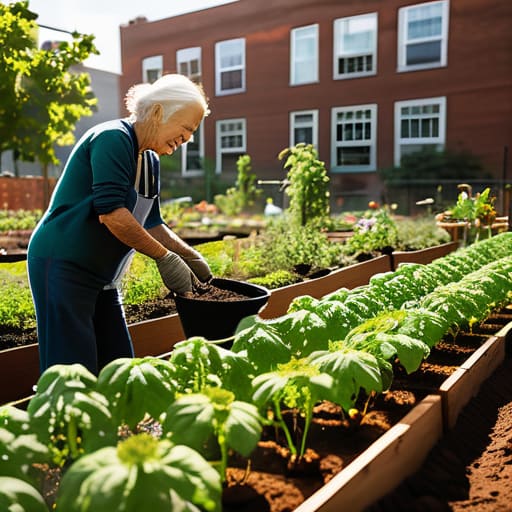
Looking back at everything we’ve discussed, it’s clear that these small, patchworked plots of land are doing so much more than just producing a few extra kilos of kale or heirloom tomatoes. They are practical lifelines for urban food security, offering a way to bypass the sterile aisles of a supermarket, and they serve as vital, grounding spaces for our own mental well-being. When we step into a community garden, we aren’t just tending to plants; we are tending to the social fabric of our neighborhoods, turning concrete corners into places where people actually see and recognize one another.
As I sit here in my notebook, trying to capture the scent of damp earth and crushed mint, I’m reminded that the most profound connections aren’t always found in grand monuments or famous museums. Sometimes, they are found in the dirt under our fingernails and the shared silence of a morning spent weeding alongside a stranger. I hope that the next time you pass a fence draped in climbing beans or see a cluster of raised beds in a vacant lot, you don’t just see a hobby. I hope you see an invitation to belong.
Frequently Asked Questions
How much time and space do I actually need to commit to a plot if I'm just starting out?
Honestly, I used to think you needed a sprawling backyard and a full-time commitment to make this work, but that’s a recipe for burnout. Start small. Even a single raised bed or a few sturdy pots on a sunny windowsill can be enough to get your hands dirty. Aim for maybe two hours a week—mostly just watering and a bit of weeding—and see how it feels. It’s about the rhythm, not the scale.
Is there a way to join these gardens if I don't have a green thumb or much gardening experience?
Honestly, don’t let a lack of “green thumb” stop you. Most of these spaces thrive on people who are willing to show up rather than those who already know everything. I’ve spent many afternoons in community plots just helping with the heavy lifting—moving mulch or weeding—and learned more from the regulars than any textbook. Just show up, offer a hand, and listen. The soil has a way of teaching you as you go.
How do these small urban plots actually manage to provide enough food to make a difference in a neighborhood?
It’s not about feeding the whole city, but it’s about more than just a few salads. These plots work through sheer, concentrated density. By using vertical planters and intensive companion planting, a tiny patch of dirt can produce a surprising amount of high-yield greens, herbs, and seasonal veggies. It’s less about massive harvests and more about filling the gaps—ensuring a neighbor has fresh basil for their sauce or tomatoes that actually taste like something.
