Blog

  • A Guide to Eating Fermented Foods

    A Guide to Eating Fermented Foods

    I still remember the heavy, vinegary scent of a tiny basement workshop in Copenhagen, where the air felt thick with the life of a thousand bubbling jars. I wasn’t there for a wellness seminar or a curated supermarket shelf; I was there because I wanted to understand why that specific, sharp tang made the local rye bread taste like history. Most people approach a fermented foods guide by looking for the most expensive probiotic pills or the trendiest “superfood” powders, but that’s not where the magic lives. Real fermentation isn’t a luxury lifestyle trend you buy in a plastic bottle; it is a living, breathing dialogue between a cook and their environment.

    I’m not here to sell you on a complicated regimen or a list of overpriced supplements. Instead, I want to share what I’ve learned from crowded markets and quiet village kitchens about how to actually bring these flavors into your own life. This isn’t a clinical manual, but a practical, experience-based way to navigate the world of microbes. My goal is to help you find the soul in the jar, moving past the hype to discover how these ancient traditions can turn a simple meal into something deeply nourishing and profoundly human.

    Table of Contents

    Tracing Natural Probiotic Sources in Local Markets

    Tracing Natural Probiotic Sources in Local Markets.

    Whenever I find myself in a new city, my first instinct isn’t to check a map, but to follow my nose toward the nearest open-air market. There is a specific, sharp tang that cuts through the humid air of a morning market—a scent that signals something alive is happening in those jars and crocks. I remember wandering through a small village in the mountains of Georgia, where the air smelled heavily of brine and wild herbs. It was there, watching an elderly woman carefully pack cabbage into heavy clay vessels, that I truly understood the benefits of lacto-fermentation. It isn’t just a preservation method; it’s a slow, rhythmic conversation between the seasons and the soil.

    Searching for natural probiotic sources in these settings feels much more intimate than browsing a sterile pharmacy aisle. You aren’t just looking for a pill; you’re looking for the bubbling, cloudy liquid in a jar of homemade pickles or the pungent, creamy depth of a local cultured cheese. These market finds offer a complexity that a capsule simply cannot replicate, connecting our digestive health and fermentation practices directly to the geography of the place.

    The Quiet Magic of Lacto Fermentation Traditions

    The Quiet Magic of Lacto Fermentation Traditions

    There is a specific kind of stillness that comes with watching a jar of vegetables transform over a week. It’s not the loud, fast-paced energy of a bustling market, but something more rhythmic. In many of the rural villages I’ve stayed in, fermentation isn’t a “wellness trend”—it’s just how you keep the harvest alive. I remember sitting in a sun-drenched kitchen in Eastern Europe, watching an elderly woman pack cabbage into heavy stoneware crocks. There was no measuring, just an intuitive sense of salt and weight. This is where the true benefits of lacto-fermentation reside: in that slow, microscopic dance that turns simple ingredients into something deeply complex.

    When I compare the experience of eating a crisp, brine-soaked radish to taking a pill, the difference is visceral. While many people focus on the science of gut microbiome health benefits, I find myself more drawn to the sensory connection. There is a tang, a slight effervescence on the tongue, and a depth of flavor that a capsule simply cannot replicate. It’s a reminder that food is a living thing, and when we respect that process, we nourish more than just our bodies.

    Small Rituals for Your Own Fermentation Journey

    • Don’t fear the funk. When I first tried making my own sauerkraut in a tiny kitchen in Berlin, the smell was intimidating, but that sharp, acidic tang is exactly where the life is. If it smells like vinegar or yeast, you’re on the right track; if it smells truly putrid, trust your gut and let it go.
    • Follow the salt, not just the recipe. I’ve learned from many a market vendor that salt is the gatekeeper. It’s not just for flavor; it’s what keeps the “bad” bacteria at bay while the good ones do their work. A precise salt-to-vegetable ratio is the difference between a crisp ferment and a mushy mess.
    • Embrace the imperfections of hand-me-down cultures. Whether it’s a sourdough starter passed down through a family or a jar of kombucha SCOBY, these living things have personalities. They react to the humidity in your kitchen and the season outside your window. Treat them like roommates, not just ingredients.
    • Keep your eyes (and nose) on the bubbles. Fermentation is a slow, quiet conversation. When you see those tiny, energetic bubbles rising to the surface, it’s a sign that the microbes are busy at work. It’s a small, beautiful reminder that even in stillness, there is immense activity.
    • Prioritize seasonal, local produce. A fermented carrot tastes infinitely better when it’s been harvested from a nearby farm at the height of its sweetness. The sugars in fresh, seasonal vegetables provide the best fuel for the fermentation process, making the end result much more complex.

    Lessons from the Jar

    Stop looking for “superfoods” in a grocery aisle and start looking for them in the local market’s rhythm; true probiotics are found in the seasonal, living foods that a community has perfected over generations.

    Respect the slow process; fermentation is a lesson in patience that reminds us that the most profound cultural flavors can’t be rushed or manufactured, only nurtured.

    Eat with intention and curiosity; every jar of kraut or bowl of miso is a map of a specific place and its people, offering a way to taste a landscape long after you’ve left it.

    The Living History in a Jar

    “A jar of ferment isn’t just a recipe; it’s a living, breathing record of a place—the specific salt from its coast, the wild yeasts in its air, and the quiet patience of a culture that knows some things simply cannot be rushed.”

    Anouk Verhoeven

    Beyond the Jar

    Fermented foods and life Beyond the Jar.

    As I pack my notebook and prepare for my next train, I find myself thinking back to those bubbling crocks and sun-drenched market stalls. We’ve looked at how to spot real probiotic treasures in the chaos of a local market and how the patient, slow rhythm of lacto-fermentation acts as a living history of a community. Whether it’s a sharp, spicy kraut or a mellow, funky miso, these foods are more than just gut health trends; they are the tangible results of human patience and the clever ways our ancestors learned to dance with the seasons.

    Ultimately, I hope you don’t just see fermentation as a way to improve your digestion, but as a way to reconnect with the world. The next time you find yourself in a new city, skip the polished supermarket aisles and look for the small, unassuming jars in the corner of a family-run deli. Listen to the stories behind the brine. When we embrace these fermented traditions, we aren’t just eating; we are participating in a global, ancient conversation that has been happening in kitchens for thousands of years. Slow down, taste the complexity, and let the flavors tell you where you really are.

    Frequently Asked Questions

    How can I tell if a fermented food in a local market is actually safe to eat versus just being spoiled?

    It’s a valid fear—I’ve stood in front of many a jar, wondering if I was looking at a culinary treasure or a science experiment gone wrong. Generally, look for a pleasant, tangy aroma, like sourdough or pickles. If it smells putrid, sulfurous, or just “off,” walk away. Avoid anything with fuzzy, colorful mold (white or blue is okay in some contexts, but when in doubt, skip it) or a slimy, unappealing texture. Trust your nose; it’s your best guide.

    Are there certain types of fermented foods that are easier for beginners to incorporate into a daily routine without feeling overwhelmed?

    I used to think fermentation meant a jar of something pungent sitting on my counter, which felt intimidating. If you’re starting out, don’t aim for the heavy stuff. I usually begin with something mild, like a spoonful of creamy kefir in my morning oats or a bit of miso stirred into a warm broth. They’re gentle on the palate and easy to slip into a routine without feeling like you’re performing a culinary experiment.

    How do I balance exploring these traditional, heavy fermented flavors with my own modern dietary needs?

    I used to struggle with this, especially when a heavy, salty miso or a pungent kraut felt a bit much for my stomach. Now, I treat fermentation like a seasoning rather than a main event. I’ll add a small spoonful of a potent local ferment to a simple bowl of grains or roasted vegetables. It honors the tradition without overwhelming my palate or my digestion—it’s about finding that gentle, living balance.

  • Exploring Nature Through Gentle Foraging

    Exploring Nature Through Gentle Foraging

    I remember sitting on a damp mossy log in the outskirts of Brittany, my fingers stained green and my notebook open, trying to reconcile the intense, peppery scent of wild garlic with the sterile, plastic-wrapped versions sold in the city supermarkets. There is a specific kind of magic in finding something edible just because you knew where to look, but most people treat foraging basics like some high-stakes, academic pursuit involving expensive field guides and heavy gear. I’ve seen too many “experts” turn a simple walk in the woods into an intimidating science project, stripping away the quiet connection between the earth and our plates.

    I’m not here to give you a lecture or a list of overly complicated botanical Latin. Instead, I want to share the intuitive, grounded approach I’ve gathered from years of wandering through markets and wild landscapes alike. We’re going to strip away the pretension and focus on the real-world skills you actually need to identify seasonal treasures with confidence. My goal is to help you move past the fear and start seeing the landscape not just as scenery, but as a living, breathing pantry.

    Table of Contents

    Mastering Edible Plant Identification in Local Fields

    Mastering Edible Plant Identification in Local Fields.

    When I first started exploring the edges of the countryside, I made the mistake of thinking a quick glance would suffice. It doesn’t. True edible plant identification requires a certain kind of patience—the kind where you actually sit in the tall grass and observe how a leaf curls or how the stem feels against your thumb. I’ve learned that you can’t just skim the surface; you have to look for the tiny, specific markers that separate a delicious wild herb from something that might make you very ill.

    I always keep a small, weathered field guide in my bag, but even then, I rely heavily on my senses. I’ve found that identifying seasonal wild edibles is as much about timing as it is about sight. A plant might look one way in the dampness of early spring and completely different under the August sun. Before you ever consider tasting anything, make sure you can identify at least three distinct characteristics of the plant. It’s about building a deep, tactile familiarity with the land, ensuring that every bite is a way of connecting with the earth, rather than a gamble.

    Safe Foraging Practices for the Curious Wanderer

    Safe Foraging Practices for the Curious Wanderer

    There’s a certain thrill in finding something wild and delicious, but I’ve learned the hard way that enthusiasm should never outpace caution. Before you ever let anything touch your plate, you need to be absolutely certain of your edible plant identification. I always tell my friends that if there is even a shadow of a doubt—if a leaf looks slightly “off” or the texture feels unfamiliar—you leave it exactly where it is. It’s better to go home with an empty basket than a heavy heart.

    When I’m out in the field, I keep my kit simple. I don’t need much beyond a sharp knife and a breathable canvas bag, but investing in a few quality foraging tools and equipment makes the process much more respectful to the environment. I try to follow a “one-third rule”: take a third for yourself, leave a third for the wildlife, and leave the rest to ensure the plant can regenerate. It’s all about sustainable harvesting techniques that honor the land rather than just stripping it bare. We are guests in these ecosystems, after all.

    Small Lessons from the Dirt: My Five Rules of Thumb

    • Never trust a half-finished thought; if you aren’t 100% certain about a plant’s identity, leave it exactly where it is. There is no room for “maybe” when it comes to what ends up on your plate.
    • Bring a physical field guide that you can actually get dirty. Apps are fine for a quick glance, but nothing beats the tactile feeling of flipping through weathered pages while sitting in the damp grass.
    • Respect the “one-tenth” rule. Only take a small handful of what you find to ensure the local ecosystem—and the next person wandering by—has plenty left to thrive.
    • Wash everything twice, and then a third time. Even if a patch of wild greens looks pristine, you never know what’s lingering in the soil or what a stray dog might have left behind.
    • Pay attention to the context, not just the leaf. A plant’s location, the soil it’s hugging, and the way it smells in the sun tell a much deeper story than a simple diagram ever could.

    Small Lessons from the Soil

    Never rush the identification process; if you aren’t 100% sure about a plant, leave it where it is. I’ve learned that a single mistake can turn a beautiful afternoon into a hospital visit, and no wild meal is worth that risk.

    Respect the ecosystem by only taking what you need and never stripping a single patch bare. Foraging should feel like a quiet exchange with nature, not a harvest, ensuring the plants can return for the next season.

    Use your senses beyond just sight. I always tell people to pay attention to the texture of a leaf or the specific, earthy scent of a crushed stem—these sensory details are often the most honest clues a plant can give you.

    The Wisdom of the Soil

    Foraging isn’t about conquering the landscape or filling a basket; it’s about learning to listen to the ground and realizing that the most profound flavors are often hidden in the quietest corners, waiting to be recognized by those who actually take the time to look.

    Anouk Verhoeven

    Finding Your Way Back to the Earth

    Finding Your Way Back to the Earth.

    At the end of the day, foraging isn’t about filling a basket to the brim or mastering every botanical name in your local field guide. It’s about the discipline of slowing down and the commitment to doing your homework before you ever take a bite. We’ve talked about the vital importance of foolproof identification, the ethics of never over-harvesting, and the necessity of respecting the land that provides for us. If you remember nothing else, remember that caution is your most important tool. When in doubt, leave it be; the goal is to participate in the ecosystem, not to disrupt it.

    Beyond the practicalities, there is something deeply restorative about this practice. There is a quiet, almost sacred connection that happens when you stop viewing a landscape as just a backdrop for a photo and start seeing it as a living, breathing pantry. It changes the way you walk through the world. Suddenly, a simple afternoon stroll becomes a lesson in patience and a way to reconnect with the seasons. So, grab your notebook, keep your eyes sharp, and go find those small, wild flavors that make a place feel like home. The earth is always telling a story; you just have to be quiet enough to listen.

    Frequently Asked Questions

    How do I know if I'm accidentally picking something toxic if it looks almost identical to an edible plant?

    This is the question that keeps me up at night when I’m out in the field. The honest truth? If there’s even a shadow of a doubt, leave it alone. I live by a strict rule: when in doubt, don’t eat it. I’ve learned to look past the leaves and focus on the tiny, “boring” details—the stem structure or the way the hairs feel—but even then, I never rely on a single feature. If it isn’t a definitive “yes,” it’s a “no.”

    Are there certain areas, like near busy roads or old farms, where I should avoid foraging because of soil contamination?

    This is such a vital question, and honestly, it’s the one that keeps me up at night sometimes. I always steer clear of roadsides; the runoff from cars carries heavy metals that plants just soak right up. I also avoid old industrial sites or farms that use heavy pesticides. I prefer seeking out “wilder” edges—think the outskirts of old woods or meadows where the soil feels undisturbed and quiet.

    Do I need any special tools to harvest these plants without damaging the roots or the surrounding ecosystem?

    You don’t need a fancy kit, but I always pack a small, sharp garden knife and a sturdy canvas bag. A knife lets you make clean cuts rather than tearing at the stem, which is much kinder to the plant. If you’re harvesting roots, a small hand trowel helps you lift them without disturbing the entire soil structure. Most importantly, leave enough behind so the ecosystem can keep breathing.

  • Decorating Your Bookshelves

    Decorating Your Bookshelves

    I was sitting in a tiny, sun-drenched kitchen in Marseille last month, watching an elderly woman arrange her spice jars on a weathered wooden ledge. There was no curated “aesthetic” in sight, just the beautiful, messy reality of a life well-lived. It made me realize how much I loathe the polished, sterile version of shelving decor that dominates my social media feeds—those perfectly spaced, color-coordinated vignettes that look more like a showroom than a home. We’ve been sold this idea that a shelf needs to be a museum exhibit, but to me, that feels utterly lifeless.

    I’m not here to teach you how to stage a photoshoot or buy expensive, meaningless trinkets just to fill a gap. Instead, I want to share how you can use your shelves to tell your own story, using the objects that actually mean something to you. We’re going to talk about finding the balance between function and soul, focusing on intentional collecting rather than mindless decorating. My goal is to help you create a space that feels grounded and real, one meaningful object at a time.

    Table of Contents

    Mastering Shelf Styling Principles Through Collected Memories

    Mastering Shelf Styling Principles Through Collected Memories

    When I’m setting up a new space, I tend to approach organizing decorative objects much like I approach a new city: with curiosity and a refusal to rush. I don’t believe in buying a pre-packaged set of matching vases just to fill a void. Instead, I look for pieces that carry a bit of weight—a heavy stoneware mug from a rainy afternoon in Porto, or a stack of well-loved cookbooks with flour-dusted spines. Mastering shelf styling principles isn’t about following a rigid blueprint; it’s about creating a visual rhythm that feels earned rather than staged.

    I find that the most successful shelf vignette ideas rely on a balance of textures and heights. I’ll often pair something tall and architectural, like a single dried branch in a glass jar, with something small and tactile, like a smoothed river stone or a tiny ceramic bowl. By varying these scales, you avoid that stiff, showroom look. To me, a successful minimalist shelf arrangement shouldn’t feel empty; it should feel intentional, leaving enough breathing room for each object to tell its own quiet story.

    Finding Harmony in Minimalist Shelf Arrangement

    Finding Harmony in Minimalist Shelf Arrangement.

    When I’m moving between temporary apartments, I’ve learned that less is almost always more. There is a certain peace in a minimalist shelf arrangement that mirrors the way I pack my own bags—only taking what is essential and meaningful. Instead of cluttering a surface with every knick-knack I’ve ever picked up, I try to focus on negative space. It’s not about having empty gaps; it’s about giving each object room to breathe so you can actually see it.

    I often approach decorating floating shelves by thinking about rhythm rather than symmetry. I might place a single, heavy ceramic vase on one side to ground the look, then balance it with something lighter, like a small stack of linen-bound books or a single sprig of dried eucalyptus. When you’re organizing decorative objects this way, you aren’t just tidying up; you’re creating a visual melody. It’s that delicate balance between intentionality and ease that prevents a shelf from looking too precious or, conversely, like a chaotic junk drawer.

    Small Touches: My Personal Rules for a Lived-In Shelf

    • Don’t be afraid of the “imperfect” piece. I always find that a slightly chipped ceramic mug from a trip to Lisbon or a weathered stone I picked up on a beach in Brittany adds more soul to a shelf than a perfectly matched set from a big-box store.
    • Group things in odd numbers. There’s something about a trio of objects—maybe a small plant, a stack of books, and a single candle—that feels much more natural and less “staged” to the eye than even pairings.
    • Vary your heights to create rhythm. If everything is the same level, the eye just slides right past it. I like to tuck a small, low bowl in front of a taller, slender vase to create a little landscape that feels intentional but relaxed.
    • Leave some breathing room. It’s tempting to fill every inch, but a shelf needs to breathe. I’ve learned that leaving a bit of empty space around a meaningful object actually gives it more importance, rather than letting it get lost in the clutter.
    • Mix textures to add warmth. A smooth glass carafe looks beautiful next to the rough, tactile spine of an old linen-bound cookbook. That contrast is what makes a display feel layered and real, rather than just a collection of things.

    Small Lessons in Living with Intention

    Stop chasing “sets” and start collecting stories; a shelf feels most alive when it holds a mix of the functional and the sentimental, like a worn ceramic bowl next to a handful of salt-stained postcards.

    Embrace the breathing room; just as a crowded market can be overwhelming, a shelf needs empty space to let your most meaningful objects actually be seen.

    Let your decor evolve with your travels; your shelves shouldn’t be a finished project, but a living archive that changes every time you bring home a new texture or a small, unexpected find.

    The Soul of a Shelf

    “A shelf shouldn’t just be a place to store things; it’s a quiet map of where you’ve been and what you’ve loved—a collection of mismatched ceramics, worn spines, and small, dusty artifacts that turn a house into a home.”

    Anouk Verhoeven

    The Soul of the Shelf

    Curated decor capturing The Soul of the Shelf.

    At the end of the day, styling your shelves isn’t about following a strict set of rules or achieving that untouchable, showroom perfection we see in glossy magazines. It’s about the delicate balance between the principles of design—like managing negative space and playing with varying heights—and the unpredictable beauty of your own history. Whether you are grouping minimalist ceramics to create a sense of calm or layering old, flour-dusted cookbooks with treasures found in a dusty market in Oaxaca, you are essentially curating a visual narrative. Remember that the goal is to blend structure with soul, ensuring that your arrangement feels both intentional and lived-in.

    As I pack my bags for my next destination, I often find myself looking at the small, cluttered nooks of the cafes I visit, realizing that these tiny displays are the quietest forms of storytelling. Your shelves are no different; they are the canvas for your personal evolution. Don’t be afraid to leave a gap for something new to arrive, or to let a piece become slightly worn and weathered. The most beautiful spaces aren’t the ones that are perfectly curated, but the ones that honestly reflect the hands that touch them and the lives they have led. Let your shelves breathe, and let them tell your story.

    Frequently Asked Questions

    How do you balance displaying meaningful keepsakes without making the shelves feel cluttered or overwhelming?

    I always lean on the “breathing room” rule. When I’m styling my shelves, I treat empty space like an ingredient—it’s just as important as the objects themselves. I try to group my keepsakes in small, intentional clusters rather than spreading them thin. If I have a heavy ceramic bowl from a market in Oaxaca, I’ll pair it with just one slim book and a single sprig of dried herbs. It keeps the story clear without the noise.

    Are there specific ways to incorporate natural elements, like dried herbs or stones, into shelf styling to make a space feel more grounded?

    I’ve always found that bringing the outdoors in is the quickest way to ground a room. For me, it’s about texture. I love tucking small bundles of dried rosemary or lavender into a ceramic crock; they add a soft, organic shape and a faint, nostalgic scent. Even a few smooth river stones tucked beside a stack of books can work. It’s those tactile, unpolished bits that make a shelf feel lived-in rather than just staged.

    When working with small, limited shelf space, how do you decide which objects are worth keeping on display and which should stay tucked away?

    I’ve learned that when space is tight, you have to be ruthless, but in a kind way. I ask myself: does this object hold a story, or is it just taking up room? If a ceramic bowl reminds me of a specific morning in a coastal market, it stays. If it’s just something I bought because it was convenient, it goes back in a drawer. I prefer a few meaningful pieces over a crowded shelf.

  • Exploring the Beauty of Desert Adventures

    Exploring the Beauty of Desert Adventures

    The smell of burnt sage and woodsmoke always hits me before the sun even clears the horizon. I remember sitting on a woven rug in the middle of the Wadi Rum, my fingers stained with dust, watching a local Bedouin family turn a simple meal of flatbread and honey into something that felt more sacred than any five-star banquet. Most people think desert adventures require expensive, high-octane dune bashing or staying in those polished, air-conditioned luxury camps that feel like they were plucked straight from a brochure. But for me, the real magic happens when the engine stops and the quiet actually begins.

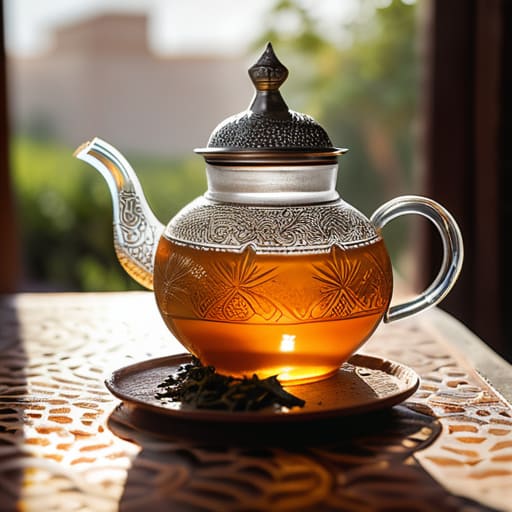
    I’m not here to sell you on a curated itinerary or a checklist of “must-do” tourist traps. Instead, I want to share how you can find the heartbeat of the dunes through the people who live there and the flavors they cook over open flames. I’ll be guiding you through the unfiltered reality of navigating the sands, focusing on the small, sensory details—the grit of the wind, the taste of spiced tea, and the stillness of the stars—that turn a simple trip into a genuine connection with the land.

    Table of Contents

    The Rhythm of the Sands Best Time for Desert Travel

    The Rhythm of the Sands Best Time for Desert Travel.

    I’ve learned the hard way that the desert isn’t a place you just show up to; it’s a place you have to negotiate with. If you arrive during the height of summer, you aren’t really experiencing the landscape—you’re just surviving it. For me, the best time for desert travel is always during those transitional months, like late autumn or early spring, when the air holds a crispness that makes the midday heat feel like a gentle embrace rather than a heavy weight.

    There is a specific magic in the early morning light during these seasons. I often find myself waking before dawn, camera in hand, hoping to catch a glimpse of a fox or a desert hare before the sun turns the dunes into a furnace. This window is also when desert wildlife photography truly comes alive, as the animals are most active before the heat settles in. If you’re planning a trip, don’t just pack for the sun; prioritize desert climate preparation by layering your clothes. The temperature can swing from a biting chill at night to a searing glow by noon, and being caught without the right layers is a mistake I don’t recommend making.

    Oasis Exploration Seeking Quiet Waters and Ancient Stories

    Oasis Exploration Seeking Quiet Waters and Ancient Stories

    I remember stumbling upon a small, unnamed spring near the edge of the Erg Chebbi dunes just as the sun began to dip. While most travelers were preoccupied with the adrenaline of off-road desert driving, I found myself drawn to the sudden, cool stillness of the palms. There is a specific kind of magic in an oasis; it isn’t just the visual relief of green against the orange sand, but the way the air suddenly feels heavy and sweet with the scent of damp earth and ripening dates.

    For me, oasis exploration is less about checking a landmark off a list and more about the sensory shift. I sat by the water’s edge, pulling out my notebook to record the smell of crushed mint and silt, listening to the birds that call this micro-climate home. If you are planning to venture into these pockets of life, I highly recommend bringing a decent lens for desert wildlife photography, as the sudden density of life near the water can be breathtaking. It’s in these quiet, shaded corners that the desert finally stops feeling like a void and starts feeling like a home.

    Small Essentials for the Long Road

    • Forget the fancy gear lists you see in brochures; just bring a high-quality linen scarf. It’s my constant companion, whether I’m using it to shield my neck from the midday sun or wrapping it around my head when a sudden dust storm turns the sky orange.
    • Pack a notebook that isn’t just for thoughts, but for sensory details. The desert has a specific scent—dry earth, sun-baked stone, and occasionally, the sharp, sweet smell of wild sage—and I find that writing these down helps me stay grounded when the landscape feels overwhelming.
    • Prioritize hydration through more than just water bottles. I’ve learned that carrying small packets of electrolytes or even dried dates makes a massive difference in how my body handles the relentless heat and the constant, fine grit in the air.
    • Don’t rely solely on digital maps. I always carry a physical compass and a paper map tucked into my bag. When the vastness of the dunes starts to play tricks on your sense of direction, there is a profound, quiet comfort in holding something tangible.
    • Pack light, but pack smart with textures. I stick to breathable, natural fibers in neutral tones. It’s not about fashion; it’s about staying functional so I can focus on the way the light hits the dunes at dusk rather than worrying about my clothes sticking to me.

    Lessons from the Dust

    Forget the itinerary; the real magic happens in the unplanned pauses, like when a sudden sandstorm forces you to seek shelter and share a meal with a stranger.

    Respect the desert’s clock by moving with the light and the temperature, rather than fighting against the natural rhythm of the sun.

    Pack for utility, not just aesthetics—your most important tools aren’t your camera lenses, but the ability to stay hydrated and the willingness to get a little grit under your fingernails.

    Beyond the Mirage

    “The desert isn’t a place you simply visit to see the dunes; it’s a place you go to listen to the silence, to taste the salt on your skin, and to realize that the most profound stories aren’t found in the grand landscapes, but in the small, shared warmth of a nomad’s tea by the fire.”

    Anouk Verhoeven

    Beyond the Horizon

    Desert dunes stretching Beyond the Horizon.

    As I pack my camera gear and check my notebook for the scent of woodsmoke and dried spices, I realize that a desert journey is never just about the logistics. It is about understanding the delicate balance of timing, knowing when to seek the shade of an ancient oasis, and respecting the slow, steady pulse of the dunes. Whether you are navigating the shifting sands during the perfect seasonal window or finding stillness by a hidden spring, the desert demands a certain kind of presence. It isn’t a place you simply visit; it is a landscape you must learn to read like a map of human survival and spirit.

    Ultimately, the desert strips everything back to the essentials. It teaches you that the most profound moments aren’t found in a polished itinerary, but in the quiet spaces between the landmarks. It’s in the way the light hits a salt flat at dusk or the shared warmth of a meal cooked over embers under a canopy of stars. I hope you leave the guidebooks behind and allow yourself to get a little lost. After all, the real magic happens when you stop trying to conquer the wilderness and instead start listening to what it has to tell you.

    Frequently Asked Questions

    How do I find authentic local food in remote desert camps without ending up with a generic tourist menu?

    Look for the smoke, not the signage. If a camp is tucked away from the main tracks and you see a small group of locals gathered around a single, low-burning fire, follow that scent. I usually ask the camp host if they’ve prepared anything specific to the season—like sun-dried fruits or slow-cooked lamb—rather than asking for a menu. If they can’t show you a printed list, you’re likely in the right place.

    What are the essentials I should pack to stay comfortable while still keeping my gear minimal and functional?

    Packing for the desert is a lesson in restraint. I always lean toward natural fibers—linen and lightweight cotton—to breathe when the sun hits. I keep my kit minimal: a sturdy wide-brimmed hat, high-SPF sunblock, and a reusable water flask that actually keeps things cold. Most importantly, I never leave without my analog camera and a small notebook. It’s about having enough to stay comfortable, but not so much that you’re too heavy to wander.

    How can I navigate the desert safely while still avoiding the large, noisy tour groups?

    To find the quiet, you have to leave the paved roads behind. I always steer clear of the big excursion buses; they tend to follow a loud, predictable script. Instead, I look for local guides who specialize in smaller, walking-based treks. It’s more intimate and far more respectful of the landscape. Just remember: never venture out without a reliable local, plenty of water, and a way to signal for help. Safety is the foundation of true freedom.

  • The Cultural Impact of Brazilian Carnival

    The Cultural Impact of Brazilian Carnival

    I remember standing on a corner in Salvador, the humidity sticking my shirt to my back, as the scent of acarajé frying in palm oil drifted through a thick cloud of percussion. Everyone tells you that Brazilian Carnival is about the massive, glitter-drenched parades you see on television, but they’re selling you a polished, expensive version of the truth. The real magic isn’t found in a VIP lounge or a pre-packaged tourist excursion; it’s in the salt on your skin and the way the rhythm of a neighborhood drum circle makes the very pavement feel alive under your feet.

    I’m not here to give you a glossy brochure or a list of overpriced hotels. Instead, I want to take you into the unscripted heart of the celebration—the narrow streets, the local kitchens, and the communal energy that actually defines the season. I’ll show you how to navigate the chaos without losing your soul (or your budget), focusing on the small, sensory details that make the experience feel like living, rather than just spectating.

    Table of Contents

    Finding Heart in the Rio De Janeiro Parade Traditions

    Finding Heart in the Rio De Janeiro Parade Traditions.

    While the sheer scale of the Sambadrome can feel overwhelming, there is a specific, rhythmic gravity to the samba school competition that goes far beyond the spectacle. I found myself sitting near the edge of the arena, watching the dancers prepare. It isn’t just about the glitter; it’s about the months of communal labor poured into every stitch of the carnival costumes and floats. You can feel the tension and the pride vibrating through the concrete. It is a high-stakes ritual where entire neighborhoods stake their reputation on a single night of movement.

    However, if you want to see how these traditions actually breathe, you have to look at the exhaustion and the joy in the eyes of the performers once the music stops. The sambadrome experience is a sensory overload of neon and percussion, but the true heart lies in the shared history of the songs. These aren’t just melodies; they are oral histories being sung at the top of lungs. It is a heavy, beautiful weight to witness—the way an entire community can turn a competition into a profound act of cultural survival.

    The Soul Behind the Samba School Competition

    The Soul Behind the Samba School Competition.

    It’s easy to get lost in the sheer scale of the Sambadrome, but if you sit still for a moment, you realize the spectacle isn’t just about the glitter. The true weight of the samba school competition lies in the year-long labor of entire neighborhoods. I spent an afternoon wandering near one of the community workshops, and the air was thick with the scent of sawdust and industrial glue. Seeing the artisans meticulously hand-stitching intricate carnival costumes and floats reminded me that this isn’t just a show; it’s a massive, collective act of cultural preservation.

    For these communities, the parade is a chance to claim space and tell their specific history to the world. There is a profound, almost spiritual tension in the air as the drums begin to sync. It isn’t just about the rhythm; it’s about the pride of a thousand people moving as one. When you witness that level of dedication, the sambadrome experience shifts from a tourist spectacle to something much more raw and deeply human. It’s the heartbeat of a city that refuses to be silent.

    Beyond the Spectacle: How to Navigate Carnival Without Losing Your Way

    • Skip the VIP bleachers for at least one night. While the Sambadrome is a marvel of engineering and costume, there is a specific, unscripted magic in the blocos—the street parties that wind through the neighborhoods. It’s messy, it’s loud, and it’s where you’ll actually feel the city breathing.
    • Follow your nose to the street vendors. You’ll see them everywhere, selling everything from chilled coconut water to pastel. Don’t overthink it; if you see a crowd of locals gathered around a small cart, that’s your cue. It’s the best way to fuel up between dancing.
    • Learn the rhythm of the “quiet” hours. The energy of Carnival is a marathon, not a sprint. I’ve learned that the best way to avoid burnout is to find a small, shaded café in Santa Teresa during the mid-afternoon lull to reset before the evening madness begins.
    • Pack for utility, not just aesthetics. You’ll want lightweight, breathable fabrics and, most importantly, shoes you don’t mind getting a bit dusty. A pair of sturdy sandals is much better than anything that looks pretty but won’t survive six hours of cobblestone walking.
    • Embrace the unplanned. My best stories—and my favorite smells—never come from the scheduled tours. If a side street suddenly erupts in drumbeats, follow it. The real soul of the festival isn’t on the itinerary; it’s in the spontaneous moments where the music finds you.

    Beyond the Spectacle: What Carnival Really Leaves You With

    Real connection isn’t found in the grandstand seats, but in the small, rhythmic moments—the shared street food, the neighborhood drum circles, and the way a city breathes together when the music starts.

    Understanding the samba schools is less about the costumes and more about the year-round community and the deep-rooted pride that fuels every single stitch and beat.

    To truly experience Carnival, you have to look past the televised glitter and follow the scent of the street markets and the sound of the local percussion into the heart of the community.

    Beyond the Glitter

    “People think Carnival is a spectacle meant to be watched, but when you’re standing in a humid side street in Salvador, you realize it’s actually a conversation—a rhythmic, sweat-soaked dialogue between a community and its history that no televised parade could ever truly capture.”

    Anouk Verhoeven

    Beyond the Glitter and the Noise

    Beyond the Glitter and the Noise.

    As I sit in a small, dimly lit cafe a few blocks away from the main parade route, my notebook is filled with more than just dates and locations; it’s filled with the scent of fried pastéis and the lingering vibration of the drums. We’ve looked at the grand spectacle of the Rio parades and the intense, communal discipline of the samba schools, but the true essence of Carnival isn’t found in a single trophy or a televised moment. It is woven into the interconnected threads of community, history, and the sheer, unadulterated joy of people reclaiming their streets. To truly understand Brazil, you have to look past the sequins and see the humanity driving the rhythm.

    If you ever find yourself caught in the middle of the madness, don’t try to map it out or follow a strict itinerary. Let the music pull you toward the side streets and the smaller neighborhood gatherings where the celebration feels less like a show and more like a homecoming. Travel isn’t about checking a massive festival off a bucket list; it’s about those fleeting, quiet connections that happen when you stop being an observer and start being a participant. Carnival reminds us that even in a world that feels increasingly fractured, there is still a universal language in the dance.

    Frequently Asked Questions

    How can I find those smaller, neighborhood-led street parties (blocos) without getting lost in the massive tourist crowds?

    To find the real magic, you have to step away from the main avenues. I usually skip the big social media announcements and instead, I wander into the residential side streets of neighborhoods like Santa Teresa or Botafogo. Look for where the locals are gathering around a portable speaker or a small corner bar. If you follow the sound of a local brass band and the smell of roasting meat, you’ll find the best blocos.

    What should I look for in a local market to find the best seasonal ingredients that define the festive flavors of the season?

    Don’t head for the polished stalls near the main squares. Instead, look for the vendors with the most weathered hands and the smallest, most chaotic displays. I always hunt for the seasonal shifts: the heavy, fragrant mangoes or the specific peppers that signal a festival is approaching. If a stall is crowded with locals rather than people with cameras, you’ve found it. Follow the scent of bruised herbs and ripe fruit—that’s where the real flavor lives.

    Is there a way to experience the music and dancing in a more intimate setting that doesn't involve a massive stadium ticket?

    If you want to escape the stadium lights, look for the blocos. These are street parties that weave through neighborhoods, and they are where the real magic happens. You’ll find yourself dancing alongside locals in narrow streets, fueled by nothing but a portable sound system and pure energy. It’s loud, it’s sweaty, and it’s completely unscripted. Just follow the rhythm and the scent of frying acarajé—that’s usually where the best dancing is.

  • How to Style a Dining Room

    How to Style a Dining Room

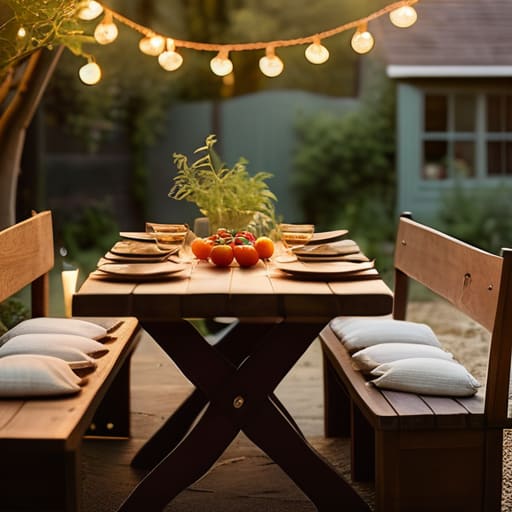
    I was sitting in a tiny, sun-drenched trattoria in Trastevere last autumn, watching an elderly woman set a table with nothing more than a mismatched linen cloth and a bowl of bruised peaches. There was no perfectly curated centerpiece or expensive sculptural lighting, yet the space felt more intentional than any showroom I’ve ever stepped into. It made me realize how much we overcomplicate dining room styling by chasing a sterile, Instagram-ready perfection that actually repels connection. We spend so much time worrying about whether our ceramics match our napkins that we forget the room is meant to be lived in, stained by wine and cluttered by the beautiful mess of a long conversation.

    I’m not here to tell you which designer labels to buy or how to create a museum-grade dining space. Instead, I want to share how you can use meaningful, lived-in elements to build a room that actually invites people to stay. We’re going to focus on the small, tactile details—the textures, the light, and the layers—that turn a mere furniture arrangement into a sanctuary for shared meals.

    Table of Contents

    Finding Harmony Through Minimalist Dining Room Arrangement

    Finding Harmony Through Minimalist Dining Room Arrangement

    When I’m setting up a new space, I tend to approach it like I approach my travel photography: I look for the negative space. A minimalist dining room arrangement isn’t about emptiness; it’s about making sure nothing competes with the person sitting across from you. I’ve found that when you strip away the heavy, ornate centerpieces and the cluttered sideboards, the conversation actually has room to breathe. I prefer a single, well-placed ceramic bowl or a small bunch of herbs from the local market rather than a crowded display.

    To keep things from feeling cold, I lean into modern dining room aesthetics that prioritize texture over pattern. Think a linen tablecloth in a muted tone or a smooth wooden surface that feels warm under your palms. If you’re worried about the room feeling too sparse, focus on your dining room lighting design. A low-hanging pendant light creates a soft pool of warmth that draws everyone inward, making even the simplest meal feel intentional. It’s less about decorating a room and more about curating an environment where the food and the company can finally take center stage.

    Choosing Dining Room Color Palettes That Feel Like Home

    Choosing Dining Room Color Palettes That Feel Like Home

    When I think about color, I don’t think about matching paint swatches to a showroom floor; I think about the way the light hits a terracotta bowl in a Tuscan kitchen at dusk. Choosing dining room color palettes shouldn’t feel like a math problem. Instead, I try to pull inspiration from the natural world—the muted sage of a coastal morning or the deep, umber tones of a forest floor. These organic hues do something magical: they ground the room, making it feel less like a curated set and more like a lived-in sanctuary.

    If you find yourself leaning toward modern dining room aesthetics, resist the urge to go purely clinical with stark whites and cold greys. A space that feels “too perfect” often lacks soul. I prefer layering subtle, earthy tones to create warmth. Even a simple monochromatic scheme can feel incredibly inviting if you play with texture—think a linen tablecloth in oatmeal or a matte ceramic vase. It’s about creating a backdrop that doesn’t compete with the food or the conversation, but rather holds the space for them to unfold naturally.

    Small Details That Make a Room Feel Lived-In

    • Skip the matching, store-bought sets. I’ve always found that a dining room feels much more soulful when you mix textures—maybe a heavy linen tablecloth paired with a few mismatched ceramic bowls you picked up from a local potter.
    • Let there be light, but keep it soft. Instead of harsh overhead fixtures, I rely on low-slung pendant lights or even just a cluster of unscented beeswax candles to create that intimate, golden glow that makes people want to linger over coffee.
    • Bring the outside in, but keep it seasonal. Rather than a formal, stiff floral arrangement, try a simple stoneware vase with a few wild branches or some herbs from the market. It keeps the energy of the room feeling fresh and connected to the time of year.
    • Create a dedicated spot for the “messy” parts of life. A small, beautiful wooden tray can hold your salt cellar, a pepper grinder, and a half-used bottle of olive oil, turning everyday kitchen tools into part of the room’s natural decor.
    • Don’t forget the tactile elements. A rug under the table doesn’t just define the space; it softens the acoustics of the room, making the clatter of forks and the hum of conversation feel warm and grounded rather than loud and echoing.

    Bringing the Soul of the Table Home

    Focus on pieces that tell a story, like a worn wooden bowl or a linen runner, rather than chasing a catalog-perfect look.

    Prioritize sensory comfort—the weight of a ceramic mug or the softness of a chair—to make your space feel lived-in and welcoming.

    Leave room for imperfection; a dining area should feel like a place where real, messy, beautiful life actually happens.

    The Soul of the Space

    A dining room shouldn’t feel like a showroom; it should feel like a collection of stories, where the scuffs on the wooden table and the mismatched ceramic bowls tell you more about a life well-lived than any perfectly curated catalog ever could.

    Anouk Verhoeven

    The Soul of the Room

    Dining room decor: The Soul of the Room.

    Ultimately, styling a dining room isn’t about following a strict set of design rules or curating a space that looks like a sterile showroom. It’s about the balance we’ve discussed—finding that sweet spot between minimalist arrangement and a color palette that actually makes you feel grounded. Whether you are choosing muted, earthy tones to create a sense of calm or keeping your tabletop clear to make room for the chaos of a real meal, the goal is to create a stage for life to happen. When we strip away the unnecessary clutter, we make room for what truly matters: the food, the conversation, and the people sitting across from us.

    As I sit in different kitchens around the world, from sun-drenched coastal patios to cramped city apartments, I’ve realized that the most beautiful rooms aren’t the ones that look perfect in a magazine. They are the ones that feel lived-in and intentional. Don’t be afraid of a few scratches on the wood or a centerpiece that looks slightly asymmetrical; those are just the marks of a life well-shared. At the end of the day, your dining room should be more than just a collection of furniture—it should be a sanctuary where you can slow down, breathe, and truly connect with the world around you.

    Frequently Asked Questions

    How can I make a small, cramped dining area feel more open and inviting without losing that sense of coziness?

    I’ve spent many mornings squeezed into tiny, sun-drenched bistro tables in Lisbon, and I’ve learned that “small” doesn’t have to mean “stifling.” To open things up, ditch the heavy, oversized furniture for something with slim legs—it lets the eye travel through to the floor, creating an illusion of space. Add a few well-placed mirrors to catch the light, and keep your surfaces clear. It’s about breathing room, not emptiness.

    What are some ways to incorporate vintage or mismatched pieces so the room feels curated rather than just cluttered?

    The secret is intentionality. I’ve learned from flea markets in Lisbon that a room feels cluttered when things lack a common thread. To avoid that, pick a unifying element—maybe it’s the wood tone or a shared patina. I love pairing a sleek, modern table with mismatched, vintage chairs; it creates a sense of history without the chaos. Think of it as a collection of stories, where each piece has enough breathing room to actually be heard.

    How do I choose lighting that creates a warm, intimate atmosphere for long dinners without it feeling too formal?

    The trick is to avoid that harsh, overhead “interrogation” light. I always look for layers. Instead of one big statement piece, I lean toward low-slung pendants or even just a cluster of unscented taper candles. They cast these soft, dancing shadows that make the table feel like a private island. If you use lamps, go for warm bulbs—think amber tones. It’s about creating a glow that invites you to linger over the last bit of wine.

  • The Restorative Power of Being Near the Ocean

    The Restorative Power of Being Near the Ocean

    I was sitting in a cramped, overpriced boutique hotel in Biarritz last month, reading a glossy brochure that promised “transformative ocean therapy” through a series of expensive, guided meditation retreats. It felt so performative. To me, the idea that you need a specialized curriculum or a high-end wellness package to connect with the sea is nonsense. Real ocean therapy isn’t something you buy in a gift shop; it’s the grit of sand between your toes and that specific, sharp scent of decaying kelp and salt that hits you when the tide pulls back. It’s not a luxury service—it’s a visceral, unpolished necessity that belongs to everyone, regardless of their budget.

    I’m not here to sell you on a lifestyle brand or a curated wellness itinerary. Instead, I want to share what I’ve actually learned from years of living out of a suitcase and seeking out the quiet corners of the coast. I’ll be sharing the unfiltered reality of how to actually use the sea to ground yourself, from finding the best local tide pools to the simple, quiet practice of just sitting still. No fluff, no expensive retreats—just the honest ways the water helps us find our way back to ourselves.

    Table of Contents

    The Psychological Impact of Sea Views From a Quiet Pier

    The Psychological Impact of Sea Views From a Quiet Pier.

    I found myself sitting at the end of a weathered wooden pier in a small fishing village last Tuesday, just watching the horizon. There is something about the way the light hits the water that forces your brain to slow down. When you stare out at that endless expanse, the frantic mental checklist of “what’s next” starts to dissolve. I’ve noticed that the psychological impact of sea views isn’t just a concept you read about in journals; it’s a physical sensation of the chest loosening.

    The rhythm of the waves hitting the pilings below acts like a metronome for your breathing. I closed my eyes for a moment, letting the rhythmic ocean sounds for relaxation drown out the distant hum of the coastal road. It’s a form of unintentional meditation. You don’t need a formal guide or a quiet room; you just need to be present in a space where the scale of the world feels much larger than your own problems. In those moments, the salt air feels less like weather and more like a necessary reset for the soul.

    Coastal Environments and Stress Reduction in Hidden Coves

    Coastal Environments and Stress Reduction in Hidden Coves

    There is a specific kind of stillness you can only find in a hidden cove, tucked away from the main coastal paths where the crowds tend to cluster. Last week, I stumbled upon a small, rocky inlet near a village in Brittany, and the shift in my internal rhythm was immediate. Unlike the wide-open views of the pier, these enclosed spaces feel like a physical embrace. As I sat on a smooth granite boulder, I realized that coastal environments and stress reduction aren’t just abstract concepts; they are felt in the way the high cliffs dampen the wind, leaving you in a private sanctuary of sound and light.

    I found myself closing my eyes, focusing entirely on the therapeutic effects of saltwater as the spray misted against my skin. It wasn’t about a structured meditation, but rather a natural drifting into a state of presence. The rhythmic, heavy pulse of the tide hitting the stones acts as a metronome for the mind, pulling you away from the frantic mental checklists of travel logistics and back into your own body. In these tucked-away corners, the world feels smaller, quieter, and infinitely more manageable.

    Small ways to let the tide in

    • Leave the headphones in your bag; the real magic happens when you actually listen to the rhythmic, messy dialogue between the waves and the pebbles.
    • Find a spot where the sand is still damp and walk without a destination, letting the uneven ground force you to be present in your own body.
    • Carry a small notebook—not for big life plans, but just to jot down how the salt air feels on your skin or the specific shade of grey the horizon turns before a storm.
    • Don’t rush the experience to get a photo; sit still until the local birds stop seeing you as a threat and you start feeling like part of the landscape.
    • Pay attention to the scent of the air, that sharp, briny tang that signals the ocean is close; it’s a sensory anchor that can pull you back whenever your mind starts to drift toward work or stress.

    Finding Your Own Rhythm by the Water

    It isn’t about grand gestures or expensive seaside retreats; it’s about the small, intentional moments, like sitting on a weathered pier or tucked into a hidden cove, that actually allow your nervous system to reset.

    To truly experience the healing power of the coast, you have to step away from the crowded boardwalks and find the quiet corners where the only thing competing for your attention is the sound of the tide.

    The ocean offers a unique kind of perspective that forces you to slow down, reminding us that there is a natural, restorative rhythm to life that exists entirely outside of our digital, city-driven schedules.

    The Sensory Reset

    There is a specific kind of clarity that only comes when the rhythm of your own breathing finally matches the heavy, slow pulse of the tide; it’s less about the view and more about the way the salt air seems to strip away everything that isn’t essential.

    Anouk Verhoeven

    Finding Your Own Rhythm

    Finding Your Own Rhythm by the ocean.

    Looking back at the quiet piers and the hidden coves we’ve explored, it becomes clear that the ocean isn’t just a backdrop for a vacation photo; it is a profound tool for recalibration. Whether it is the way a vast horizon seems to pull the tension right out of your shoulders or how the rhythmic pulse of the tide forces your breathing to slow down, these spaces offer a specific kind of healing. We’ve seen how the simple act of witnessing the sea can strip away the mental clutter of city life, replacing it with a grounded sense of perspective that is hard to find anywhere else. It isn’t about grand gestures, but about the small, sensory shifts that happen when we finally allow ourselves to be still by the water.

    As I pack my notebook and prepare for my next destination, I find myself thinking about how we often treat the coast as a place to visit, rather than a place to return to. I hope that the next time you feel the world getting a little too loud or the streets feeling a little too narrow, you seek out the salt air. You don’t need a grand itinerary or a luxury resort; you just need to find a patch of sand or a weathered wooden bench. Listen to the water, let the salt settle on your skin, and remember that sometimes, the most productive thing you can do is simply exist alongside the tide.

    Frequently Asked Questions

    How do you find these quiet, hidden spots without getting lost or ending up in a tourist trap?

    I’ve learned to put the GPS away and follow my nose—or rather, my ears. I look for the places where the sound of the waves drowns out the traffic, not the crowds. I usually wander slightly off the main coastal paths, looking for small, unmarked trailheads or local bakeries. If a place smells like salt and old wood rather than sunscreen and overpriced gelato, I know I’m heading in the right direction.

    Is there a specific time of day when the atmosphere near the water feels most grounding?

    For me, it’s always that blue hour just before sunrise. There’s a specific, heavy stillness when the world hasn’t quite woken up yet, and the only thing cutting through the mist is the rhythmic pull of the tide. It’s not just the quiet, though; it’s the scent of cold salt and damp sand that feels most grounding. In that dim, pre-dawn light, the chaos of my travel schedule just… evaporates.

    Do you find that the sensory details, like the smell of the salt or the sound of the waves, actually help you stay present when your mind starts to wander?

    Every single time. I actually keep a notebook specifically for the scents of the places I visit, and the smell of brine and decaying kelp is one of my most effective anchors. When my thoughts start spiraling toward my next deadline or a missed flight, I focus on the rhythmic, heavy thrum of the waves. It’s hard to stay lost in your head when your entire body is busy processing the salt air.

  • Living With the Principles of Japanese Minimalism

    Living With the Principles of Japanese Minimalism

    I remember sitting on a worn tatami mat in a tiny apartment in Kanazawa, the air smelling faintly of cedar and toasted rice. I had spent the previous hour watching an elderly woman meticulously arrange a single ceramic bowl on a wooden table, and it hit me: most people completely misunderstand japanese minimalism. We’ve been conditioned to think it’s about those sterile, cold, all-white showrooms you see in high-end design magazines—spaces that look beautiful but feel utterly lifeless. To me, that isn’t minimalism; it’s just an expensive kind of emptiness that lacks a soul.

    I’m not here to sell you on a lifestyle of deprivation or a checklist of aesthetic items you need to buy to “achieve” a certain look. Instead, I want to share what I’ve learned from living out of a suitcase and observing how intentionality actually works in a home. We’re going to look past the Instagram filters to explore how japanese minimalism can actually help you make room for what matters, focusing on the quiet connection between our surroundings and our daily rituals.

    Table of Contents

    Embracing Wabi Sabi Aesthetic Principles in Daily Life

    Embracing Wabi Sabi Aesthetic Principles in Daily Life

    During my time in Kanazawa, I spent an afternoon watching an elderly potter repair a cracked tea bowl with gold lacquer. It wasn’t about hiding the flaw, but celebrating it. This is the heart of wabi-sabi aesthetic principles: finding beauty in the imperfect, the impermanent, and the incomplete. In my own life, I’ve started applying this to my small rental spaces. Instead of chasing that sterile, showroom perfection we see on social media, I’ve begun to cherish the chipped ceramic mug I bought at a roadside stall or the way the light hits a weathered wooden table. It’s a shift from seeking “new” to seeking meaningful.

    Integrating this into a modern routine doesn’t require a total overhaul. For me, it’s about intentional living practices that prioritize quality over quantity. It means choosing a single, well-crafted linen cloth for my kitchen rather than a drawer full of cheap disposables. By embracing these subtle imperfections, we stop fighting against the natural aging of our belongings and start seeing them as part of our own evolving story.

    The Ma Concept in Design Creating Space to Breathe

    The Ma Concept in Design Creating Space to Breathe.

    While wandering through the narrow alleys of Kanazawa, I realized that the most striking thing wasn’t what was on display, but what wasn’t. In the West, we tend to view empty space as a void that needs to be filled—a gap to be corrected with a shelf or a plant. But in Japan, there is a profound appreciation for the ma concept in design. It isn’t just “empty space”; it is a purposeful pause, a moment of silence between two notes of music that allows the melody to actually make sense.

    Applying this to my own nomadic life has been a lesson in intentional living practices. Instead of seeing a bare corner of a room as a lack of decor, I’ve started seeing it as a place for my mind to rest. When I’m setting up my small workspace in a new city, I don’t look for ways to fill every inch of the desk. Instead, I look for the gaps. By honoring the ma concept in design, I’m not just organizing objects; I’m creating a sense of rhythm that allows me to actually breathe within my own surroundings.

    Small Shifts for a More Intentional Home

    • Start with your morning ritual. Instead of a cluttered countertop of gadgets, I’ve learned to keep only the single, beautiful ceramic mug I use every day. It’s about choosing one object that feels right in your hands rather than a dozen that just take up space.
    • Curate your sensory environment. Minimalism isn’t just what you see; it’s what you experience. I try to clear the visual noise so I can actually notice the scent of cedar or the way the afternoon light hits a bare wooden table.
    • Practice the art of the “single purpose” item. In my travels, I’ve noticed that Japanese homes rarely have “junk drawers.” Every object seems to have a home and a reason for existing. If an item doesn’t serve a function or bring a genuine sense of calm, it’s likely just heavy lifting for your spirit.
    • Bring the outside in, but keep it subtle. You don’t need a jungle in your living room. A single, well-placed branch in a vase can provide more connection to nature than a shelf full of plastic plants. It’s about quality of connection, not quantity of decor.
    • Audit your textures. When you have fewer things, the materials themselves become the stars. I’ve found that swapping synthetic fabrics for linen, cotton, or raw wood changes the entire “temperature” of a room, making it feel grounded rather than just empty.

    Bringing the Quiet Home

    Stop chasing perfection and start noticing the beauty in the cracks; whether it’s a chipped ceramic bowl or a worn wooden table, there is a deep, grounding comfort in things that show they have been lived in.

    Learn to value the “empty” spaces in your home just as much as the objects; by letting a room breathe, you create a mental clearing that allows you to actually focus on the things you choose to keep.

    Curate your surroundings based on intention rather than impulse, choosing items that serve a purpose or hold a memory, much like how I select my travel gear—only what is essential, functional, and truly meaningful.

    ## More Than Just Empty Space

    “I used to think minimalism was about what you strip away, but after watching an elderly woman carefully arrange a single ceramic bowl on a wooden table in Kanazawa, I realized it’s actually about what you choose to honor.”

    Anouk Verhoeven

    Finding the Soul in the Simplicity

    Finding the Soul in the Simplicity.

    Looking back on everything we’ve discussed—from the imperfect beauty of wabi-sabi to the intentional breathing room found in the concept of ma—it becomes clear that Japanese minimalism isn’t a set of rigid rules or a way to empty your home. Instead, it’s a framework for intentionality. It’s about stripping away the excess noise so you can finally hear the quiet hum of your own life. By embracing the beauty of the weathered and the importance of empty space, we stop collecting things just to fill voids and start curating a life that actually reflects our values.

    As I sit here in a small cafe, watching the steam rise from my matcha, I’m reminded that this way of living is a practice, not a destination. You don’t need to move to Kyoto to find this stillness; you just need to start noticing the small, meaningful details in your own kitchen or your own morning routine. Minimalism, at its heart, is a way to make room for what matters most. So, I encourage you to look around your own space today—not to see what you can throw away, but to see what you want to keep.

    Frequently Asked Questions

    How do you practice minimalism in a kitchen without losing the warmth and soul of cooking?

    It’s a delicate balance, isn’t it? I used to think minimalism meant empty counters, but that felt sterile—like a showroom, not a home. Now, I keep only what I use daily within reach. The soul comes from the things that carry history: a well-worn wooden spoon, a ceramic bowl from a local potter, or the scent of toasted sesame. Minimalism isn’t about emptiness; it’s about clearing the clutter so the ingredients—and the ritual—can actually breathe.

    Can I incorporate these principles into a small, cluttered apartment if I'm not living in Japan?

    Absolutely. I’ve spent plenty of nights in cramped, one-room apartments where the clutter felt like it was closing in on me. You don’t need a Zen temple to practice this; it’s more about intention than square footage. Start by looking at your belongings through a wabi-sabi lens—keep the things that have a story or a soul, and let go of the rest. It’s about creating those tiny pockets of ma, even if it’s just a clear corner of a desk.

    Is there a way to balance the "less is more" mindset with the joy of collecting meaningful, tactile objects?

    I think about this constantly. My suitcase is a constant battle between my love for minimalism and my tendency to pick up hand-thrown ceramics or vintage film cameras. For me, it’s about curation over collection. Instead of gathering things that just fill space, I look for objects with a soul—pieces that tell a story or carry the weight of a memory. If an object doesn’t invite you to slow down or connect, it probably doesn’t belong.

  • Nutritious Breakfast Ideas for Busy Mornings

    Nutritious Breakfast Ideas for Busy Mornings

    There is a specific kind of frantic energy that comes with waking up in a new city, trying to map out a day of exploration while your stomach is already demanding attention. I’ve spent too many mornings standing on street corners, clutching a lukewarm, sugary pastry from a convenience store just because I was in a rush. It’s a cycle that leaves you feeling sluggish by noon, and frankly, it misses the point of why we travel—to feel truly present. I’ve learned the hard way that finding quick healthy breakfasts isn’t about sacrificing flavor for speed; it’s about finding that perfect, nourishing balance that fuels your curiosity without weighing you down.

    In this post, I’m sharing five of my absolute go-to staples that have saved me from the mid-morning slump, whether I’m in a tiny kitchen in Lisbon or a shared hostel in Hanoi. These aren’t complicated recipes requiring a pantry full of specialty items; instead, they are simple, intentional bites designed to get you out the door and into the world. I’ll show you how to fuel your mornings with minimal effort so you can spend less time hovering over a stove and more time uncovering the stories hidden in the local markets.

    Table of Contents

    The Greek Yogurt Ritual

    The Greek Yogurt Ritual with honey.

    Whenever I find myself in a sun-drenched Mediterranean village, I tend to skip the heavy pastries and look for the simplest thing possible: thick, creamy yogurt. There is something so grounding about a bowl of Greek yogurt topped with a drizzle of local honey and a handful of walnuts. It’s not just about the protein; it’s about that tangy, cooling sensation that wakes up your palate without making you feel sluggish before a long day of walking.

    Overnight Oats with a Coastal Twist

    Creamy Overnight Oats with a Coastal Twist.

    When my schedule gets chaotic and I’m moving between Airbnbs, overnight oats become my absolute lifeline. I started doing this after staying in a small coastal town where the mornings were too misty for long cafe visits. By soaking oats in almond or oat milk the night before, you create a texture that is almost like a velvety pudding, which feels much more indulgent than a standard bowl of cereal.

    Sourdough and Seasonal Avocados

    Sourdough and Seasonal Avocados on toast.

    There is a specific kind of joy in finding a bakery that still uses a traditional sourdough starter. I’ve spent many mornings sitting on a curb, tearing into a thick slice of toasted crusty bread topped with smashed avocado and a sprinkle of sea salt. It’s a staple for a reason—the complex, fermented tang of the bread pairs perfectly with the creamy richness of the fruit.

    Chia Seed Pudding and Tropical Fruit

    During my time traveling through Southeast Asia, I became obsessed with the way certain textures can completely transform a meal. Chia seed pudding is my way of recreating that feeling at home or in a cramped hostel kitchen. When you let those tiny seeds swell in coconut milk, they create this delicate, jelly-like consistency that is incredibly satisfying and surprisingly filling.

    The Simple Soft-Boiled Egg

    Sometimes, the most profound culinary moments are the simplest ones. I often think back to the small, family-run breakfast spots in rural Europe where a single, perfectly soft-boiled egg was served with a side of seasonal greens. There is a quiet elegance in a meal that requires so little preparation but offers such a complete nutritional profile.

    Finding Balance in the Morning Rush

    Don’t let the need for speed compromise your connection to what you’re eating; even a quick breakfast should feel intentional rather than rushed.

    Look for simplicity in ingredients—the most nourishing starts often come from single, high-quality components rather than overly processed convenience foods.

    Use your morning meal as a way to ground yourself before the day’s chaos, treating even a small bowl of yogurt or fruit as a quiet ritual of preparation.

    The Morning Connection

    “I’ve realized that a quick breakfast isn’t just about fuel; it’s about that first, quiet moment of intention before the world rushes in—a small, nourishing ritual that anchors you to the place you’re currently calling home.”

    Anouk Verhoeven

    Beyond the Bowl

    Whether you’re reaching for a quick bowl of overnight oats to fuel a morning of walking through new streets, or keeping things simple with local seasonal fruit and a bit of yogurt, the goal is the same: intentional nourishment. These five options aren’t about perfection or following a rigid wellness regime; they are about finding that small, functional window of time to ground yourself before the day begins to pull at you. By prioritizing ingredients that are fresh and minimally processed, you aren’t just feeding your body—you’re setting a steady rhythm for everything that follows, from your first cup of coffee to your final meal of the evening.

    At the end of the day, I’ve learned that how we start our mornings often dictates how we perceive the world around us. When we rush through a sugary pastry just to save five minutes, we lose that quiet moment of connection to our own needs. I hope these ideas encourage you to view breakfast not as a chore to be checked off a list, but as a small, daily ritual that honors your energy. Travel, or even just a busy Tuesday at home, is much more rewarding when you approach it with a sense of calm and a full, well-nourished spirit.

    Frequently Asked Questions

    How can I keep these breakfasts fresh and portable if I'm traveling between different cities?

    When I’m moving between cities, I rely on glass jars—they’re sturdy and keep everything airtight. For overnight oats or chia puddings, I prep them in mason jars the night before. If I’m on a train or a long bus ride, I pack nut butters and hard-boiled eggs in small, reusable silicone pouches. It’s all about modularity; keeping the “wet” stuff separate from the “dry” prevents that dreaded morning sogginess.

    Are there ways to adapt these local ingredients if I can't find the exact seasonal items in my own grocery store?

    I often run into this when I’m back home and missing the specific produce I found in a coastal market. Don’t stress about perfection; it’s about the spirit of the dish. If you can’t find that specific seasonal fruit, look for whatever is peaking in your local shop right now. Texture and acidity are your best friends here. Swap a summer berry for a crisp local apple, or use frozen mango if fresh isn’t an option. Focus on the balance, not the exact ingredient list.

    What are your favorite ways to prep these quickly when I don't have much time before heading out to explore?

    When I’m chasing the morning light for the perfect shot, I rely heavily on “assembly, not cooking.” I usually prep my overnight oats or chia puddings the night before in small glass jars—they sit in the fridge and are ready to grab as I head out. For the savory stuff, I like to pre-slice my seasonal fruit or hard-boiled eggs. It’s all about having those little components ready so I can just grab and go.

  • Enjoying Wine Tasting Tours in Famous Regions

    Enjoying Wine Tasting Tours in Famous Regions

    I was sitting in a polished, temperature-controlled tasting room in Bordeaux last autumn, surrounded by people swirling glasses with practiced, performative seriousness, and I felt completely disconnected. The guide was reciting technical data about tannins and acidity, but all I could think about was how much I missed the actual soul of the place. Most commercial wine tasting tours feel like they’ve been scrubbed clean of any grit or humanity, replaced by a scripted elegance that feels more like a transaction than a discovery. I don’t want to be lectured on industry standards; I want to understand why a specific hillside makes a grape taste like sun-warmed stone.

    I’m not here to help you find the most expensive label or the most “Instagrammable” vineyard. Instead, I want to show you how to find the real stories hidden in the small-batch cellars and family-run estates where the winemaker still has dirt under their fingernails. My goal is to guide you toward experiences that prioritize connection over prestige, helping you navigate the world of wine through the lens of culture, soil, and honest conversation.

    Table of Contents

    The Quiet Magic of Estate Vineyard Visits

    The Quiet Magic of Estate Vineyard Visits.

    There is a specific kind of stillness that settles over a vineyard just as the afternoon light begins to stretch. While many travelers gravitate toward the high-energy atmosphere of city wine bars, I find myself repeatedly drawn back to the slow rhythm of estate vineyard visits. It’s in these quiet corners, far from the polished marble of the more commercial tasting rooms, where you actually feel the pulse of the land. I love walking the rows of vines when the air is heavy with the scent of damp earth and ripening fruit; it’s a sensory map that no textbook could ever replicate.

    Instead of the choreographed spectacle often found in luxury wine excursions, I look for the moments where the barrier between the maker and the guest thins. There is something deeply grounding about watching the winemaking process tours unfold in real-time, seeing the stained hands of someone who truly knows the soil. It isn’t about the prestige of the label, but about understanding how the weather of a single season dictates everything that eventually ends up in your glass.

    Learning the Craft Through Winemaking Process Tours

    Learning the Craft Through Winemaking Process Tours

    There is a specific kind of magic in seeing the grit behind the glass. While many travelers gravitate toward the polished perfection of luxury wine excursions, I’ve always found myself drawn to the fermentation rooms—the places where the air is heavy with the scent of damp earth and aging oak. When you join actual winemaking process tours, you stop being just a consumer and start becoming a witness to a slow, seasonal rhythm. You see the stained hands of the crew and the way the light hits the stainless steel tanks, realizing that every bottle is a culmination of a very long, very difficult conversation with the land.

    I recently spent an afternoon watching a small-batch producer explain the delicate transition from grape to juice. It wasn’t a rehearsed lecture; it was more like a shared secret. Instead of the stiff, formal atmosphere I sometimes dread, it felt like an invitation into their world. These moments turn a simple drink into a deeply personal connection to the geography. By the time you reach the final pour, you aren’t just tasting notes of cherry or tannins; you are tasting the labor, the weather, and the very soul of the vineyard.

    How to actually taste the place, not just the grape

    • Skip the big-name tasting rooms. The polished, high-ceilinged halls are beautiful, but they’re often designed for volume. I always look for the smaller, family-run labels where the tasting table is just a piece of weathered wood and the person pouring is the one who actually pruned the vines.
    • Follow your nose, not just your palate. I keep a little notebook for scents, and wine is no different. Don’t worry about identifying “notes of leather” or “hints of tobacco” if you can’t. Just notice if it smells like the damp earth after a rainstorm or the sun-warmed herbs growing by the cellar door. That’s where the real connection happens.
    • Ask about the dirt. It sounds strange, but the most interesting conversations happen when you ask about the soil. Is it limestone? Is it clay? Understanding the grit beneath the vineyard tells you more about the soul of the wine than any fancy label ever could.
    • Eat what they eat. If a vineyard offers a small plate of local cheese, olives, or sourdough, take it. Food is the bridge between the liquid in your glass and the culture of the region. A piece of crusty bread can suddenly make a sharp acidity make sense.
    • Don’t be afraid to be “the quiet one.” You don’t need to be a sommelier to enjoy a tour. Sometimes the best way to experience a vineyard is to sit in silence for a moment, look at the landscape, and let the flavors settle without feeling the need to perform expertise.

    Finding the Heart in the Glass

    Look past the polished tasting rooms and seek out the family-run cellars where the stories are as unfiltered as the wine itself.

    Use your senses to connect with the land, noticing how the specific scent of the soil and the rhythm of the harvest shape every bottle.

    Prioritize the human connection over the brand name, choosing small-batch producers who view winemaking as a way of life rather than just a business.

    More Than Just a Tasting

    A real wine tour isn’t about checking a prestigious label off a list; it’s about that sudden, quiet moment when you taste the minerals in a glass and realize you’re actually tasting the history of the hillside itself.

    Anouk Verhoeven

    Beyond the Glass

    Connecting with vineyard stories Beyond the Glass.

    At the end of the day, whether you find yourself wandering through the silent, sun-drenched rows of a private estate or standing shoulder-to-shoulder with a winemaker in a bustling cellar, the goal remains the same. It isn’t about checking a prestigious vineyard off a bucket list or mastering the technical vocabulary of tannins and acidity. It’s about the connection—the way a single sip can suddenly make the history of a landscape feel tangible. By looking past the polished, commercial tasting rooms and leaning into the stories of the people who tend the vines, you move from being a mere spectator to a true participant in the region’s living history.

    As I pack my notebook and prepare for my next destination, I’m reminded that the most profound travel experiences rarely happen behind a velvet rope. They happen in the dirt, the sweat, and the shared laughter over a simple, honest glass of wine. So, next time you plan a tour, I encourage you to follow your curiosity instead of the crowds. Seek out the places that feel a little bit weathered and a lot more real. Because when we take the time to understand the hands that harvest the grapes, we aren’t just tasting a drink; we are finally tasting the soul of a place.

    Frequently Asked Questions

    How can I tell if a tasting is just a polished tourist performance or a genuine look into the winemaker's life?

    Look for the cracks in the polish. If the tasting room feels like a sterile showroom with rehearsed scripts, turn around. I look for the “lived-in” signs: a smudge of dirt on a cellar door, a stack of handwritten tasting notes, or a staff member who speaks about the weather like it’s a personal conversation. If they’re more interested in your credit card than the nuances of the soil, you’re just a tourist.

    Is it better to book a structured tour or just show up at a small family cellar and see what happens?

    Honestly? It depends on what you’re hungry for. If you want a seamless afternoon with a guaranteed glass in hand, a structured tour is your safest bet. But if you’re looking for those unscripted, soulful moments—the kind where you end up chatting with a third-generation winemaker over a shared bottle—just show up. Most small cellars are happy to welcome a curious traveler, provided you come with an open mind and a bit of patience.

    What should I look for in a tasting menu to ensure I'm actually learning about the local soil and climate rather than just drinking expensive labels?

    Look for a menu that prioritizes “terroir” over brand names. Instead of seeing a list of prestigious labels, I look for descriptions of specific plots of land or even the names of the hillsides where the grapes grew. A good menu should highlight seasonal, hyper-local ingredients that mirror the wine’s profile. If the chef can explain how the local clay or the recent summer heat shaped both the plate and the glass, you’ve found the real story.