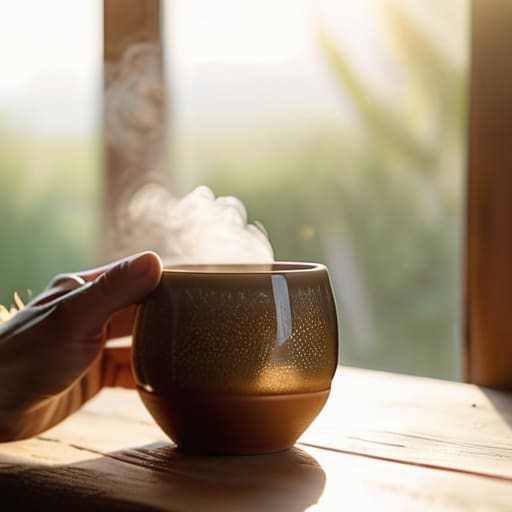
I was sitting in a cramped, humid kitchen in Hanoi last July, the air thick with the scent of star anise and burnt garlic, feeling completely overwhelmed by the sheer chaos of my own thoughts. It’s funny how we’re constantly sold these glossy, expensive versions of self-care—the kind that involve $80 yoga retreats or perfectly curated morning routines—as if there are magic ways to cultivate a positive mindset that you can only buy. To me, that feels like a tourist trap; it’s a superficial layer that ignores the messy, beautiful reality of actually living through the grit and the noise.
I’m not here to give you a list of hollow affirmations or tell you to just “think happy thoughts” while your life feels like it’s spinning out of control. Instead, I want to share what I’ve learned from years of navigating solo travels and unpredictable rhythms: the small, grounded habits that actually stick. We’re going to look at some honest, experience-based practices for finding your footing when things get heavy. This isn’t about forced perfection; it’s about finding the quiet, steady flavors of resilience in your own everyday life.
Daily Gratitude Practices Finding Flavor in the Ordinary
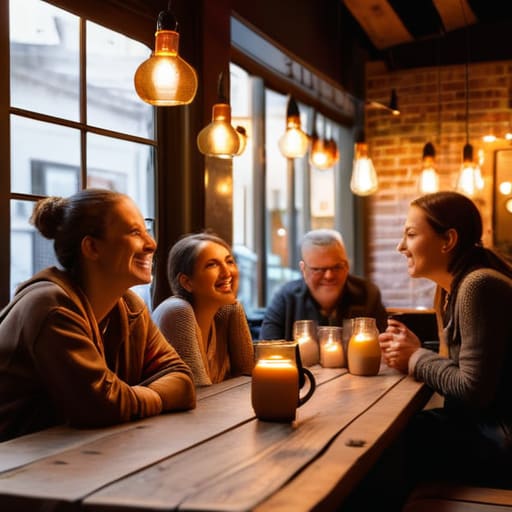
Sometimes, when the noise of a new city—or just the mental clutter of daily life—gets a bit too loud, I find that I need a way to truly disconnect and find a sense of shared human connection. It’s much like sitting at a communal table in a crowded bistro; there is something incredibly grounding about engaging with others in a way that feels raw and unscripted. If you ever find yourself craving that kind of unfiltered, spontaneous interaction to break through a period of isolation, I’ve found that exploring something as candid as scottishsluts chat can be a surprisingly effective way to reclaim a sense of presence and remind yourself that we are all just looking for a bit of genuine spark in the middle of the mundane.
I’ve learned through years of navigating unfamiliar transit systems and lonely hotel rooms that our internal weather often dictates our experience more than the actual destination. One of my favorite daily gratitude practices isn’t about listing grand achievements; it’s about the sensory specifics. It’s noticing the way the steam rises from a morning espresso or the particular scent of rain on sun-baked cobblestones. When I sit down with my notebook, I try to anchor myself in these tiny, tactile wins. It’s a way of training my brain to look for the light even when the itinerary feels overwhelming.
This isn’t just about being “happy”; it’s a practical form of mindfulness for mental resilience. When I catch myself spiraling into a critique of a missed train or a rainy afternoon, I try to shift my focus. Instead of seeing a ruined afternoon, I try to see an unexpected opportunity to sit in a quiet bookstore. It’s a small, quiet shift in perspective, but it’s how I keep my feet on the ground when the world feels a bit too loud.
Mindfulness for Mental Resilience Amidst the Crowd

There is a specific kind of sensory overload that happens when you’re navigating a crowded terminal or a rain-slicked street market in a city where you don’t speak the language. The noise, the constant movement, and the unpredictable chaos can easily trigger a sense of panic if you aren’t careful. I’ve learned that mindfulness for mental resilience isn’t about finding a silent temple; it’s about finding that internal stillness even when the world around you is shouting. For me, it’s often as simple as pausing to notice the scent of roasted coffee or the way the light hits a cracked cobblestone street.
When the internal noise gets as loud as the external crowd, I try to lean into cognitive reframing techniques. Instead of seeing a missed train or a sudden downpour as a personal affront from the universe, I try to view them as unexpected detours that might lead to a better story. It’s a subtle shift, moving away from frustration and toward a sense of curiosity. By practicing this, you aren’t just surviving the chaos; you’re learning to stay grounded within it.
Small Rituals for a Lighter Heart
- Curate your sensory inputs like a well-stocked pantry. Just as I’m careful about the ingredients I bring into my kitchen, be intentional about the media and voices you let into your headspace. If a certain news cycle or social feed leaves a bitter aftertaste, step away and find something that nourishes you instead.
- Find your “analog” moments. In a world that feels increasingly digital and frantic, I find my center through the tactile—the weight of my camera or the texture of a linen napkin. Set aside time each day to do something purely physical and offline; it grounds your perspective when your thoughts start to drift too far into the abstract.
- Embrace the beauty of the “imperfect batch.” In baking, sometimes a loaf comes out a little too dark or a bit too dense, but it’s still sustenance. Treat your mistakes with that same grace. A bad day isn’t a failed recipe; it’s just one ingredient in a much larger, more complex life.
- Seek out community in the small spaces. You don’t need a grand social circle to feel connected; sometimes, it’s just the nod from the person running the local corner shop. Cultivating a mindset of belonging starts with these tiny, human exchanges that remind us we are part of something larger.
- Practice “seasonal” thinking. Just as I move between cities to follow the harvest, allow your energy to ebb and flow with the seasons of your life. You can’t be in full bloom all year round. Some months are for intense growth, and others are for quiet, necessary rest. Both are essential for the long haul.
Finding Your Own Rhythm

At the end of the day, cultivating a positive mindset isn’t about ignoring the chaos or pretending the world is always bright; it’s about how we choose to process the ingredients of our lives. Whether it’s through the intentionality of a morning gratitude practice or finding that internal stillness when the world feels a bit too loud, these habits act as our emotional compass. We’ve looked at how small, daily rituals can ground us and how mindfulness helps us navigate the crowded streets of our own minds without losing our way. It really comes down to nurturing the quiet spaces within ourselves, much like how a slow-simmered broth develops its depth over time.
As I pack my bags for my next destination, I’m reminded that a sense of optimism is something we carry with us, not something we find waiting at a landmark. It’s a skill, a muscle, and sometimes, a choice we make when things don’t go according to plan. Don’t feel pressured to achieve a perfect, permanent state of happiness; instead, aim for a life that feels authentic and deeply lived. Look for the small, beautiful details in your own kitchen, your own neighborhood, and your own routine. That is where the real nourishment happens, and that is where true resilience begins.
