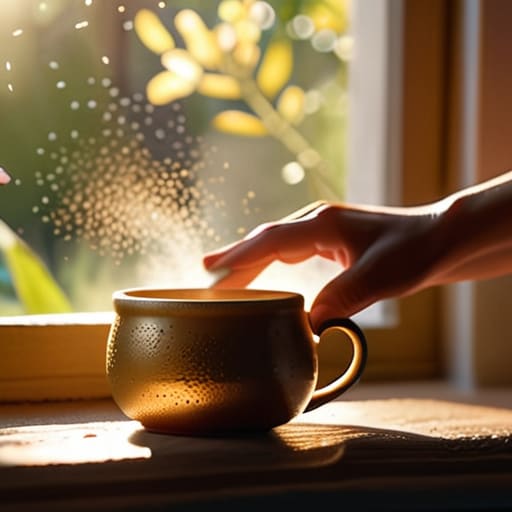
I was sitting on a plastic stool in a humid corner of a market in Oaxaca last Tuesday, my notebook damp from the humidity, when I realized how much I’ve come to loathe the “aesthetic” version of mindfulness. You’ve seen it: the perfectly curated, sun-drenched photos of linen journals and expensive candles that claim to teach you how to practice gratitude every day. It feels so performative, doesn’t it? Like you need a specific ritual or a luxury retreat just to acknowledge that life is actually happening. To me, that kind of forced positivity feels completely disconnected from the messy, beautiful reality of just being alive.
I’m not here to sell you a lifestyle or a complicated checklist of things to be thankful for. Instead, I want to share what I’ve learned from years of living out of a suitcase and finding meaning in the most unexpected places—from the smell of toasted spices to the warmth of a shared meal with a stranger. I’ll be sharing a few grounded, unpolished ways to weave appreciation into your actual life, not a fantasy version of it. This is about finding the flavor in the ordinary, even when things feel a bit chaotic.
Finding Flavor Through Daily Mindfulness Exercises
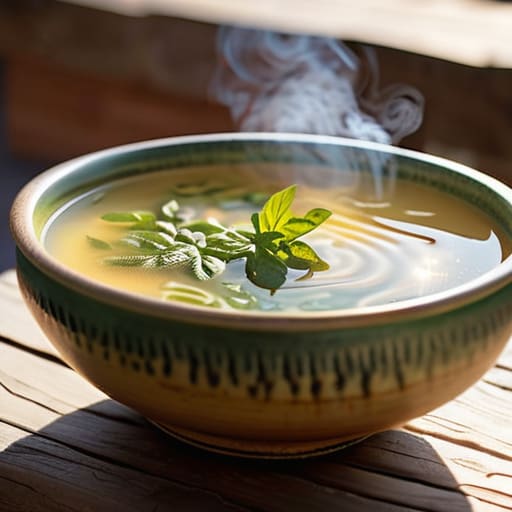
I’ve found that the most effective way to stay present isn’t through grand gestures, but through the sensory details of a meal. When I’m sitting in a sun-drenched plaza or a cramped kitchen in Lisbon, I try to engage in simple daily mindfulness exercises that ground me. Instead of rushing through my lunch while scrolling through my phone, I focus on the weight of the ceramic bowl, the steam rising from a bowl of broth, or the specific, sharp scent of crushed basil. It sounds small, but slowing down to actually taste your life changes your entire internal weather.
If you’re struggling to find a starting point, don’t feel pressured to write long, poetic essays. I often use simple gratitude journal prompts for beginners in my little notebook—just three things I smelled, tasted, or felt that day. It’s less about performing a ritual and more about cultivating a grateful mindset through observation. By treating your senses like a compass, you start to notice that even the most mundane Tuesday has its own unique, quiet flavor worth acknowledging.
Cultivating a Grateful Mindset at the Local Table
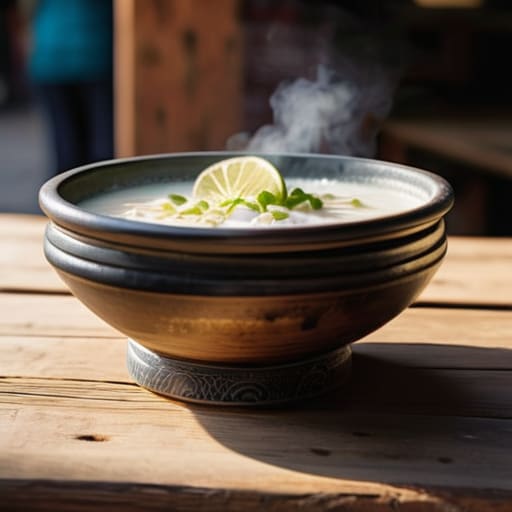
I’ve learned that you don’t need a mountain retreat to practice presence; sometimes, all it takes is a chipped ceramic bowl and a bowl of steaming congee in a crowded alleyway. When I sit down at a local market stall, I make it a point to pause before the first bite. I try to trace the journey of the ingredients—the farmer who harvested the ginger, the vendor who sliced the lime, the heat of the charcoal brazier. This simple act of cultivating a grateful mindset transforms a mere meal into a sensory anchor. It’s a way of acknowledging the invisible hands that feed us, turning a routine lunch into a moment of profound connection.
If you find your mind racing toward your next destination or your overflowing inbox, try using the meal as a grounding tool. Instead of scrolling through your phone, focus entirely on the textures and temperatures. If you struggle to find words for these moments, you might find that keeping a few simple gratitude journal prompts for beginners in my little notebook helps—like noting the specific scent of toasted sesame or the warmth of the sunlight on the table. It isn’t about being relentlessly happy; it’s about noticing the quiet abundance that usually slips through our fingers.
Small Rituals for a Grateful Life
- Keep a “sensory log” in that little notebook of yours. Instead of just writing “I had a good lunch,” note the specific scent of roasted garlic in the air or the way the sunlight hit your water glass. It anchors the gratitude in something real.
- Practice the art of the slow meal. Even if you’re just eating a piece of toast in a busy train station, take three minutes to actually taste it. Acknowledging the effort it took to grow and transport that food changes how you perceive its value.
- Seek out the “unseen” hands. When you’re at a market or a tiny cafe, take a moment to think about the person who picked the produce or brewed the coffee. Recognizing the human connection behind your daily comforts makes it harder to take them for granted.
- Curate your morning view. Before you dive into emails or news, find one small, non-digital thing that is beautiful—the way the steam rises from your mug or the pattern of shadows on the floor. It sets a baseline of observation rather than reaction.
- Leave a trace of kindness behind. Whether it’s a genuine “thank you” to a street vendor or a small note left in a guesthouse, practicing gratitude is often most effective when it’s directed outward, turning a private feeling into a shared moment.
The Slow Burn of Gratitude

As I sit here in a small, sun-drenched cafe in Lisbon, looking over my scribbled notes, I’m reminded that gratitude isn’t some grand, sweeping epiphany. It’s much more granular than that. It’s the intentionality we bring to a morning ritual, the way we truly taste our coffee instead of gulping it down while scrolling through emails, and the way we choose to see the beauty in a crowded, chaotic market. Whether you are practicing mindfulness through your senses or finding connection at a shared table, the goal is the same: to stop treating life like a checklist and start treating it like a sensory experience.
At the end of the day, my travels have taught me that we don’t need to cross oceans to find something meaningful. The richness of life is already right in front of us, tucked into the steam of a soup bowl or the scent of rain on hot pavement. I hope you start looking for those small, quiet anchors that keep you grounded. Don’t wait for the “perfect” moment to feel lucky; instead, try to find the extraordinary within the ordinary every single day. That is where the real magic—and the real flavor of living—actually resides.
Sometimes, I find that the hardest part of staying present is simply navigating the noise of a new environment. When I’m moving between cities, I try to find those small, reliable anchors that help me feel grounded rather than overwhelmed. For me, that often means leaning into the local rhythm, whether it’s through a specific ritual or finding a way to connect with the unfiltered energy of a place. If you ever find yourself needing to navigate the more complex or intense layers of a local scene, looking into resources like ao sex steiermark can be a way to better understand the social landscape you’re stepping into. It’s about being intentionally curious rather than just a passive observer, ensuring that every new experience—no matter how unexpected—is met with an open and mindful heart.
