Author: Anouk Verhoeven

  • Visiting the Major Capitals of Europe

    Visiting the Major Capitals of Europe

    I was sitting in a cramped, overpriced café near a major landmark last spring, watching a group of tourists fight over a mediocre, lukewarm croissant, when it hit me. We’ve been sold this lie that the only way to experience the capitals of europe is by checking off a list of famous monuments and paying twenty euros for a mediocre meal in a pedestrian zone. It’s exhausting. Most travel guides treat these cities like museums to be stared at through glass, rather than living, breathing ecosystems of flavor and community.

    I’m not here to give you a curated list of “must-see” sights that you could find on any glossy brochure. Instead, I want to take you into the back alleys and the steam-filled kitchens where the real pulse of these cities resides. My promise to you is simple: we are going to bypass the tourist traps and find the soul of the capitals of europe through their markets, their seasonal ingredients, and their smallest, most honest eateries. This is about finding the connection between a place and the way it feeds you.

    Table of Contents

    Savoring History Through the Larder of Cultural Hubs of Europe

    Savoring History Through the Larder of Cultural Hubs of Europe

    When I walk through the cobblestone streets of cities like Lisbon or Athens, I’m rarely looking up at the marble columns first. Instead, my eyes are drawn to the weathered wooden doors of the neighborhood bakeries or the way the scent of roasting spices drifts from a narrow alleyway. To me, these cultural hubs of Europe aren’t just collections of museums; they are living, breathing archives of flavor. You can trace the movement of empires and the migration of people simply by tasting the salt in a crusty loaf or the specific heat of a local stew.

    While most people flock to the major monuments when planning their trips, I find that the real soul of these must-visit European cities is tucked away in a larder. There is a profound, quiet connection between the preservation of a recipe and the preservation of a heritage. Whether it’s the heavy, comforting scent of a Budapest market or the sharp brine of a Mediterranean olive, these tastes act as a bridge. They connect the grand scale of history to the intimate, everyday reality of the people who call these places home.

    Finding Quiet Moments Amidst Grand European History and Architecture

    Finding Quiet Moments Amidst Grand European History and Architecture

    It’s easy to get lost in the sheer scale of it all—the towering cathedrals and the sprawling plazas that define so many of the top European travel destinations. When you’re standing in the shadow of something built five hundred years ago, it’s tempting to just stare upward and check off a box on your itinerary. But I’ve learned that the real magic happens when you finally turn your back on the monument. I find myself seeking out those small, sun-drenched courtyards or a quiet bench near a neighborhood bakery, where the rush of the metropolitan area finally fades into a hum.

    There is a specific kind of peace found in the gaps between the landmarks. While most people are queuing for hours to see a masterpiece, I’d rather be sitting in a corner cafe, watching the light shift across a cobblestone street. To me, these stolen moments of stillness are what actually make a city feel alive. It’s in these quiet pockets—away from the heavy weight of European history and architecture—that you actually begin to breathe with the place, rather than just observing it from behind a camera lens.

    How to Navigate the Capitals Without Losing Your Soul

    • Follow your nose, not your GPS. The best way to find the heartbeat of a city like Lisbon or Budapest isn’t by following a digital map toward a landmark, but by drifting toward the scent of toasted spices or roasting coffee in a narrow alleyway.
    • Embrace the art of the slow morning. Instead of rushing to a museum by 9:00 AM, find a small, neighborhood café where the locals linger over a single espresso. Watch how they interact; it’s the most honest way to observe the city’s true rhythm.
    • Learn the language of the market. When you visit a capital’s central market, don’t just shop—listen. The way vendors call out their daily specials or debate the quality of a seasonal peach tells you more about the local culture than any guidebook ever could.
    • Pack for movement, not for photos. I’ve learned the hard way that a heavy suitcase is the enemy of discovery. Stick to a minimalist, functional kit so you can easily hop on a local tram or wander through a cobblestone district without feeling weighed down.
    • Seek out the “in-between” spaces. The real magic of Europe isn’t found in the grand squares, but in the quiet courtyards and the tiny, steam-filled bistros tucked behind the main boulevards. That’s where the real stories are being told.

    The Real Heart of the City

    Skip the polished guidebooks and the monuments that look better on Instagram than they do in person; the true soul of a European capital is found in the steam of a neighborhood kitchen or the grit of a morning market.

    Travel isn’t about checking off a list of landmarks, but about slowing down enough to notice the small, sensory details—the smell of roasting spices or the way the light hits a cobblestone alley—that make a place feel alive.

    To truly understand a culture, you have to eat like a local, seeking out the small cafes and family-run stalls where the real stories of a city are being told, one plate at a time.

    The Pulse of the City

    “You can trace the outlines of a capital city by its monuments, but you can only feel its heartbeat when you’re sitting on a mismatched stool in a back-alley kitchen, breathing in the steam of a recipe that hasn’t changed in a hundred years.”

    Anouk Verhoeven

    Beyond the Map

    Sensory travel experiences beyond the map.

    As I sit here in a small cafe, flipping through my notebook of scents and sketches, I realize that these European capitals are far more than just coordinates on a map or a checklist of museums. We’ve looked at how the grand architecture provides a backdrop, but it is the sensory details—the heavy scent of roasting coffee in Vienna, the salt air hitting a port city, or the shared ritual of a mid-day meal in a crowded plaza—that actually hold the history. To truly understand these hubs, you have to look past the marble facades and find the heartbeat of the local kitchen, where culture isn’t just preserved in a glass case, but lived every single day.

    My advice for your next journey is simple: leave room for the unplanned. Don’t feel like you have to conquer every landmark before the sun sets. Instead, allow yourself to get a little lost in a side street or spend an extra hour watching the world go by from a corner bistro. The most profound connections rarely happen at the top of a monument; they happen in the quiet, unscripted moments between the sights. Travel isn’t about how much you see, but about how deeply you allow yourself to feel the rhythm of a place. Happy wandering.

    Frequently Asked Questions

    Which European capitals offer the most authentic street food scenes without the overwhelming crowds of the major tourist hubs?

    If you want to escape the shoulder-to-shoulder crowds of London or Paris, head toward Lisbon or Budapest. In Lisbon, the street food scene feels alive in the narrow alleys—think warm, salty custard tarts and grilled sardines. Budapest is equally soulful; the markets there offer a gritty, honest warmth. You aren’t fighting for a photo op; you’re just standing on a corner, notebook in hand, breathing in the scent of paprika and woodsmoke.

    How can I find those quiet, tucked-away local eateries that don't show up on the first page of a TripAdvisor search?

    Honestly, I’ve learned to put my phone away for that. If you want the real thing, follow the scent of charcoal or toasted spices, and look for the places with handwritten menus and no English signage. I usually look for a crowd of locals during lunch—not tourists—and then I just walk two blocks in the opposite direction. That’s usually where the magic is hidden, tucked behind a heavy wooden door.

    Are there specific seasonal markets in these cities that are worth planning a trip around?

    If you’re planning around a calendar, skip the permanent tourist markets and aim for the seasonal shifts. In Madrid, the spring truffle markets are transformative. If you’re in Paris, try to time a visit for the late-summer harvest when the produce stalls in the Marais are overflowing with heirloom tomatoes. For me, nothing beats the crisp, autumnal energy of the markets in Berlin; it’s when the root vegetables and forest mushrooms truly start to tell the story of the changing season.

  • Ways to Declutter Your Mental Space

    Ways to Declutter Your Mental Space

    I was sitting in a tiny, sun-drenched cafe in Oaxaca last month, trying to write, but my mind felt like a crowded street market at noon—too many voices, too much noise, and absolutely no room to breathe. I kept reaching for my notebook to capture the scent of toasted cacao, but I couldn’t even focus on the present moment because my brain was stuck in a loop of unread emails and half-finished thoughts. We’ve been told that mental decluttering requires expensive retreats or complex digital detoxes, but honestly, that feels like just more clutter added to the pile. Sometimes, the noise isn’t coming from the world around us; it’s the internal static that makes even the most beautiful view feel blurry.

    I’m not here to sell you a lifestyle overhaul or a complicated productivity system that requires a manual to understand. Instead, I want to share how I find my way back to center using the same principles I use when traveling: stripping away the excess to find the essential truth. I’ll be sharing a few grounded, no-nonsense ways to practice mental decluttering that actually work when you’re living a real, messy life. No hype, no fluff—just practical ways to clear the headspace so you can finally taste what’s right in front of you.

    Table of Contents

    Clearing the Countertop With Effective Brain Dump Exercises

    Clearing the Countertop With Effective Brain Dump Exercises

    When I’m staying in a tiny studio in Lisbon or a cramped hostel in Hanoi, the first thing I do to feel settled is clear my physical workspace. My brain works the same way. When my mind feels like a kitchen after a massive dinner service—sticky, crowded, and overwhelming—I turn to brain dump exercises to find some breathing room. I grab my notebook and just start writing. I don’t worry about grammar or making sense; I just offload every nagging thought, from “buy more film” to “email the editor,” onto the page.

    This isn’t just about making a to-do list; it’s a vital form of cognitive load reduction techniques that prevents that paralyzed feeling when you have too much on your plate. By externalizing the chaos, you stop using your precious mental energy just to remember things, which is a huge step toward reducing decision fatigue. Once the ink is on the paper, the noise in my head finally starts to settle, leaving me with the space to actually focus on the meal in front of me or the city unfolding outside my window.

    Mindfulness for Mental Clarity in a Crowded World

    Mindfulness for Mental Clarity in a Crowded World

    I’ve found that my best ideas rarely come when I’m staring at a screen, trying to force a breakthrough. Instead, they arrive when I’m sitting in a quiet corner of a bustling market, just watching the steam rise from a bowl of broth. It’s a form of mindfulness for mental clarity that doesn’t require a meditation cushion—just a willingness to be still. When we constantly react to every ping on our phones, we’re essentially trying to cook a complex meal in a kitchen where the burners are constantly being turned on and off by strangers. It’s exhausting.

    To truly find focus, we have to practice reducing decision fatigue by narrowing our lens. In my travels, I’ve learned that you don’t need to see every monument to understand a city; you just need to notice the small, consistent details. Applying this to our own minds means intentionally choosing what to ignore. By filtering out the non-essential noise, we aren’t just being productive; we are improving mental bandwidth so we actually have the capacity to savor the life we’re working so hard to build.

    Small Rituals for a Lighter Mind

    • Curate your digital kitchen. Just as I’d never keep expired spices in my pantry, I’ve learned to ruthlessly unfollow accounts that leave me feeling cluttered or inadequate. If a notification doesn’t nourish you, let it go.
    • The ‘Single-Tasking’ Simmer. We often try to boil five different pots at once, and eventually, something burns. I try to practice doing just one thing—whether it’s brewing a pour-over or writing a paragraph—with my full, undivided attention.
    • Seasonal Mental Shifts. I move cities with the ingredients, and I try to move my habits with the seasons. In high-stress months, I simplify my schedule; in quieter times, I allow more room for wandering and exploration.
    • Sensory Grounding. When my head feels too loud, I lean into my notebook. I stop and find three distinct scents—the damp pavement, roasted coffee, or salt air—to pull myself out of my thoughts and back into my body.
    • Set a ‘Closing Time’ for your brain. Every kitchen eventually shuts down for the night. I’ve started implementing a mental “lights out” ritual where I write down tomorrow’s worries so they don’t follow me into my sleep.

    The Recipe for a Lighter Mind

    Treat your brain like a cluttered kitchen counter; you can’t prepare anything meaningful until you’ve cleared away the scraps and the leftover mental noise.

    Don’t aim for perfection or a completely empty schedule, but rather for the ability to notice the small, quiet moments that actually make up a life.

    Use regular “brain dumps” as a way to sort through your mental ingredients, separating the things that truly nourish you from the distractions that are just taking up space.

    Making Room for the Flavor

    You can’t truly taste the spices in a new market if your mind is still stuck on a grocery list from three cities ago; mental decluttering isn’t about erasing your thoughts, it’s about clearing the table so you can actually sit down to the meal.

    Anouk Verhoeven

    Finding Your Rhythm Again

    Finding Your Rhythm Again through mindfulness.

    At the end of the day, mental decluttering isn’t about achieving some impossible state of perfect, sterile emptiness. It’s about the practical work we discussed—using brain dumps to offload the heavy lifting and practicing mindfulness to stay anchored when the world feels too loud. Just as I’ve learned that a kitchen only functions well when the prep work is done and the surfaces are wiped clean, your mind needs that same intentional maintenance. By clearing away the mental debris of unfinished tasks and constant digital noise, you aren’t just becoming more productive; you are making room to actually experience the life you are living instead of just managing it.

    I think back to the small, quiet markets I’ve visited in remote coastal towns, where the locals don’t rush through their morning rituals. They move with a sense of presence that I find myself craving more and more in our frantic, modern lives. My hope for you is that you find your own version of that stillness. Don’t feel like you have to clear the entire room at once; just start by sweeping away one small corner of the chaos. When you finally quiet the mental chatter, you might be surprised by the beautiful, subtle flavors of your own existence that you’ve been too distracted to taste.

    Frequently Asked Questions

    How do I know when my brain dump is actually finished and I'm not just spiraling into more overthinking?

    You’ll know you’ve hit the mark when the frantic energy shifts into a quiet sort of exhaustion. It’s like the moment after a heavy rain when the air finally settles. If you find yourself looping over the same three anxieties or nitpicking the handwriting in your notebook, stop. You aren’t solving anything anymore; you’re just rearranging the clutter. When the list feels heavy but still, close the book and go make some tea.

    Is there a way to practice this kind of mental decluttering when I'm in the middle of a busy travel day or a loud market?

    Honestly, I do this all the time. When I’m navigating a chaotic market in Marrakech or a frantic train station, I use “sensory anchoring.” I stop for just thirty seconds and pick one specific scent—maybe it’s toasted cumin or rain on hot pavement—and focus entirely on it. It’s like a micro-reset. It pulls me out of the mental spiral of my to-do list and drops me right back into the present moment.

    How can I tell the difference between productive mental clearing and just avoiding the tasks I actually need to do?

    It’s a fine line, isn’t it? I call it the difference between prepping your ingredients and just staring at the recipe. Productive clearing feels like cleaning your workspace so you can actually cook—you feel lighter and ready to start. Avoidance, though, feels heavy. If you’re “organizing” your planner for three hours just to avoid that one difficult email, you aren’t decluttering; you’re just rearranging the clutter to stay comfortable.

  • Choosing the Best Cheeses for Pairings

    Choosing the Best Cheeses for Pairings

    I was sitting in a tiny, dimly lit cellar in the Jura mountains last autumn, the kind of place where the air smells of damp stone and aging rind, when I realized how much we’ve overcomplicated things. A local producer was showing me his collection, and I realized that most “expert” guides online are just selling you a lifestyle you can’t actually taste. They make it seem like you need a sommelier and a degree to find the best cheeses for pairing, but that’s just noise. In reality, the most profound connections happen when you stop following rigid rules and start listening to the vibe of the ingredients themselves.

    I’m not here to give you a list of overpriced, pretentious combinations that only look good on a marble countertop. Instead, I want to share what I’ve learned from years of wandering through crowded markets and small-town creameries: how to actually match flavors based on their soul. I’ll walk you through the honest, unfiltered combinations that actually work, focusing on texture, acidity, and the way a simple piece of fruit can transform a wedge of blue. Let’s get past the hype and find what actually tastes like home.

    Table of Contents

    Mastering the Art of Cheese and Wine Flavor Profiles

    Mastering the Art of Cheese and Wine Flavor Profiles

    When I first started traveling through the rural hills of France, I realized that pairing isn’t about following a rigid textbook; it’s about listening to the food. If you want to get serious about cheese and wine flavor profiles, you have to stop thinking in terms of “rules” and start thinking in terms of weight. A delicate, creamy Brie shouldn’t be drowned out by a heavy, oaky Cabernet. Instead, try letting a crisp, acidic white lift those buttery notes. It’s a delicate dance between the fat of the milk and the structure of the grape.

    I’ve learned that the most successful pairings often come from understanding the tension between soft vs hard cheese pairings. A sharp, aged Manchego demands something with enough backbone to stand up to its saltiness, whereas a runny, triple-cream cheese needs a partner that provides a refreshing contrast. It’s less about a perfect match and more about finding a balance that keeps your palate awake. Once you start noticing how a bit of acidity can cut through a rich rind, you’ll never look at a simple snack the same way again.

    A Gourmet Cheese Tasting Guide for Local Markets

    A Gourmet Cheese Tasting Guide for Local Markets

    When I wander through a local market, I’m not looking for the pre-packaged, vacuum-sealed blocks that sit on supermarket shelves. I’m looking for the vendor whose hands are stained from handling rinds and who can tell you exactly which hillside the goats grazed on this morning. To build a real gourmet cheese tasting guide from the ground up, you have to embrace the chaos of the stalls. Start by asking for small samples—don’t be shy. I always look for that specific tension between textures; a creamy, weeping Brie paired against a crystalline, aged Manchego creates a sensory map of the region that no recipe book can replicate.

    Once you’ve gathered your finds, the magic happens in how you balance them. Instead of overcomplicating things, think about complementary snack pairings that respect the cheese’s integrity. A handful of Marcona almonds or a drizzle of wildflower honey can bridge the gap between a sharp blue and a mild goat cheese. If you’re putting something together for friends, skip the rigid rules and focus on the story: how the saltiness of a cured meat cuts through a rich triple-cream, making the whole experience feel less like a meal and more like a conversation.

    Small Gestures for a Better Board

    • Stop overthinking the “rules.” If you’re standing in a market in Provence and a vendor tells you a goat cheese screams for a crisp Rosé, trust them. Those local intuitions are built on centuries of eating together; they know the balance better than any textbook.
    • Texture is your secret weapon. I always try to build a spread that moves from creamy to crumbly. A silky Brie is lovely, but it needs the resistance of an aged, crystalline Manchego to keep your palate from getting bored.
    • Don’t fear the “funky” stuff. If you’re pairing something with a heavy, bold red, reach for a washed-rind cheese that smells a bit intimidating. The saltiness and the funk act like a bridge, cutting through the tannins so you don’t end up with a mouth full of acid.
    • Think beyond the grape. Sometimes the best pairing isn’t a wine at all, but a bit of acidity or sweetness from the world around us. A dollop of bitter honey or a few slices of tart, seasonal apple can wake up a dense blue cheese in a way a drink never could.
    • Temperature is everything. I’ve seen so many beautiful spreads ruined because the cheese was straight from the fridge. Take it out at least an hour before you eat. You want the fats to soften and the aromas to actually reach your nose—that’s where the real story is.

    Bringing the Market Home

    Stop looking for the perfect label and start looking for the story; a cheese’s character is often found in the hands of the person selling it and the season it was made.

    Trust your senses over a guidebook, because the most memorable pairings happen when you let the acidity of a local wine meet the specific saltiness of a hand-crafted rind.

    Keep your pairings simple and intentional—sometimes a single, exceptional wedge of local cheese and a crusty loaf of bread tell a more honest story than any elaborate platter ever could.

    Beyond the Pairing Charts

    Stop looking for a rulebook that tells you which grape goes with which rind; instead, listen to the landscape. A sharp, salty sheep’s milk cheese doesn’t just need a wine—it needs something that echoes the ruggedness of the hills where it was made.

    Anouk Verhoeven

    Beyond the Board

    Mastering cheese pairings Beyond the Board.

    At the end of the day, mastering cheese pairings isn’t about memorizing a rigid set of rules or following a textbook. It’s about understanding how a sharp, crystalline aged cheddar can cut through the weight of a bold red, or how a creamy, bloomy rind finds its perfect partner in a crisp, effervescent white. Whether you are navigating the chaotic energy of a local market to find that one specific wedge of Pecorino or simply experimenting in your own kitchen, the goal is to find a balance of textures and acidity. Remember that the most successful pairings happen when you stop worrying about what is “correct” and start listening to what your palate is actually telling you.

    As I pack my notebook and move on to my next destination, I’m reminded that food is never just fuel; it is a map of a place’s history and soul. The next time you find yourself with a beautiful cheese in hand, don’t just eat it—experience it. Slow down, find a quiet corner, and let the flavors tell you a story about the soil, the animals, and the hands that made it. Traveling through flavor is one of the most intimate ways we can connect with the world, one small, delicious bite at a time.

    Frequently Asked Questions

    How do I know if a cheese is too strong for the wine I've already opened?

    Honestly, the best way to tell is to stop overthinking it and just trust your palate. Take a bite of the cheese, let it sit on your tongue for a second, and then sip the wine. If the wine suddenly tastes like sour water or disappears entirely, the cheese has won the fight. It’s not a failure; it just means you need a bolder bottle or a milder wedge to find that balance.

    Are there specific seasonal cheeses I should look for if I'm shopping at a local market?

    Honestly, the best way to shop is to follow the seasons, just like you would with produce. In the spring, look for fresh, milky goat cheeses or young sheep’s milk varieties—they capture that brightness of the new pastures. As summer hits, aim for harder, saltier cheeses that stand up to the heat. When autumn rolls around, hunt for those nutty, aged wheels. If the vendor mentions “new milk,” grab it. That’s where the magic is.

    What are some simple, non-fussy accompaniments that won't overpower the flavor of the cheese?

    Honestly, I’ve always felt that the more you do, the more you hide the cheese. If you’re sitting in a small plaza with a wedge of something good, skip the elaborate charcuterie boards. Just grab some slices of crisp, tart apple or a handful of Marcona almonds. Even a drizzle of local honey or a few pieces of crusty, sourdough bread does the trick. You want to frame the flavor, not bury it.

  • Choosing the Right Rugs for Your Home

    Choosing the Right Rugs for Your Home

    I remember sitting on the floor of a tiny, sun-drenched apartment in Marrakech, my fingers tracing the coarse, honest wool of a hand-knotted Berber piece. There was no showroom lighting or polished marketing fluff there—just the smell of cedarwood and the tactile reality of something made to last. It made me realize how much we get wrong about rug selection in our rush to follow fleeting interior design trends. We’ve been conditioned to believe that a rug has to be a high-priced status symbol or a perfectly matched centerpiece, but that’s a hollow way to build a home.

    I’m not here to sell you on expensive labels or tell you that your space is “incomplete” without a specific brand. Instead, I want to share what I’ve learned from years of wandering through local markets and living out of a suitcase: how to find pieces that actually hold a story. This guide is my personal, no-nonsense approach to rug selection, focusing on texture, durability, and soul. I’ll help you cut through the retail noise so you can choose something that feels less like a purchase and more like a discovery.

    Table of Contents

    Natural vs Synthetic Fibers Choosing the Life Within the Threads

    Natural vs Synthetic Fibers Choosing the Life Within the Threads

    When I was working in museums, I spent hours studying the way light hits different textiles. There is a profound, almost tactile difference between a piece made from the earth and one made in a lab. When you are weighing natural vs synthetic fibers, you aren’t just looking at a price tag; you are deciding on the energy of your space. Wool, jute, or silk carry a certain unpredictable warmth—they age with a grace that mimics a well-traveled life. They breathe, they settle, and they tell a story through their slight imperfections.

    On the other hand, synthetic options like polypropylene offer a different kind of utility. They are the workhorses of the home, often chosen for their sheer rug material durability in high-traffic areas where spills are an inevitability rather than an accident. While they might lack the soulful depth of a hand-knotted wool piece, they provide a reliable, easy-to-clean canvas. I find that the choice usually comes down to how you intend to live: do you want a piece that evolves alongside you, or something that simply stands up to the chaos of daily life?

    Rug Pile Height Guide Softness for Quiet Everyday Moments

    Rug Pile Height Guide Softness for Quiet Everyday Moments

    When I’m setting up a temporary workspace in a new city, the first thing I notice is how a room sounds. A bare floor echoes, making a space feel hollow and transient. This is where the texture of your floor changes everything. If you’re looking for a sense of stillness, a high-pile rug acts like a sound dampener, absorbing the frantic energy of a busy street outside. It’s that plush, sinking feeling under your feet that makes a room feel grounded and permanent, even if you’re just passing through.

    However, there is a practical side to this softness. While a thick, shaggy texture is incredibly inviting for a quiet reading nook, it can be a nightmare to maintain if you’re living a high-traffic lifestyle. In my experience, finding the right balance in a rug pile height guide means considering how much “life” happens on that surface. For a high-traffic hallway, a low, dense pile is much more resilient. If you’re choosing rug size for living room layouts where kids or pets are constantly roaming, a medium pile often provides that perfect middle ground—soft enough for a moment of rest, but sturdy enough to handle the daily ebb and flow.

    More Than Just Floor Cover: Five Ways to Find the Right Fit

    • Consider the rhythm of your room. If you’re looking for a space to linger over morning coffee or read a book, go for something with a bit more substance. If it’s a high-traffic hallway where people are constantly rushing through, stick to something low-profile and resilient that won’t trip you up.
    • Don’t just look at the pattern; feel the weight of the story. A rug that’s too small can make a room feel disjointed and nervous. I always say to size up—you want the furniture to feel anchored, like it has a permanent home on that piece of textile, rather than just sitting on top of it.
    • Pay attention to the light. I’ve learned the hard way that a rug that looks warm and earthy in a bright shop can turn cold and muddy in a dimly lit living room. Take a sample or a photo home and watch how the colors shift from the morning sun to the soft glow of a lamp at night.
    • Think about the “life” of the rug. If you have pets or kids who treat the floor like a playground, prioritize durability over delicate perfection. A rug that can handle a bit of spilled tea or a stray muddy paw print is much more valuable than a beautiful piece you’re too afraid to actually live on.
    • Look for the imperfections. Much like a hand-pressed coffee or a weathered market stall, a rug with slight variations in weave or color often holds more soul than something perfectly, unnervingly uniform. Those little “flaws” are usually the signs of a piece that was actually made by human hands.

    Finding the Heart of Your Space

    Look beyond the pattern and feel the material; choosing natural fibers like wool or jute isn’t just an aesthetic choice, it’s about bringing an organic, living energy into your home.

    Match the pile height to the rhythm of your room, selecting low-pile for high-traffic areas where life happens quickly, and deeper, softer textures for the quiet corners where you actually want to linger.

    Remember that a rug is an anchor for your daily rituals, so pick something that feels as intentional and grounded as the life you are building within your four walls.

    The Texture of Home

    Selecting a rug isn’t about matching a color swatch to a wall; it’s about choosing the tactile foundation of your daily life—the piece that grounds a room and holds the quiet weight of every step you take.

    Anouk Verhoeven

    Bringing the Story Home

    Bringing the Story Home with intentional rugs.

    Choosing the right rug is rarely just about matching a color swatch to your paint; it’s about understanding how a piece will live within your space. We’ve looked at how the fibers you choose—whether the honest, breathing quality of natural wool or the resilient ease of synthetics—dictate the rug’s longevity and feel. We also considered how the pile height changes the very rhythm of a room, shifting from the low-profile practicality needed for high-traffic hallways to the plush, forgiving softness that invites you to sit on the floor and stay a while. When you balance these technical details with your own daily habits, you move past mere decoration and into the realm of intentional living.

    Ultimately, I’ve learned through my travels that the things we surround ourselves with should tell a story of where we have been and who we are becoming. A rug isn’t just a layer of fabric on a floor; it is the foundation for the quiet morning coffees, the late-night conversations, and the messy, beautiful reality of a life well-lived. Don’t settle for something that just fills a gap in the room. Instead, look for that piece that feels like it has already belonged there, waiting to catch the light and ground your home in something real.

    Frequently Asked Questions

    How do I choose a rug that can actually handle the chaos of a busy kitchen or a mudroom without losing its soul?

    The reality is that high-traffic spots like mudrooms or kitchens aren’t just floors; they’re the transition zones of our lives. To keep the soul of the piece without the stress, I lean toward flatweaves or low-pile wools. They’re sturdy enough to handle the grit of a rainy afternoon but still feel intentional. Avoid anything too shaggy—you want something that can be easily shaken out, letting the beauty remain even when life gets messy.

    Are there specific patterns or colors that help a small, cramped living space feel a bit more open and grounded?

    When I’m working from a tiny studio in Lisbon or a cramped flat in Berlin, I’ve learned that scale is everything. To keep a small room from feeling claustrophobic, I lean toward larger, more subtle patterns—think soft, organic lines rather than busy, high-contrast geometrics that “vibrate” against the eyes. Earthy, desaturated tones—terracotta, sage, or warm sand—help ground the space, making it feel like an extension of the landscape rather than something crowded into a corner.

    When I'm looking at vintage or secondhand rugs, what are the subtle signs that a piece is worth the investment versus just being worn out?

    When I’m hunting through dusty corners of secondhand markets, I look for “character” rather than perfection. A little fading from sunlight? That’s just a story. But I check the foundation—if the edges are fraying or the backing is crumbling, it’s likely past its prime. I look for a heavy, substantial feel and colors that still have a certain depth. If the wear feels intentional and rhythmic, it’s an heirloom; if it’s just falling apart, it’s just old.

  • Exploring Scottish Highlands Traditions and Folklore

    Exploring Scottish Highlands Traditions and Folklore

    The rain was coming down in sheets, blurring the line between the grey sky and the dark hills, but I didn’t care. I was huddled in a corner of a stone cottage near Ullapool, my notebook open, trying to capture the heavy, comforting scent of damp wool and toasted oats drifting from the hearth. Most people come to Scotland looking for the cinematic version of the Highlands—the sweeping, polished imagery you see on postcards—but they often miss the actual pulse of the place. To me, the true essence of scottish highlands traditions isn’t found in a staged museum display or a pricey tourist performance; it’s found in the quiet, rhythmic way a community gathers around a shared meal to ward off the mist.

    I’m not here to give you a checklist of things to see or a guide to the most expensive gift shops in Inverness. Instead, I want to take you into the kitchens and the small, wind-swept villages where these customs actually live. I promise to share the stories that don’t make it into the glossy brochures—the unfiltered, honest moments of connection that happen when you stop looking for a spectacle and start looking for the soul of the Highlands.

    Table of Contents

    Whispers of the Past Highland Clan History and Ancient Crests

    Whispers of the Past Highland Clan History and Ancient Crests

    I spent a rainy afternoon in a small, wood-paneled library near Glencoe, tracing my fingers over the faded ink of old family trees. There is something heavy in the air there—not just the dampness of the hills, but the weight of centuries of lineage. To understand the Highlands, you have to look past the sweeping landscapes and into the intricate web of tartan and clan crests that define who belongs to which glen. It isn’t just about a pattern of wool; it’s a visual language of survival and identity that has been passed down through generations.

    As I sat there, a local historian mentioned how even the smallest knot in a weave could signal a person’s entire history. This connection to the past is deeply woven into traditional Celtic folklore, where every mountain peak and loch seems to hold a memory of a specific family’s struggle or triumph. It’s a reminder that these hills aren’t just scenery; they are the living, breathing archives of a people who refused to be forgotten.

    The Rhythm of the Glens Bagpipe Musical Heritage and Folklore

    The Rhythm of the Glens Bagpipe Musical Heritage and Folklore.

    I remember standing on a windswept ridge near Glencoe, the air so damp it felt like it was clinging to my skin, when the first notes of a drone drifted up from the valley. It wasn’t the polished, cinematic music you hear in travel documentaries; it was raw, piercing, and strangely intimate. This bagpipe musical heritage isn’t just about performance; it’s a sonic map of the landscape itself. The sound seems to climb the crags, echoing the old stories that have lived in these glens for centuries.

    As I sat there, notebook in hand, I realized that the music acts as a bridge to the traditional Celtic folklore that still pulses through the Highlands. It’s a language of its own, one that carries the weight of both celebration and mourning. Whether it’s the thunderous cadence heard during the Scottish Highland Games or a solitary lament played in a quiet village square, the music feels less like a hobby and more like a heartbeat. It’s a constant, rhythmic reminder that even as the world changes, some echoes are too deep to ever truly fade.

    Beyond the Tartan: How to Truly Connect with Highland Traditions

    • Skip the gift shops in the main squares. If you want to understand the real weight of Highland history, find the small, family-run museums or local community centers where the stories aren’t polished for tourists, but kept alive by the people who actually live there.
    • Listen for the silence between the songs. When you hear bagpipes, don’t just listen to the melody; try to notice how the sound interacts with the landscape. In the glens, the music feels less like a performance and more like a conversation with the wind and the hills.
    • Look for the communal table. Highland culture is deeply rooted in the idea of sharing—whether it’s a bowl of hearty soup in a local cafe or a dram of whisky in a quiet pub. Don’t be afraid to sit at a communal table; that’s usually where the best stories (and the most honest history) are told.
    • Follow the scent of the hearth. Much of Highland tradition is tied to the land and the seasons. Pay attention to what’s being cooked in small village kitchens—the use of oats, local game, or smoked fish—as these ingredients are the edible map of their ancestral survival.
    • Respect the local pace. Traditions here aren’t rushed, and neither should your observation. Instead of checking off a list of landmarks, allow yourself the luxury of sitting still in a single glen or village for a few days. You’ll find that the culture reveals itself much more slowly, and much more beautifully, when you aren’t in a hurry.

    What the Highlands Taught Me

    Tradition isn’t just found in museums or history books; it lives in the small, sensory details, like the specific scent of peat smoke or the way a melody can change the energy of a room.

    To truly understand the Highland spirit, you have to look past the grand, sweeping legends and find the connection between the land, the people, and the rituals that keep them grounded.

    The real heart of Scotland isn’t found in a gift shop, but in the quiet moments of shared heritage—whether that’s through a song or the way a community gathers around a common history.

    More Than Just a Pattern

    You can see the history in the tartans, sure, but you really feel it when you’re sitting in a drafty stone cottage, watching how a single shared pot of porridge or a heavy dram of whisky acts as the invisible thread holding a community together.

    Anouk Verhoeven

    The Living Breath of the Highlands

    The Living Breath of the Highlands landscape.

    As I pack my notebook away, the echoes of the bagpipes still seem to linger in the crisp air, and the weight of clan history feels less like a textbook lesson and more like a living, breathing presence. We’ve traced the lines of ancient crests and felt the rhythmic pulse of music that has survived centuries of change. But more than the grand symbols or the loud melodies, it is the quiet persistence of these traditions—the way they anchor a person to their landscape—that truly defines the Highlands. It isn’t just about preserving the past; it’s about how those ancestral threads continue to weave themselves into the fabric of the modern day.

    If there is one thing I’ve learned from wandering these glens, it’s that you don’t find the soul of a place by checking items off a list. You find it when you stop rushing and start listening to the stories told in the silence between the hills. Whether it’s a shared meal by a peat fire or the way a local speaks of their kin, the real magic lies in the connection between the land and the people who call it home. So, when you find yourself here, don’t just look at the scenery—let it settle into you. Travel not to see, but to belong, even if only for a moment.

    Frequently Asked Questions

    Beyond the formal ceremonies, how do local families actually keep these clan traditions alive in their everyday lives?

    It’s rarely about the grand ceremonies for most people I meet. Instead, it’s in the small, unscripted things—like a grandmother teaching her grandson the specific way to fold a certain pattern of tartan, or the way a local pub feels more like a living room when the clan history is brought up over a dram. It’s tucked into the recipes passed down through generations and the quiet pride of knowing exactly which glen your name belongs to.

    Are there specific seasonal festivals or gatherings where I can experience the traditional music and folklore without it feeling like a staged performance for tourists?

    To find the real thing, you have to time your travels around the local ceilidhs and seasonal shifts. Instead of the big, polished festivals, look for village hall gatherings during Samhain or local Burns Night celebrations. I remember stumbling into a small community hall in Skye during a local feast; there was no stage, just fiddle players in the corner and people dancing until their feet ached. That’s where the folklore actually breathes.

    How has the modern Highland diet evolved from its traditional roots, and are there still small, local eateries serving authentic, old-world recipes?

    The diet has definitely shifted; you see more global influences in the bigger towns, but the soul of the Highlands remains in its rugged simplicity. While modern convenience has crept in, I still find magic in small, family-run bothies that prioritize local oats, venison, and whatever fish was pulled from the loch that morning. It’s less about fancy plating and more about that honest, heavy warmth that keeps the damp chill at bay.

  • Mastering Street Photography on the Road

    Mastering Street Photography on the Road

    The smell of roasted coffee and damp cobblestones always hits me before I even lift my Leica. Last Tuesday, tucked into a corner of a narrow alley in Marseille, I watched an elderly man meticulously peel an orange, his hands stained with juice and time. It wasn’t a “perfect” shot—the lighting was messy and a scooter was blurring past in the background—but it felt honest. That is the trap people fall into with street photography: they chase the cinematic, high-contrast perfection you see on polished Instagram feeds, forgetting that the real soul of a city is often found in the unscripted, slightly grainy, and beautifully imperfect moments.

    I’m not here to sell you on expensive lenses or complex technical manuals that make you feel like you need a degree just to take a photo. Instead, I want to share how I use my camera to document the human connection I find in the world’s most vibrant corners. We’re going to move past the gear obsession and focus on how to actually see—to find the quiet stories hidden in plain sight without feeling like an intruder.

    Table of Contents

    Capturing Urban Moments in the Quietest Corners

    Capturing Urban Moments in the Quietest Corners

    I’ve learned that the best shots rarely happen when you’re standing in the middle of a tourist thoroughfare, waiting for something “iconic” to happen. Instead, I find myself drifting toward the edges—the narrow alleyway behind a spice market or the shadowed corner of a quiet plaza where the light hits just right. It’s in these pockets of stillness that you truly begin capturing urban moments that feel earned rather than staged. I often find that if I sit still long enough in one spot, the city eventually reveals its rhythm to me.

    When I’m working in these calmer spaces, I tend to lean into black and white street photography to strip away the visual noise of neon signs or colorful storefronts. Without the distraction of hue, I can focus entirely on the geometry of a shadow or the weary expression of a vendor closing up shop for the day. It’s less about technical perfection and more about the emotional texture of the scene. I don’t need a massive kit to do this; usually, just my small film camera and a sense of patience are enough to catch the soul of a place.

    Mastering Composition in Street Photography Without the Noise

    Mastering Composition in Street Photography Without the Noise

    When I’m wandering through a dense market or a narrow alleyway, it’s easy to get overwhelmed by the visual clutter. My instinct is often to capture everything, but I’ve learned that the most impactful shots come from what you leave out. Instead of trying to frame the entire chaos, I look for leading lines—the way a weathered wooden table directs the eye, or how a shadow stretches across a cobblestone path. By focusing on composition in street photography, you can turn a messy intersection into a structured, intentional story.

    I’ve also found that leaning into black and white street photography helps strip away the distractions of neon signs and colorful storefronts. When you remove color, you’re forced to rely on light, texture, and shape to convey emotion. It’s a bit like how I approach a new city’s food scene; I’m not looking for the bright, flashy displays, but for the subtle textures of a hand-kneaded dough or the way steam rises from a vendor’s pot. It’s about finding the rhythm within the rush.

    Small Adjustments for a More Honest Lens

    • Ditch the zoom and lean into the closeness; there’s a certain vulnerability in being physically present that a long lens just can’t replicate.
    • Look for the light, not just the subject—the way a single afternoon sunbeam hits a vegetable stall can tell a better story than the stall itself.
    • Practice the art of waiting; sometimes the best shot isn’t about moving through the crowd, but finding a good patch of light and letting the world walk into your frame.
    • Keep your gear minimal so you don’t feel like an intruder; a small, unassuming camera helps you blend into the background of a busy market rather than standing out like a tourist.
    • Focus on the hands—the way a vendor wraps a parcel or a child grips a piece of fruit often captures more character than a posed portrait ever could.

    Lessons from the Sidewalk

    Stop chasing the spectacle; the most honest stories are usually found in the stillness of a side street or the way light hits a vendor’s stall.

    Composition isn’t about following rigid rules, but about finding a sense of balance amidst the urban chaos to make a fleeting moment feel permanent.

    Put down the heavy gear and lean into intuition—sometimes the best way to capture a soul is to simply be present enough to notice it.

    The Unseen Rhythm

    Street photography isn’t about hunting for the loudest spectacle; it’s about leaning in close enough to catch the quiet, unscripted exhale of a city—the way light hits a vendor’s hands or the shared glance between strangers in a crowded market.

    Anouk Verhoeven

    Finding the Rhythm of the Street

    Finding the Rhythm of the Street.

    At the end of the day, street photography isn’t about chasing the loudest spectacle or the most obvious landmark. It’s about the discipline of looking closer—finding that perfect balance between intentional composition and the beautiful chaos of the unplanned. We’ve talked about stepping away from the main thoroughfares to find those quiet, unscripted corners and how mastering the negative space can actually make a single, fleeting moment feel monumental. By focusing on the subtle interplay of light and shadow rather than the frantic energy of the crowd, you learn to see the city not as a backdrop, but as a living, breathing entity that reveals its secrets only to those who are patient enough to wait.

    As I sit in a small cafe tonight, scrolling through my film scans and smelling the faint scent of roasted cardamom from the market next door, I’m reminded that every photo is a fragment of a larger story. Your camera is simply a tool to help you document the human connection that exists in the most mundane spaces. Don’t worry about being perfect or capturing a masterpiece every time you step outside. Just keep walking, keep observing, and remember that the most profound stories are often found in the quietest of gestures.

    Frequently Asked Questions

    How do you manage to stay inconspicuous enough to capture these moments without making people feel like they're being watched?

    Honestly, it’s all about the “slow approach.” I never rush in with my camera raised like I’m hunting for a trophy. Instead, I find a spot—a bench near a market stall or a corner cafe—and just exist there. I let the scene unfold around me. Once people stop seeing me as a stranger and start seeing me as just another person waiting for coffee, that’s when the real, unscripted magic happens.

    Do you find that certain times of day or specific weather conditions change the way you approach the composition of a street scene?

    Honestly, weather dictates my entire mood. On bright, harsh afternoons, I’m hunting for high-contrast shadows to hide the clutter. But my favorite moments? Overcast, drizzly mornings. The light is soft and forgiving, making everything feel a bit more intimate and cinematic. When it rains, the streets reflect the neon signs and street lamps, turning a simple sidewalk into something moody and layered. It forces me to slow down and really look.

    When you're out shooting, how do you decide which fleeting interaction is worth documenting and which is just background noise?

    I usually wait for a sense of friction or a sudden shift in rhythm. It’s rarely about a grand gesture; it’s the way a vendor’s hands pause mid-motion, or the specific, heavy silence between two people sharing a bench. If a moment makes me stop breathing for a second—or if it triggers a memory of a scent or a feeling—I know it’s worth documenting. If it doesn’t feel human, it’s just noise.

  • Practicing Intentionality When Traveling

    Practicing Intentionality When Traveling

    I was sitting on a damp wooden bench in a narrow alleyway in Oaxaca last spring, the air thick with the scent of toasted chilies and rain-soaked stone, when I realized I had spent three hours trying to find a “hidden gem” recommended by a viral reel. I had been so focused on checking a box that I completely missed the actual life happening right in front of me. This is the trap of modern intentional travel: we’ve replaced genuine curiosity with a frantic, curated checklist, turning what should be a soulful connection into a high-stakes scavenger hunt for the perfect aesthetic.

    I’m not here to sell you on expensive retreats or complex philosophies that require a lifestyle overhaul. Instead, I want to talk about how to actually show up for a place. I’ll be sharing the practical, unpolished ways I use food and local rhythms to anchor myself in new cities, moving past the performative side of exploration. My promise is simple: no fluff, no tourist-trap shortcuts, just honest ways to find the real stories told in the quietest corners of the world.

    Table of Contents

    Mindful Exploration Techniques for the Quiet Wanderer

    Mindful Exploration Techniques for the Quiet Wanderer.

    I’ve learned that the best way to actually see a place is to stop trying to check everything off a list. For me, this means leaning into the slow travel philosophy—choosing one neighborhood and staying there long enough to recognize the lady who sells sourdough every Tuesday. Instead of racing toward the next landmark, I try to practice a few simple mindful exploration techniques. I’ll sit in a single plaza for an hour, notebook in hand, just watching how the light hits the cobblestones or how the scent of roasting coffee drifts from a nearby doorway.

    It’s about shifting your focus from what you can consume to what you can observe. I find that when I stop treating a city like a museum exhibit and start treating it like a living, breathing organism, I begin to stumble upon much more authentic local experiences. It might be a conversation with a fisherman about the morning catch or finding a tiny, unnamed bakery tucked behind a laundry mat. These aren’t just detours; they are the moments where the city finally starts to feel real.

    Seeking Authentic Local Experiences in Crowded Markets

    Seeking Authentic Local Experiences in Crowded Markets.

    I’ve always found that the most honest conversations happen amidst the chaos of a morning market. While most travelers instinctively recoil from the noise and the overwhelming scent of brine and spices, I find that leaning into the sensory overload is where you actually start connecting with local communities. I make it a point to put my phone away and just listen. Instead of hunting for a specific stall, I let my nose lead the way—the sharp tang of fermented chilies or the sweet, heavy aroma of overripe mangoes usually points toward the real heart of the neighborhood.

    To me, this isn’t just about finding a good snack; it’s a core part of my slow travel philosophy. It requires a certain level of patience to stand in a long queue behind a local grandmother or to navigate a narrow alleyway packed with crates of seasonal greens. But in those quiet, unscripted moments—watching a vendor deftly slice a dragonfruit or sharing a cramped wooden bench with a stranger—you find those authentic local experiences that no curated tour could ever replicate. It’s messy, it’s loud, and it’s absolutely beautiful.

    Small Shifts for a More Meaningful Journey

    • Trade the “must-see” checklist for a “must-taste” map. Instead of rushing to the monument everyone has a photo of, find the bakery that has been serving the same sourdough for three generations. The history is in the crust, not just the stone.
    • Learn the language of the table. You don’t need to be fluent, but knowing how to ask for the daily special or simply saying “thank you” with your eyes can change the entire energy of a meal from a transaction to a connection.
    • Pack light, but carry a sensory toolkit. I never leave without my notebook to jot down the scent of roasted spices or the sound of a morning market. When the physical clutter is gone, your senses have more room to breathe.
    • Embrace the art of the unplanned detour. Some of my most profound cultural realizations haven’t happened at scheduled tours, but when I took a wrong turn and ended up sitting in a quiet courtyard, watching a local grandmother shell peas.
    • Stop eating through a lens. It’s tempting to document every plate for the sake of the archive, but try sitting with your food for five minutes first. Notice the temperature, the texture, and the way the local ingredients actually taste when you aren’t trying to frame them.

    Carrying the Flavor of the Journey Home

    Stop chasing the “must-see” checklists and start following your nose; the most profound cultural lessons are usually found in the steam of a street food stall rather than a museum gift shop.

    Pack light, but carry a notebook; recording the sensory details—the scent of toasted spices or the humidity of a morning market—is how you preserve a place long after you’ve left it.

    Embrace the slow, unplanned pauses; intentional travel isn’t about how many miles you cover, but about how deeply you allow yourself to sit in a single kitchen and listen to its stories.

    The Rhythm of the Road

    Intentional travel isn’t about checking a landmark off a list; it’s about slowing down enough to notice how the scent of roasting spices in a narrow alleyway can tell you more about a city’s history than any museum ever could.

    Anouk Verhoeven

    The Slow Return Home

    Mindful travel experiences during The Slow Return Home.

    At the end of the day, intentional travel isn’t about checking off a list of landmarks or finding the perfect lighting for a photo. It’s about the shift in how we move through a space—from being mere spectators to becoming active participants in the rhythm of a new city. Whether you are practicing mindful observation in a quiet courtyard or navigating the sensory chaos of a morning market, you are looking for the threads that connect people to their land and their food. By choosing to slow down and seek out these small, unscripted moments, we transform a simple trip into something much deeper: a way to truly understand the soul of a place.

    As I pack my notebook and prepare for my next transit, I’m reminded that the most profound discoveries rarely happen at the major monuments. They happen in the steam rising from a street vendor’s pot or in the brief, wordless exchange with a shopkeeper. I hope you leave your guidebooks behind every once in a while and let your curiosity lead you toward the unknown. Travel shouldn’t just be about seeing new things; it should be about seeing the world through a different lens entirely. Go find your own quiet story, even if it’s found in the smallest, most unassuming kitchen.

    Frequently Asked Questions

    How do you balance the desire for slow, intentional travel with a limited budget or a tight work schedule?

    It’s a constant tug-of-war. When my freelance deadlines pile up, I stop trying to “see everything” and instead pick one neighborhood to call home for a week. It’s cheaper to shop at a local market than to eat out every night, and it forces you to slow down. Even with a tight budget, intentionality isn’t about luxury; it’s about choosing one meaningful conversation over ten rushed sightseeing stops.

    Is it possible to practice mindful exploration in major tourist hubs without feeling like I'm just another face in the crowd?

    It’s easy to feel swallowed up by the neon and the crowds in places like Tokyo or Rome, but the trick is to shrink your world. I try to focus on the micro-details—the way the light hits a specific stone alleyway or the scent of toasted spices drifting from a basement window. When you stop trying to see “everything” and start looking for the small, quiet textures, the crowd tends to fade into the background.

    How can I tell the difference between a truly authentic local experience and a "curated" one designed specifically for travelers?

    It’s all in the friction. A curated experience is too smooth; it’s polished, predictable, and usually comes with a menu translated into five different languages. Real life is a bit messy. Look for the places where the rhythm of the room doesn’t change just because you walked in. If the locals aren’t looking up from their meals to acknowledge the “spectacle” of your arrival, you’ve probably found something genuine.

  • A Guide to Eating Fermented Foods

    A Guide to Eating Fermented Foods

    I still remember the heavy, vinegary scent of a tiny basement workshop in Copenhagen, where the air felt thick with the life of a thousand bubbling jars. I wasn’t there for a wellness seminar or a curated supermarket shelf; I was there because I wanted to understand why that specific, sharp tang made the local rye bread taste like history. Most people approach a fermented foods guide by looking for the most expensive probiotic pills or the trendiest “superfood” powders, but that’s not where the magic lives. Real fermentation isn’t a luxury lifestyle trend you buy in a plastic bottle; it is a living, breathing dialogue between a cook and their environment.

    I’m not here to sell you on a complicated regimen or a list of overpriced supplements. Instead, I want to share what I’ve learned from crowded markets and quiet village kitchens about how to actually bring these flavors into your own life. This isn’t a clinical manual, but a practical, experience-based way to navigate the world of microbes. My goal is to help you find the soul in the jar, moving past the hype to discover how these ancient traditions can turn a simple meal into something deeply nourishing and profoundly human.

    Table of Contents

    Tracing Natural Probiotic Sources in Local Markets

    Tracing Natural Probiotic Sources in Local Markets.

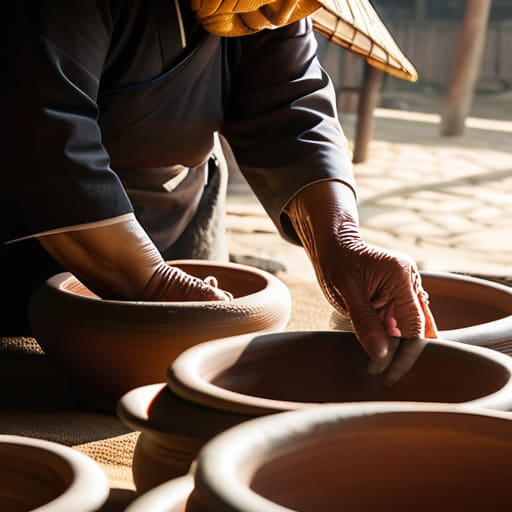
    Whenever I find myself in a new city, my first instinct isn’t to check a map, but to follow my nose toward the nearest open-air market. There is a specific, sharp tang that cuts through the humid air of a morning market—a scent that signals something alive is happening in those jars and crocks. I remember wandering through a small village in the mountains of Georgia, where the air smelled heavily of brine and wild herbs. It was there, watching an elderly woman carefully pack cabbage into heavy clay vessels, that I truly understood the benefits of lacto-fermentation. It isn’t just a preservation method; it’s a slow, rhythmic conversation between the seasons and the soil.

    Searching for natural probiotic sources in these settings feels much more intimate than browsing a sterile pharmacy aisle. You aren’t just looking for a pill; you’re looking for the bubbling, cloudy liquid in a jar of homemade pickles or the pungent, creamy depth of a local cultured cheese. These market finds offer a complexity that a capsule simply cannot replicate, connecting our digestive health and fermentation practices directly to the geography of the place.

    The Quiet Magic of Lacto Fermentation Traditions

    The Quiet Magic of Lacto Fermentation Traditions

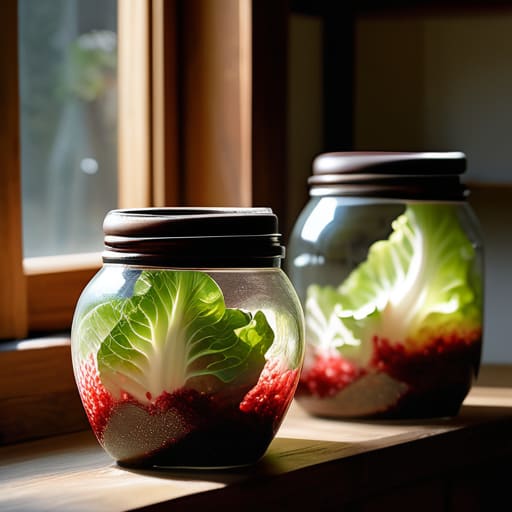
    There is a specific kind of stillness that comes with watching a jar of vegetables transform over a week. It’s not the loud, fast-paced energy of a bustling market, but something more rhythmic. In many of the rural villages I’ve stayed in, fermentation isn’t a “wellness trend”—it’s just how you keep the harvest alive. I remember sitting in a sun-drenched kitchen in Eastern Europe, watching an elderly woman pack cabbage into heavy stoneware crocks. There was no measuring, just an intuitive sense of salt and weight. This is where the true benefits of lacto-fermentation reside: in that slow, microscopic dance that turns simple ingredients into something deeply complex.

    When I compare the experience of eating a crisp, brine-soaked radish to taking a pill, the difference is visceral. While many people focus on the science of gut microbiome health benefits, I find myself more drawn to the sensory connection. There is a tang, a slight effervescence on the tongue, and a depth of flavor that a capsule simply cannot replicate. It’s a reminder that food is a living thing, and when we respect that process, we nourish more than just our bodies.

    Small Rituals for Your Own Fermentation Journey

    • Don’t fear the funk. When I first tried making my own sauerkraut in a tiny kitchen in Berlin, the smell was intimidating, but that sharp, acidic tang is exactly where the life is. If it smells like vinegar or yeast, you’re on the right track; if it smells truly putrid, trust your gut and let it go.
    • Follow the salt, not just the recipe. I’ve learned from many a market vendor that salt is the gatekeeper. It’s not just for flavor; it’s what keeps the “bad” bacteria at bay while the good ones do their work. A precise salt-to-vegetable ratio is the difference between a crisp ferment and a mushy mess.
    • Embrace the imperfections of hand-me-down cultures. Whether it’s a sourdough starter passed down through a family or a jar of kombucha SCOBY, these living things have personalities. They react to the humidity in your kitchen and the season outside your window. Treat them like roommates, not just ingredients.
    • Keep your eyes (and nose) on the bubbles. Fermentation is a slow, quiet conversation. When you see those tiny, energetic bubbles rising to the surface, it’s a sign that the microbes are busy at work. It’s a small, beautiful reminder that even in stillness, there is immense activity.
    • Prioritize seasonal, local produce. A fermented carrot tastes infinitely better when it’s been harvested from a nearby farm at the height of its sweetness. The sugars in fresh, seasonal vegetables provide the best fuel for the fermentation process, making the end result much more complex.

    Lessons from the Jar

    Stop looking for “superfoods” in a grocery aisle and start looking for them in the local market’s rhythm; true probiotics are found in the seasonal, living foods that a community has perfected over generations.

    Respect the slow process; fermentation is a lesson in patience that reminds us that the most profound cultural flavors can’t be rushed or manufactured, only nurtured.

    Eat with intention and curiosity; every jar of kraut or bowl of miso is a map of a specific place and its people, offering a way to taste a landscape long after you’ve left it.

    The Living History in a Jar

    “A jar of ferment isn’t just a recipe; it’s a living, breathing record of a place—the specific salt from its coast, the wild yeasts in its air, and the quiet patience of a culture that knows some things simply cannot be rushed.”

    Anouk Verhoeven

    Beyond the Jar

    Fermented foods and life Beyond the Jar.

    As I pack my notebook and prepare for my next train, I find myself thinking back to those bubbling crocks and sun-drenched market stalls. We’ve looked at how to spot real probiotic treasures in the chaos of a local market and how the patient, slow rhythm of lacto-fermentation acts as a living history of a community. Whether it’s a sharp, spicy kraut or a mellow, funky miso, these foods are more than just gut health trends; they are the tangible results of human patience and the clever ways our ancestors learned to dance with the seasons.

    Ultimately, I hope you don’t just see fermentation as a way to improve your digestion, but as a way to reconnect with the world. The next time you find yourself in a new city, skip the polished supermarket aisles and look for the small, unassuming jars in the corner of a family-run deli. Listen to the stories behind the brine. When we embrace these fermented traditions, we aren’t just eating; we are participating in a global, ancient conversation that has been happening in kitchens for thousands of years. Slow down, taste the complexity, and let the flavors tell you where you really are.

    Frequently Asked Questions

    How can I tell if a fermented food in a local market is actually safe to eat versus just being spoiled?

    It’s a valid fear—I’ve stood in front of many a jar, wondering if I was looking at a culinary treasure or a science experiment gone wrong. Generally, look for a pleasant, tangy aroma, like sourdough or pickles. If it smells putrid, sulfurous, or just “off,” walk away. Avoid anything with fuzzy, colorful mold (white or blue is okay in some contexts, but when in doubt, skip it) or a slimy, unappealing texture. Trust your nose; it’s your best guide.

    Are there certain types of fermented foods that are easier for beginners to incorporate into a daily routine without feeling overwhelmed?

    I used to think fermentation meant a jar of something pungent sitting on my counter, which felt intimidating. If you’re starting out, don’t aim for the heavy stuff. I usually begin with something mild, like a spoonful of creamy kefir in my morning oats or a bit of miso stirred into a warm broth. They’re gentle on the palate and easy to slip into a routine without feeling like you’re performing a culinary experiment.

    How do I balance exploring these traditional, heavy fermented flavors with my own modern dietary needs?

    I used to struggle with this, especially when a heavy, salty miso or a pungent kraut felt a bit much for my stomach. Now, I treat fermentation like a seasoning rather than a main event. I’ll add a small spoonful of a potent local ferment to a simple bowl of grains or roasted vegetables. It honors the tradition without overwhelming my palate or my digestion—it’s about finding that gentle, living balance.

  • Exploring Nature Through Gentle Foraging

    Exploring Nature Through Gentle Foraging

    I remember sitting on a damp mossy log in the outskirts of Brittany, my fingers stained green and my notebook open, trying to reconcile the intense, peppery scent of wild garlic with the sterile, plastic-wrapped versions sold in the city supermarkets. There is a specific kind of magic in finding something edible just because you knew where to look, but most people treat foraging basics like some high-stakes, academic pursuit involving expensive field guides and heavy gear. I’ve seen too many “experts” turn a simple walk in the woods into an intimidating science project, stripping away the quiet connection between the earth and our plates.

    I’m not here to give you a lecture or a list of overly complicated botanical Latin. Instead, I want to share the intuitive, grounded approach I’ve gathered from years of wandering through markets and wild landscapes alike. We’re going to strip away the pretension and focus on the real-world skills you actually need to identify seasonal treasures with confidence. My goal is to help you move past the fear and start seeing the landscape not just as scenery, but as a living, breathing pantry.

    Table of Contents

    Mastering Edible Plant Identification in Local Fields

    Mastering Edible Plant Identification in Local Fields.

    When I first started exploring the edges of the countryside, I made the mistake of thinking a quick glance would suffice. It doesn’t. True edible plant identification requires a certain kind of patience—the kind where you actually sit in the tall grass and observe how a leaf curls or how the stem feels against your thumb. I’ve learned that you can’t just skim the surface; you have to look for the tiny, specific markers that separate a delicious wild herb from something that might make you very ill.

    I always keep a small, weathered field guide in my bag, but even then, I rely heavily on my senses. I’ve found that identifying seasonal wild edibles is as much about timing as it is about sight. A plant might look one way in the dampness of early spring and completely different under the August sun. Before you ever consider tasting anything, make sure you can identify at least three distinct characteristics of the plant. It’s about building a deep, tactile familiarity with the land, ensuring that every bite is a way of connecting with the earth, rather than a gamble.

    Safe Foraging Practices for the Curious Wanderer

    Safe Foraging Practices for the Curious Wanderer

    There’s a certain thrill in finding something wild and delicious, but I’ve learned the hard way that enthusiasm should never outpace caution. Before you ever let anything touch your plate, you need to be absolutely certain of your edible plant identification. I always tell my friends that if there is even a shadow of a doubt—if a leaf looks slightly “off” or the texture feels unfamiliar—you leave it exactly where it is. It’s better to go home with an empty basket than a heavy heart.

    When I’m out in the field, I keep my kit simple. I don’t need much beyond a sharp knife and a breathable canvas bag, but investing in a few quality foraging tools and equipment makes the process much more respectful to the environment. I try to follow a “one-third rule”: take a third for yourself, leave a third for the wildlife, and leave the rest to ensure the plant can regenerate. It’s all about sustainable harvesting techniques that honor the land rather than just stripping it bare. We are guests in these ecosystems, after all.

    Small Lessons from the Dirt: My Five Rules of Thumb

    • Never trust a half-finished thought; if you aren’t 100% certain about a plant’s identity, leave it exactly where it is. There is no room for “maybe” when it comes to what ends up on your plate.
    • Bring a physical field guide that you can actually get dirty. Apps are fine for a quick glance, but nothing beats the tactile feeling of flipping through weathered pages while sitting in the damp grass.
    • Respect the “one-tenth” rule. Only take a small handful of what you find to ensure the local ecosystem—and the next person wandering by—has plenty left to thrive.
    • Wash everything twice, and then a third time. Even if a patch of wild greens looks pristine, you never know what’s lingering in the soil or what a stray dog might have left behind.
    • Pay attention to the context, not just the leaf. A plant’s location, the soil it’s hugging, and the way it smells in the sun tell a much deeper story than a simple diagram ever could.

    Small Lessons from the Soil

    Never rush the identification process; if you aren’t 100% sure about a plant, leave it where it is. I’ve learned that a single mistake can turn a beautiful afternoon into a hospital visit, and no wild meal is worth that risk.

    Respect the ecosystem by only taking what you need and never stripping a single patch bare. Foraging should feel like a quiet exchange with nature, not a harvest, ensuring the plants can return for the next season.

    Use your senses beyond just sight. I always tell people to pay attention to the texture of a leaf or the specific, earthy scent of a crushed stem—these sensory details are often the most honest clues a plant can give you.

    The Wisdom of the Soil

    Foraging isn’t about conquering the landscape or filling a basket; it’s about learning to listen to the ground and realizing that the most profound flavors are often hidden in the quietest corners, waiting to be recognized by those who actually take the time to look.

    Anouk Verhoeven

    Finding Your Way Back to the Earth

    Finding Your Way Back to the Earth.

    At the end of the day, foraging isn’t about filling a basket to the brim or mastering every botanical name in your local field guide. It’s about the discipline of slowing down and the commitment to doing your homework before you ever take a bite. We’ve talked about the vital importance of foolproof identification, the ethics of never over-harvesting, and the necessity of respecting the land that provides for us. If you remember nothing else, remember that caution is your most important tool. When in doubt, leave it be; the goal is to participate in the ecosystem, not to disrupt it.

    Beyond the practicalities, there is something deeply restorative about this practice. There is a quiet, almost sacred connection that happens when you stop viewing a landscape as just a backdrop for a photo and start seeing it as a living, breathing pantry. It changes the way you walk through the world. Suddenly, a simple afternoon stroll becomes a lesson in patience and a way to reconnect with the seasons. So, grab your notebook, keep your eyes sharp, and go find those small, wild flavors that make a place feel like home. The earth is always telling a story; you just have to be quiet enough to listen.

    Frequently Asked Questions

    How do I know if I'm accidentally picking something toxic if it looks almost identical to an edible plant?

    This is the question that keeps me up at night when I’m out in the field. The honest truth? If there’s even a shadow of a doubt, leave it alone. I live by a strict rule: when in doubt, don’t eat it. I’ve learned to look past the leaves and focus on the tiny, “boring” details—the stem structure or the way the hairs feel—but even then, I never rely on a single feature. If it isn’t a definitive “yes,” it’s a “no.”

    Are there certain areas, like near busy roads or old farms, where I should avoid foraging because of soil contamination?

    This is such a vital question, and honestly, it’s the one that keeps me up at night sometimes. I always steer clear of roadsides; the runoff from cars carries heavy metals that plants just soak right up. I also avoid old industrial sites or farms that use heavy pesticides. I prefer seeking out “wilder” edges—think the outskirts of old woods or meadows where the soil feels undisturbed and quiet.

    Do I need any special tools to harvest these plants without damaging the roots or the surrounding ecosystem?

    You don’t need a fancy kit, but I always pack a small, sharp garden knife and a sturdy canvas bag. A knife lets you make clean cuts rather than tearing at the stem, which is much kinder to the plant. If you’re harvesting roots, a small hand trowel helps you lift them without disturbing the entire soil structure. Most importantly, leave enough behind so the ecosystem can keep breathing.

  • Decorating Your Bookshelves

    Decorating Your Bookshelves

    I was sitting in a tiny, sun-drenched kitchen in Marseille last month, watching an elderly woman arrange her spice jars on a weathered wooden ledge. There was no curated “aesthetic” in sight, just the beautiful, messy reality of a life well-lived. It made me realize how much I loathe the polished, sterile version of shelving decor that dominates my social media feeds—those perfectly spaced, color-coordinated vignettes that look more like a showroom than a home. We’ve been sold this idea that a shelf needs to be a museum exhibit, but to me, that feels utterly lifeless.

    I’m not here to teach you how to stage a photoshoot or buy expensive, meaningless trinkets just to fill a gap. Instead, I want to share how you can use your shelves to tell your own story, using the objects that actually mean something to you. We’re going to talk about finding the balance between function and soul, focusing on intentional collecting rather than mindless decorating. My goal is to help you create a space that feels grounded and real, one meaningful object at a time.

    Table of Contents

    Mastering Shelf Styling Principles Through Collected Memories

    Mastering Shelf Styling Principles Through Collected Memories

    When I’m setting up a new space, I tend to approach organizing decorative objects much like I approach a new city: with curiosity and a refusal to rush. I don’t believe in buying a pre-packaged set of matching vases just to fill a void. Instead, I look for pieces that carry a bit of weight—a heavy stoneware mug from a rainy afternoon in Porto, or a stack of well-loved cookbooks with flour-dusted spines. Mastering shelf styling principles isn’t about following a rigid blueprint; it’s about creating a visual rhythm that feels earned rather than staged.

    I find that the most successful shelf vignette ideas rely on a balance of textures and heights. I’ll often pair something tall and architectural, like a single dried branch in a glass jar, with something small and tactile, like a smoothed river stone or a tiny ceramic bowl. By varying these scales, you avoid that stiff, showroom look. To me, a successful minimalist shelf arrangement shouldn’t feel empty; it should feel intentional, leaving enough breathing room for each object to tell its own quiet story.

    Finding Harmony in Minimalist Shelf Arrangement

    Finding Harmony in Minimalist Shelf Arrangement.

    When I’m moving between temporary apartments, I’ve learned that less is almost always more. There is a certain peace in a minimalist shelf arrangement that mirrors the way I pack my own bags—only taking what is essential and meaningful. Instead of cluttering a surface with every knick-knack I’ve ever picked up, I try to focus on negative space. It’s not about having empty gaps; it’s about giving each object room to breathe so you can actually see it.

    I often approach decorating floating shelves by thinking about rhythm rather than symmetry. I might place a single, heavy ceramic vase on one side to ground the look, then balance it with something lighter, like a small stack of linen-bound books or a single sprig of dried eucalyptus. When you’re organizing decorative objects this way, you aren’t just tidying up; you’re creating a visual melody. It’s that delicate balance between intentionality and ease that prevents a shelf from looking too precious or, conversely, like a chaotic junk drawer.

    Small Touches: My Personal Rules for a Lived-In Shelf

    • Don’t be afraid of the “imperfect” piece. I always find that a slightly chipped ceramic mug from a trip to Lisbon or a weathered stone I picked up on a beach in Brittany adds more soul to a shelf than a perfectly matched set from a big-box store.
    • Group things in odd numbers. There’s something about a trio of objects—maybe a small plant, a stack of books, and a single candle—that feels much more natural and less “staged” to the eye than even pairings.
    • Vary your heights to create rhythm. If everything is the same level, the eye just slides right past it. I like to tuck a small, low bowl in front of a taller, slender vase to create a little landscape that feels intentional but relaxed.
    • Leave some breathing room. It’s tempting to fill every inch, but a shelf needs to breathe. I’ve learned that leaving a bit of empty space around a meaningful object actually gives it more importance, rather than letting it get lost in the clutter.
    • Mix textures to add warmth. A smooth glass carafe looks beautiful next to the rough, tactile spine of an old linen-bound cookbook. That contrast is what makes a display feel layered and real, rather than just a collection of things.

    Small Lessons in Living with Intention

    Stop chasing “sets” and start collecting stories; a shelf feels most alive when it holds a mix of the functional and the sentimental, like a worn ceramic bowl next to a handful of salt-stained postcards.

    Embrace the breathing room; just as a crowded market can be overwhelming, a shelf needs empty space to let your most meaningful objects actually be seen.

    Let your decor evolve with your travels; your shelves shouldn’t be a finished project, but a living archive that changes every time you bring home a new texture or a small, unexpected find.

    The Soul of a Shelf

    “A shelf shouldn’t just be a place to store things; it’s a quiet map of where you’ve been and what you’ve loved—a collection of mismatched ceramics, worn spines, and small, dusty artifacts that turn a house into a home.”

    Anouk Verhoeven

    The Soul of the Shelf

    Curated decor capturing The Soul of the Shelf.

    At the end of the day, styling your shelves isn’t about following a strict set of rules or achieving that untouchable, showroom perfection we see in glossy magazines. It’s about the delicate balance between the principles of design—like managing negative space and playing with varying heights—and the unpredictable beauty of your own history. Whether you are grouping minimalist ceramics to create a sense of calm or layering old, flour-dusted cookbooks with treasures found in a dusty market in Oaxaca, you are essentially curating a visual narrative. Remember that the goal is to blend structure with soul, ensuring that your arrangement feels both intentional and lived-in.

    As I pack my bags for my next destination, I often find myself looking at the small, cluttered nooks of the cafes I visit, realizing that these tiny displays are the quietest forms of storytelling. Your shelves are no different; they are the canvas for your personal evolution. Don’t be afraid to leave a gap for something new to arrive, or to let a piece become slightly worn and weathered. The most beautiful spaces aren’t the ones that are perfectly curated, but the ones that honestly reflect the hands that touch them and the lives they have led. Let your shelves breathe, and let them tell your story.

    Frequently Asked Questions

    How do you balance displaying meaningful keepsakes without making the shelves feel cluttered or overwhelming?

    I always lean on the “breathing room” rule. When I’m styling my shelves, I treat empty space like an ingredient—it’s just as important as the objects themselves. I try to group my keepsakes in small, intentional clusters rather than spreading them thin. If I have a heavy ceramic bowl from a market in Oaxaca, I’ll pair it with just one slim book and a single sprig of dried herbs. It keeps the story clear without the noise.

    Are there specific ways to incorporate natural elements, like dried herbs or stones, into shelf styling to make a space feel more grounded?

    I’ve always found that bringing the outdoors in is the quickest way to ground a room. For me, it’s about texture. I love tucking small bundles of dried rosemary or lavender into a ceramic crock; they add a soft, organic shape and a faint, nostalgic scent. Even a few smooth river stones tucked beside a stack of books can work. It’s those tactile, unpolished bits that make a shelf feel lived-in rather than just staged.

    When working with small, limited shelf space, how do you decide which objects are worth keeping on display and which should stay tucked away?

    I’ve learned that when space is tight, you have to be ruthless, but in a kind way. I ask myself: does this object hold a story, or is it just taking up room? If a ceramic bowl reminds me of a specific morning in a coastal market, it stays. If it’s just something I bought because it was convenient, it goes back in a drawer. I prefer a few meaningful pieces over a crowded shelf.