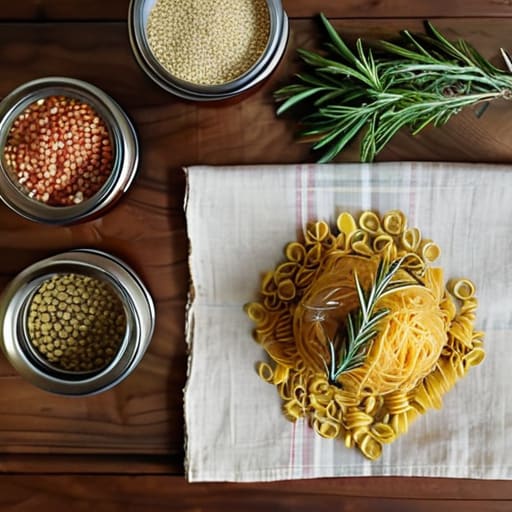
I remember sitting on the floor of a tiny, sun-drenched kitchen in Marseille, surrounded by half-unpacked boxes and the overwhelming scent of dried thyme and old cedar. I had no grocery store in sight, just a handful of dusty lentils, a jar of preserved lemons, and a single onion. It was in that moment of quiet necessity that I realized pantry meal planning isn’t the sterile, hyper-organized chore that lifestyle influencers make it out to be. It isn’t about matching aesthetic glass jars or following rigid, expensive meal kits; it’s about the resourcefulness that comes from knowing exactly what you have when the world feels a little too loud.
I’m not here to give you a list of complicated rules or tell you that you need a complete kitchen overhaul to eat well. Instead, I want to share how I use what’s already on my shelves to create meals that actually feel like living. We’re going to look at how to find the soul in your staples and turn a random assortment of grains and spices into something nourishing. This is about stripping away the noise and finding the simple, honest rhythm of cooking from what you already own.
Table of Contents
Building a Soulful Shelf Stable Ingredient List
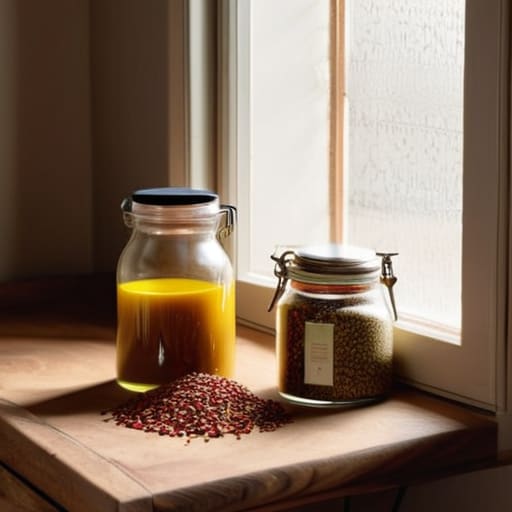
When I was working in those small coastal museums, I learned that the most interesting stories aren’t always in the grand displays; sometimes, they are tucked away in the quiet corners. I think of a well-curated shelf-stable ingredient list in much the same way. It shouldn’t feel like a chore or a clinical exercise in pantry inventory management. Instead, think of it as building a foundation. I like to stock things that carry a sense of place—a jar of smoked paprika that reminds me of a market in Seville, or a bag of farro that feels grounded and earthy.
Rather than focusing on restrictive rules, I aim for a collection of versatile textures and flavors. I keep a steady supply of dried lentils, high-quality olive oil, and heirloom grains. This approach makes minimizing food waste feel less like a duty and more like a creative challenge. When you have these reliable elements on hand, you aren’t just “prepping”; you are gathering the raw materials for a meal that actually nourishes you, even on those days when the world feels a little too fast and you just need something simple and honest.
The Gentle Rhythm of Pantry Inventory Management
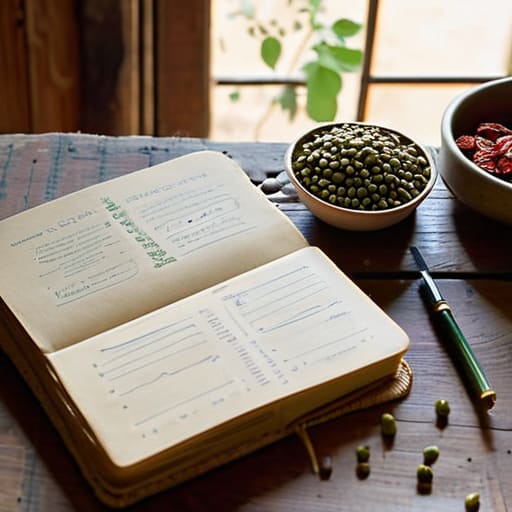
I’ve learned through years of living out of a suitcase that a cluttered space leads to a cluttered mind. When I’m settling into a new city for a month, I don’t rush to the supermarket to fill every cupboard. Instead, I take a slow moment to practice what I call pantry inventory management. I like to sit with my notebook, scanning the tins and jars I already have, rather than immediately reaching for my credit card. There is a certain quiet satisfaction in realizing that a half-empty bag of lentils and a lonely jar of sundried tomatoes are actually the beginnings of a beautiful dinner.
This isn’t about rigid schedules or clinical checklists; it’s about finding a flow that works for your life. By taking ten minutes once a week to see what’s actually there, you start minimizing food waste without it feeling like a chore. You stop buying that third bottle of olive oil simply because you forgot you had two tucked in the back. It turns the kitchen from a place of decision fatigue into a space of possibility, where you can whip up quick meals from pantry staples whenever the day feels a little too heavy.
Small Rituals for a Meaningful Larder
- Shop for flavor, not just fuel. When I’m restocking, I don’t just look for bulk pasta; I look for that one jar of sundried tomato pesto or a specific smoked paprika that makes a simple meal feel like a discovery.
- Embrace the “hero” ingredient. Instead of planning a rigid menu, pick one item from your shelf—maybe a lonely can of chickpeas or a bag of farro—and let that be the heartbeat of whatever you cook that night.
- Keep a “scraps and bits” jar. I’ve found that the most interesting flavors come from the things we usually discard, like dried herb stems or the last bit of parmesan rind, which can transform a basic broth.
- Group things by how they make you feel. I like to organize my shelves into “comfort” (lentils, hearty grains, honey) and “brightness” (vinegars, citrus zest, dried chilies) so I can cook based on my mood rather than just a recipe.
- Leave room for the unexpected. A pantry shouldn’t be a closed system; always leave a little space for those seasonal ingredients you pick up at a local market on a whim, even if they don’t “fit” your plan.
Lessons from the Larder
Stop viewing your pantry as a collection of static goods and start seeing it as a living, breathing resource that dictates the rhythm of your week.
Focus on building a foundation of versatile, single-origin staples—like a good dried lentil or a high-quality olive oil—that can carry the weight of a meal without much fuss.
Let go of the pressure to have a “perfect” kitchen; the goal is simply to know what you have so you can find the quiet magic in a meal made from whatever happens to be on the shelf.
The Philosophy of the Pantry
Pantry meal planning isn’t about a rigid checklist or a strict budget; it’s about learning to listen to the ingredients you already have and finding the quiet potential in a handful of lentils or a jar of sun-dried tomatoes.
Anouk Verhoeven
The Heart of the Home
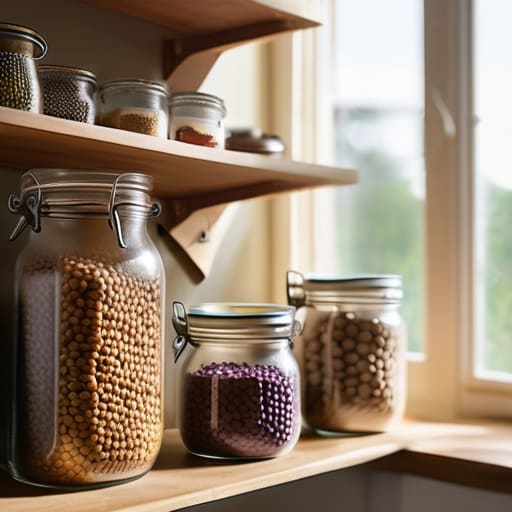
Ultimately, pantry meal planning isn’t about achieving some impossible level of domestic perfection or following a rigid, clinical system. It is about the small, intentional acts we’ve discussed: curating a shelf of ingredients that actually nourish you, keeping a gentle rhythm with your inventory, and learning to see the potential in a simple tin of chickpeas or a bag of dried lentils. When we stop viewing the pantry as a chore to be managed and start seeing it as a collection of possibilities, the stress of the “what’s for dinner?” question begins to dissolve. It’s about creating a foundation that allows you to be present in your kitchen rather than overwhelmed by it.
As I move from city to city, I’ve realized that no matter how far I travel, the most grounding feeling is always the same: the ability to turn a few basic staples into a warm, soulful meal. Whether you are in a tiny apartment in Berlin or a sun-drenched kitchen by the coast, your pantry is your anchor. I hope you find joy in the quiet alchemy of cooking with what you have. May your shelves always be stocked with just enough to keep you inspired and fed, and may you find that the most meaningful meals are often the ones that require the least amount of fuss and the most amount of heart.
Frequently Asked Questions
How do I keep my pantry from feeling like a sterile warehouse while still staying organized?
I used to think organization meant everything in matching glass jars, looking like a staged photo in a magazine. But that feels cold, doesn’t it? To keep it from feeling sterile, I lean into textures. I keep my favorite mismatched ceramic bowls for grains and use linen bags for legumes. It’s about mixing function with things that have a bit of soul—the kind of objects that feel like they belong in a home, not a lab.
Are there certain spices or dried goods that actually improve with age, or should I be rotating everything strictly by date?
It’s a common worry, but I’ve learned that while spices lose their punch over time, certain dried goods actually settle into something better. Think of dried beans or lentils; they might take a little longer to soften, but their earthy flavor deepens. As for spices, they don’t “improve,” they just fade. I tend to rotate my peppercorns and cumin strictly, but I’ll never rush a good, aged batch of dried chiles.
How can I plan meals around my pantry staples without feeling like I'm eating the same repetitive, uninspired dishes every week?
The trick is to stop thinking about “meals” and start thinking about “frameworks.” Instead of a rigid recipe, I look at my pantry as a collection of textures and flavors. If I have lentils and canned tomatoes, I don’t just make soup; I might lean into Moroccan spices one night or Italian herbs the next. It’s about using your staples as a canvas, then letting a single fresh herb or a squeeze of lemon change the entire story.
