I remember sitting on a low wooden stool in a dusty workshop outside of Oaxaca, the air thick with the scent of damp earth and fermented indigo. I was watching a woman whose hands were stained a permanent, beautiful blue, meticulously working with fibers that had been grown, spun, and dyed by hand. It was a stark, grounding contrast to the glossy, high-priced “eco-collections” I see popping up in every boutique lately. To me, true sustainable textiles aren’t found in a clever marketing campaign or a minimalist logo; they are found in the rhythm of the loom and the deep connection between the soil and the shirt on your back.
I’m not here to sell you on a lifestyle of expensive, ethically-labeled basics that you can’t actually afford. Instead, I want to pull back the curtain on what actually matters when we talk about the clothes we carry through the world. I’ll be sharing what I’ve learned from the markets and the makers—the real, unpolished stories of how we can choose materials that actually honor the hands that made them.
Table of Contents
Tracing the Environmental Impact of Textile Production
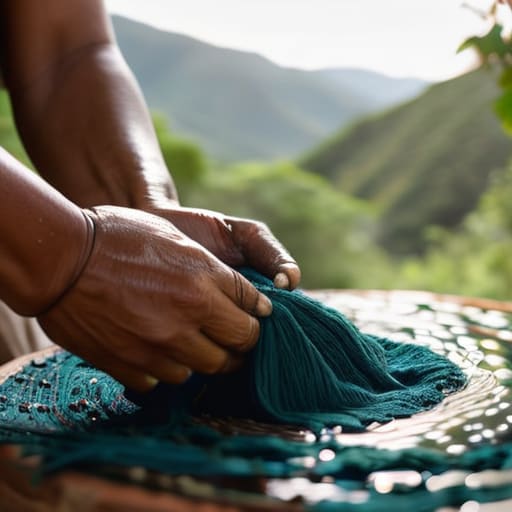
While I was wandering through a small textile cooperative in the hills of Oaxaca, I realized that the environmental impact of textile production isn’t just a statistic in a report; it’s something you can feel in the air and see in the clarity of the local streams. For too long, the industry has operated on a “take-make-waste” model that leaves a heavy footprint on the landscapes we love to travel. I’ve seen firsthand how the shift toward low impact dyeing processes can transform a community, moving away from harsh chemicals that poison the very soil that grows their cotton.
It’s easy to get lost in the debate of recycled polyester vs natural fibers, but the real story lies in how we close the loop. I’ve started looking more closely at the concept of a circular economy in textiles, where nothing is truly discarded, but instead repurposed or returned to the earth. It’s about moving away from the frantic pace of fast fashion and leaning into materials that respect the biological rhythm of the places they come from.
Choosing Natural Fibers Over Recycled Polyester
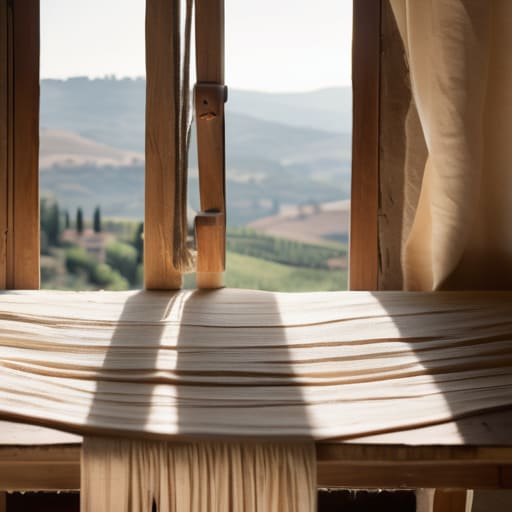
I remember sitting in a small, sunlit studio in the hills of Tuscany, watching a weaver work with raw linen. There was something grounding about the way the fibers felt—honest, slightly irregular, and completely connected to the earth. It made me realize that when we talk about recycled polyester vs natural fibers, we aren’t just talking about material science; we’re talking about the lifecycle of what we wear. While recycled synthetics help divert plastic from landfills, they still shed microplastics into our oceans every time they hit the wash.
If we want to truly lean into a circular economy in textiles, we have to look toward the soil. Choosing organic cotton, hemp, or linen means opting for biodegradable fabric types that can eventually return to the earth without leaving a permanent chemical footprint. I’ve found that these materials don’t just age more gracefully; they carry a sense of place. There is a quiet, tactile dignity in a linen shirt that has been treated with low impact dyeing processes, a stark contrast to the sterile, plastic feel of a lab-grown fleece.
Small Shifts for a Lighter Footprint
- Look for the labels that actually mean something. I’ve learned that “eco-friendly” is often just a marketing buzzword, so I always hunt for certifications like GOTS (Global Organic Textile Standard) which actually track the soil and the water used in the process.
- Prioritize the “pre-loved” hunt. My favorite way to find high-quality natural fibers is through local vintage shops or online archives; there is a certain soul in a garment that has already survived a decade of life.
- Check the weight and weave of the fabric. When I’m shopping, I run my hands over the material to see if it feels substantial; cheap, thin synthetics tend to pill and fall apart quickly, whereas a heavy linen or a dense organic cotton is built to age with you.
- Ask about the “who” behind the cloth. If you’re buying from a smaller brand, don’t be afraid to ask where their mills are located. Understanding the human hands involved helps turn a simple purchase into a connection to a craft.
- Embrace the beauty of repair. Instead of tossing a sweater with a small snag, I’ve started learning basic mending. There’s something incredibly grounding about sitting in a quiet cafe, needle in hand, extending the life of something I love.
Small Shifts for a Lighter Footprint
Look past the “recycled” label on synthetic blends; true longevity usually lives in single-origin natural fibers that can eventually return to the earth.
Prioritize the hands behind the loom by seeking out small-scale makers who honor traditional, low-impact weaving methods over industrial speed.
Buy less, but buy better—investing in a well-made linen shirt or a heavy cotton weave is a quiet act of rebellion against the cycle of disposable fashion.
The Weight of What We Wear
“When I run my hands over a piece of hand-loomed linen, I don’t just feel the texture; I feel the history of the soil it grew from and the hands that tended it. Sustainability isn’t a technical checklist—it’s about choosing fabrics that carry a sense of place rather than a footprint of waste.”
Anouk Verhoeven
Beyond the Fabric
Looking back at the journey from the heavy environmental toll of industrial production to the tactile beauty of natural fibers, it becomes clear that our wardrobes are more than just utility. We’ve seen how the shift from synthetic, petroleum-based polyesters to organic, earth-grown materials isn’t just a trend; it is a necessary reclamation of our relationship with the land. By choosing textiles that respect the soil and the hands that harvest them, we move away from the cycle of disposable consumption and toward a more intentional way of living. It’s about recognizing that every thread carries a history, and every garment has a footprint that extends far beyond our own closets.
As I pack my bag for my next destination, I often find myself running my fingers over the linen of my shirt, thinking about the weaver who made it. I’ve learned that true sustainability isn’t about achieving a perfect, zero-waste life overnight; it is about the quiet, conscious choices we make in the small moments. It is about choosing quality over quantity and stories over statistics. Next time you find yourself reaching for a new piece of clothing, I hope you ask yourself not just how it looks, but how it feels to belong to the world that produced it. In the end, the most beautiful thing we can wear is a sense of connection.
Frequently Asked Questions
If I'm looking at labels in a local market, how can I actually tell the difference between truly organic linen and something that's just being marketed as "natural"?
I’ve spent many afternoons squinting at tags in bustling markets, and honestly, “natural” is a word that carries very little weight. To find the real thing, look past the marketing. True organic linen should feel slightly irregular, even a bit coarse, with a distinctively crisp texture. If it feels suspiciously soft or stretchy, it’s likely a blend. I always check for certifications like GOTS, but if those aren’t present, I rely on the weave and the scent—pure linen has a clean, earthy smell, not a chemical one.
Is it better to invest in a few high-quality, long-lasting pieces made of hemp or wool, or is there a way to make recycled synthetics work without the environmental guilt?
I’ve always leaned toward the former. While I hate the idea of waste, there’s a certain soul in a heavy wool sweater or a hemp linen shirt that a synthetic just can’t replicate. They age with you, gaining character rather than just fraying. If you must use recycled synthetics, treat them like precious tools: wash them less, use a microplastic filter, and commit to wearing them until they truly can’t be mended.
How much does the way a garment is dyed—like using traditional plant dyes versus modern chemicals—actually impact the footprint of the fabric?
It’s a massive difference. I remember sitting in a small workshop in Oaxaca, watching how they coaxed deep indigos and earthy ochres from plants; the water felt alive, not toxic. Modern chemical dyes are efficient, sure, but they often leave rivers looking like neon nightmares, poisoning the very ecosystems local communities rely on. Switching to plant-based or low-impact dyes isn’t just a trend—it’s about keeping the water clean enough for the next generation to drink.
